UK Green Economy Surpasses £105 Billion as Net-Zero Industries Drive Jobs, Investment, and Growth, according to newly released economic research showing that Britain’s transition toward cleaner industries has become one of the country’s most powerful economic success stories.
The UK’s net-zero economy now supports approximately 1.1 million jobs and generates around £105 billion in annual economic value. The findings arrive as political debates continue over climate policies, renewable energy investments, and the nation’s long-term economic strategy. The report highlights how clean energy, electric vehicles, energy-efficient construction, and low-carbon manufacturing have moved from niche industries into major contributors to national growth.
Who is benefiting? Businesses, workers, investors, and communities across every region of the United Kingdom. What is happening? The green economy has surpassed £105 billion in annual economic output. Why is it happening? Strong investment in clean technologies, renewable energy, and low-carbon infrastructure. What is the impact? Higher-paying jobs, increased productivity, and growing private-sector investment across Britain.
Why this matters now: Governments and businesses worldwide are competing to attract clean-energy investment. The countries that build strong green industries today may be better positioned for economic growth over the coming decades.
Britain’s Green Economy Has Become a Major Economic Force
The latest economic analysis shows that the UK’s net-zero sector has evolved into a significant pillar of the national economy. Industries connected to clean energy, environmental technologies, sustainable construction, electric transportation, and climate-focused innovation are contributing roughly £105 billion in Gross Value Added annually.
Researchers found that more than 23,000 businesses now participate directly in the net-zero economy. Importantly, the vast majority are small and medium-sized enterprises, demonstrating that growth is not limited to large corporations. This broad participation has helped spread economic benefits across the country rather than concentrating them in a few major cities.
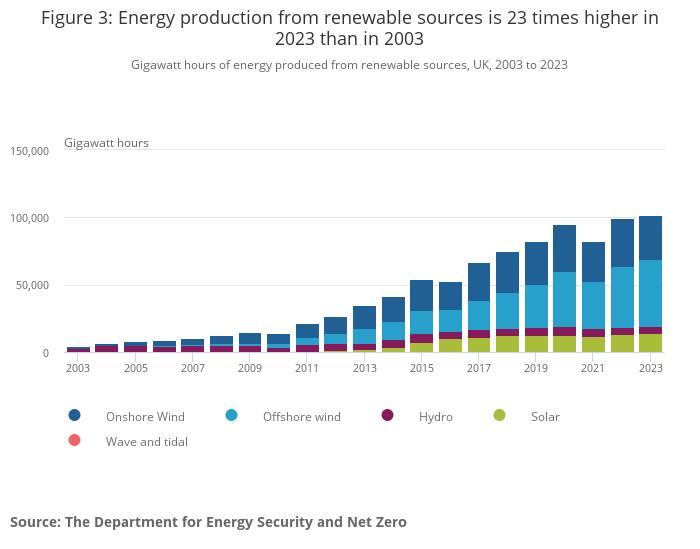
The green economy’s growth reflects changing consumer demand, technological improvements, government policy support, and increasing private investment. Companies are expanding renewable energy generation, modernizing infrastructure, improving energy efficiency, and developing cleaner manufacturing processes.
More Than One Million Jobs Are Linked to the Net-Zero Transition
Employment remains one of the strongest indicators of the sector’s success. The report estimates that approximately 1.1 million jobs are now supported either directly or indirectly by net-zero industries.
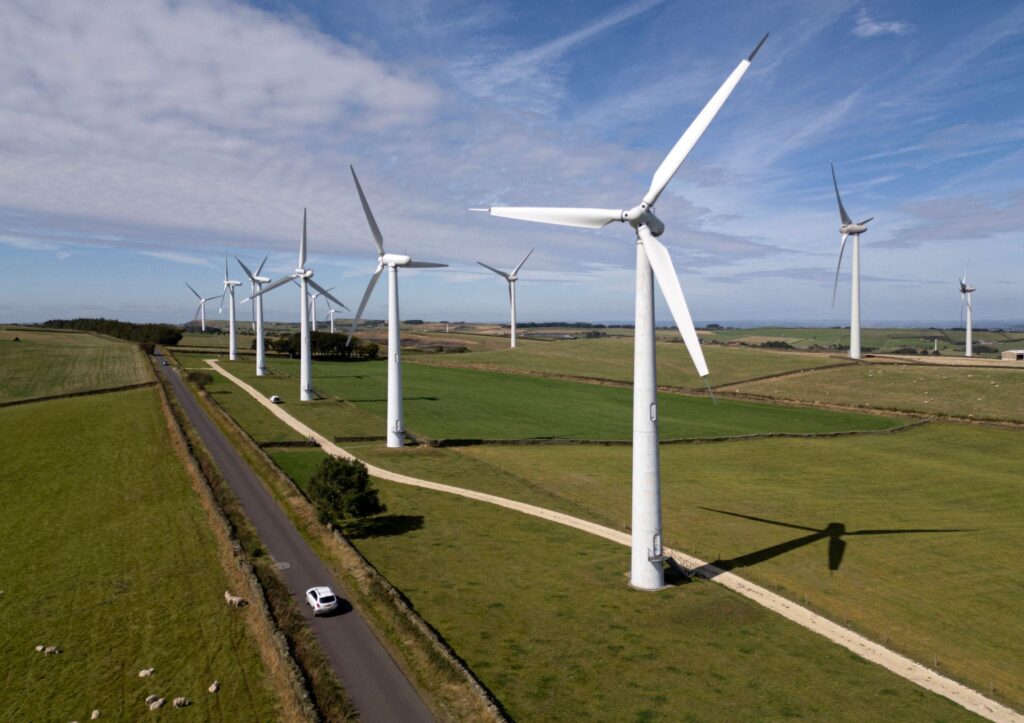
These jobs span a wide range of professions. Workers install solar panels, manufacture wind turbine components, build electric vehicles, design energy-efficient buildings, develop software solutions, and provide engineering and professional services. Supply chains supporting these industries also generate substantial employment opportunities.
Another notable finding is the quality of these jobs. Average annual earnings within the sector are estimated at more than £43,000, around 11% higher than the national average. Researchers also found that productivity levels in many green industries exceed broader national averages, suggesting the sector is helping address one of the UK’s long-standing economic challenges.
Massive Investment Pipeline Signals Long-Term Growth
The future outlook appears equally significant. Analysts estimate that approximately £455 billion worth of energy and infrastructure projects are currently in various stages of development or planning.
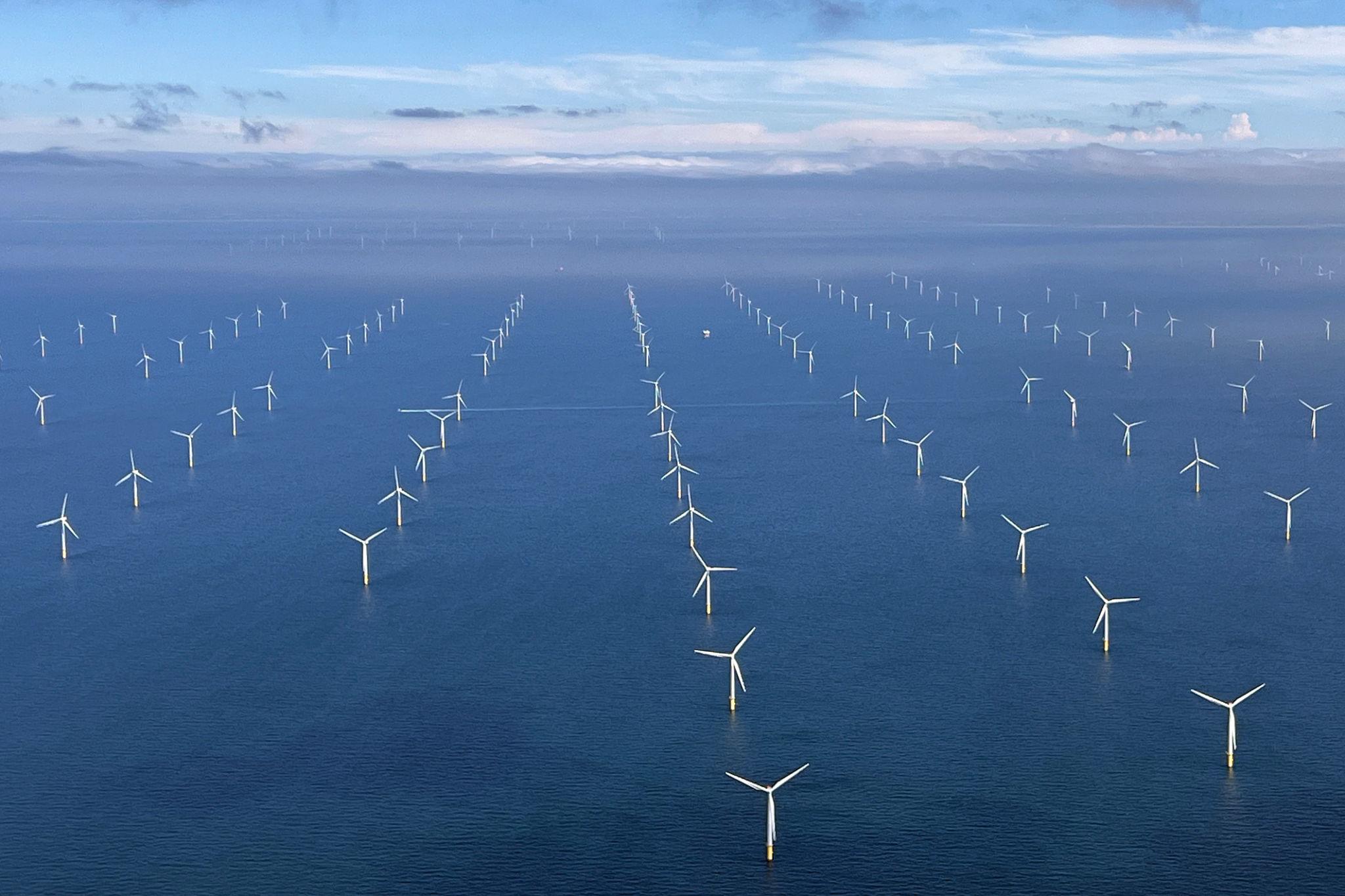
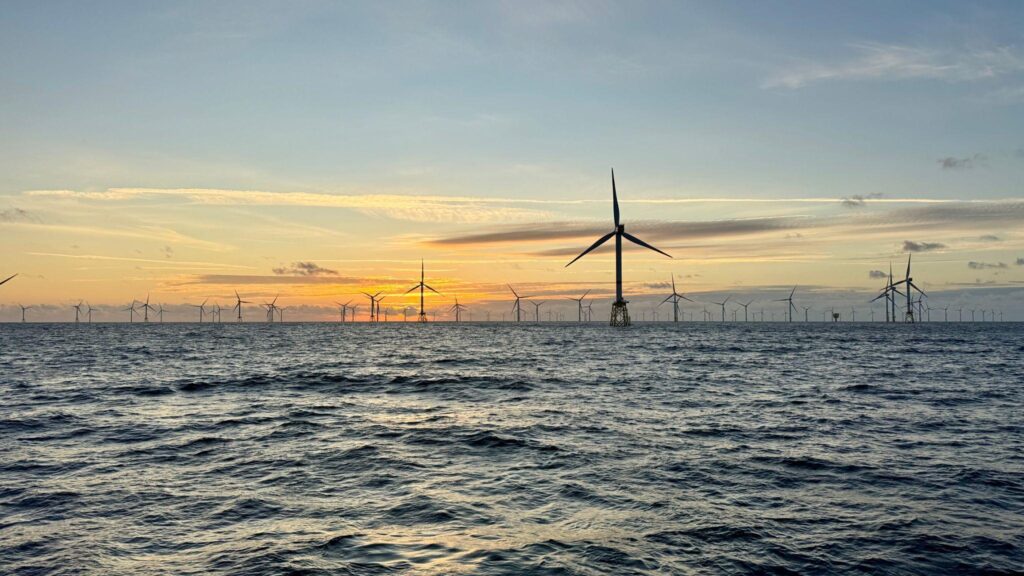
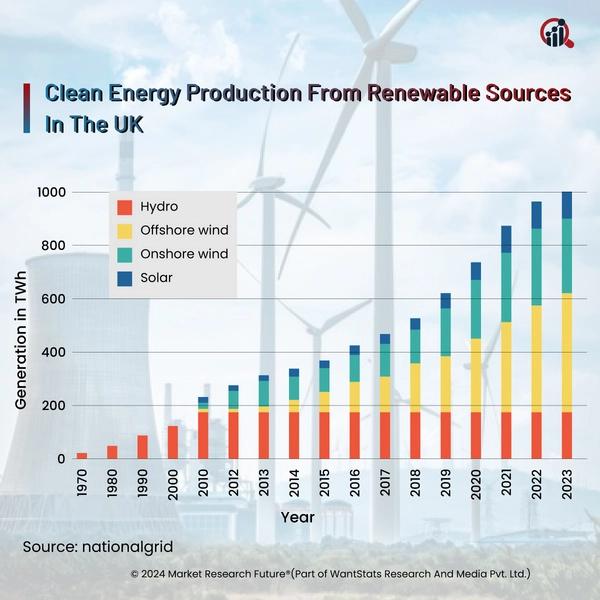
This investment pipeline includes offshore wind farms, solar energy projects, battery storage facilities, electricity grid upgrades, hydrogen infrastructure, electric vehicle manufacturing, and building-efficiency improvements. Such investments have the potential to create additional jobs and stimulate local economies over the next decade.
Investors increasingly view clean-energy projects as strategic opportunities because demand for low-carbon technologies continues to grow globally. Nations that establish strong positions in these industries may benefit from exports, innovation, and long-term competitiveness.
The scale of planned investment demonstrates that many businesses expect the transition toward cleaner energy systems to continue regardless of short-term political debates.
The Political Debate Around Net-Zero Policies Continues
Despite the strong economic figures, net-zero policies remain a topic of political discussion. Some critics argue that climate targets could impose costs on businesses and consumers, while supporters point to growing evidence that clean-energy investments can generate jobs, improve energy security, and support economic growth.
Recent discussions have intensified following debates about energy prices, industrial competitiveness, and Britain’s future energy mix. However, supporters of the transition argue that expanding domestic renewable energy production could help reduce exposure to volatile global fossil fuel markets.
Economic experts increasingly emphasize that global competition for clean-energy leadership is accelerating. Major economies including the United States, China, and members of the European Union continue investing heavily in renewable energy, advanced manufacturing, and climate-focused technologies.
Regional Communities Are Seeing Economic Benefits
One of the most important findings is the geographic distribution of growth. Net-zero industries are creating economic opportunities across England, Scotland, Wales, and Northern Ireland.
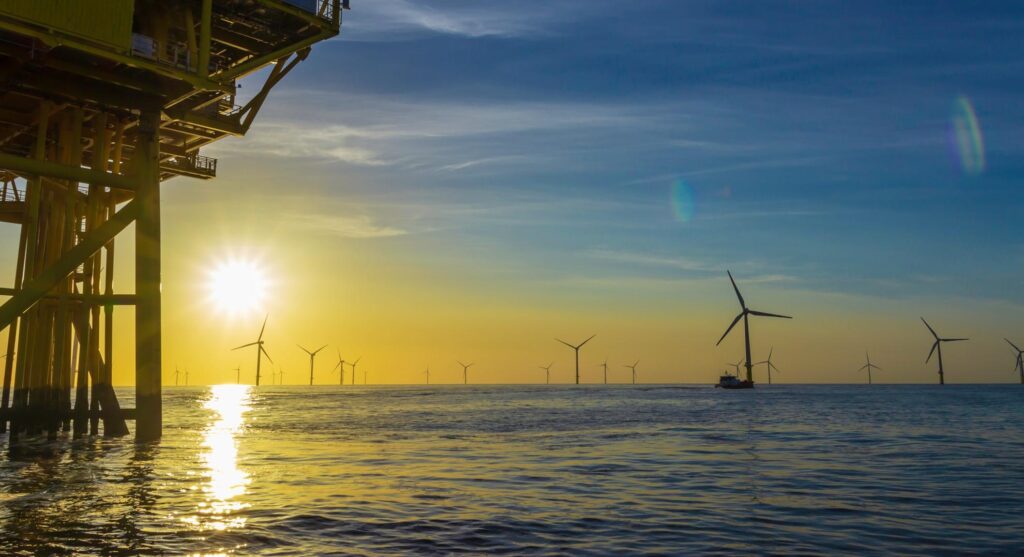
Regions historically associated with manufacturing, energy production, and engineering are increasingly participating in renewable energy supply chains. Offshore wind development, for example, has created opportunities for coastal communities, while advanced manufacturing investments have supported industrial regions.
Local businesses often benefit indirectly through supply contracts, transportation services, professional consulting, and construction activity. This broader economic impact helps explain why every pound generated directly by the sector can create additional value throughout the wider economy.
The expansion of green industries is also encouraging skills development and workforce training programs designed to prepare workers for future employment opportunities.
What the UK’s Green Economy Means for the Future
The latest figures suggest the UK’s green economy is no longer an emerging sector—it has become a major component of national economic activity. With more than £105 billion in annual value, over one million supported jobs, and nearly half a trillion pounds in potential future investment, the sector is increasingly shaping Britain’s economic future.
Challenges remain, including maintaining competitiveness, upgrading infrastructure, ensuring affordable energy, and developing the workforce needed for continued growth. However, the economic evidence indicates that net-zero industries are already delivering measurable benefits.
As governments, businesses, and investors continue adapting to changing energy and environmental priorities, the UK’s experience may offer insight into how economic growth and climate-related investment can increasingly work together. The coming years will likely determine whether Britain can strengthen its position as one of the world’s leading green economies while continuing to attract investment, innovation, and high-quality jobs.
Subscribe to trusted news sites like USnewsSphere.com for continuous updates.