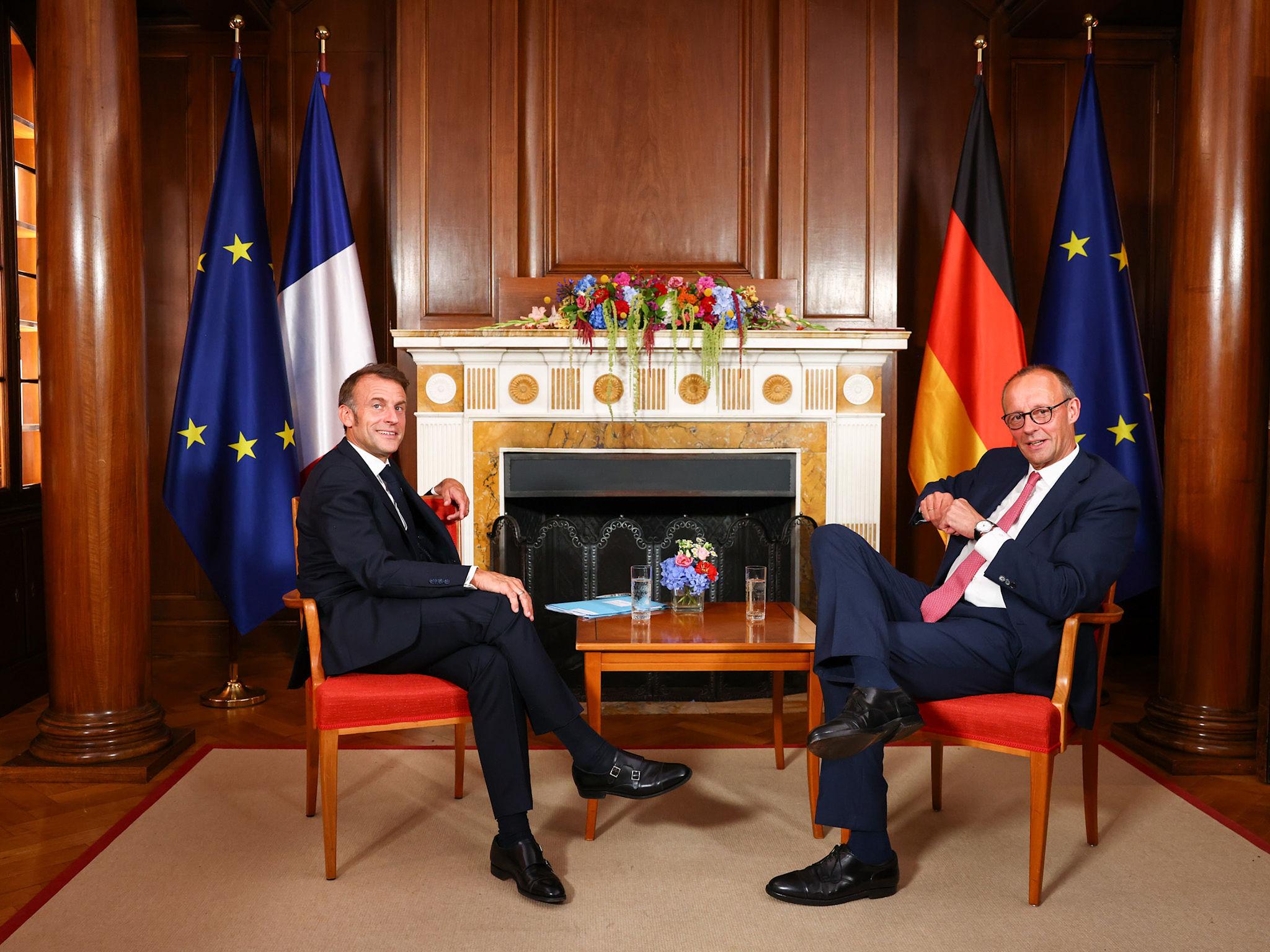
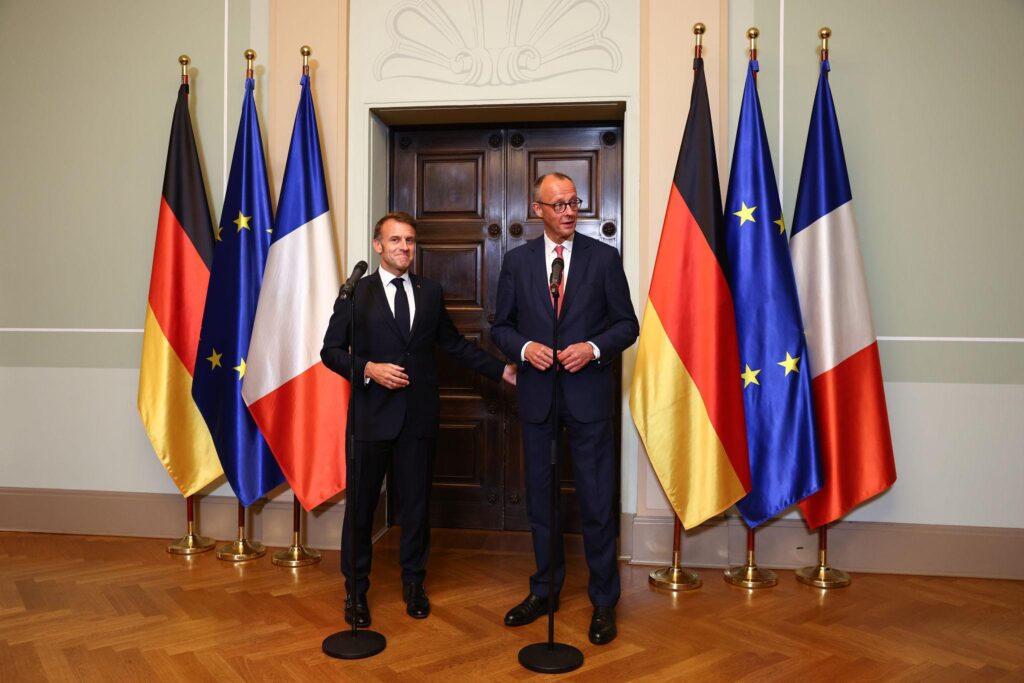
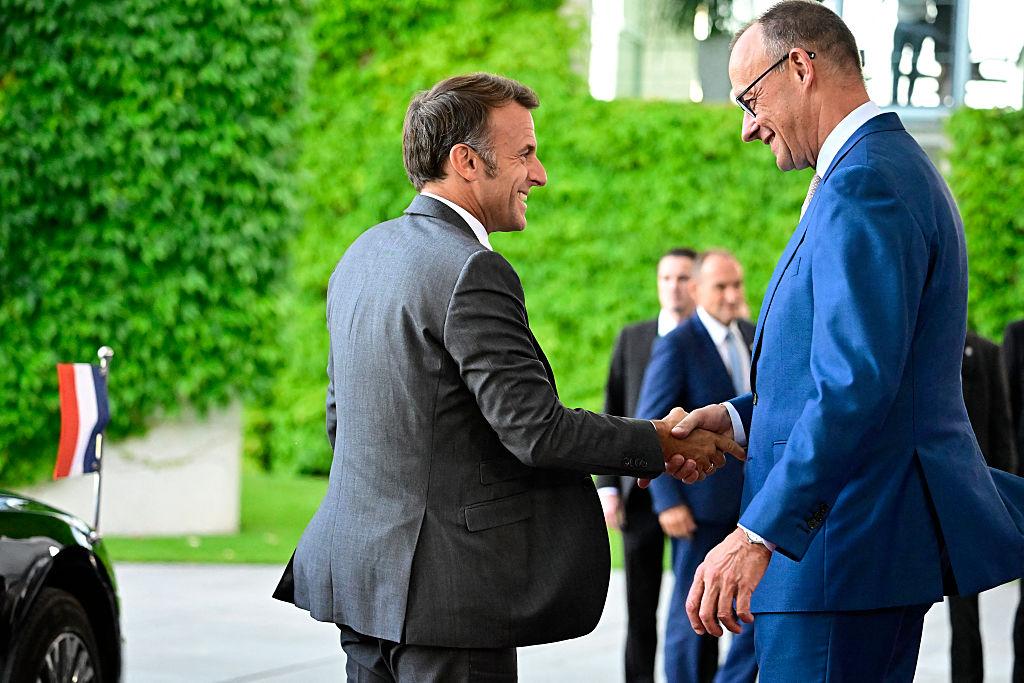
France and Germany expand defense partnership as both countries move to strengthen Europe’s security at a time of growing geopolitical uncertainty. German Chancellor Friedrich Merz and French President Emmanuel Macron announced a broader defense cooperation agenda during a bilateral meeting in Germany, signaling a renewed commitment to building stronger European military capabilities. Their discussions focused on missile defense, long-range strike systems, defense technology, nuclear cooperation, and support for Ukraine. The renewed partnership comes as European nations seek greater security and independence while continuing to work alongside NATO. Why this matters now: Europe faces increasing security challenges from Russia’s war in Ukraine, growing military competition worldwide, and uncertainty over long-term U.S. security commitments, making closer European defense cooperation more important than ever.
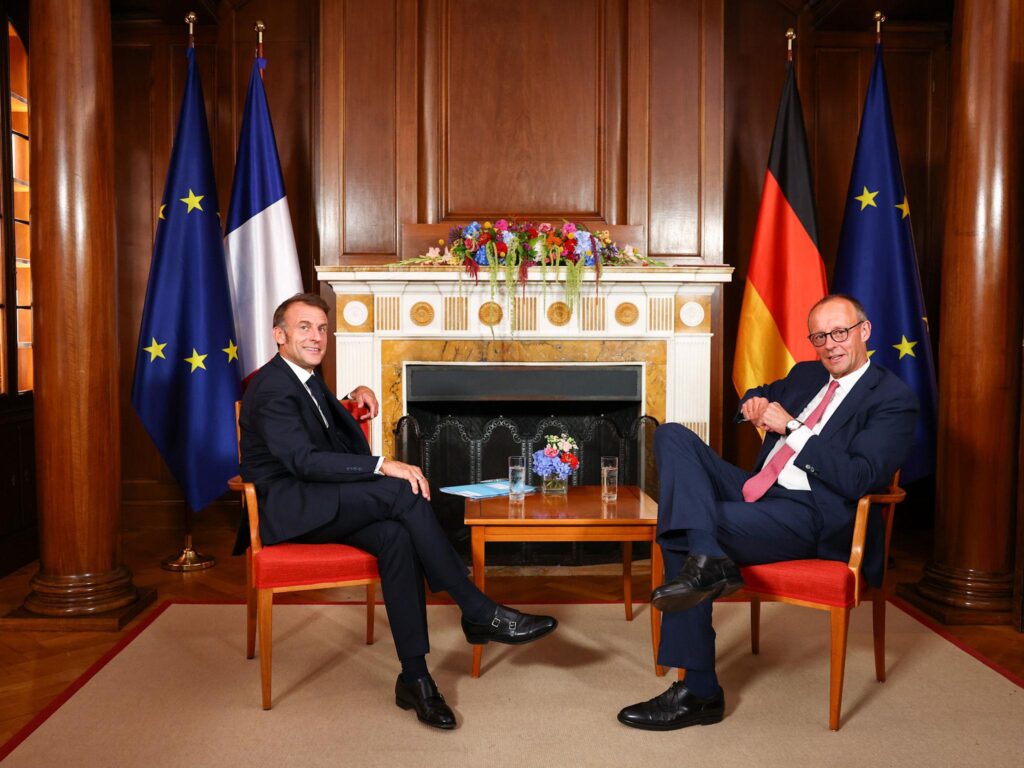
The latest agreement also aims to rebuild momentum after recent setbacks in major joint defense programs. Instead of allowing previous disagreements to weaken cooperation, both governments have chosen to focus on practical military projects that can strengthen Europe’s defense readiness over the coming years.
France and Germany Renew Their Strategic Defense Partnership
France and Germany have long been considered the driving force behind European integration, and defense has become one of their highest priorities. During the latest Franco-German Defense and Security Council meeting, both leaders agreed to deepen cooperation across several military sectors while improving coordination between their armed forces.
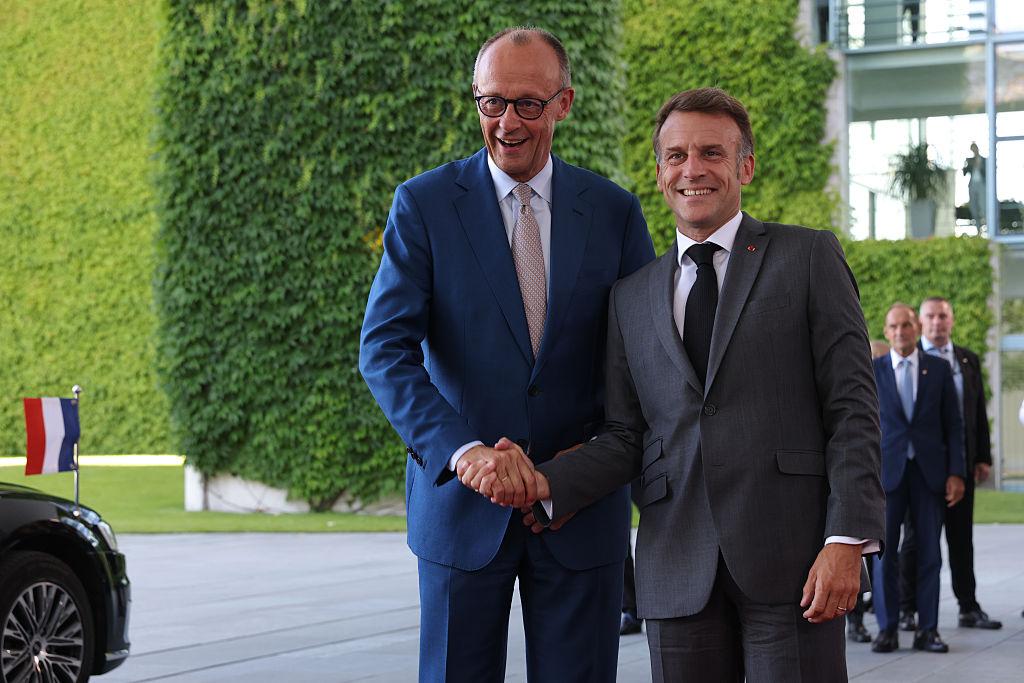
The two governments outlined cooperation in missile defense, long-range strike capabilities, cybersecurity, military mobility, artificial intelligence, satellite security, and defense innovation. Officials also emphasized building a stronger European defense industry capable of producing advanced military equipment within Europe rather than relying heavily on foreign suppliers.
Europe Seeks Greater Military Autonomy Without Replacing NATO
European leaders have increasingly discussed the concept of “strategic autonomy,” which means Europe should develop stronger capabilities to defend itself while remaining an important member of NATO. France has supported this idea for several years, and Germany now appears more willing to expand European defense cooperation.
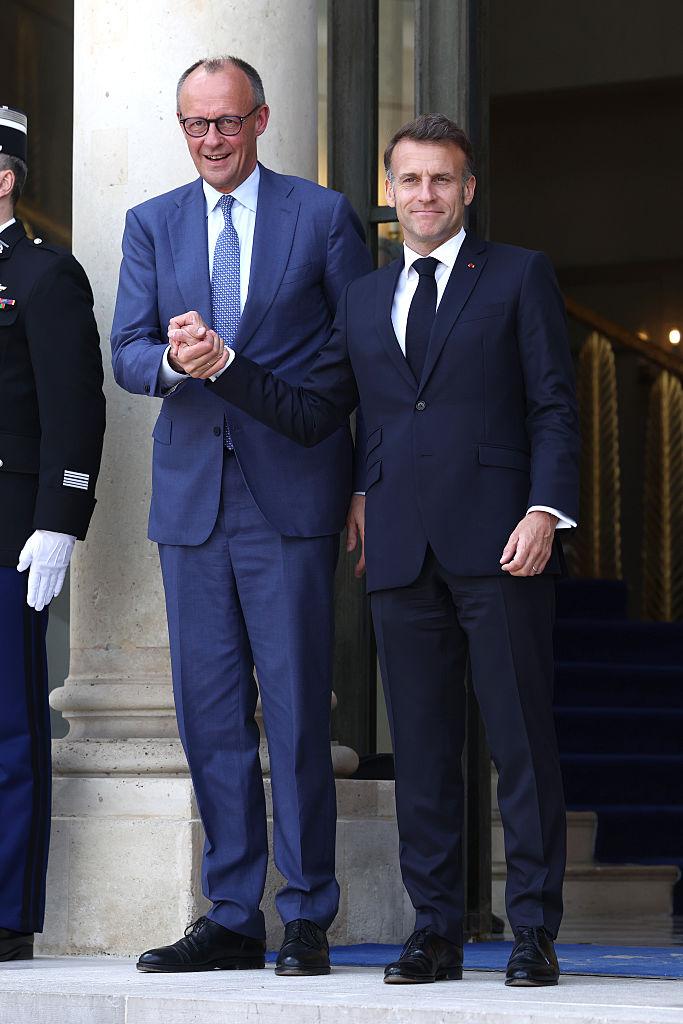
Officials stressed that stronger European military capabilities are intended to complement NATO rather than replace it. As security threats continue evolving, European countries are investing more heavily in joint research, procurement, logistics, and military readiness to improve collective defense across the continent.
Nuclear Cooperation Marks a Significant Shift
One of the most closely watched announcements involved deeper cooperation on nuclear deterrence. Germany confirmed that its conventional military forces will participate in a French nuclear exercise for the first time, marking an important step in bilateral military cooperation.
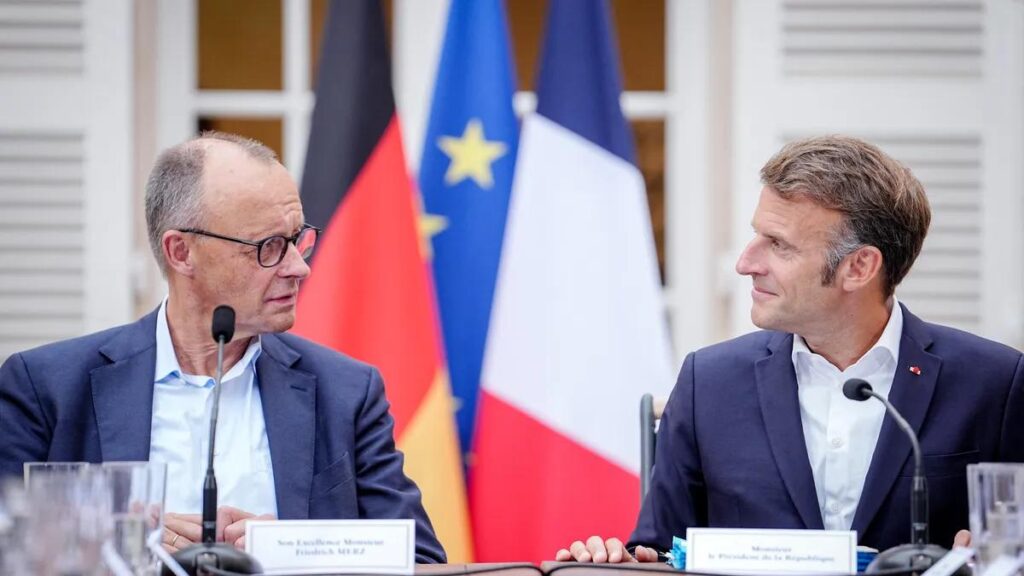
France remains the European Union’s only nuclear-armed member following the United Kingdom’s departure from the EU. President Macron reiterated that France will maintain full control over its nuclear deterrent while expanding strategic discussions with European partners. Analysts believe this cooperation reflects Europe’s desire to strengthen deterrence as regional security challenges continue to grow.
Joint Defense Projects Face Challenges but Continue Moving Forward
The renewed partnership also seeks to overcome tensions created by earlier industrial disagreements. Several ambitious Franco-German defense programs, including the Future Combat Air System (FCAS), have experienced significant delays and restructuring due to disagreements among defense manufacturers.
Rather than abandoning cooperation entirely, both governments agreed to improve project governance, simplify decision-making, and accelerate collaboration in emerging defense technologies. They also reaffirmed support for joint work on next-generation military systems, secure communications, digital battlefield technologies, and future armored vehicle research.
China, Ukraine, and Global Competition Shape Europe’s Defense Strategy
Beyond military cooperation, France and Germany expressed concern about growing economic competition from China. Both leaders argued that unfair industrial subsidies and manufacturing overcapacity are placing increasing pressure on European industries, including defense manufacturing.
Support for Ukraine also remains a central element of European security planning. Both governments pledged continued military assistance while encouraging greater European coordination in weapons production, procurement, and defense financing. The broader objective is to ensure Europe can respond more quickly to future security crises while strengthening its own industrial base.
What This Means for Europe’s Future Security
The latest Franco-German agreement highlights a broader transformation taking place across Europe. Many governments are increasing defense budgets, expanding joint military exercises, investing in advanced technologies, and improving coordination between armed forces. These efforts aim to make Europe more resilient in an increasingly uncertain global environment.
Although significant challenges remain—including funding, industrial competition, and political differences—the renewed commitment between France and Germany demonstrates that Europe’s two largest defense powers intend to remain at the center of the continent’s long-term security strategy. Future cooperation is expected to include missile defense networks, cyber defense, artificial intelligence, military space systems, secure digital infrastructure, and enhanced interoperability among European armed forces. If these initiatives progress successfully, they could reshape Europe’s defense landscape over the next decade while strengthening both European security and NATO’s overall capabilities.
Subscribe to trusted news sites like USnewsSphere.com for continuous updates.