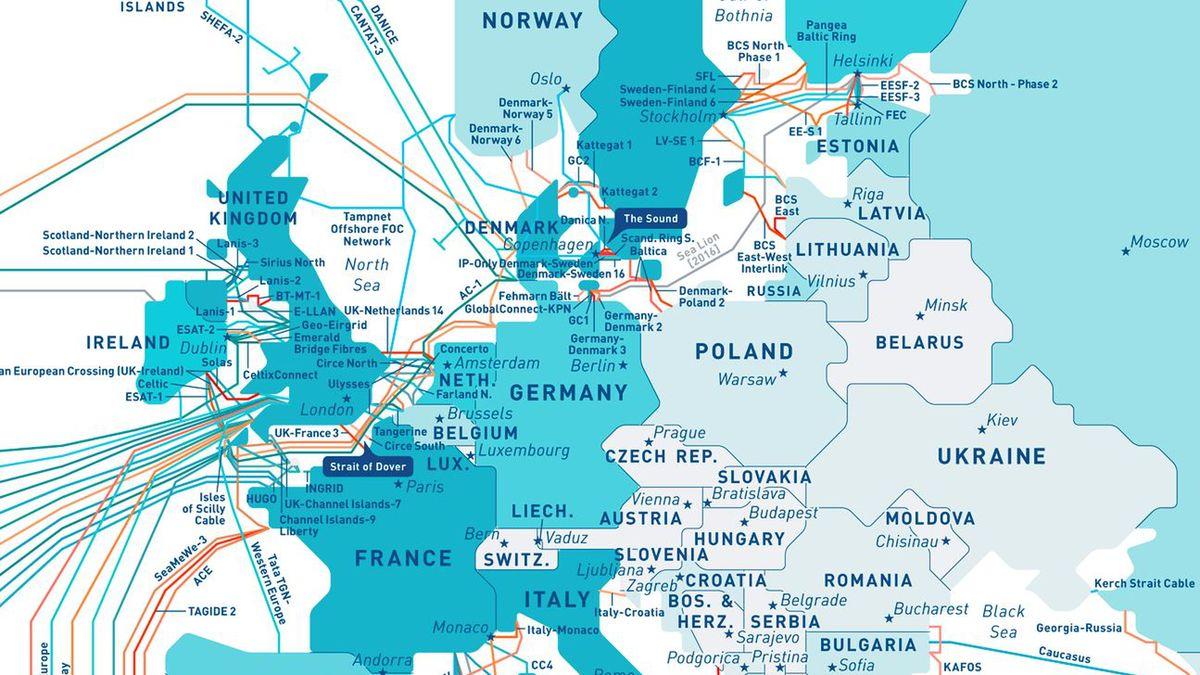
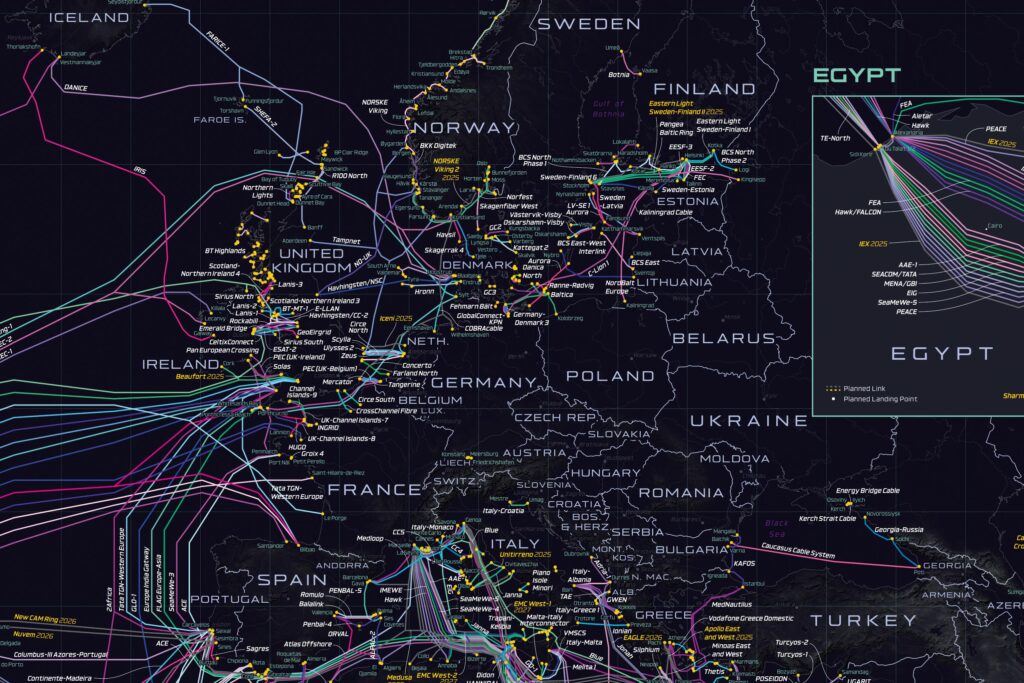
EU undersea cable security has become a major priority as European leaders move to strengthen the protection of the submarine communication and power cables that keep the internet, financial systems, cloud services, and electricity networks running. The European Union says stronger monitoring across the high seas is necessary after several incidents involving damaged underwater infrastructure raised security concerns across Europe.
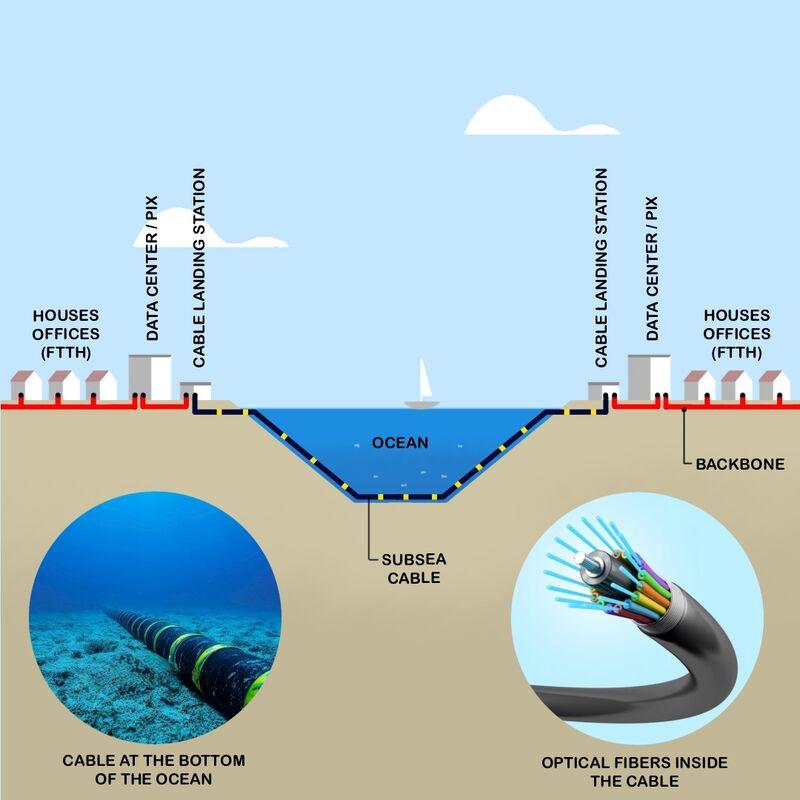
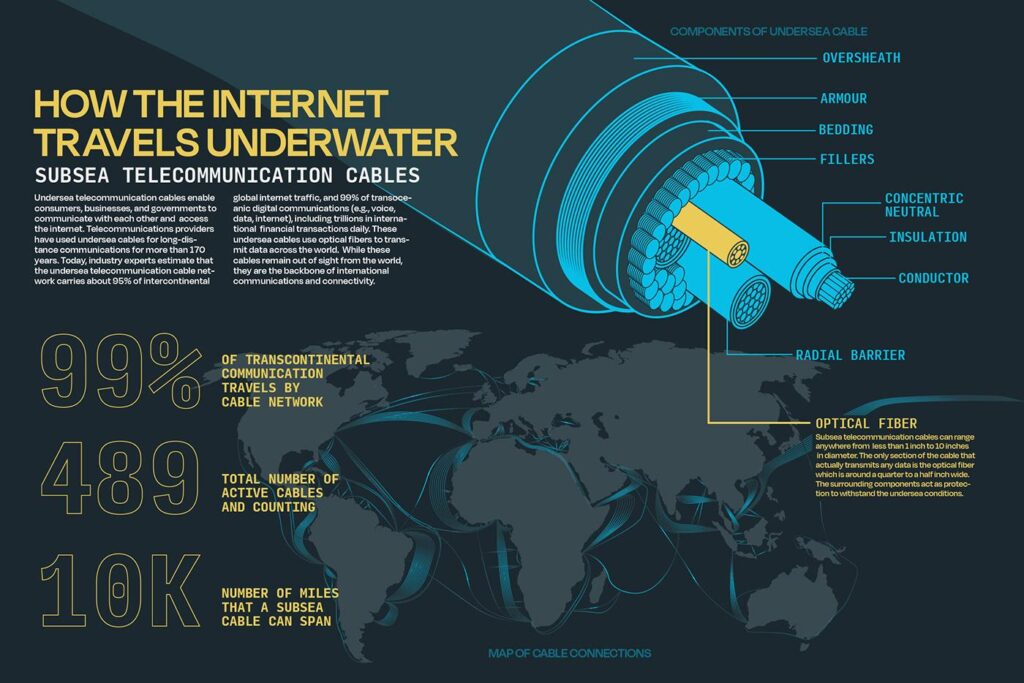
These cables are responsible for carrying nearly all intercontinental internet traffic and connect countries through electricity and digital communications. Recent disruptions in the Baltic Sea have highlighted how vulnerable this infrastructure can be. The EU now wants better surveillance, faster emergency response, stronger cooperation with NATO and member states, and improved resilience against both accidental damage and potential sabotage. Why this matters now: protecting these cables has become essential not only for Europe but also for the global economy because businesses, governments, financial institutions, and millions of internet users depend on them every day.
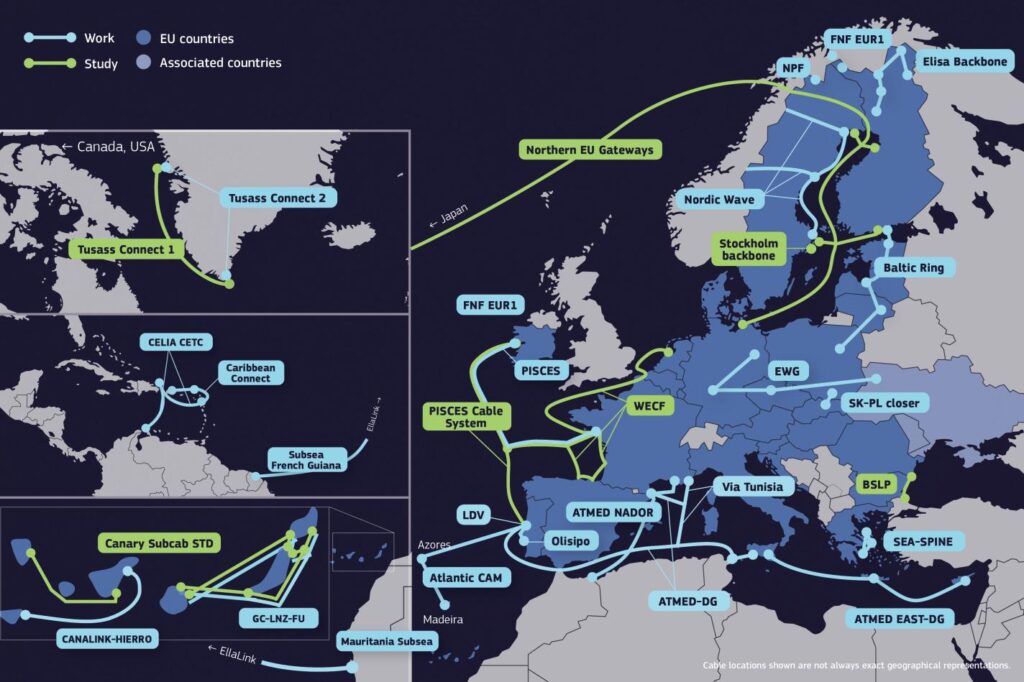
Why Submarine Cables Have Become a Strategic Security Priority
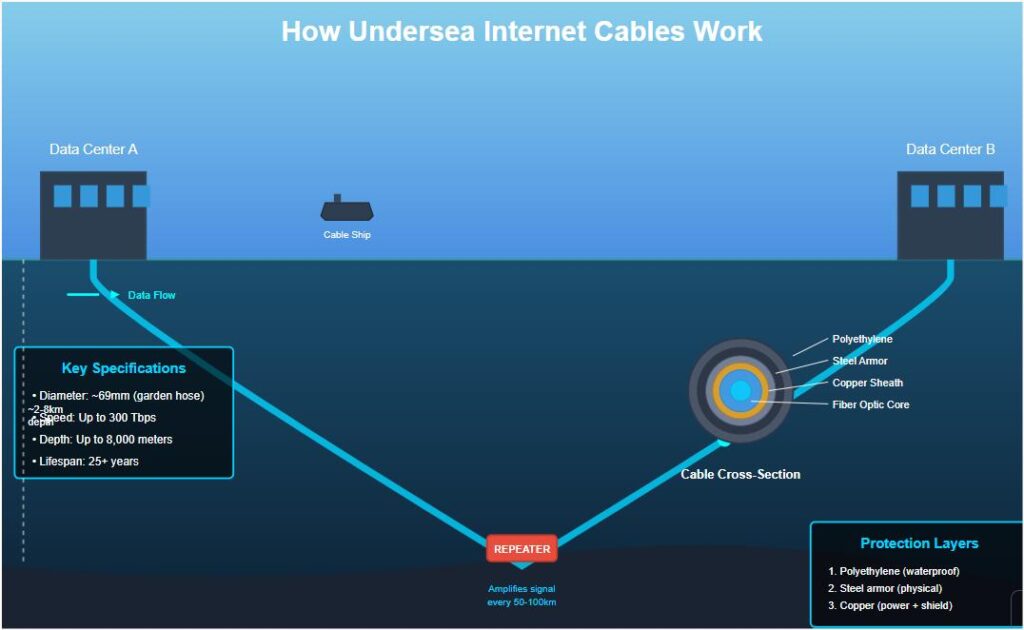
Most people never think about submarine cables, yet they are among the world’s most important pieces of infrastructure. More than 99% of international internet traffic travels through fiber-optic cables laid across the ocean floor rather than satellites. These cables connect continents, support international banking, enable cloud computing, facilitate online shopping, and allow instant communication between countries.
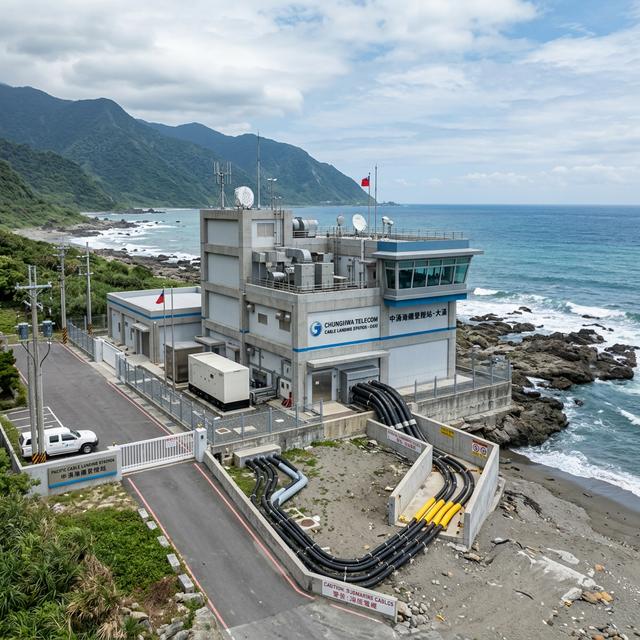
Europe also relies on submarine power cables to connect offshore renewable energy projects and national electricity grids. Damage to these cables can interrupt communications, increase electricity costs, delay business operations, and create broader economic disruption. As geopolitical tensions continue to rise, governments increasingly view these underwater networks as critical national security assets rather than simply communication infrastructure.
Recent Cable Damage Incidents Triggered Greater EU Action
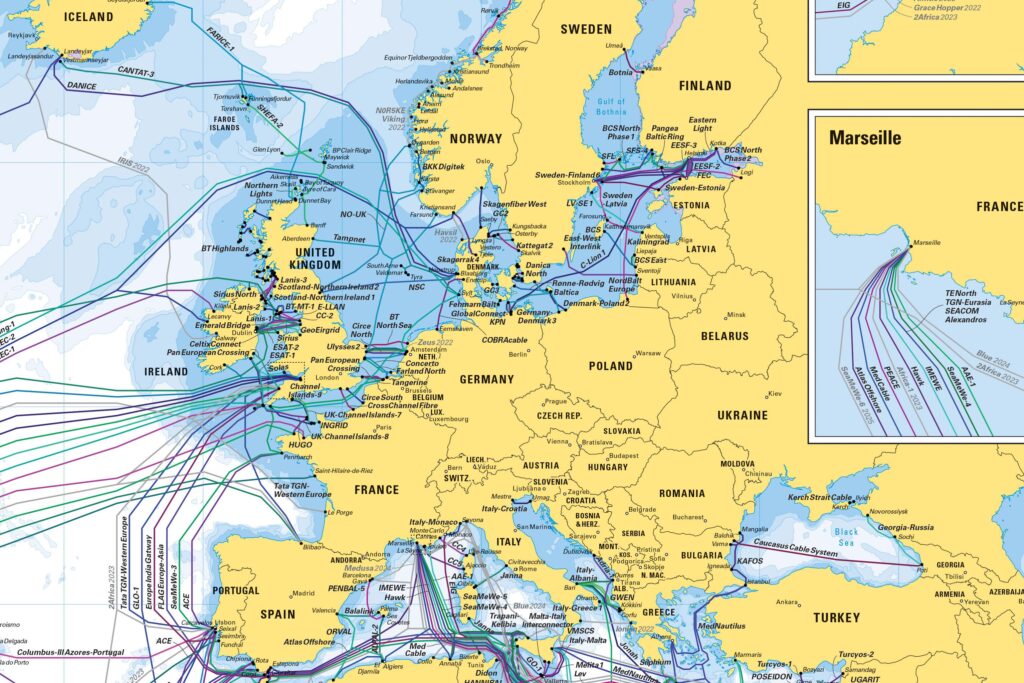
The EU’s latest security initiative follows multiple incidents involving damaged communication and energy cables, particularly in the Baltic Sea. Several investigations examined whether ship anchors or other activities may have contributed to cable failures. While not every incident has been officially confirmed as deliberate sabotage, repeated disruptions have increased concern among European governments and security agencies.
These events demonstrated how even a single damaged cable can affect internet connectivity, energy transmission, and commercial operations. Officials also worry that future attacks on multiple cables simultaneously could have much larger consequences for financial markets, government communications, emergency services, and digital infrastructure. These concerns have accelerated discussions about improving surveillance across Europe’s surrounding waters.
What the European Union Plans to Do Next
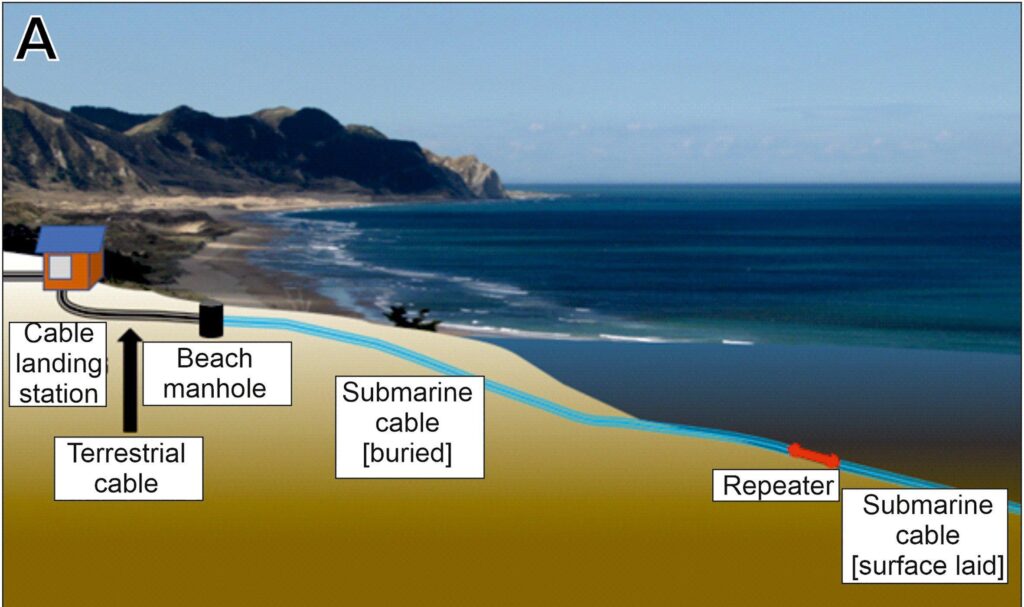
The European Commission’s action plan focuses on prevention, detection, response, recovery, and deterrence. One of its key proposals is creating an integrated surveillance mechanism that combines information from satellite systems, maritime monitoring networks, vessel tracking, and national authorities to detect unusual activity near submarine cables more quickly.
The EU also plans to support smarter cable technology capable of identifying disruptions earlier, expand cooperation between member states, establish regional monitoring hubs, and improve emergency repair capabilities through specialized cable repair vessels. Additional investments are being directed toward underwater robotics, advanced sensors, artificial intelligence, and improved coordination with NATO partners to strengthen Europe’s overall resilience.
Economic and Global Impact of Stronger Cable Protection
The importance of submarine cables extends far beyond Europe. International stock markets, payment systems, multinational corporations, cloud computing providers, streaming platforms, and global supply chains all depend on reliable international data connections. Any prolonged disruption could affect businesses and consumers across North America, Europe, Asia, and many other regions.
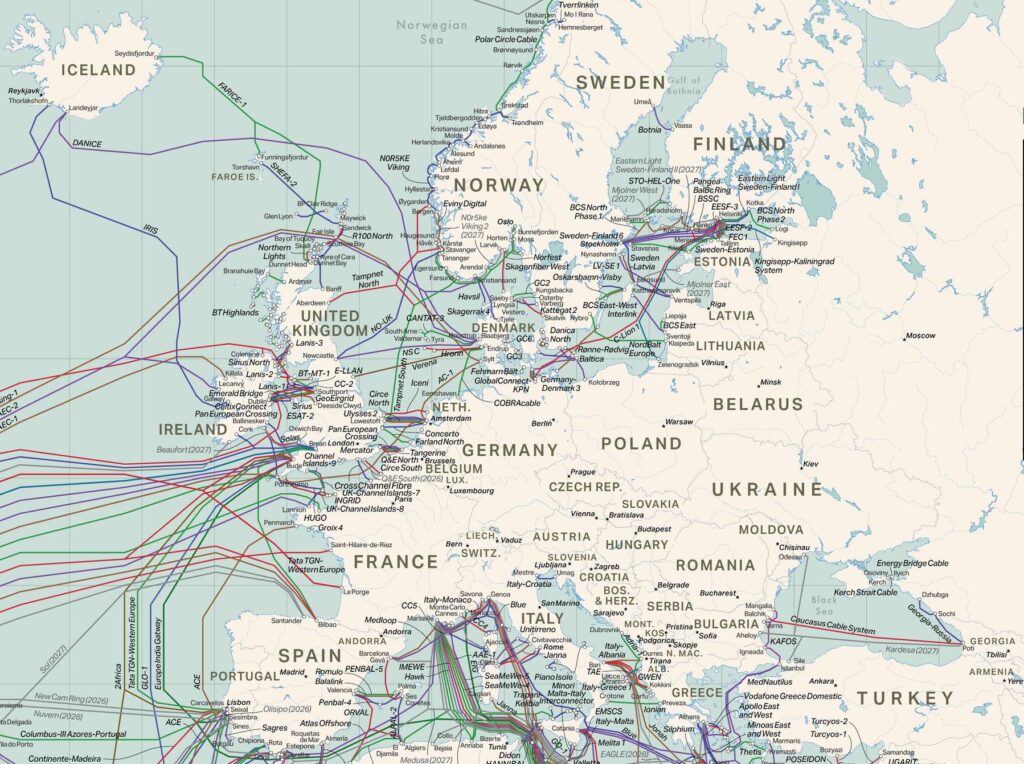
For the United States, Europe remains one of its largest economic and digital partners. Stable transatlantic communications support financial transactions, technology companies, research collaboration, defense cooperation, and cross-border commerce. Improving cable protection therefore benefits not only European countries but also international businesses and users worldwide who depend on uninterrupted digital connectivity.
Challenges That Still Remain
Monitoring thousands of kilometers of underwater infrastructure is an enormous technical challenge. Most submarine cables lie deep beneath the ocean, making continuous surveillance difficult and expensive. Weather conditions, heavy shipping traffic, fishing activities, and natural geological events all create additional risks that require different protective strategies.
Another major challenge is determining whether damage is accidental or intentional. Investigations often require extensive forensic analysis, international cooperation, and maritime evidence before officials can draw firm conclusions. Balancing stronger security measures with international maritime law will also remain an important consideration as the EU expands its monitoring capabilities across international waters.
Looking Ahead as Europe Strengthens Digital Resilience
The EU’s latest initiative reflects a broader shift toward protecting critical infrastructure against increasingly complex security threats. Beyond repairing damaged cables, policymakers are focusing on preventing disruptions before they occur through improved surveillance, better technology, stronger partnerships, and faster emergency response systems. Continued investments in monitoring, cybersecurity, and infrastructure resilience are expected to play an increasingly important role over the coming years.
As digital economies continue expanding and global dependence on high-speed communications grows, protecting submarine cable networks will likely remain a strategic priority for governments around the world. The success of these efforts may shape the future reliability of global internet connectivity, international commerce, and energy security for decades to come.
Subscribe to trusted news sites like USnewsSphere.com for continuous updates.