Trump suggests U.S. strikes on Mexican drug cartels in what has become one of the most controversial national security statements of the 2026 political cycle, reigniting fierce debate over sovereignty, international law, and America’s role in combating transnational crime. The remarks, delivered during a public appearance and later echoed in interviews, signal a dramatic escalation in rhetoric around drug trafficking organizations that U.S. officials blame for fentanyl deaths and cross-border violence.


While no formal military plan has been announced, the suggestion alone has sent ripples through Washington, Mexico City, and global diplomatic circles. Supporters argue decisive action is overdue, while critics warn such strikes could destabilize relations with Mexico and set a dangerous precedent.
This article explores what Trump said, why the issue has resurfaced now, how Mexico and U.S. officials are responding, and what this proposal could mean for security, diplomacy, and the 2026 election landscape.
What Trump Said and Why It Matters Now
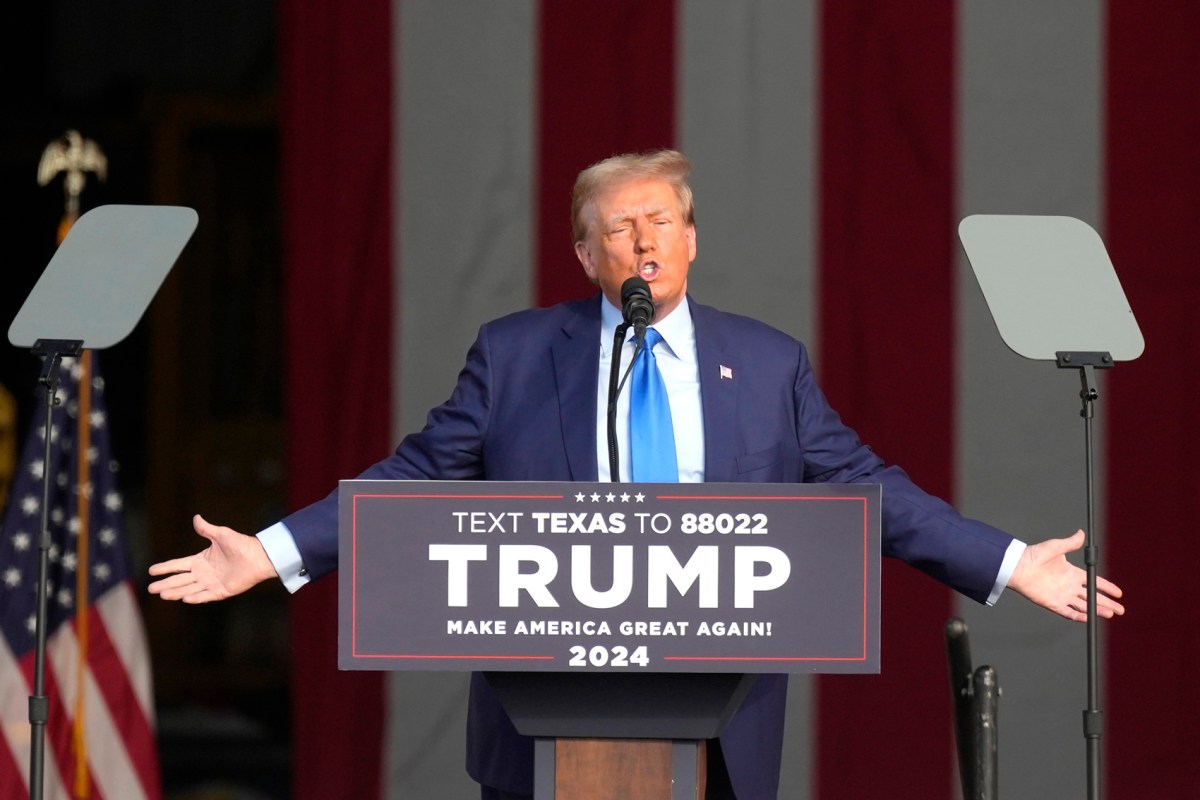
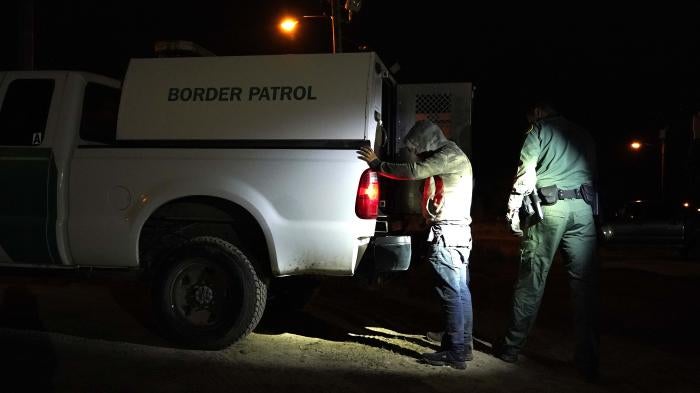


During recent remarks, Donald Trump suggested that the United States may need to take direct action against powerful Mexican drug cartels, including potential strikes inside Mexico. He framed the idea as a response to what he described as an unprecedented national security emergency driven by fentanyl trafficking, cartel violence, and the inability—or unwillingness—of Mexican authorities to fully dismantle these organizations.
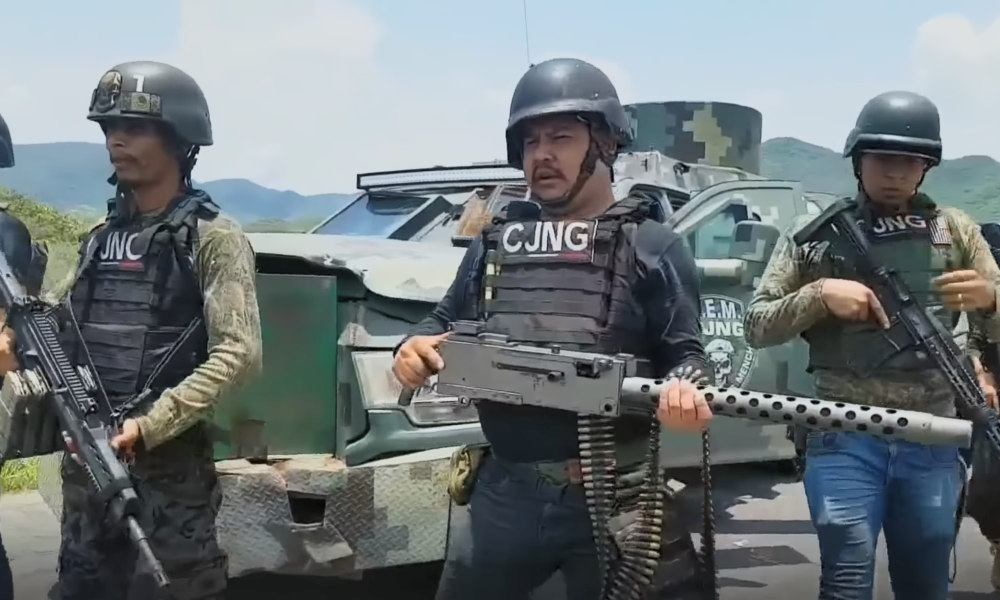
Trump emphasized that drug cartels operate like foreign terrorist networks, using military-grade weapons, controlling territory, and fueling an opioid crisis that kills tens of thousands of Americans each year. From his perspective, traditional law-enforcement cooperation has failed to stop the flow of deadly narcotics into U.S. communities.
The timing is critical. Fentanyl overdose deaths remain a dominant political issue, border security continues to rank among top voter concerns, and foreign policy strength is a defining theme of Trump’s 2026 messaging. By floating the idea of military action, Trump is signaling a tougher, more unilateral approach that resonates strongly with parts of his political base.
The Drug Cartel Threat and the Fentanyl Crisis
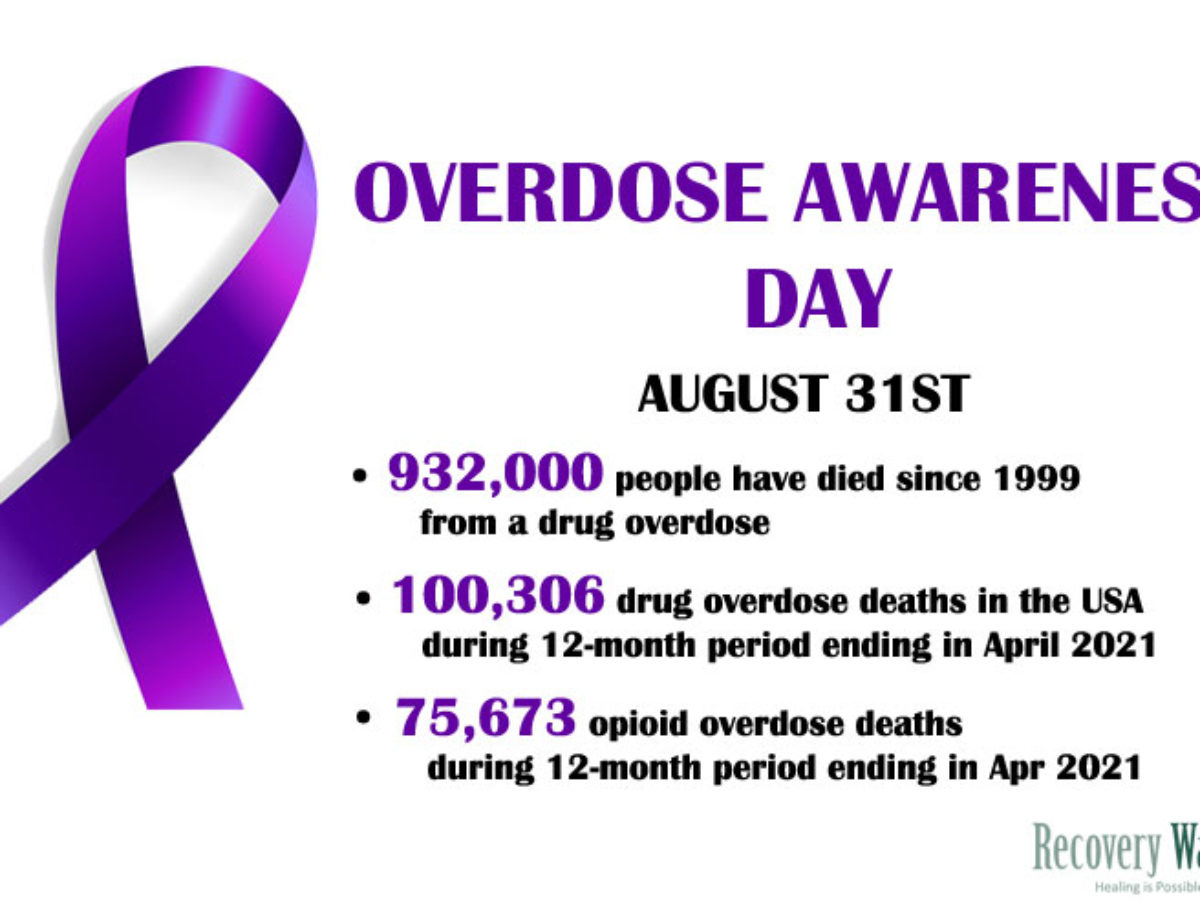
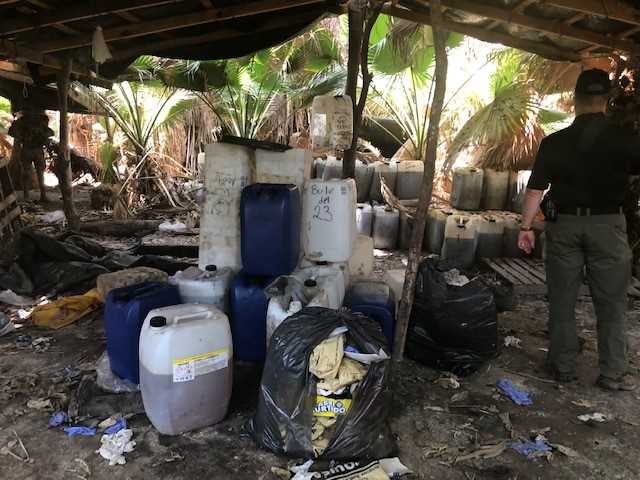

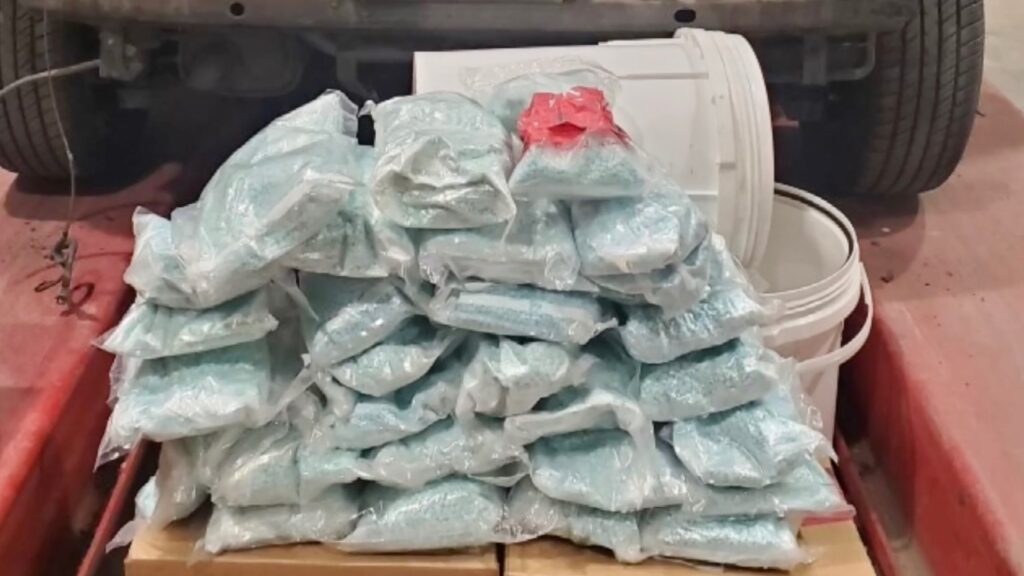
Mexican drug cartels are no longer just smuggling groups; they are complex transnational criminal organizations with global supply chains. Groups such as the Sinaloa Cartel and Jalisco New Generation Cartel are deeply involved in producing and trafficking fentanyl, a synthetic opioid far more potent than heroin.
According to U.S. health and law-enforcement data, fentanyl has become the leading cause of overdose deaths among adults aged 18–49 in the United States. Lawmakers from both parties increasingly describe the crisis as a national emergency, though they differ sharply on solutions.
Trump and his allies argue that cartels function as de facto armed forces, controlling regions of Mexico and threatening U.S. security. They claim that treating these groups as terrorist-like entities could justify extraordinary measures, including cross-border military operations.
Opponents counter that fentanyl production depends heavily on global chemical supply chains, including precursors sourced from outside Mexico, and that military strikes would do little to solve the underlying demand and public health issues fueling drug abuse.
Mexico’s Likely Response and Sovereignty Concerns

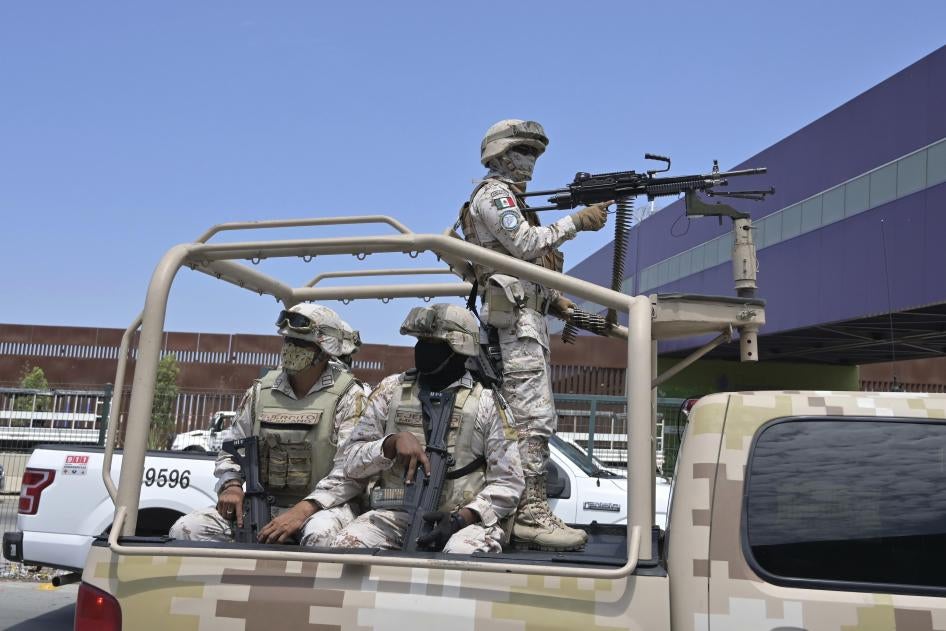

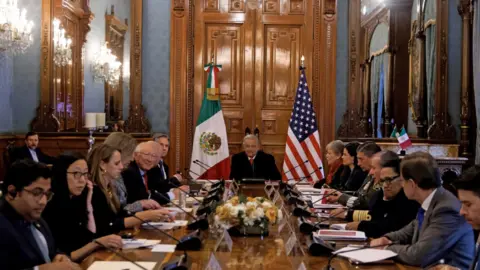
Any U.S. military action inside Mexico without consent would immediately raise serious sovereignty issues. Mexican leaders across the political spectrum have historically rejected foreign military operations on their soil, viewing them as violations of national independence.
The government of Mexico has consistently stated that cartel violence must be addressed through domestic law enforcement, judicial reform, and bilateral cooperation—not unilateral force. Even administrations that maintain strong security ties with Washington have drawn clear red lines against U.S. troops or airstrikes operating independently in Mexican territory.
Analysts warn that even the suggestion of strikes could strain diplomatic relations, complicate intelligence sharing, and fuel nationalist backlash within Mexico. Such fallout could paradoxically weaken joint efforts against cartels by undermining trust between agencies.
At the same time, Mexico faces immense internal pressure. Cartel violence remains high in several regions, and public frustration over security failures is growing. This creates a complex political environment in which cooperation with the U.S. is necessary but politically sensitive.
Legal and Military Questions Inside the United States
From a legal standpoint, U.S. strikes on Mexican cartels would face significant hurdles. Military action abroad typically requires congressional authorization unless framed as an act of self-defense under existing authorities. Whether drug cartels qualify as legitimate military targets under U.S. or international law remains highly contested.
Some lawmakers have proposed designating major cartels as foreign terrorist organizations, which could expand legal tools for sanctions, asset seizures, and potentially military action. Trump has repeatedly expressed interest in such designations.
Military experts caution that targeting cartels is fundamentally different from conventional warfare. Cartel networks are decentralized, embedded within civilian populations, and capable of rapid adaptation. Strikes could eliminate leaders but also trigger violent power struggles, increasing instability rather than reducing it.
There are also risks to U.S. personnel and civilians. Any sustained operation would likely require intelligence cooperation on the ground, raising questions about escalation and unintended consequences.
Political Impact Ahead of the 2026 Election Cycle
Trump’s remarks are already shaping political narratives as the 2026 election season intensifies. For supporters, the proposal reinforces his image as a leader willing to take bold action where others hesitate. It aligns with broader themes of border control, law and order, and national strength.
Critics, including many Democrats and some Republicans, describe the idea as reckless and inflammatory. They argue it could damage alliances, destabilize a neighboring country, and distract from evidence-based solutions such as addiction treatment, economic development, and international cooperation.
Public opinion remains divided. Polls consistently show strong concern about drugs and border security, but far less consensus on military solutions. How this debate evolves may influence not only Trump’s campaign but also broader U.S. foreign policy discussions.
How This Fits Into Broader U.S.–Mexico Relations
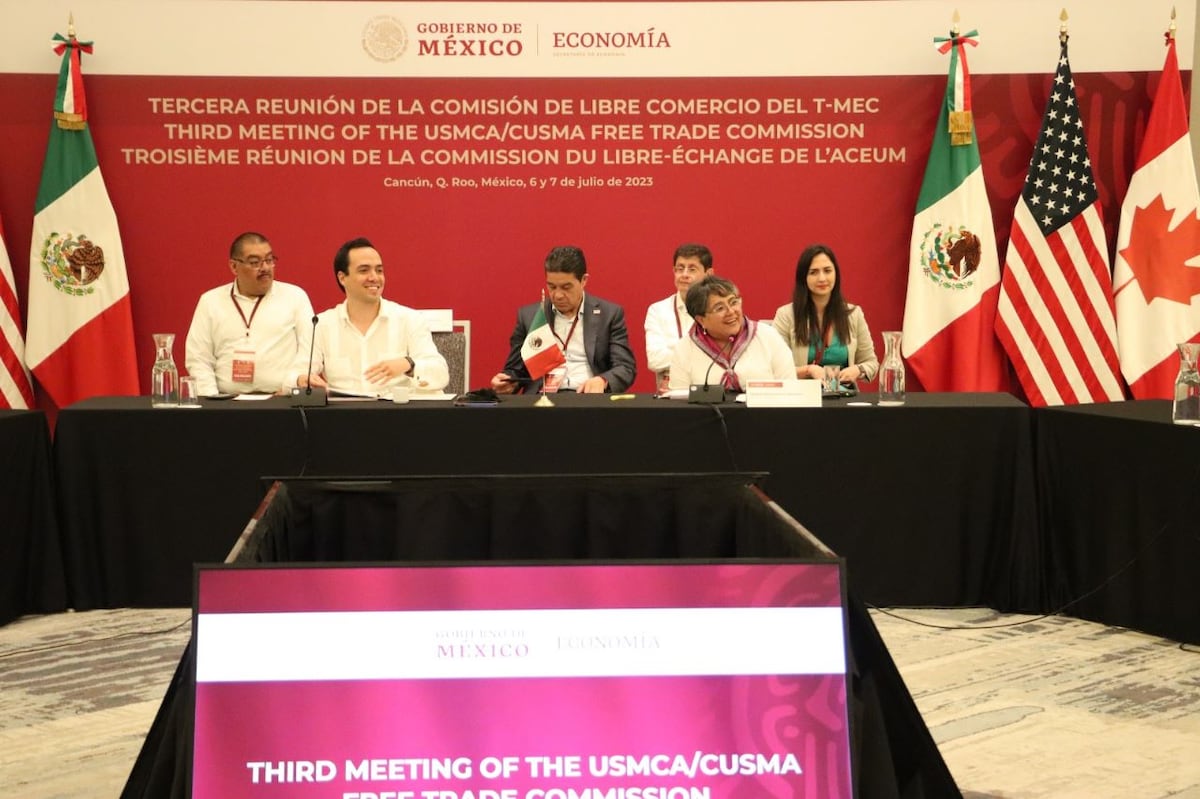

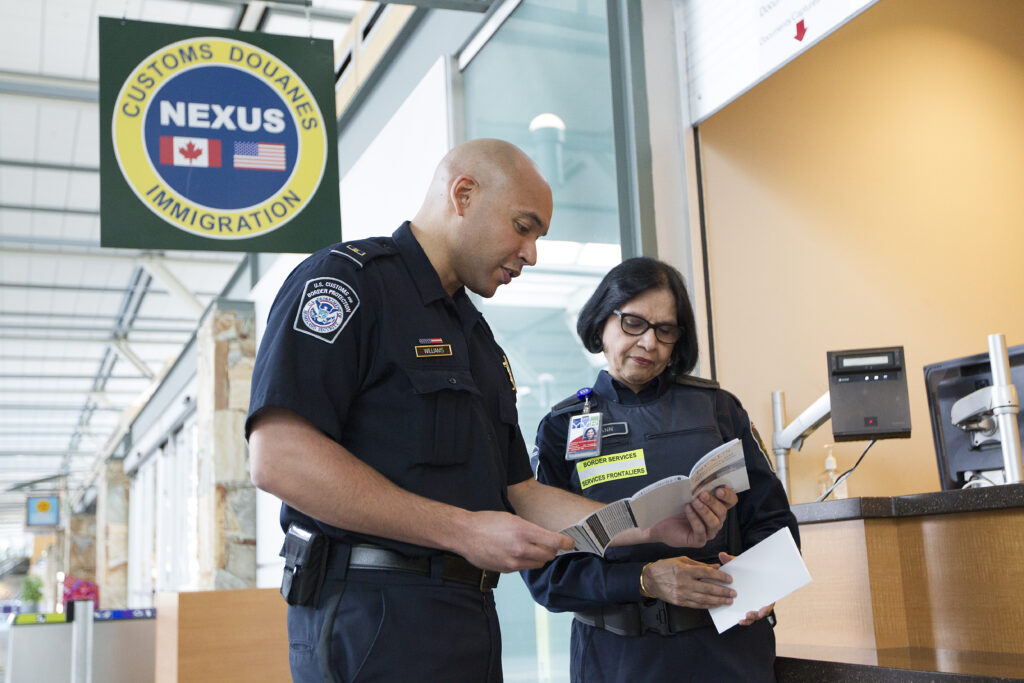
U.S.–Mexico relations are deeply interconnected, encompassing trade, migration, security, and cultural ties. Both economies depend heavily on cross-border commerce, and millions of families span the border.
Security cooperation has historically included intelligence sharing, training, and joint operations targeting organized crime. While imperfect, these partnerships have achieved notable successes, including major arrests and seizures.
Unilateral military action would represent a sharp break from this cooperative model. Experts warn it could trigger retaliatory measures, reduce collaboration, and complicate efforts to manage migration and trade.
At the same time, pressure from Washington may push Mexico to intensify its own enforcement efforts. The long-term impact will depend on whether rhetoric turns into policy—and how both governments choose to respond.
What Happens Next and Why This Story Matters
For now, Trump’s comments remain a proposal rather than a policy. No official U.S. plan has been announced, and current administrations continue to emphasize cooperation with Mexico. Still, the remarks reflect a growing frustration among U.S. voters and officials over the persistent fentanyl crisis.
The debate highlights a fundamental question: should transnational criminal organizations be treated primarily as law-enforcement challenges or as military threats? The answer will shape future strategies, budgets, and diplomatic relationships.
As the 2026 election approaches, this issue is likely to remain in the spotlight. Whether through legislation, executive action, or campaign rhetoric, the idea of confronting cartels more aggressively is gaining traction—and controversy.
Conclusion: A High-Stakes Proposal With Far-Reaching Consequences
Trump suggests U.S. strikes on Mexican drug cartels at a moment of intense political, social, and security pressure in the United States. While the proposal appeals to voters demanding decisive action against fentanyl and organized crime, it raises profound legal, diplomatic, and strategic questions.
Any move toward military action would reshape U.S.–Mexico relations, test international law, and redefine how nations confront transnational crime. Whether this idea remains rhetoric or evolves into policy, it underscores the urgency of addressing the drug crisis in ways that are effective, lawful, and sustainable.
Subscribe to trusted news sites like USnewsSphere.com for continuous updates.