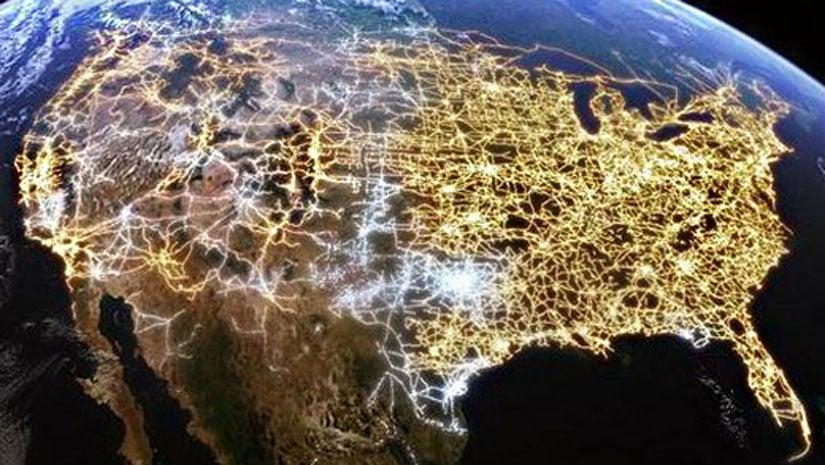
U.S. Energy Policy Under Fire: Court Rulings, Federal Grants, and the Future of America’s Clean Energy Economy has become one of the most important economic and political stories of 2026. Recent legal battles over federal clean energy grants, government funding decisions, and energy development priorities have intensified debate over the future direction of America’s energy strategy. Policymakers, businesses, investors, utility companies, and consumers are all closely watching developments that could influence billions of dollars in investment and determine how the United States balances energy security, affordability, and environmental goals in the years ahead.
Who is involved? Federal agencies, state governments, energy developers, utility companies, investors, and consumers. What happened? Court rulings have challenged decisions involving federal energy funding and grant programs. Why does it matter? These disputes affect investment certainty, infrastructure development, and long-term energy planning. What is the impact? The outcome could influence job creation, electricity costs, energy security, and the pace of America’s clean energy transition.
Legal Challenges Are Reshaping Energy Policy Decisions
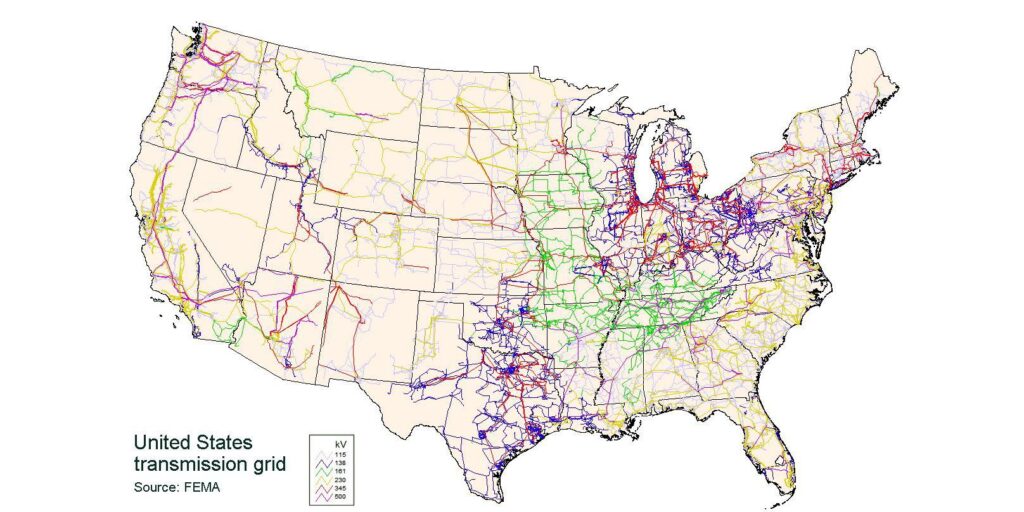
Energy policy increasingly intersects with the legal system. Courts are playing a major role in determining how federal agencies implement funding programs, environmental regulations, and energy development initiatives. Recent rulings have raised important questions about the authority of government agencies and the process used to distribute federal grants.
For energy companies and investors, legal uncertainty can create significant challenges. Large-scale infrastructure projects often require years of planning and billions of dollars in capital investment. When funding decisions become subject to legal disputes, businesses may delay projects until there is greater clarity regarding future policy direction.
The growing number of court challenges reflects broader disagreements over energy priorities. Supporters of clean energy programs argue that federal investments help accelerate innovation and strengthen long-term competitiveness. Critics often contend that market forces should play a larger role in determining which technologies receive funding.
Federal Grants Have Become a Major Battleground
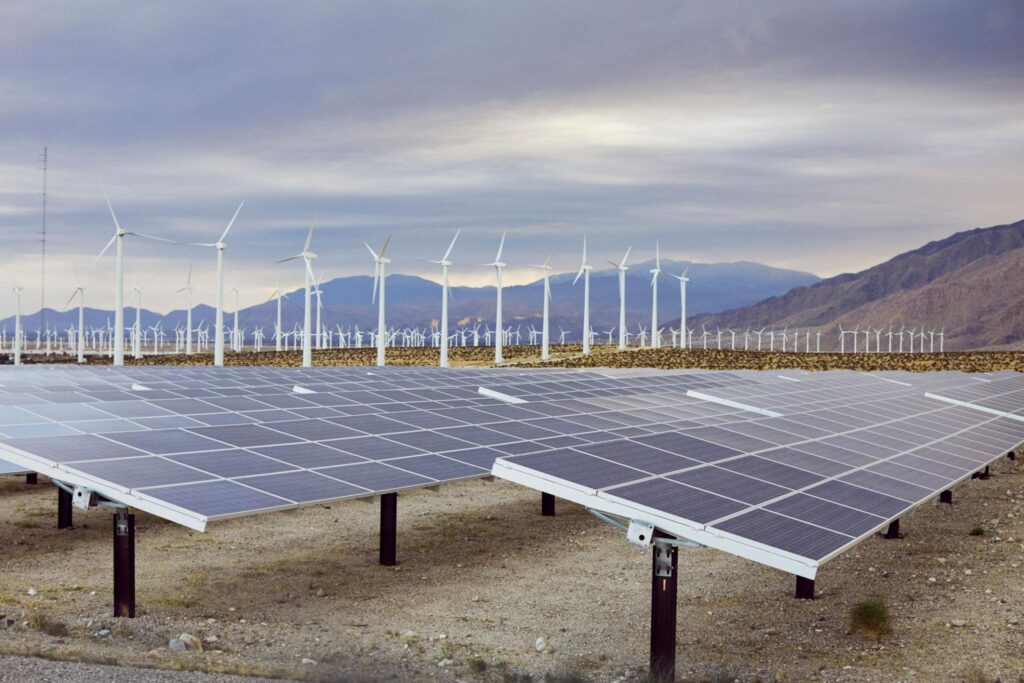
Federal grant programs have become central to America’s clean energy strategy. These programs support projects involving renewable energy, battery manufacturing, electric vehicles, grid modernization, hydrogen technology, and advanced energy infrastructure. Supporters argue that these investments help create jobs, strengthen domestic manufacturing, and reduce dependence on foreign supply chains.
The scale of federal support has attracted significant attention. Billions of dollars have been allocated toward projects designed to expand energy production, improve efficiency, and modernize aging infrastructure. Many communities view these investments as opportunities to attract new industries and stimulate local economic growth.
At the same time, debates continue regarding how grants are awarded and whether funding decisions are achieving intended objectives. Legal disputes surrounding grant programs demonstrate how closely these investments are being scrutinized by lawmakers, businesses, and taxpayers.
The Economic Stakes Are Higher Than Ever
America’s energy economy represents one of the largest sectors of the national economy. Energy production, transmission, manufacturing, construction, and technology development support millions of jobs across the country. Decisions made today could influence economic growth for decades.
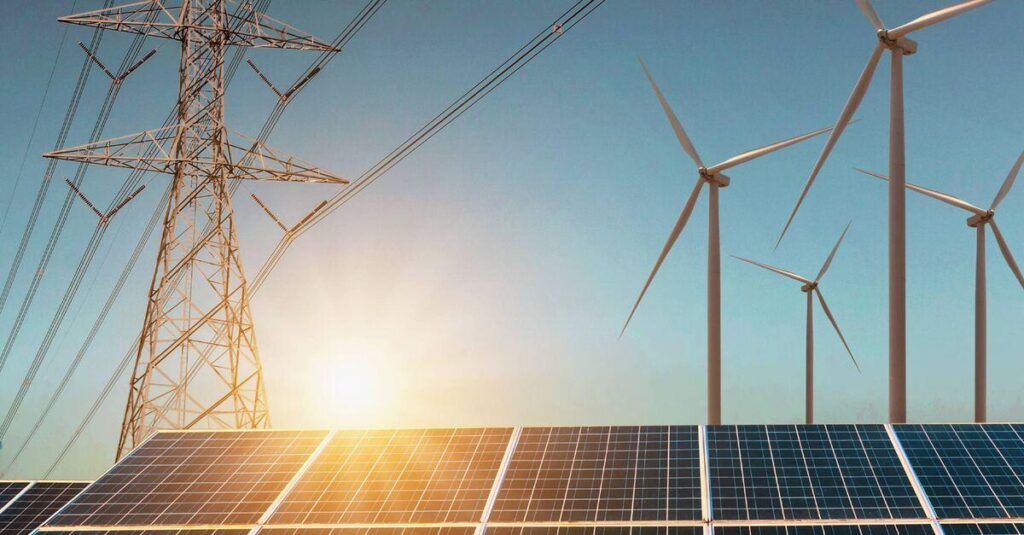
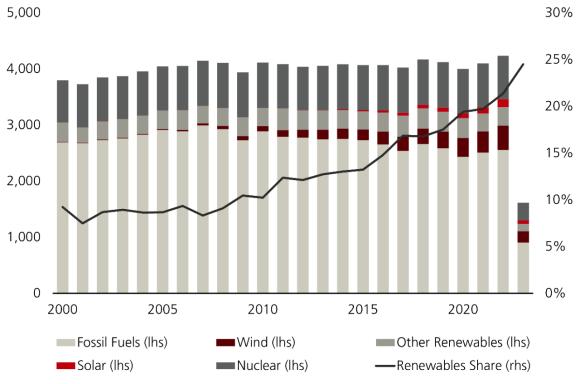
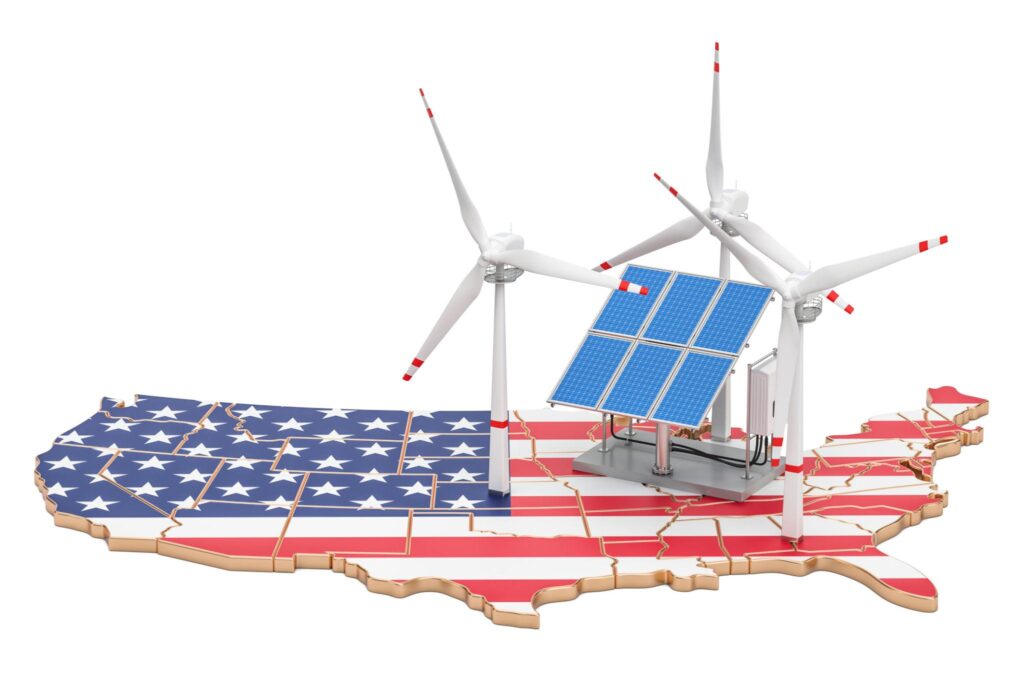
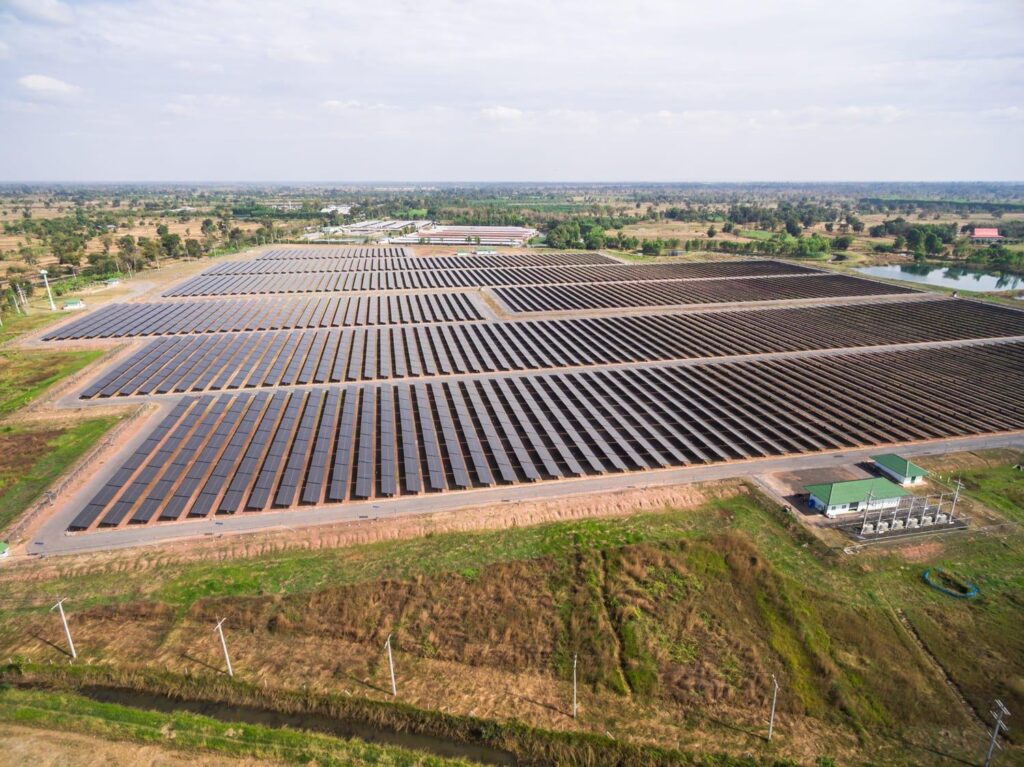
Clean energy investment has expanded significantly in recent years. Solar projects, wind farms, battery facilities, and advanced manufacturing plants have attracted billions in private-sector capital. Many investors believe long-term demand for energy infrastructure will remain strong as electricity consumption increases due to artificial intelligence, data centers, electric vehicles, and industrial modernization.
Economic competitiveness has become a major theme in energy discussions. Policymakers increasingly view energy leadership as a strategic advantage that can influence manufacturing strength, technology development, and national security. As a result, energy policy decisions often extend beyond environmental considerations and become part of broader economic planning.

Investors Are Watching the Energy Transition Closely
Financial markets are paying close attention to policy developments because government decisions can significantly influence investment opportunities. Energy companies operating in renewable power, battery technology, transmission infrastructure, and advanced manufacturing may benefit from supportive policies and stable funding environments.
Traditional energy companies are also adapting to changing market conditions. Many firms continue investing in oil and natural gas production while simultaneously expanding into lower-carbon technologies. Investors are increasingly evaluating how businesses balance current profitability with long-term transition strategies.
Market participants understand that energy transitions rarely occur in a straight line. Regulatory changes, technological breakthroughs, commodity price fluctuations, and political developments can all affect investment performance. This complexity explains why investors continue monitoring policy developments closely.
Risks and Challenges Facing the Clean Energy Economy
Despite strong investment activity, several challenges remain. Grid infrastructure upgrades are needed to support growing electricity demand and integrate new sources of power generation. Permitting delays, supply chain constraints, and workforce shortages can also slow project development.
Financing conditions represent another important factor. Interest rates influence the economics of many large-scale energy projects because developers often rely on significant upfront capital expenditures. Changes in borrowing costs can affect project viability and investment decisions.
Policy uncertainty remains a recurring concern. Businesses generally prefer stable regulatory environments because long-term planning becomes easier when rules remain predictable. Frequent policy changes or prolonged legal disputes can reduce confidence and delay investment activity.
The Future of America’s Energy Economy
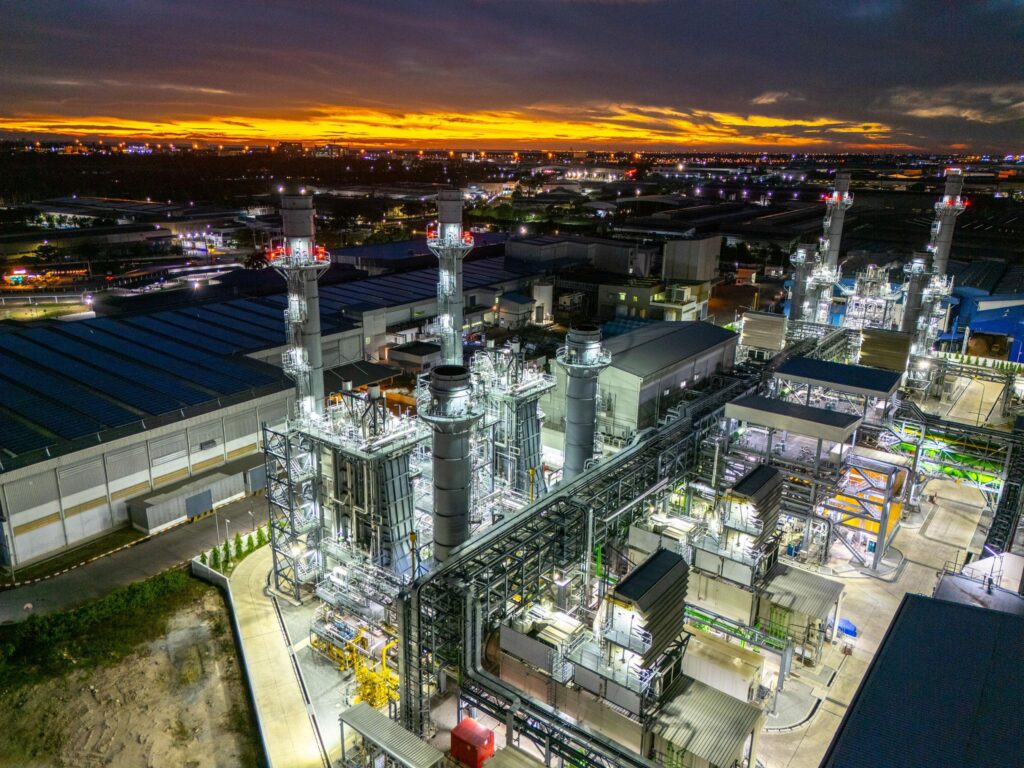
The future of U.S. energy policy will likely be shaped by a combination of market forces, technological innovation, legal decisions, and political priorities. Energy demand is expected to grow as digital infrastructure expands and industries modernize. Meeting that demand while maintaining affordability and reliability will remain a major challenge.
Technological progress could play an important role. Advances in battery storage, grid management, hydrogen production, carbon capture, and energy efficiency may help improve the economics of clean energy deployment. Continued innovation could also reduce costs and accelerate adoption across multiple sectors.
The debate surrounding energy policy is unlikely to disappear. However, many experts agree that energy security, economic competitiveness, and infrastructure modernization will remain central priorities regardless of political differences. These shared objectives may help guide future policy decisions.
What This Means for You
Consumers could ultimately feel the effects of energy policy decisions through electricity prices, employment opportunities, infrastructure investments, and economic growth. Communities receiving new energy projects may benefit from construction activity, tax revenue, and job creation.
Businesses that depend on affordable and reliable energy are also closely monitoring developments. Manufacturing, transportation, technology, and industrial sectors all rely on stable energy supplies to remain competitive. Policy decisions affecting infrastructure investment can therefore have broad economic consequences.
Investor Takeaway
Investors should recognize that energy remains one of the most strategically important sectors of the economy. Legal rulings, grant programs, and regulatory developments can create both risks and opportunities across multiple industries.
Companies involved in power generation, grid infrastructure, battery technology, advanced manufacturing, and energy services may continue attracting attention as policymakers and businesses focus on long-term energy needs. Understanding policy trends could become increasingly important for evaluating future investment opportunities.
Future Outlook
Looking ahead, court rulings and federal funding decisions will likely continue influencing the pace and direction of America’s energy transition. The balance between energy security, affordability, environmental goals, and economic competitiveness will remain at the center of policy debates.
While uncertainty remains, one trend appears clear: energy infrastructure investment is expected to remain a major focus of public and private capital. The companies and technologies that successfully navigate this evolving landscape may play a significant role in shaping the future American economy.
Subscribe to trusted news sites like USnewsSphere.com for continuous updates.