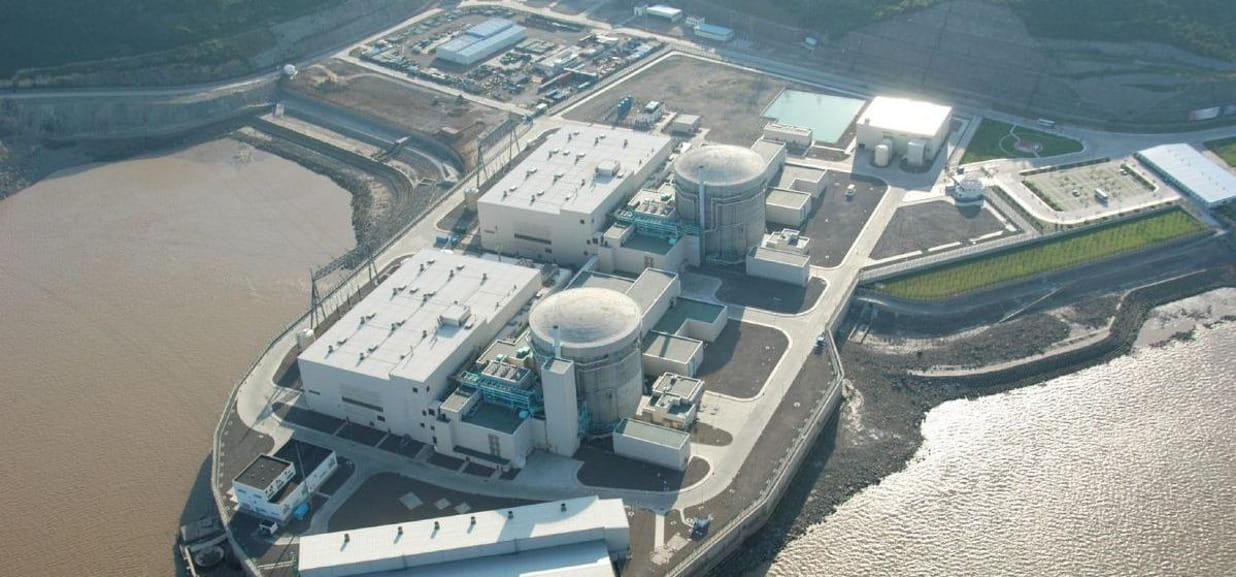
Romania’s nuclear reactors became the center of Europe’s energy crisis after authorities announced the shutdown of reactors at the Cernavodă Nuclear Power Plant because the Danube River reached exceptionally low water levels during a severe heatwave. The reactors depend on river water for cooling, and officials said the move was a precaution to protect equipment and maintain nuclear safety. The shutdown comes as electricity demand rises sharply due to widespread air conditioning use across Europe.
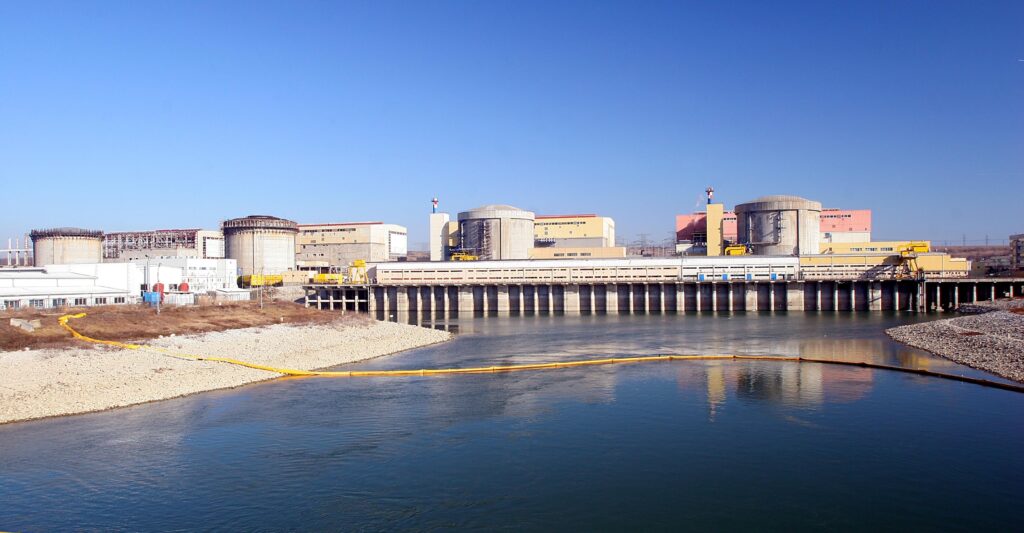
Why this matters now: Romania’s nuclear plant supplies around 20% of the country’s electricity, making it one of the nation’s most important energy sources. The disruption highlights how climate-driven drought and extreme heat are increasingly affecting energy security across Europe, forcing countries to balance electricity demand with safe operation of critical infrastructure.
Historic Danube River Conditions Force Emergency Action
Romania’s state-owned nuclear power company, Nuclearelectrica, announced controlled reactor shutdowns after forecasts showed the Danube River had fallen to one of its lowest levels in decades. The cooling systems at the Cernavodă Nuclear Power Plant rely on sufficient river flow to safely remove heat generated during electricity production.
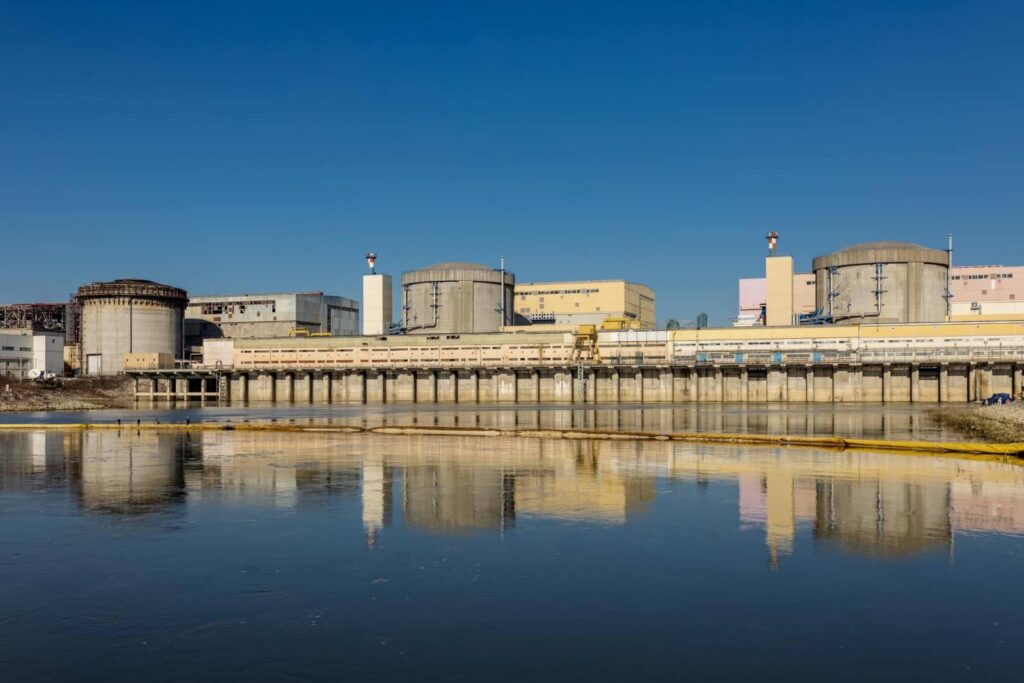
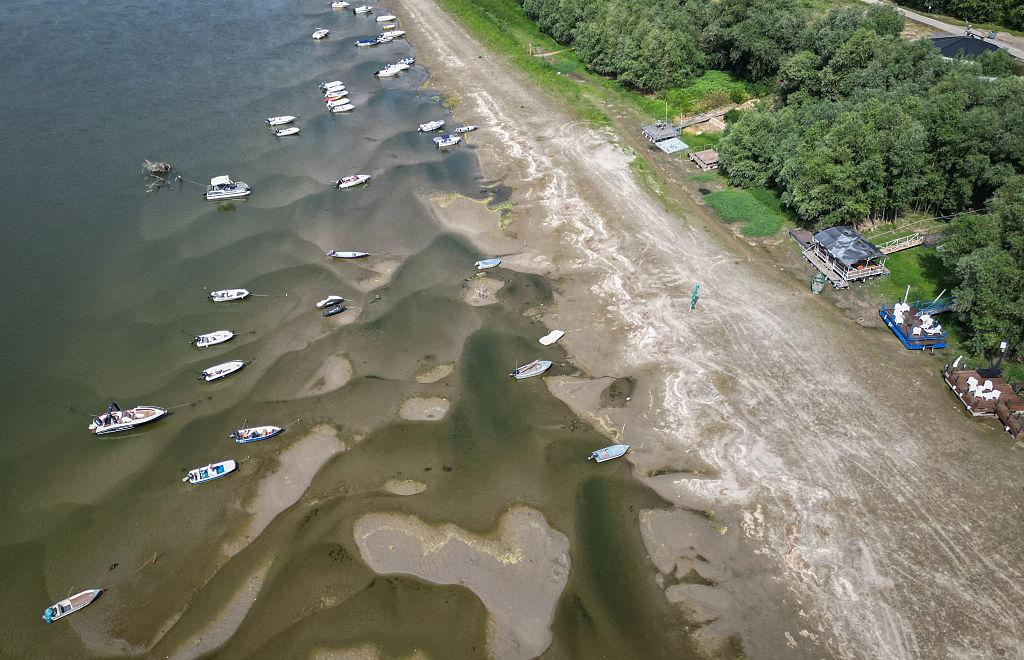
Hydrology experts reported that water flow at Romania’s border dropped to approximately 1,650 cubic meters per second, far below the normal July average of around 4,750 cubic meters per second. Forecasts suggested the river could decline even further, approaching historically low levels not seen since the mid-1980s. Authorities stressed that the shutdown was a preventive safety measure rather than a response to any technical failure or nuclear emergency.
How Important Is the Cernavodă Nuclear Power Plant?
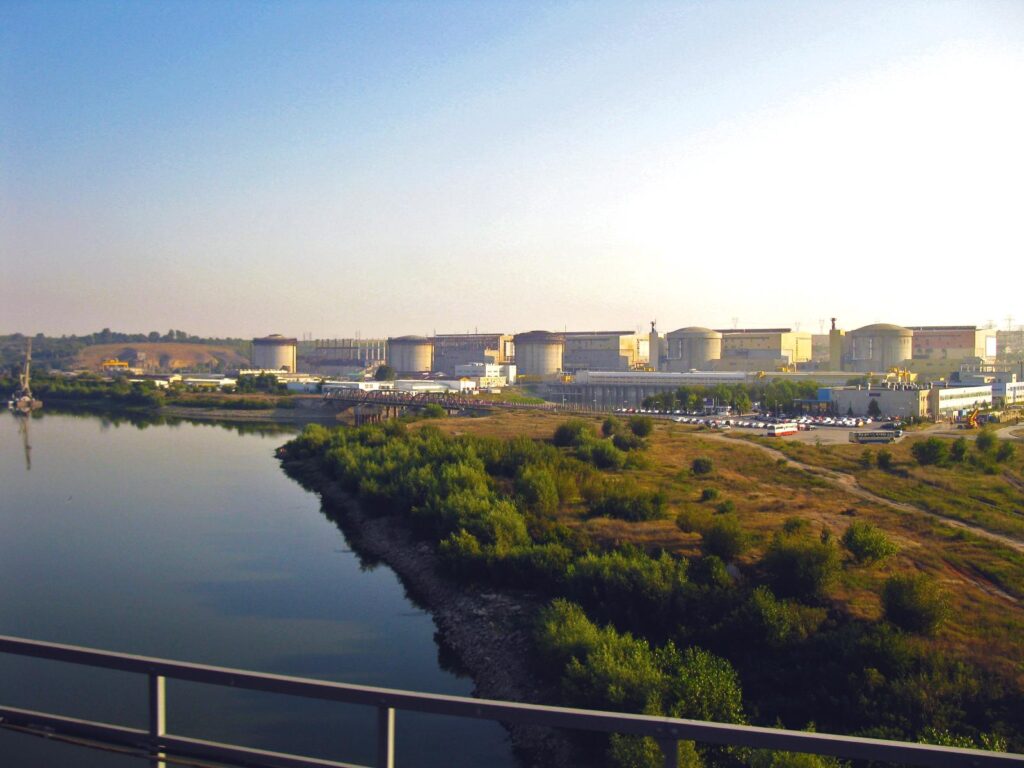
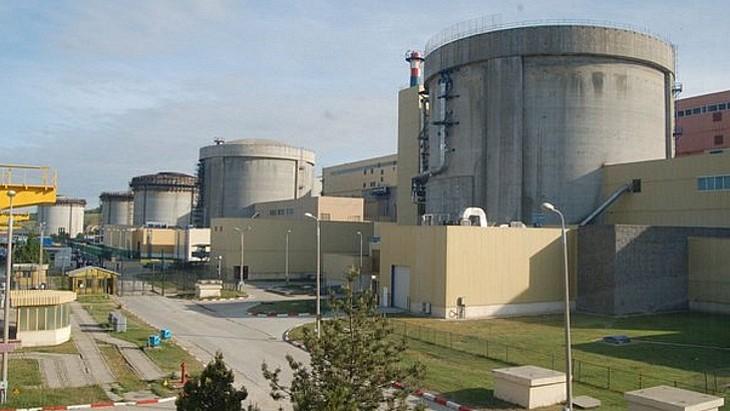
The Cernavodă Nuclear Power Plant is one of Romania’s most valuable energy assets. It operates two CANDU reactors, each producing roughly 706 megawatts of electricity. Together, they normally generate nearly one-fifth of Romania’s total electricity supply and help reduce dependence on imported fossil fuels.
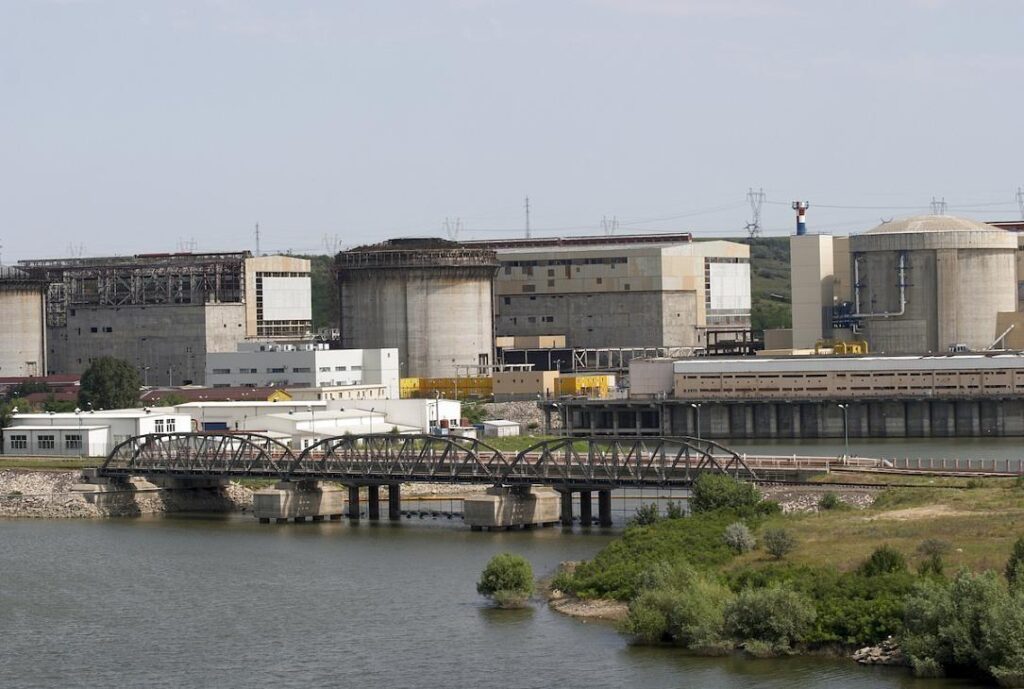
The plant has historically provided stable, low-carbon electricity throughout the year. Unlike solar and wind energy, nuclear power offers continuous baseload generation regardless of weather conditions. However, like many nuclear facilities worldwide, Cernavodă depends on reliable water supplies for cooling, making prolonged drought a growing operational challenge.
The simultaneous impact on both reactors is considered highly unusual. According to reports, this is the first time both units have faced shutdowns linked to extremely low Danube water levels.
Europe’s Heatwave Is Putting Energy Systems Under Pressure
Romania is not the only country experiencing problems. Across Europe, record-breaking temperatures have increased electricity demand as millions of homes and businesses rely heavily on air conditioning.
Neighboring Hungary has also reduced output at its Paks Nuclear Power Plant because of the same low Danube water levels. Similar challenges have affected parts of France in previous summers, where high river temperatures and reduced water availability have forced temporary reductions in nuclear generation.
Scientists have increasingly warned that climate change is making heatwaves, droughts, and water shortages more frequent. These conditions create new challenges for power stations that require large volumes of cooling water. The current situation demonstrates how weather extremes are becoming an important factor in electricity planning across Europe.
Impact on Romania’s Electricity Supply and Consumers
The reactor shutdowns are expected to increase Romania’s reliance on imported electricity while domestic production remains below normal demand. Before the latest shutdown announcement, officials estimated peak electricity demand at approximately 7.3 gigawatts, while available domestic production had fallen well below that level.
Energy experts say electricity prices could remain elevated if hot weather continues. During heatwaves, electricity demand rises significantly as cooling systems operate for longer periods. If renewable energy production declines during evening hours, imported electricity may become increasingly important for maintaining grid stability.
Romanian officials have encouraged households and businesses to reduce unnecessary electricity use during evening peak hours. Simple actions such as adjusting air conditioner settings, delaying energy-intensive activities, and improving energy efficiency can help reduce pressure on the national grid.
Climate Change Is Reshaping Energy Infrastructure
The situation in Romania illustrates a broader trend affecting energy infrastructure worldwide. Nuclear plants, hydroelectric dams, coal stations, and even some gas-fired facilities depend on reliable water resources for cooling or electricity generation.
Extended droughts reduce river flows, while higher air and water temperatures limit cooling efficiency. At the same time, hotter weather increases electricity consumption, creating a difficult combination for grid operators.
Energy analysts increasingly argue that countries need more resilient electricity systems combining nuclear power, renewable energy, battery storage, improved transmission networks, and demand-management technologies. Greater investment in climate adaptation may also become essential to protect existing infrastructure against more frequent extreme weather events.
The Danube’s unusually low water levels have also disrupted commercial shipping, tourism, river cruises, and cargo transportation, demonstrating that prolonged drought affects multiple sectors of the European economy beyond electricity generation.
What Happens Next?
Authorities continue monitoring Danube water levels and weather forecasts to determine when full reactor operations can safely resume. Officials have indicated the situation could last from several days to one or two weeks depending on rainfall, river flow, and temperature conditions.
Energy market observers will closely watch electricity prices, cross-border power imports, and weather forecasts throughout the coming weeks. The event may also influence future discussions about strengthening Europe’s energy resilience against climate-related disruptions.
Although officials emphasize that nuclear safety has not been compromised, the incident serves as a reminder that even highly reliable energy infrastructure can face unexpected operational challenges from extreme environmental conditions. Governments across Europe are likely to examine whether additional investments in cooling technology, water management, and grid flexibility will be needed to reduce similar risks in the future.
Subscribe to trusted news sites like USnewsSphere.com for continuous updates.