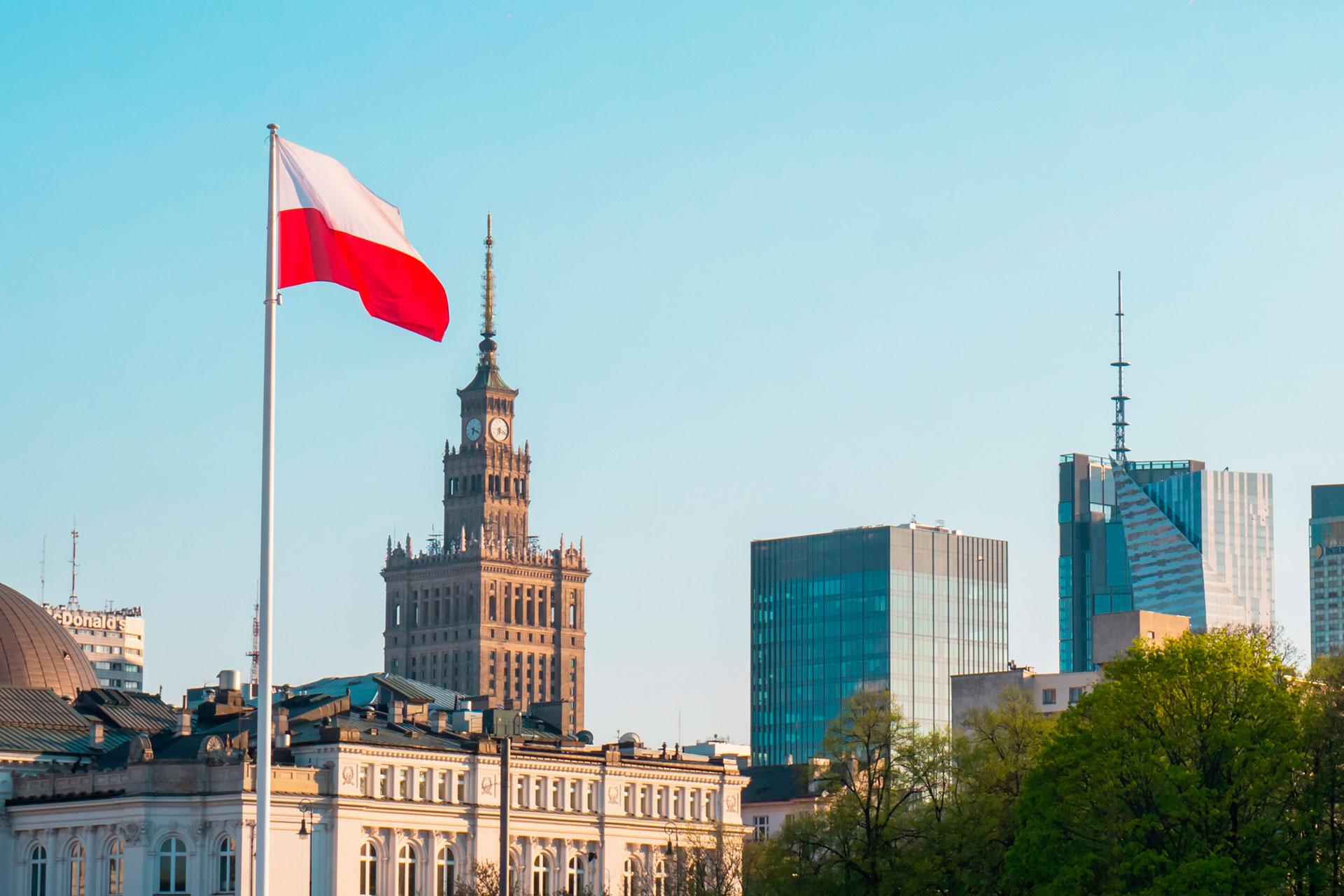
Most Poles oppose compulsory military service, according to a new national opinion survey, even as security concerns across Europe continue to grow following Russia’s ongoing war against Ukraine. The latest findings show that a majority of Polish citizens do not want mandatory military conscription to return, while a much larger share supports compulsory military training for both men and women instead.
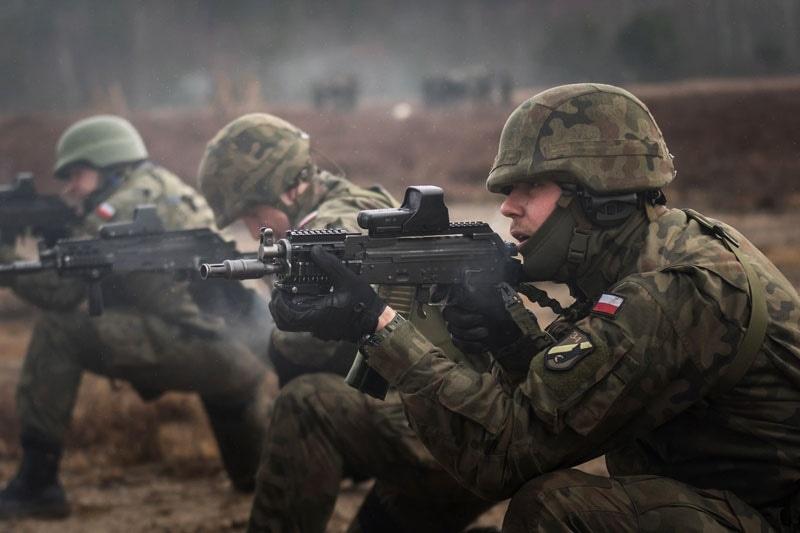
The survey highlights an important shift in public opinion at a time when Poland is investing heavily in national defense, expanding its armed forces, and strengthening NATO’s eastern border. Who? Polish citizens. What? Most reject restoring compulsory military service. Why? Many appear to favor modern military preparedness without bringing back full conscription. Impact? The results could influence future defense policies and public debate across Poland and Europe. Why this matters now: Security remains one of Europe’s biggest concerns, making public support an important factor in long-term military planning.
New Survey Shows Majority Against Bringing Back Conscription
The latest IBRiS survey found that 51.1% of respondents oppose restoring compulsory military service, while 37.7% support the proposal. Around 11.2% said they had no opinion. The results suggest that, despite growing regional security challenges, most Poles are still reluctant to return to a mandatory draft system that was suspended more than a decade ago.
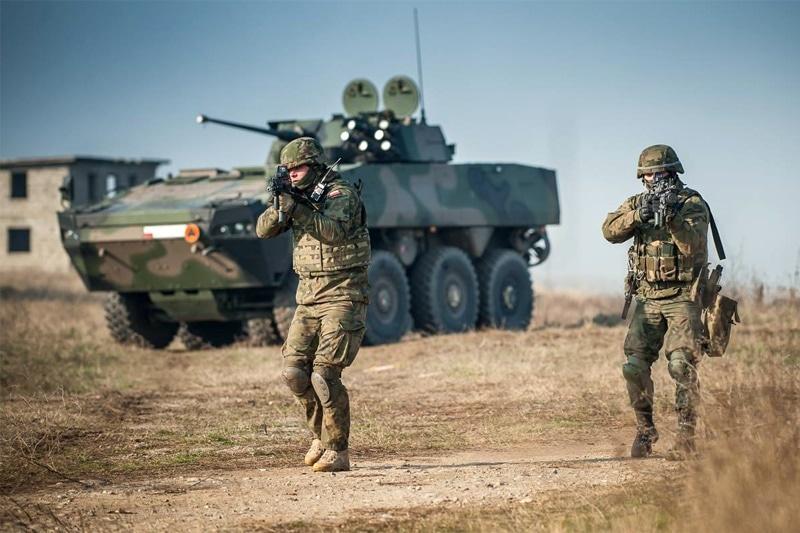
Supporters of compulsory service were divided between those who strongly favored the idea and those who were somewhat supportive. However, opposition remained higher across multiple political groups, including supporters of both government and opposition parties, indicating that skepticism extends beyond traditional political divisions.
Military Training Receives Much Stronger Public Backing
While compulsory military service remains unpopular, the survey revealed overwhelming support for another proposal. Approximately 76.6% of respondents favor compulsory military training for both men and women, while only 17.6% oppose the idea.
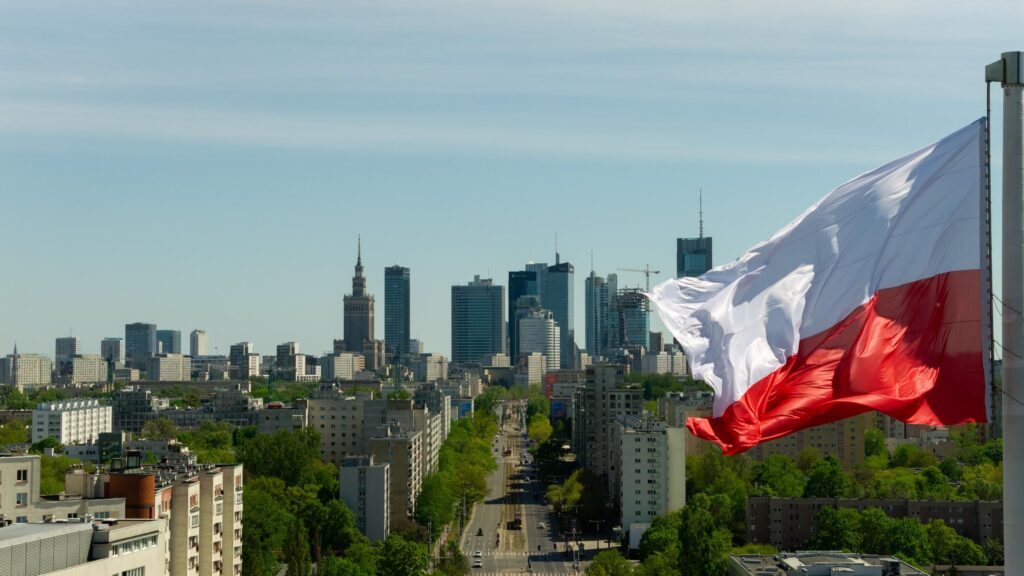
This difference suggests that many people distinguish between long-term mandatory military service and shorter, structured military training programs that teach emergency preparedness, first aid, national defense basics, and crisis response. Such programs are increasingly viewed as practical ways to improve national resilience without requiring extended military service.
Why Poland’s Defense Debate Has Intensified
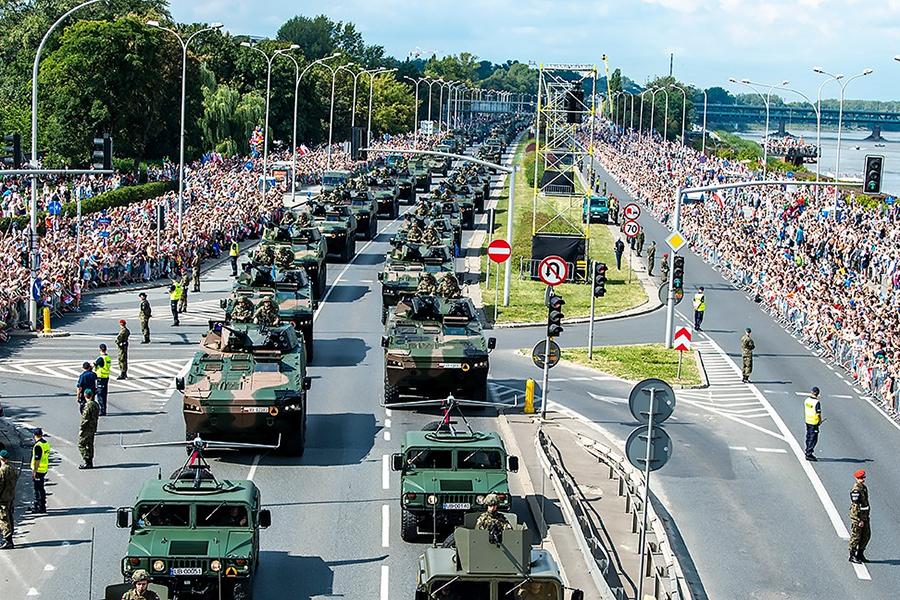
Poland’s defense policies have changed dramatically since Russia launched its full-scale invasion of Ukraine in February 2022. As one of NATO’s frontline members bordering Belarus and close to Ukraine, Poland has significantly increased military spending, modernized equipment, and expanded recruitment.
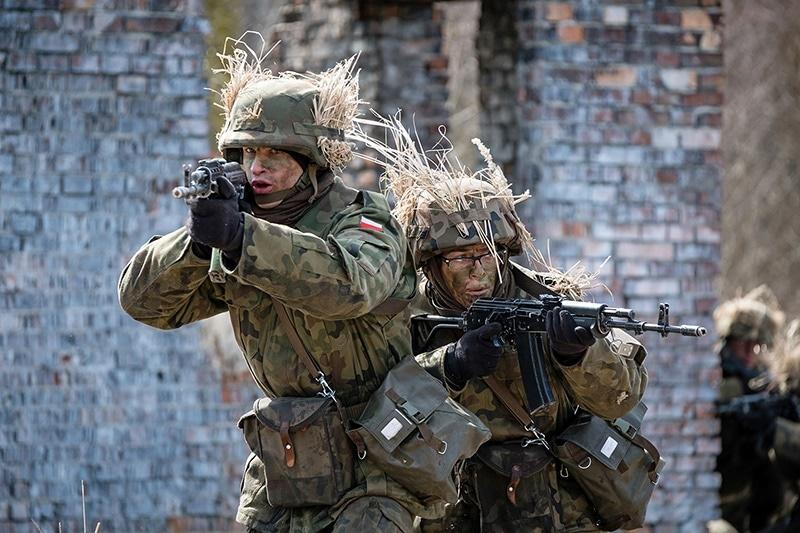
The country has become one of NATO’s highest defense spenders relative to its economy and continues investing in new tanks, missile defense systems, aircraft, artillery, and border security. Officials have repeatedly emphasized the importance of maintaining strong armed forces amid ongoing regional instability. These broader security developments have naturally fueled discussions about whether compulsory military service should return.
Public Opinion Reflects a Balanced Approach to National Security
The survey suggests many Poles support stronger national defense while preferring voluntary or limited military participation rather than mandatory conscription. Analysts note that younger adults, women, and highly educated respondents have generally shown greater opposition to restoring compulsory military service in recent polling.
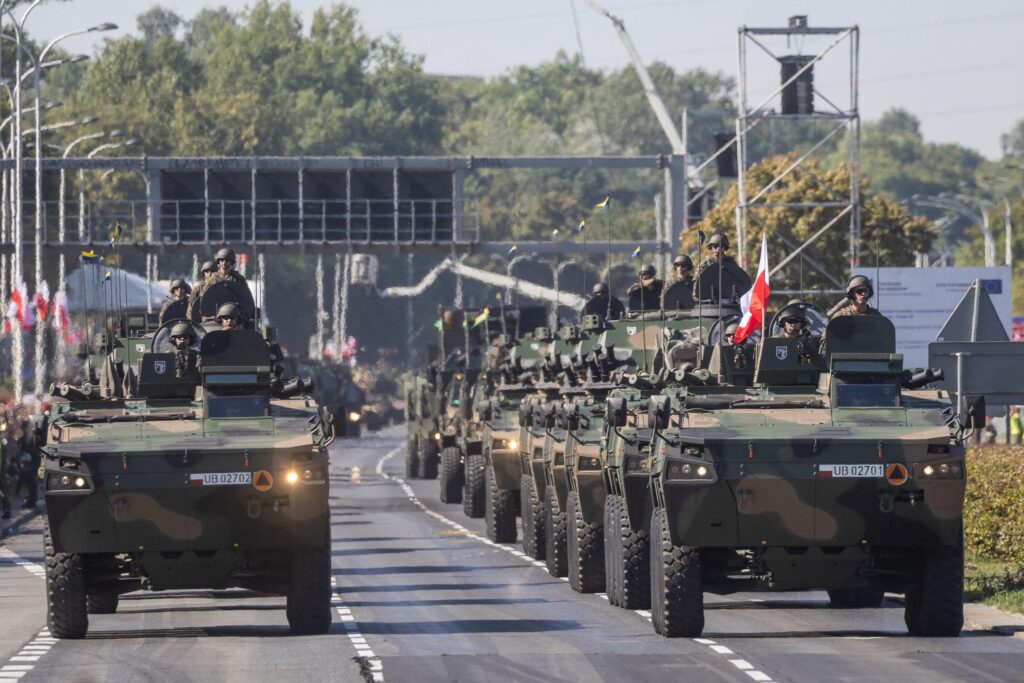
At the same time, public support for military readiness remains strong. Programs offering voluntary military training have attracted thousands of participants in recent years, demonstrating that many citizens are willing to contribute to national defense without a full return to compulsory service. This balanced approach may explain why military training receives much broader approval than mandatory enlistment.
What Could This Mean for Poland’s Future Defense Policy?
Although public opinion does not directly determine government policy, surveys like this provide valuable insight into how citizens view national security. Lawmakers may consider expanding voluntary training programs, reserve forces, and civilian preparedness initiatives instead of reintroducing universal conscription.
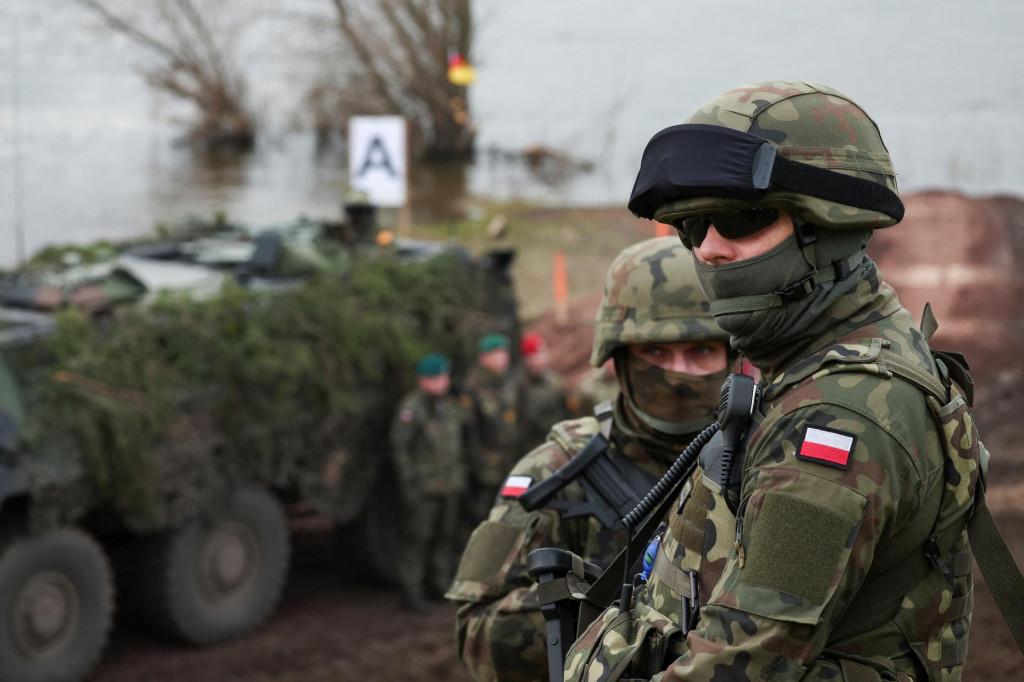
Defense experts have increasingly argued that modern security challenges require a combination of professional armed forces, trained reserves, advanced technology, cybersecurity capabilities, and well-prepared civilians. Public support for military training could encourage policymakers to strengthen these areas while avoiding measures that lack broad public backing.
Why This Story Matters Beyond Poland
The debate in Poland reflects a broader conversation taking place across Europe. Since the start of the war in Ukraine, several European countries have reviewed their defense strategies, increased military budgets, and expanded reserve forces. Some nations have also reconsidered forms of mandatory service or national preparedness programs.
For NATO allies, Poland plays a critical strategic role on the alliance’s eastern flank. Public attitudes toward defense policies in Poland may therefore influence wider discussions about military readiness, civilian preparedness, and regional security cooperation across Europe. While governments continue strengthening defense capabilities, the latest survey indicates that many citizens prefer flexible military training over the return of compulsory military service.
Subscribe to trusted news sites like USnewsSphere.com for continuous updates.