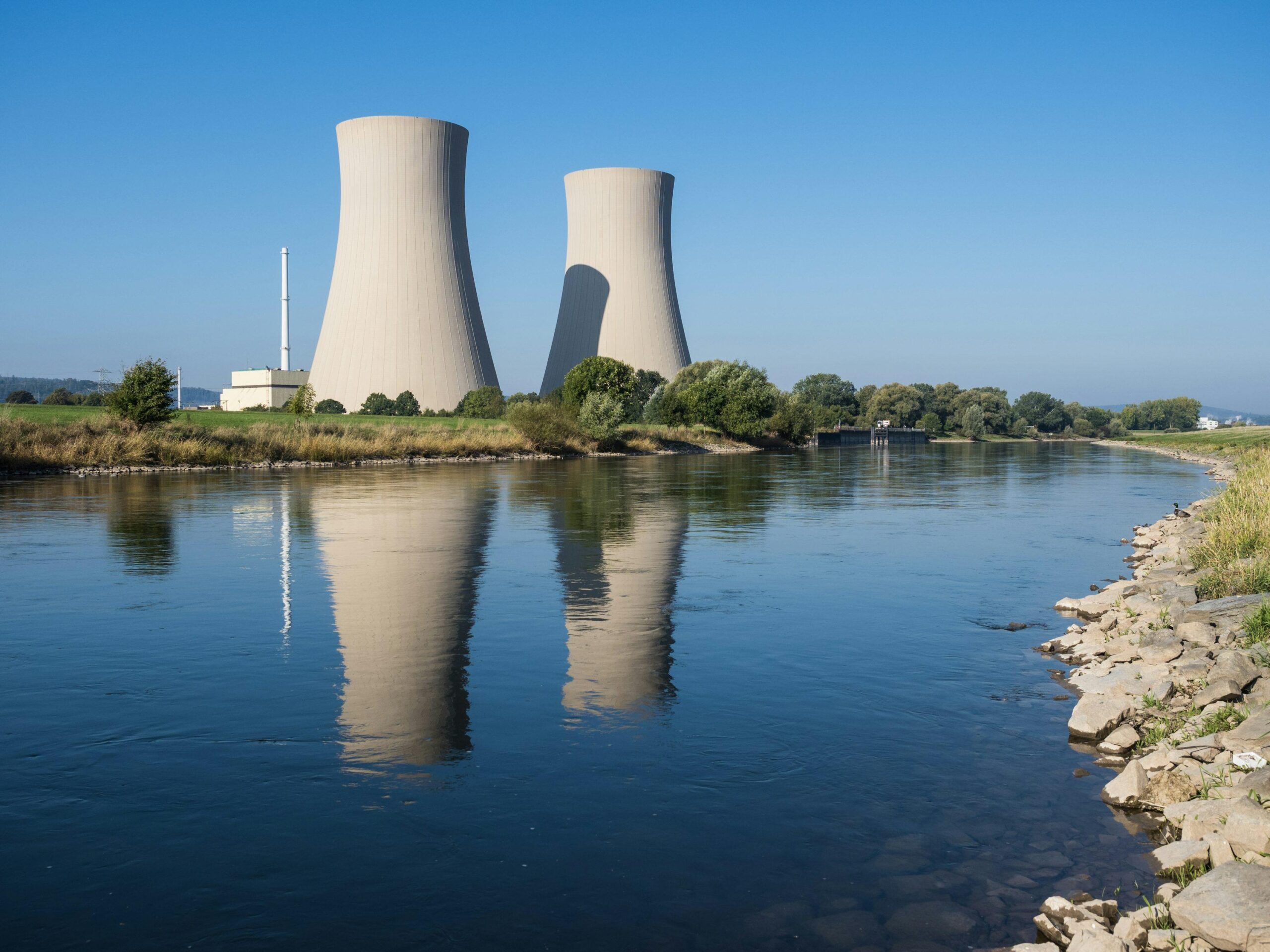
Europe’s energy emergency is rapidly becoming one of the continent’s biggest challenges as prolonged heatwaves, severe drought, and record-low river levels disrupt electricity production, transportation, and industry across Central and Eastern Europe. Countries including Hungary, Romania, Serbia, and neighboring nations are struggling to keep power plants running while governments ask businesses and residents to reduce electricity consumption.
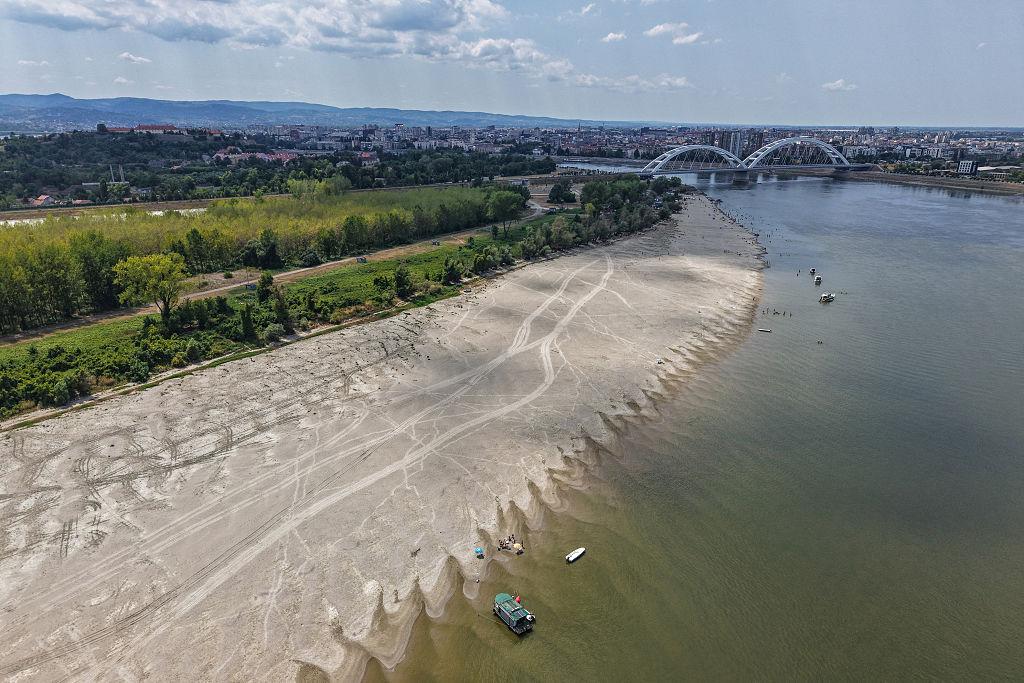
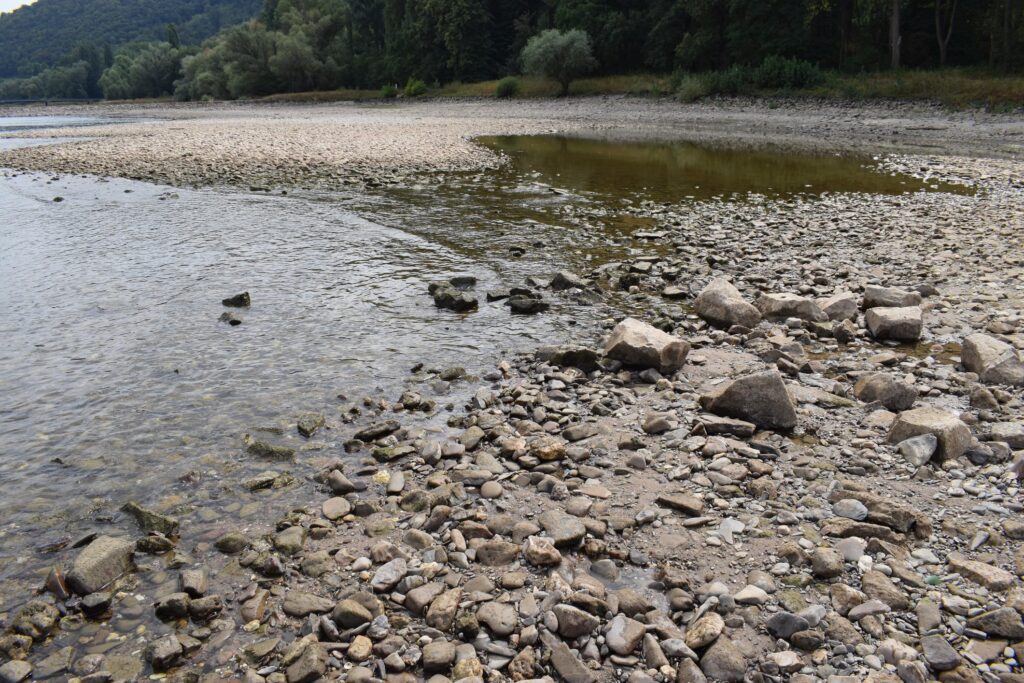
The crisis is unfolding because the Danube River—Europe’s second-longest river—has dropped to exceptionally low levels after months of extreme heat and below-average rainfall. Nuclear power stations that depend on river water for cooling are reducing output, hydropower production has fallen sharply, shipping routes are being disrupted, and industries are preparing for prolonged energy shortages. Why this matters now: Europe is entering one of its hottest periods of the summer, increasing electricity demand for cooling just as power generation capacity is shrinking.
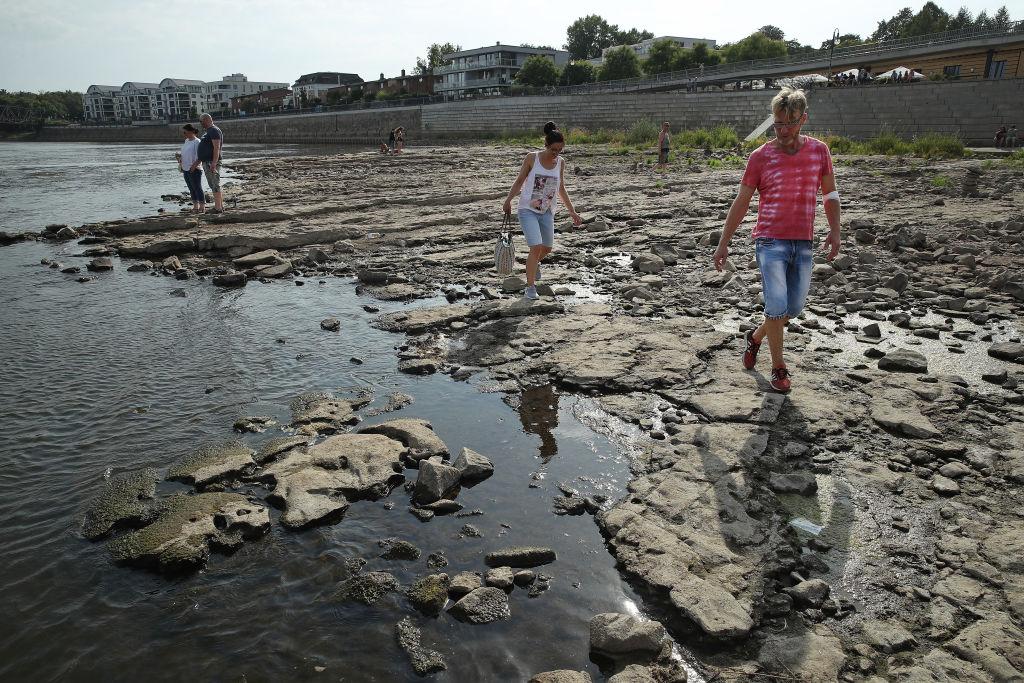
Record-Low Danube Water Levels Put Europe’s Energy System Under Pressure
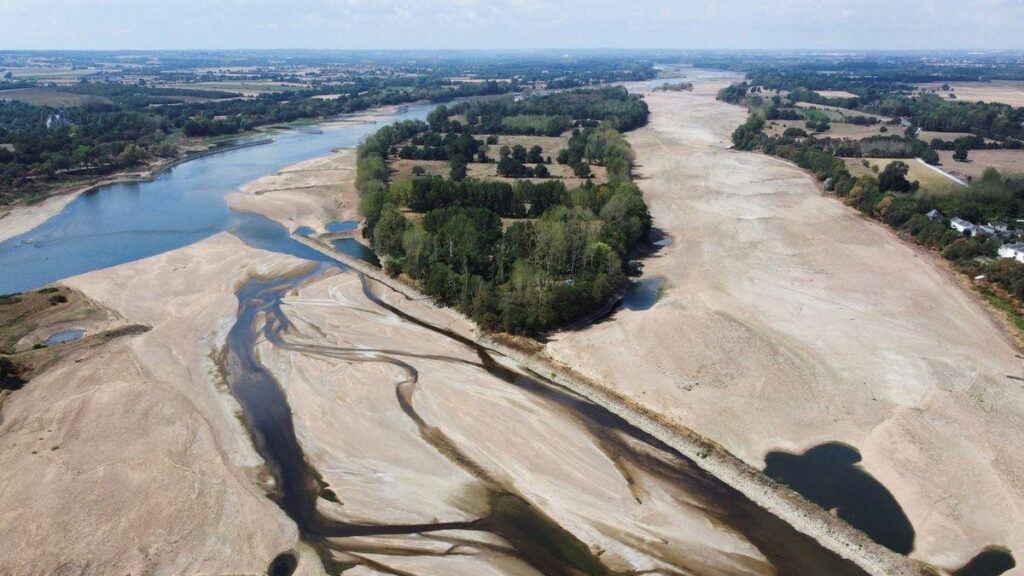
The Danube River stretches through ten European countries and serves as one of the continent’s most important waterways for energy production, transportation, agriculture, and trade. This summer, persistent drought combined with repeated heatwaves has caused water levels to fall to historic lows in several locations.
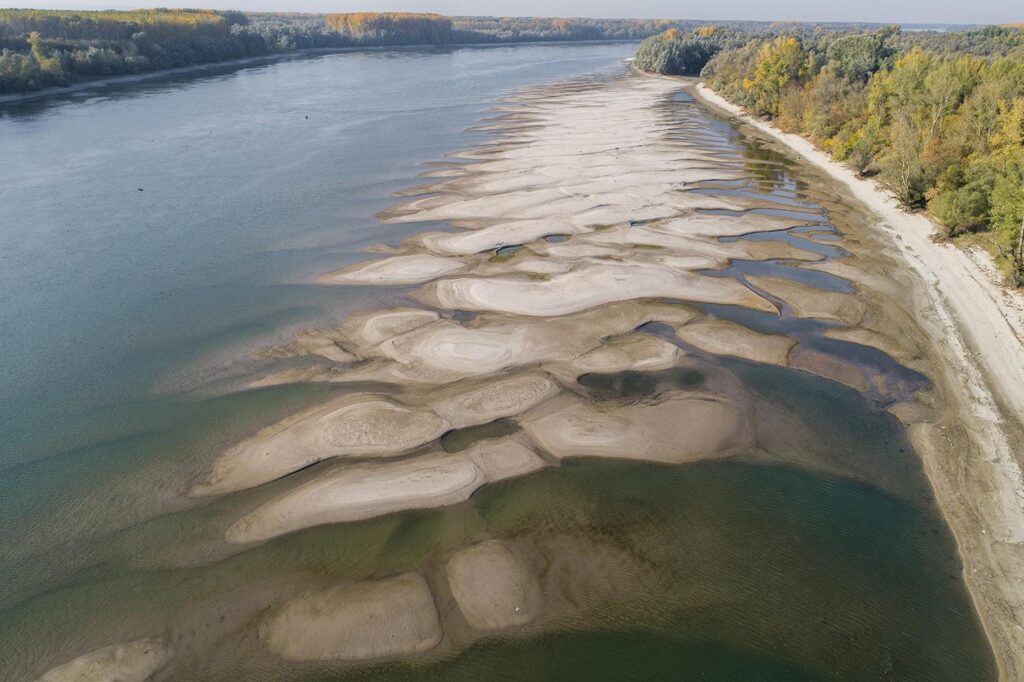
Low river levels create multiple challenges at once. Nuclear power stations require enormous amounts of water to cool their reactors safely. Hydroelectric dams need sufficient water flow to generate electricity efficiently. Commercial cargo vessels transporting fuel, grain, and industrial goods cannot operate normally when river depths become too shallow. These combined pressures are placing unprecedented strain on regional energy systems and supply chains across Central Europe.
Nuclear Power Plants Face Operational Risks During Extreme Heat
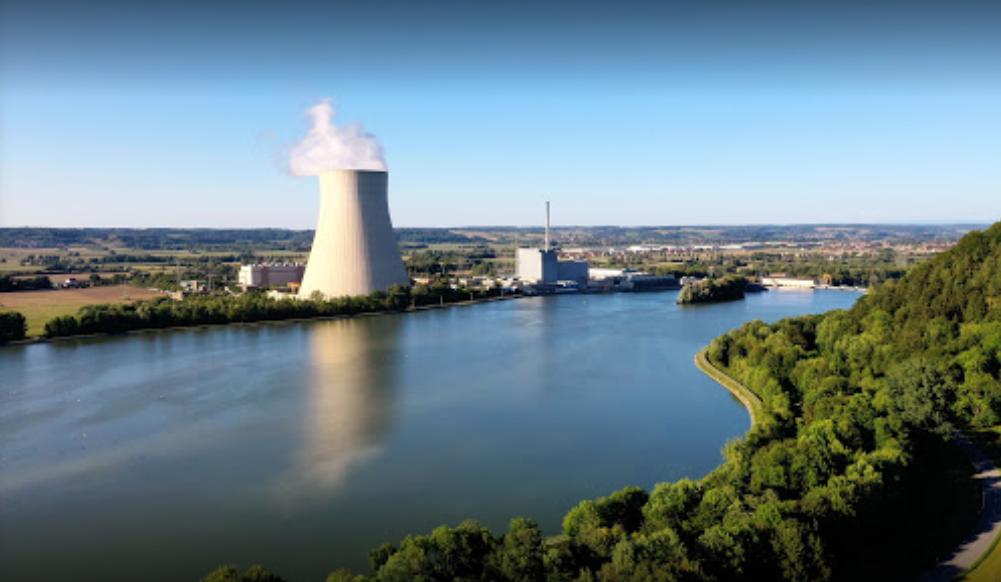
Hungary has become one of the countries most affected by the crisis. The Paks Nuclear Power Plant, which normally supplies roughly half of the country’s electricity, has significantly reduced electricity generation because the Danube can no longer provide adequate cooling water. Officials have warned that if water levels continue falling, temporary shutdowns may become unavoidable.
Romania is also facing extraordinary circumstances at its Cernavodă Nuclear Power Plant. Authorities carried out emergency engineering work, including controlled blasting operations, to redirect more Danube water toward reactor cooling systems. Industrial companies have reduced operations to lower electricity demand while governments encourage voluntary energy conservation measures to stabilize national power grids. These emergency responses demonstrate how closely Europe’s energy security depends on reliable water resources.
Heatwaves Are Affecting More Than Electricity Generation
The current crisis extends well beyond the energy sector. The Danube has become increasingly difficult for commercial shipping, delaying cargo deliveries and increasing transportation costs throughout the region. Agricultural producers are also experiencing irrigation shortages, while tourism operators along the river report disruptions to cruise schedules because many vessels cannot safely navigate shallow waters.
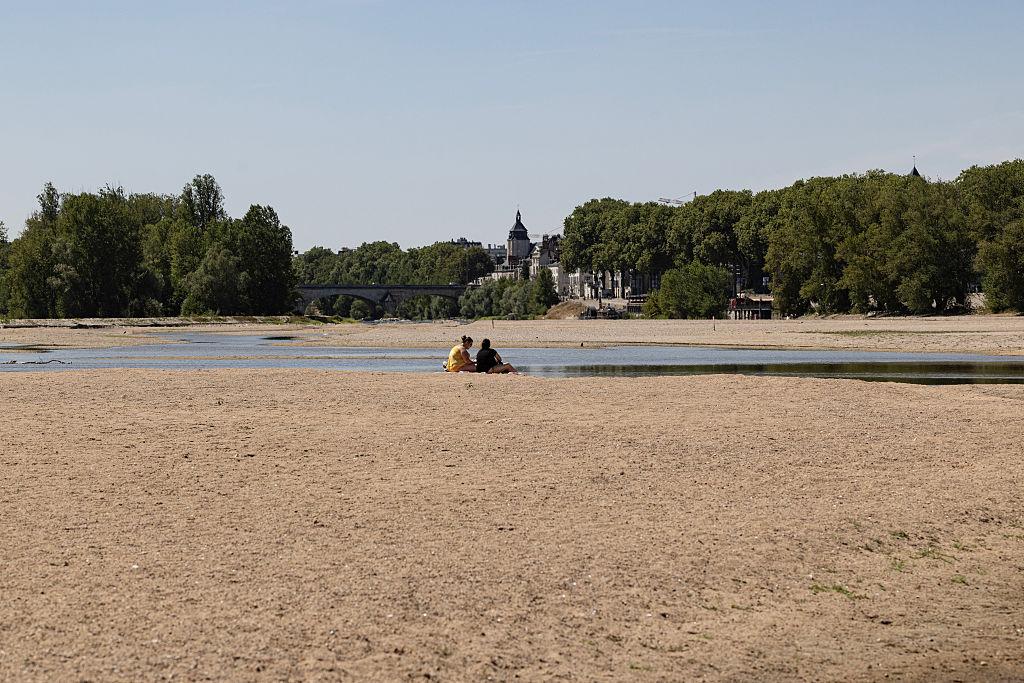
Across Europe, reduced river flows are also impacting manufacturing. Several factories have temporarily slowed or paused production to help reduce pressure on national electricity networks during peak demand periods. Utilities are increasingly importing electricity where possible, although cross-border transmission capacity remains limited in some areas, making regional cooperation essential.
Climate Conditions Continue to Intensify Across Europe
Scientists and European climate monitoring agencies have repeatedly warned that Europe is warming faster than many other regions of the world. Higher temperatures increase evaporation from rivers, lakes, and soil while simultaneously increasing electricity demand as households and businesses rely more heavily on air conditioning.
The European Drought Observatory reports that drought conditions remain widespread across large parts of Europe, with several countries experiencing alert-level conditions. Experts note that prolonged heatwaves combined with reduced rainfall create a cycle in which rivers continue shrinking even after isolated rain events. These long-term trends are increasing pressure on infrastructure originally designed for cooler climates and more stable water supplies.
Governments Respond with Emergency Measures and Conservation Efforts
Governments throughout the region have introduced emergency actions to reduce stress on national electricity grids. Public officials are asking residents to conserve electricity during peak hours while encouraging large industrial consumers to temporarily lower energy usage whenever possible.
Energy companies are increasing imports, monitoring grid stability, and preparing contingency plans should temperatures remain exceptionally high. Meanwhile, transportation authorities continue monitoring river navigation, farmers are adapting irrigation practices, and emergency management agencies are coordinating responses across affected regions. Although these measures may reduce immediate risks, experts caution that sustained rainfall will ultimately be necessary to restore river levels and ease pressure on Europe’s energy infrastructure.
What Happens Next for Europe’s Energy Security?
Weather forecasts suggest that exceptionally warm conditions could continue across parts of Central and Eastern Europe, meaning governments may need to extend conservation efforts if river levels remain critically low. Energy analysts are closely watching nuclear generation, hydropower output, and electricity imports to determine whether additional emergency measures become necessary.
The broader lesson from this crisis is that Europe’s energy system is increasingly vulnerable to extreme weather. Future investments are expected to focus on strengthening grid resilience, improving water management, expanding renewable energy sources, increasing energy storage capacity, and modernizing infrastructure that can better withstand prolonged heat and drought. As climate variability becomes more frequent, policymakers face growing pressure to build a more resilient and diversified energy network capable of maintaining reliable electricity supplies during extreme weather events.
Subscribe to trusted news sites like USnewsSphere.com for continuous updates.