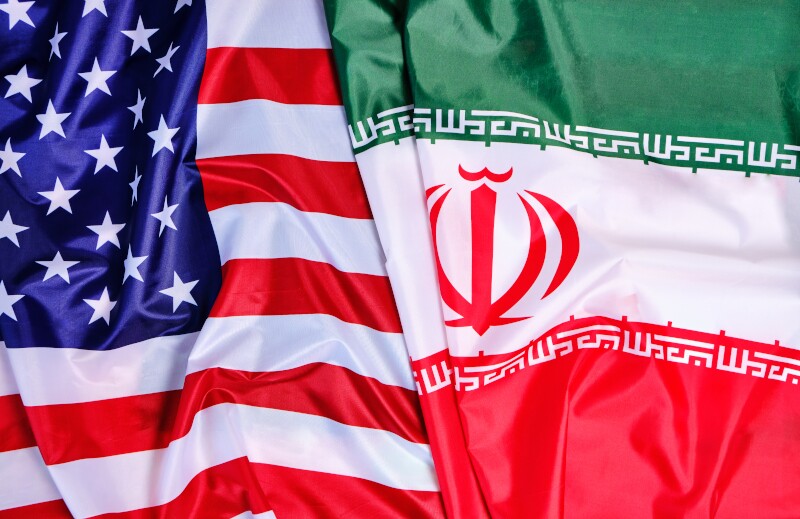
USA to steal Iran’s uranium? That explosive question is now dominating global headlines as discussions around a controversial strategic idea linked to former U.S. President Donald Trump begin to resurface, sparking intense geopolitical debate, security concerns, and global uncertainty.
The concept—whether hypothetical, exaggerated, or politically framed—centers around the idea of the United States taking control of Iran’s enriched uranium stockpile to prevent nuclear escalation. While no official execution plan exists publicly, the very discussion of such a move has sent shockwaves across diplomatic circles, defense analysts, and international observers.
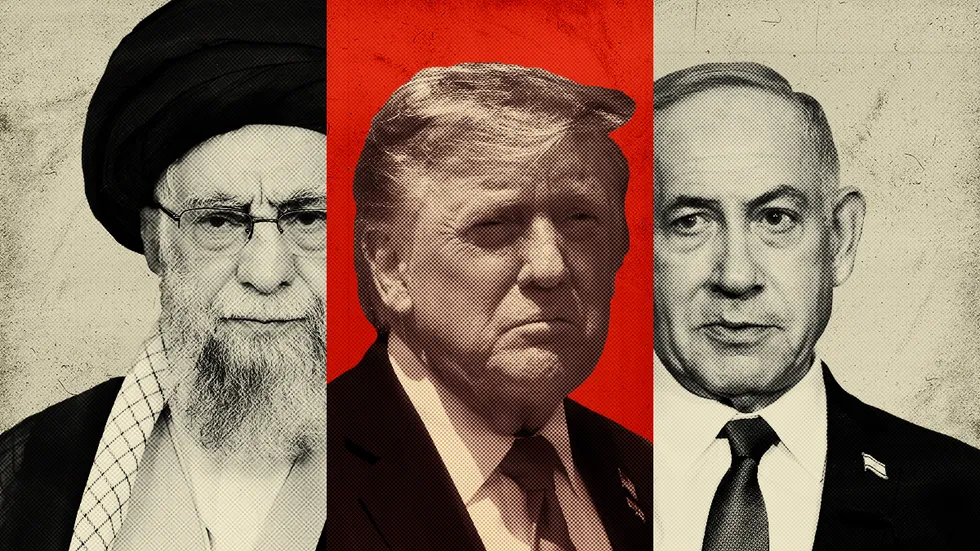
At a time when nuclear tensions are already fragile, this idea has ignited serious questions: Is this a strategic necessity, a political narrative, or a dangerous escalation that could destabilize the Middle East and beyond?
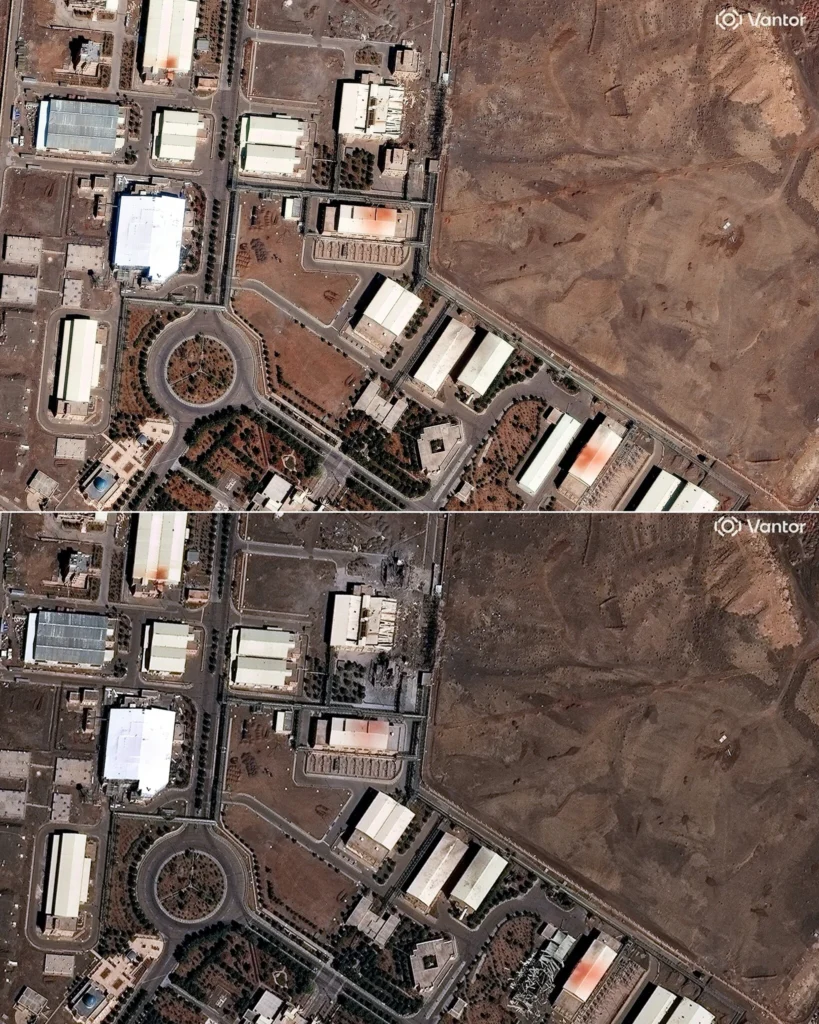
USA to Steal Iran’s Uranium?: Understanding the Context Behind Iran’s Uranium Program
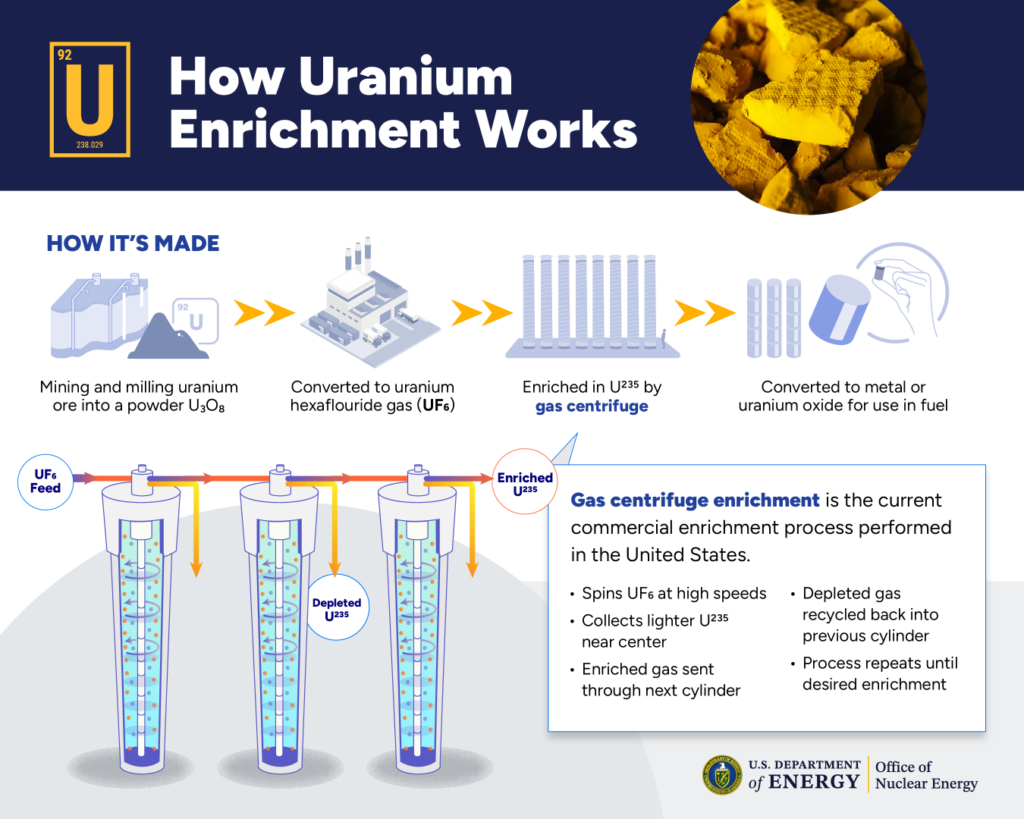
Iran’s nuclear program has been a focal point of global politics for decades. The country insists its nuclear activities are for peaceful energy purposes, but multiple Western nations, including the United States, have long suspected potential military ambitions.
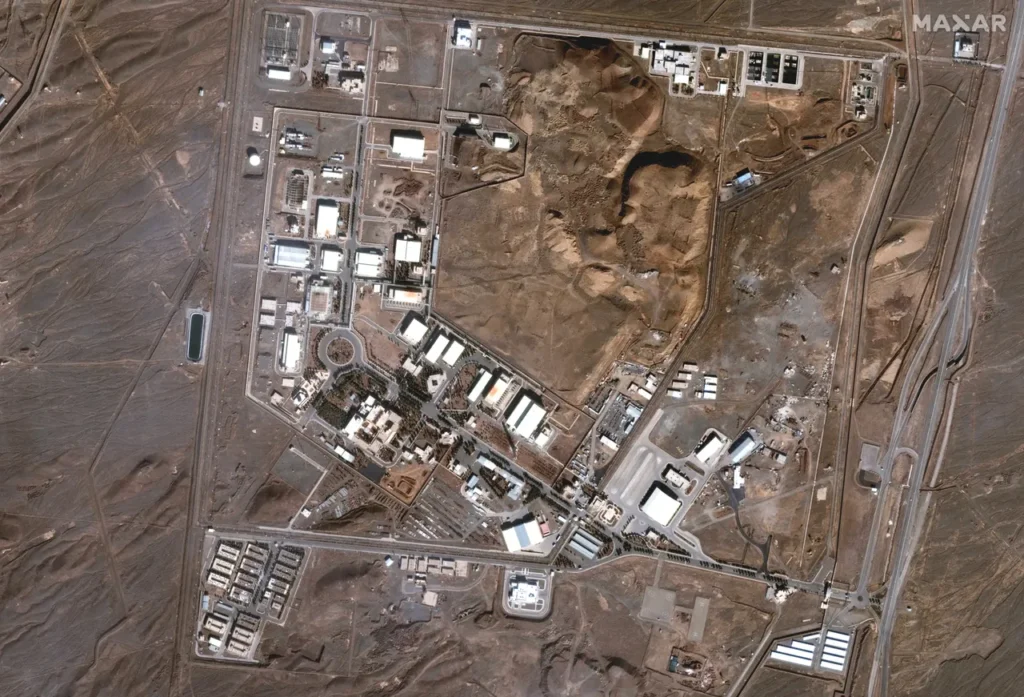
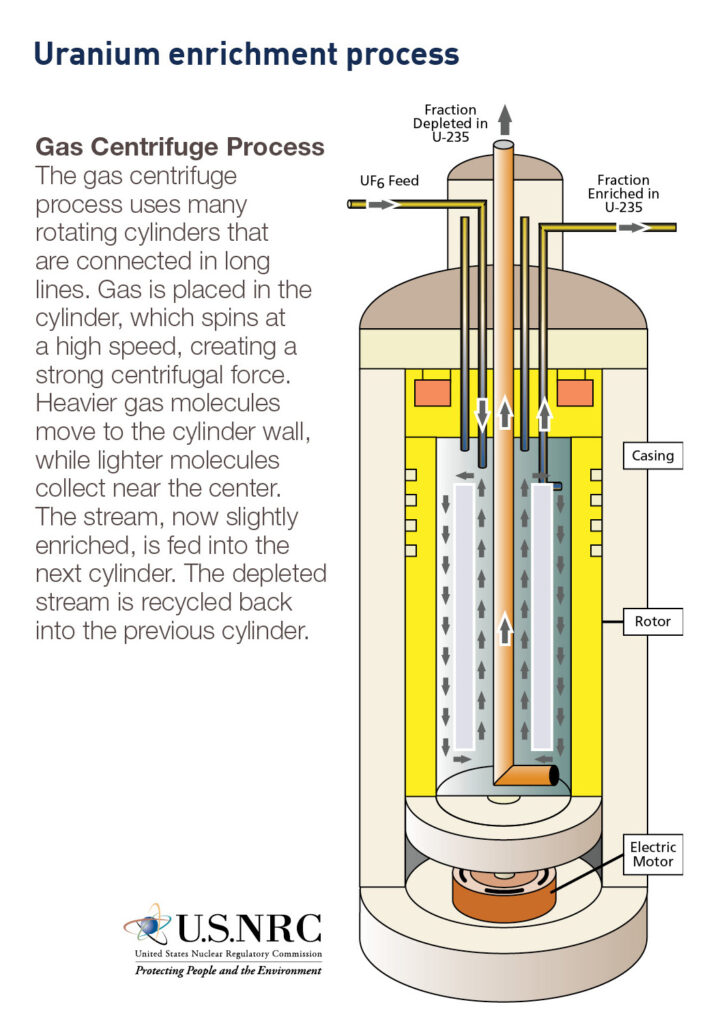
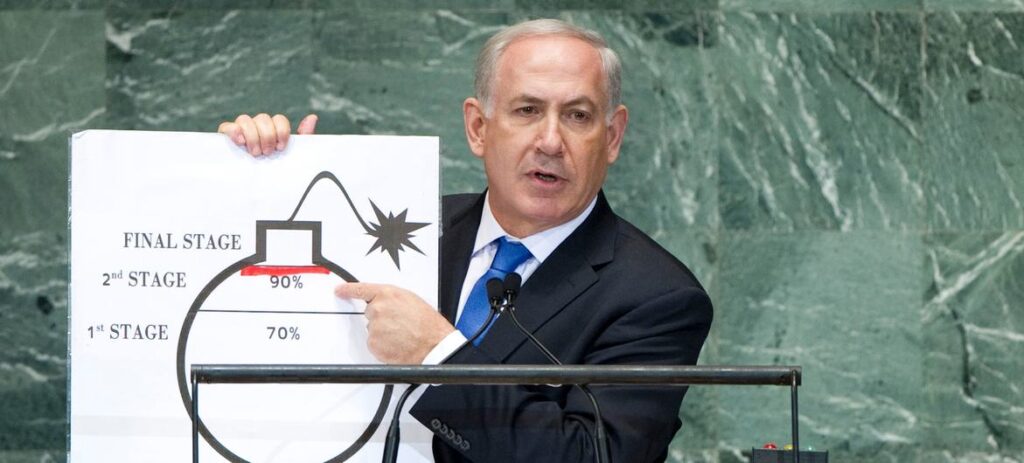
Iran has significantly increased its uranium enrichment levels in recent years, reaching purity levels close to weapons-grade. This development has raised alarm among global watchdogs and intensified scrutiny from international organizations.
The 2015 nuclear agreement, widely known as the Iran nuclear deal, was designed to limit Iran’s nuclear capabilities in exchange for sanctions relief. However, after the United States withdrew from the agreement in 2018, tensions escalated rapidly. Since then, Iran has expanded its nuclear program, increasing stockpiles and reducing transparency.
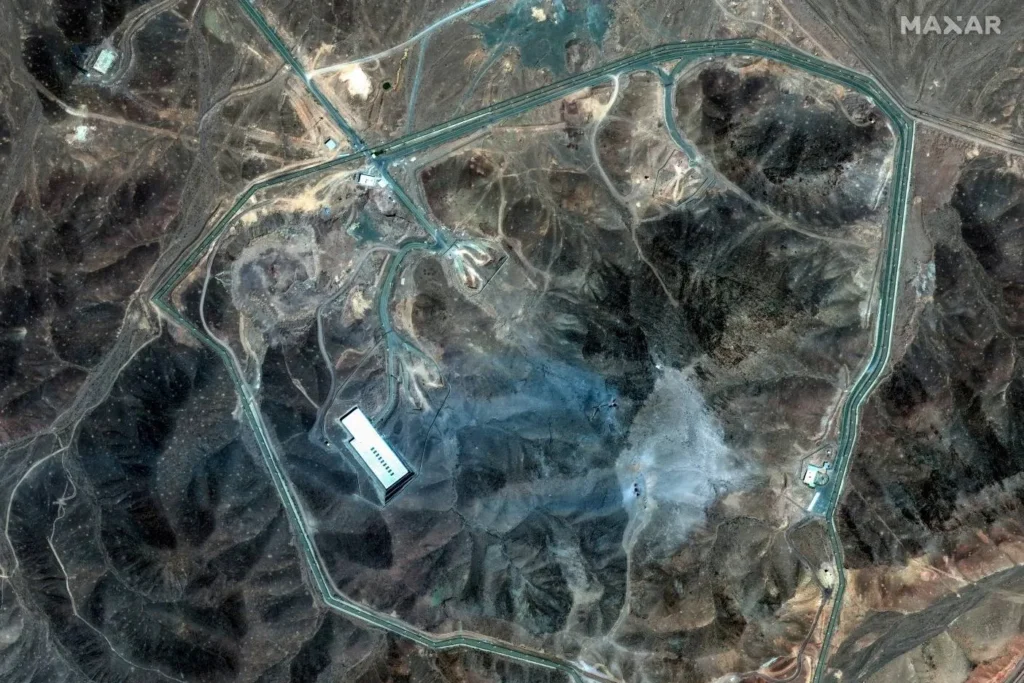
This backdrop is essential to understanding why any discussion about controlling or “seizing” uranium becomes so controversial. It touches not only on national sovereignty but also on global nuclear stability.
What Is Trump’s Alleged Uranium Strategy?
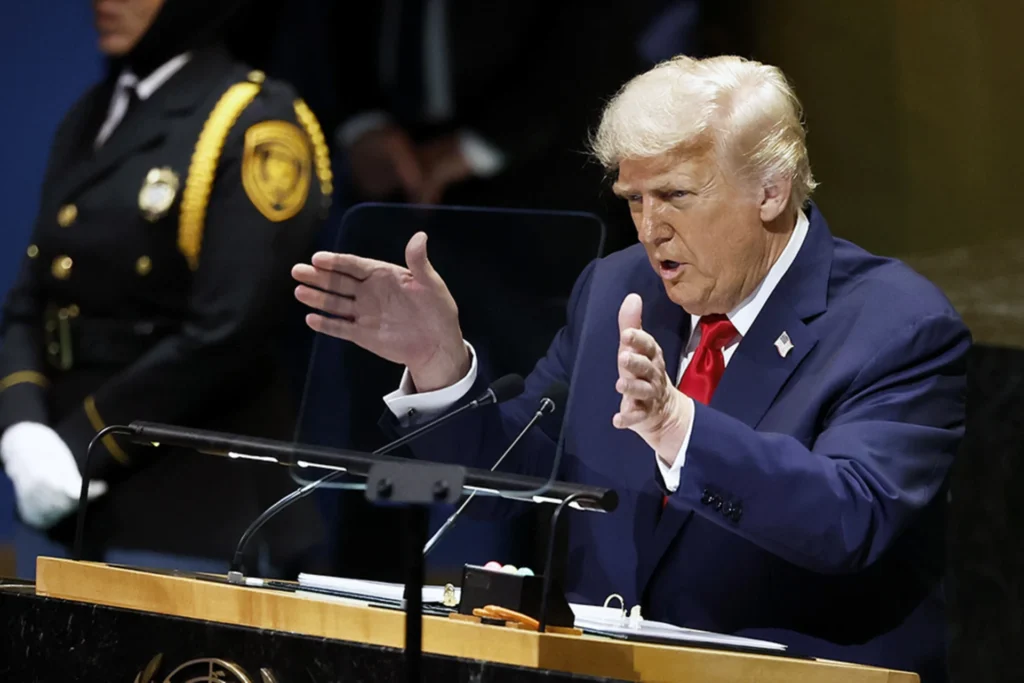
The idea attributed to Donald Trump revolves around preventing Iran from possessing enriched uranium by directly removing or neutralizing its stockpile. While there is no official, detailed policy document confirming such a plan, the concept has been widely debated in political and media circles.
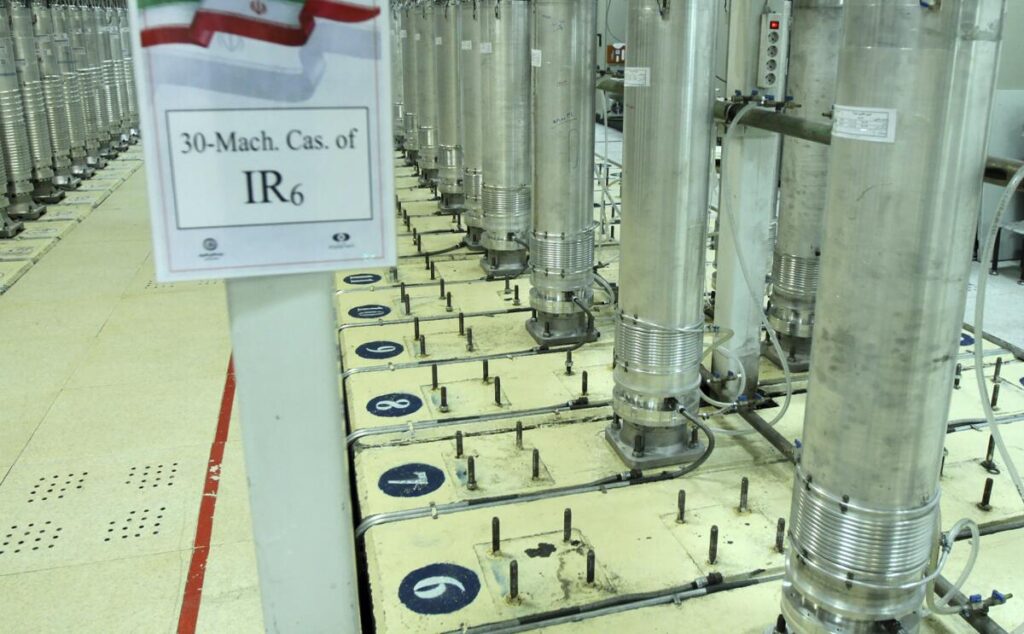
Supporters argue that such a move could eliminate the risk of Iran developing nuclear weapons. They claim it could act as a decisive measure to ensure long-term global security, especially in a region already facing multiple conflicts.
However, critics strongly oppose the idea, calling it unrealistic and dangerous. They argue that any attempt by a foreign nation to seize another country’s nuclear assets would be seen as an act of war. This could trigger massive retaliation, destabilize the region, and potentially involve multiple global powers.
The debate highlights a broader question: Can aggressive intervention ever be justified in the name of global security?
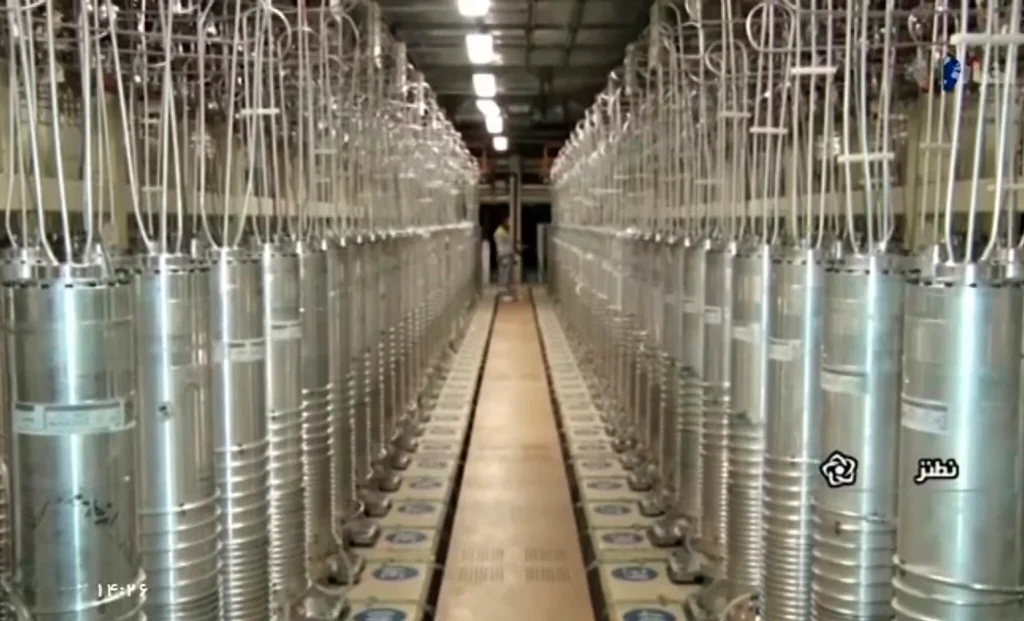
Global Reactions and Rising Geopolitical Tensions
The international response to this idea has been deeply divided. Western allies are cautious, while countries like Russia and China have strongly opposed any form of intervention in Iran’s nuclear program.
Middle Eastern nations are also closely watching the situation. Countries such as Israel have historically taken a hard stance against Iran’s nuclear ambitions and might support stronger actions. On the other hand, Gulf nations fear that any escalation could lead to regional instability and economic disruption.
Energy markets have also reacted to rising tensions. The Middle East plays a crucial role in global oil supply, and any conflict involving Iran could disrupt shipping routes, increase oil prices, and impact global economies.
Diplomats are urging restraint, emphasizing that dialogue and negotiation remain the most viable path forward. However, the growing mistrust between nations makes diplomatic solutions increasingly difficult.
Legal and Ethical Questions Surrounding Uranium Seizure
The idea of one country taking control of another nation’s nuclear material raises serious legal and ethical concerns. International law, particularly under the United Nations framework, strongly emphasizes sovereignty and non-intervention.
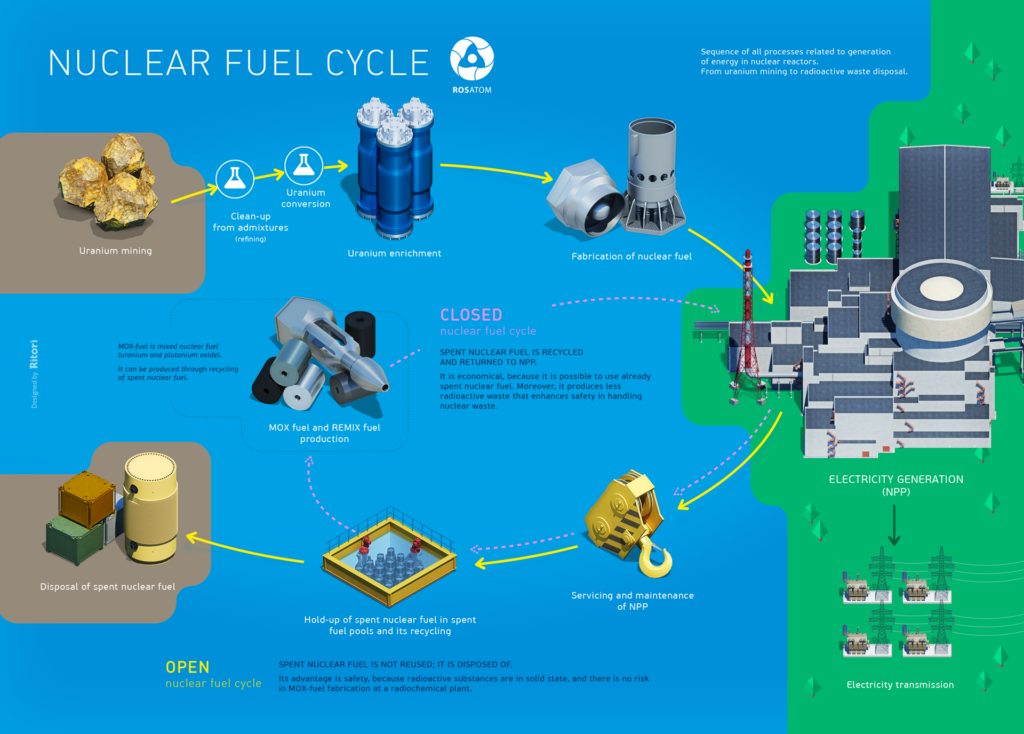
Any attempt to seize uranium would likely violate multiple international agreements and could lead to global condemnation. It would set a dangerous precedent, potentially encouraging other nations to justify similar actions.
Ethically, the concept raises questions about power, control, and the balance between security and sovereignty. While preventing nuclear proliferation is a global priority, the methods used to achieve that goal must align with international norms.
Experts warn that bypassing these norms could weaken global institutions and increase the likelihood of future conflicts.
Impact on Global Security and Nuclear Stability
If such a strategy were ever attempted, the consequences could be far-reaching. Iran would likely respond strongly, potentially escalating into military conflict. This could draw in regional allies and adversaries, creating a broader confrontation.
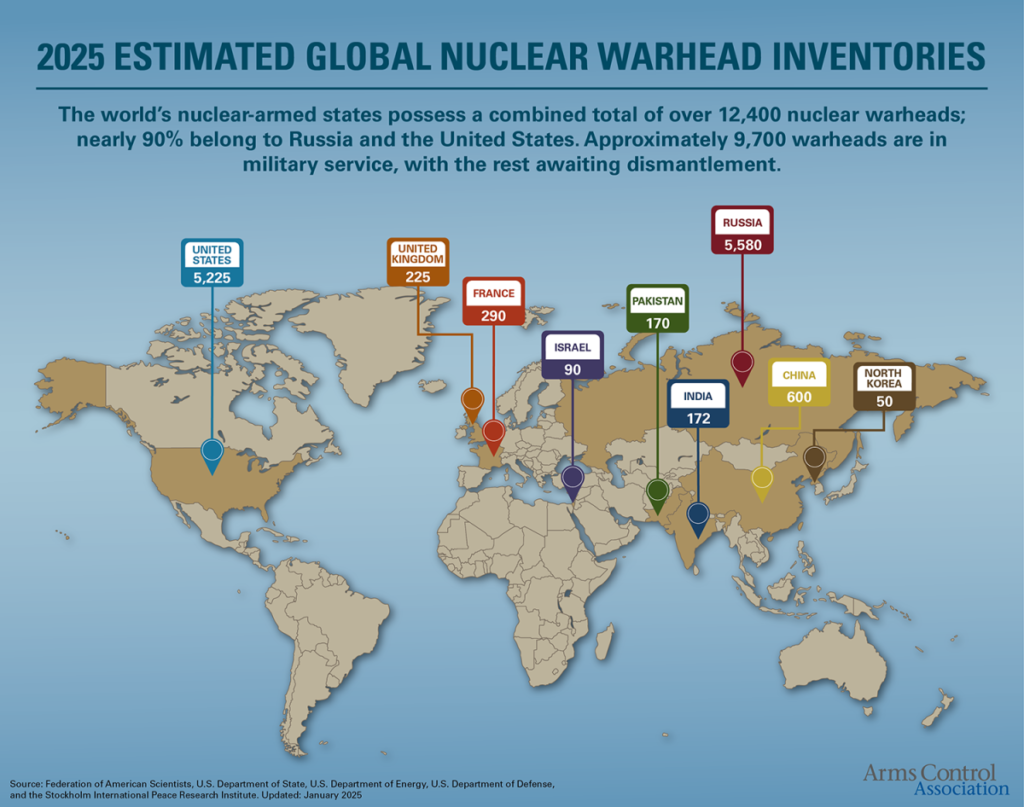
Nuclear security experts emphasize that stability relies on mutual deterrence and international cooperation. Any unilateral action could disrupt this balance, increasing the risk of miscalculations and unintended escalation.
Furthermore, other nations pursuing nuclear capabilities might accelerate their programs in response, fearing similar interventions. This could lead to a new wave of nuclear proliferation, making the world significantly more dangerous.
Cyber warfare, proxy conflicts, and economic sanctions could also intensify, adding layers of complexity to an already volatile situation.
Media Narratives, Public Perception, and Political Strategy
The framing of this issue in media and political discourse plays a crucial role in shaping public perception. Headlines suggesting that the U.S. could “steal” uranium are powerful and attention-grabbing, but they may oversimplify complex geopolitical dynamics.
Political narratives often amplify such ideas to influence public opinion, rally support, or criticize opponents. In election cycles, strong statements on national security can become key talking points.

However, experts caution against taking such narratives at face value. They emphasize the importance of analyzing the broader context, including diplomatic efforts, intelligence assessments, and international relations.
What Happens Next? Possible Future Scenarios
Looking ahead, several scenarios could unfold depending on how global powers approach the situation.
One possibility is renewed diplomatic engagement. Efforts to revive or renegotiate nuclear agreements could help reduce tensions and provide a framework for monitoring Iran’s nuclear activities.
Another scenario involves increased sanctions and economic pressure aimed at limiting Iran’s capabilities without direct confrontation. While this approach avoids immediate conflict, it may not fully resolve underlying issues.
A more concerning scenario is military escalation, triggered by miscommunication or aggressive actions. This could have devastating consequences for regional and global stability.
The most likely outcome may lie somewhere in between, with ongoing tensions, periodic negotiations, and continued strategic competition.
A Dangerous Idea or Strategic Necessity?
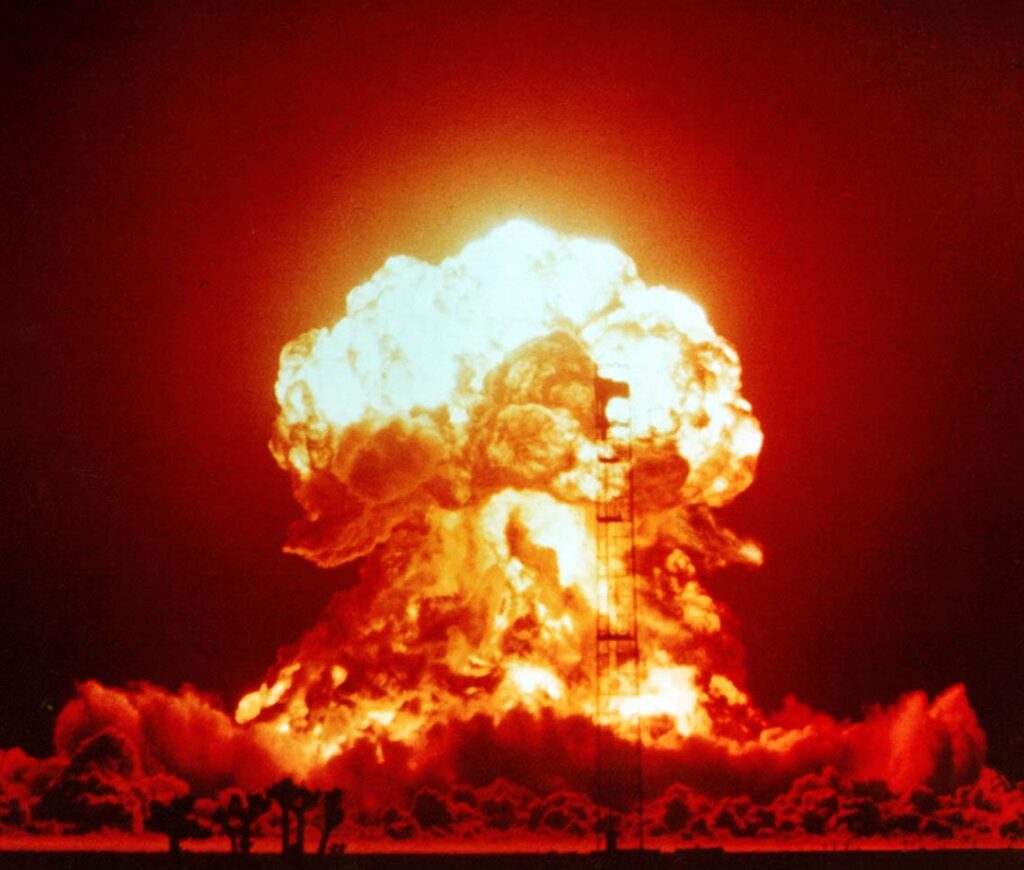
The idea of the United States taking control of Iran’s uranium is one of the most controversial and complex geopolitical discussions in recent years. While it may be framed as a strategy to enhance global security, it carries significant risks that cannot be ignored.
From legal challenges to potential military escalation, the consequences of such an action could reshape global politics and security dynamics for years to come. The situation underscores the importance of diplomacy, cooperation, and adherence to international norms.
As the world watches closely, one thing remains clear: decisions made in this space will have far-reaching implications, not just for the United States and Iran, but for the entire global community.
Staying informed, understanding the nuances, and focusing on credible information will be essential as this story continues to evolve.
Subscribe to trusted news sites like USnewsSphere.com for continuous updates.