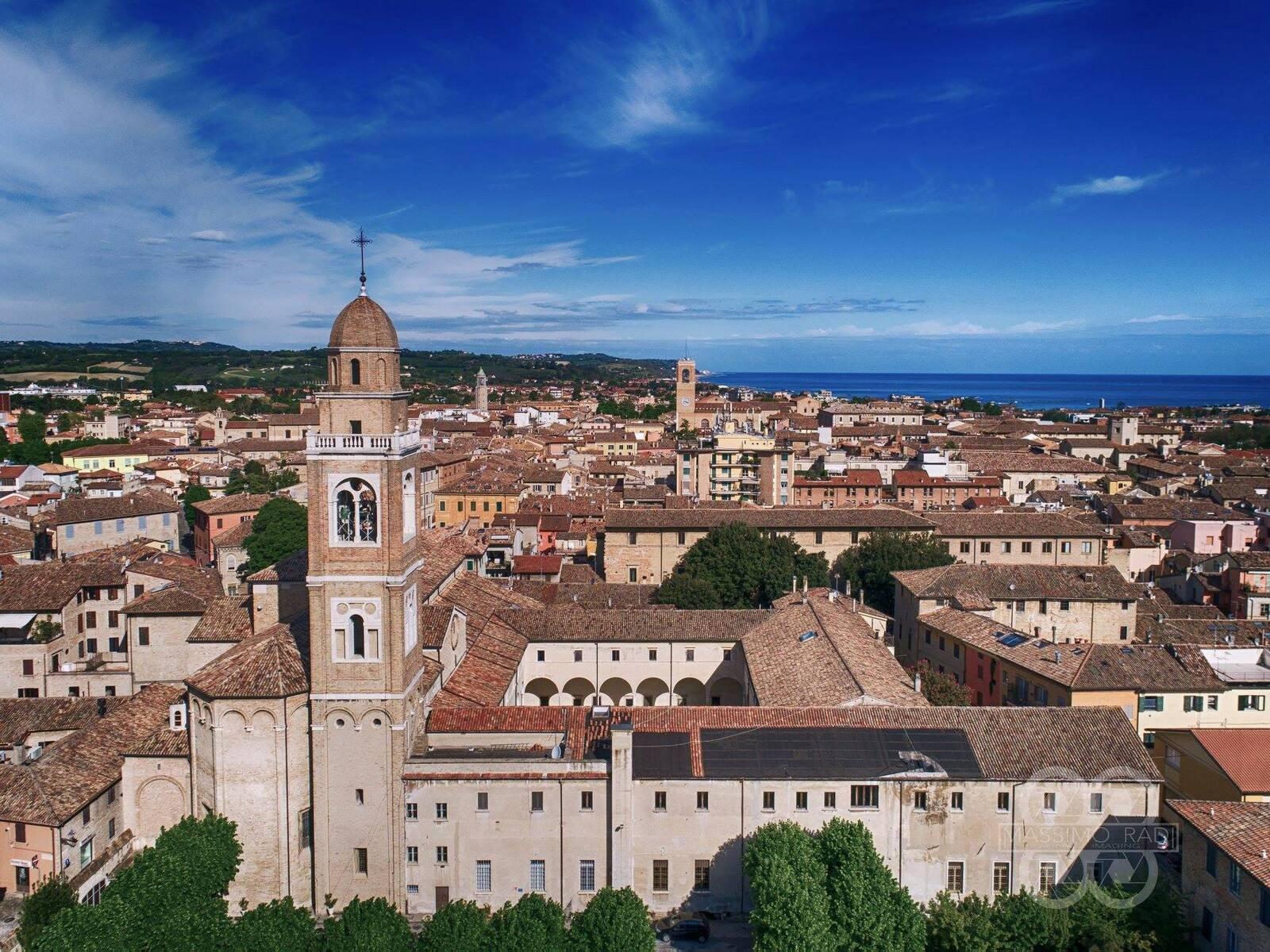
Tropical diseases in Europe are becoming a growing public health concern as dengue fever, chikungunya, and other mosquito-borne illnesses appear in regions where they were once considered rare. Health experts say warmer temperatures, longer summers, and expanding mosquito populations are increasing the chances of local outbreaks across several European countries. This trend matters now because public health officials are strengthening surveillance while researchers warn that climate conditions are becoming more favorable for disease transmission. Travelers, residents, and healthcare systems are all being asked to stay alert as Europe adapts to changing environmental conditions.
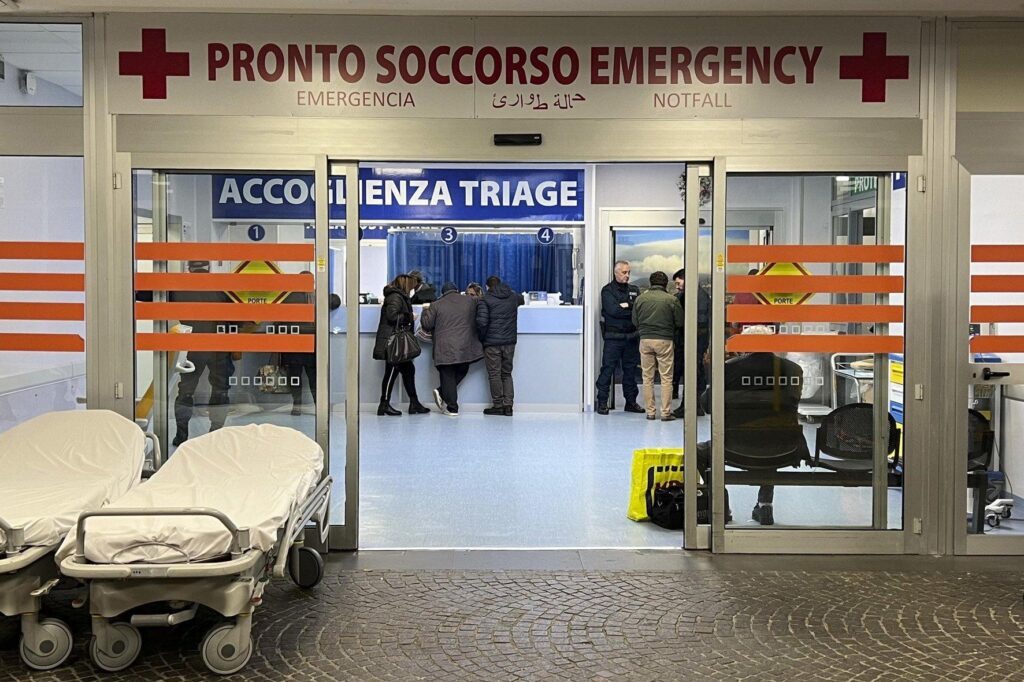
Europe Is Seeing More Local Dengue Transmission
Europe has traditionally recorded dengue infections among travelers returning from tropical or subtropical countries. However, health officials have increasingly documented locally acquired infections, meaning people became infected without leaving their home country. This change suggests that mosquitoes carrying the virus are now capable of transmitting dengue within parts of Europe during favorable weather conditions.
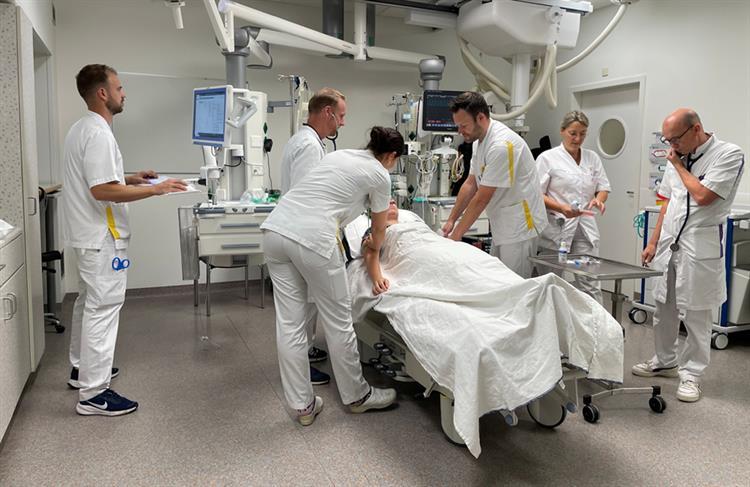
One of the most closely watched outbreaks occurred in the Italian city of Fano during 2024, where nearly 200 locally transmitted dengue cases were identified. Unlike isolated infections reported in previous years, this outbreak demonstrated how larger clusters can develop when environmental conditions allow mosquitoes to thrive. Experts believe similar events could become more common if warming trends continue.
Climate Change Is Expanding Mosquito Habitats
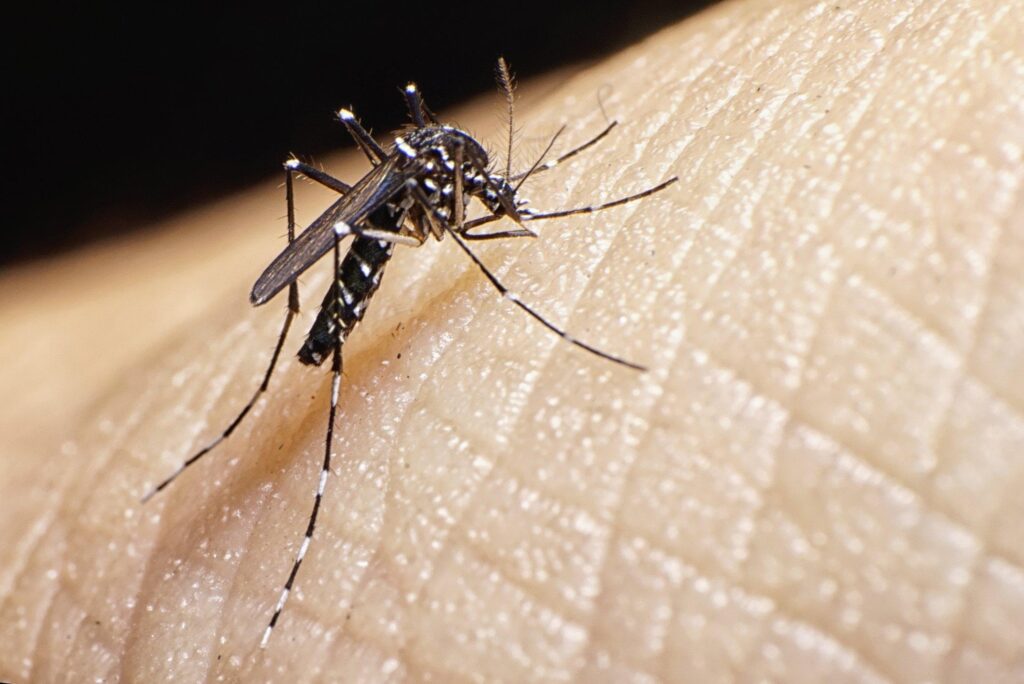
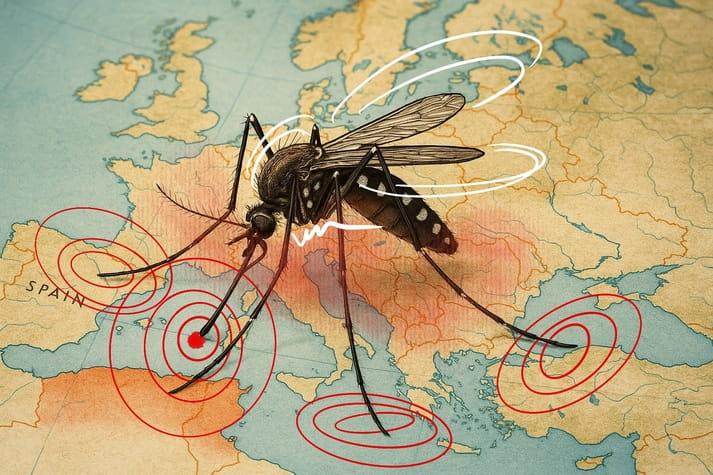
Scientists say rising temperatures are allowing invasive mosquito species, particularly the Asian tiger mosquito (Aedes albopictus), to establish populations farther north than in previous decades. These mosquitoes are capable of spreading dengue, chikungunya, and Zika viruses after biting an infected individual.

Longer warm seasons also extend mosquito breeding periods and increase opportunities for virus transmission. According to European environmental agencies, climate change is making conditions suitable for mosquito-borne diseases across more regions, including areas that historically experienced little or no risk. Increased international travel can introduce viruses, while warmer weather allows local mosquitoes to continue transmission.
Which Countries Face the Highest Risk?
Health authorities continue to monitor Mediterranean countries closely because their climate is generally more favorable for mosquito activity. France, Italy, Spain, Croatia, Greece, and parts of southern Europe have already reported locally transmitted dengue cases during recent years. Surveillance is expanding as additional regions become suitable for invasive mosquito populations.
Researchers also believe that several major European cities could experience increased outbreak risk in coming decades if warming continues. Urban environments with standing water, dense populations, and established mosquito colonies create conditions that may support local transmission during summer months. Public health agencies stress that risk levels still vary significantly depending on local climate, mosquito density, and imported infections.
What Are the Symptoms and How Dangerous Is Dengue?
Most dengue infections cause flu-like symptoms including high fever, severe headaches, muscle pain, joint pain, nausea, skin rash, and fatigue. Many infected people recover within one to two weeks with supportive care. However, a smaller percentage develop severe dengue, which can cause internal bleeding, organ damage, or shock and requires immediate medical treatment.
The World Health Organization notes that many infections produce mild symptoms or none at all, making surveillance more challenging because infected individuals may unknowingly contribute to transmission if mosquitoes bite them during the infectious period. Early diagnosis and medical monitoring remain important, especially for vulnerable patients.
How Europe Is Responding to the Growing Threat
European countries are increasing mosquito surveillance, monitoring imported infections, improving laboratory testing, and launching public awareness campaigns during mosquito season. The European Centre for Disease Prevention and Control publishes regular surveillance updates so health authorities can respond quickly when local transmission is detected.
Several regions are also experimenting with innovative mosquito-control techniques. In Spain, researchers have tested releasing sterilized male tiger mosquitoes to reduce breeding populations, while local governments continue efforts to eliminate standing water where mosquitoes reproduce. Experts say integrated mosquito management, combined with public education, offers the best chance of limiting future outbreaks.
Why This Matters for Europe and the World
The spread of mosquito-borne diseases highlights how climate change is affecting public health alongside rising temperatures, heatwaves, and environmental shifts. Europe is adapting to risks that were once considered largely tropical, requiring stronger disease surveillance, international cooperation, and climate resilience planning.
For residents, the growing presence of invasive mosquitoes does not mean widespread epidemics are inevitable, but it does underscore the importance of prevention. Removing standing water around homes, using insect repellents, wearing protective clothing during peak mosquito activity, and following public health advice can reduce individual risk. Researchers expect governments and health agencies to continue investing in monitoring systems as Europe prepares for future mosquito seasons.
Subscribe to trusted news sites like USnewsSphere.com for continuous updates.