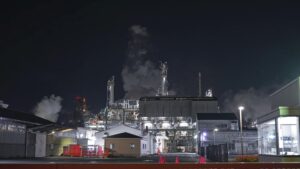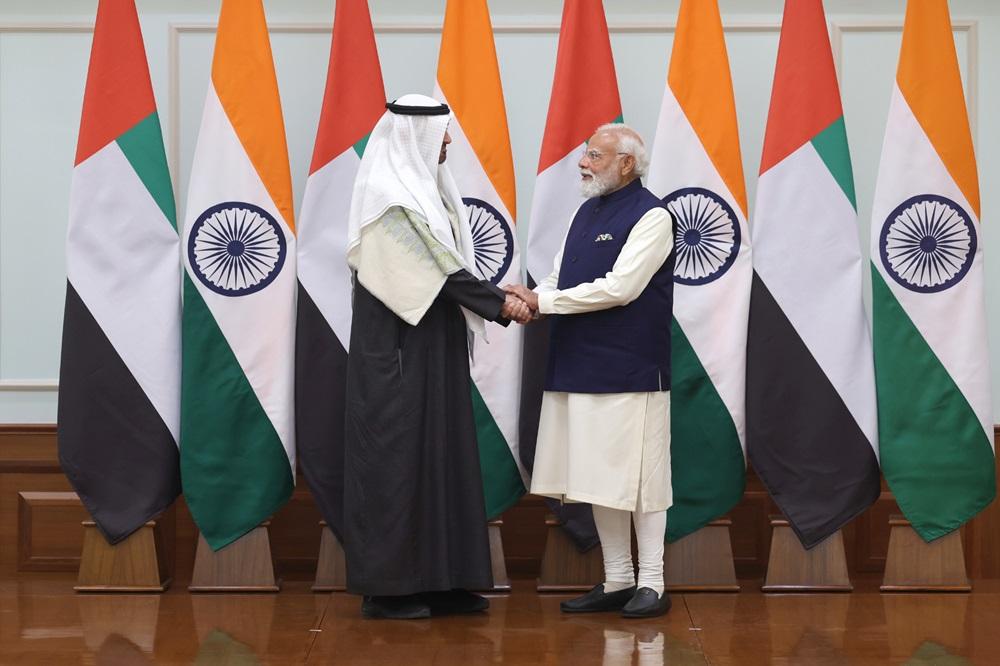
Prime Minister Narendra Modi’s UAE visit has delivered one of the biggest energy and investment breakthroughs for India in 2026, with the United Arab Emirates committing nearly $5 billion in investments while also expanding cooperation in oil reserves, LPG supply, defence, and infrastructure. The agreements come at a critical moment as global oil prices remain unstable due to tensions in West Asia and concerns over disruptions in the Strait of Hormuz. India, one of the world’s largest energy importers, is trying to strengthen long-term fuel security while protecting its economy from future supply shocks. The UAE’s decision to deepen its strategic partnership with India could now reshape energy cooperation between the two nations for years ahead. Why this matters now is simple: higher oil prices affect inflation, transportation costs, household budgets, and business growth across India and global markets.
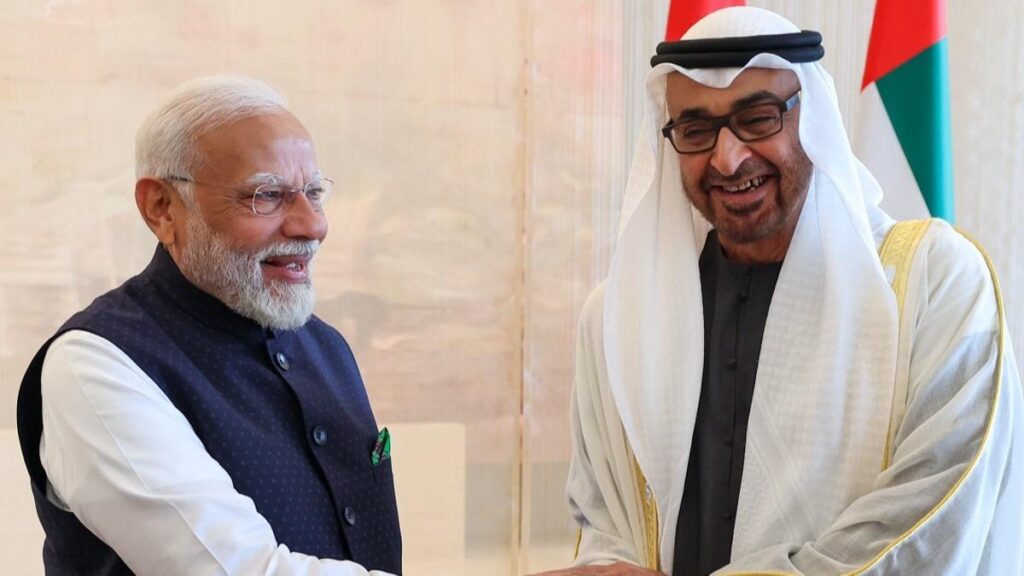
India and UAE Sign Landmark Energy Agreements
During PM Modi’s meeting with UAE President Sheikh Mohamed bin Zayed Al Nahyan in Abu Dhabi, both countries finalized major agreements covering strategic petroleum reserves and long-term LPG supply arrangements. One of the biggest highlights is the expected expansion of crude oil storage cooperation, which could increase India’s strategic reserves by nearly 30 million barrels through collaboration with ADNOC, the UAE’s national oil company.
India heavily depends on imported crude oil, with nearly 85% of its oil demand coming from foreign suppliers. Because of this dependence, sudden geopolitical conflicts can quickly increase inflation and pressure the Indian economy. The new UAE agreements are designed to create stronger emergency backup supplies and stabilize fuel availability during global crises. Analysts believe this deal could reduce future economic shocks caused by international oil disruptions.
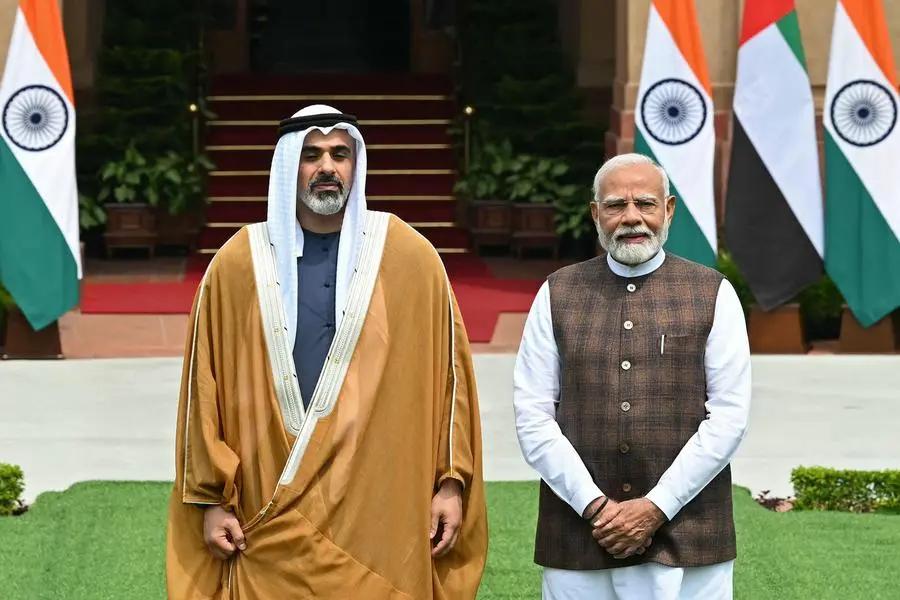
$5 Billion UAE Investment Signals Strong Confidence in India
Apart from energy cooperation, the UAE announced investment commitments worth around $5 billion across Indian infrastructure, financial institutions, shipping, and industrial projects. Reports indicate that investments may also target sectors such as banking, logistics, ports, and energy infrastructure. The investment announcement shows increasing confidence from Gulf nations in India’s long-term economic growth story.
Experts believe these investments could create thousands of jobs while supporting India’s infrastructure modernization plans. India has been aggressively trying to attract foreign direct investment to improve transportation networks, manufacturing capabilities, and industrial growth. The UAE has already become one of India’s largest strategic and trade partners, and this latest move further strengthens economic ties between the two countries.
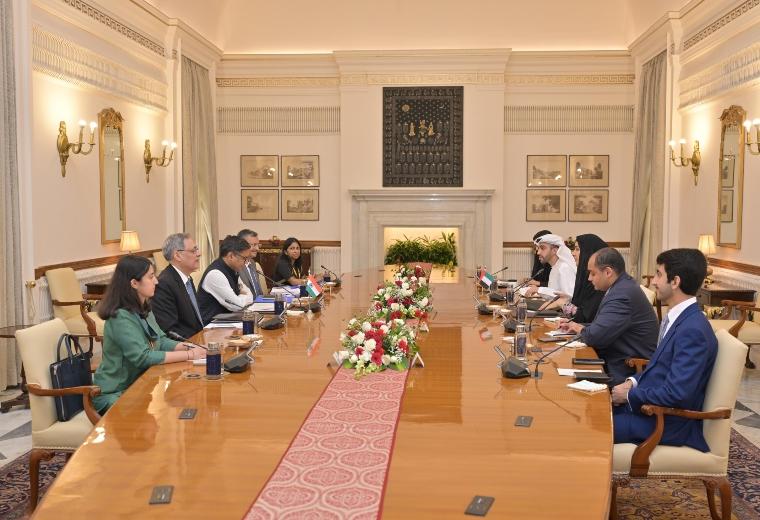
LPG Supply Pact Could Help Stabilize Indian Fuel Markets
Another important agreement signed during the visit focuses on liquefied petroleum gas (LPG) supplies. LPG remains a major cooking fuel source for millions of Indian households. Rising global energy prices have increased concerns about fuel affordability, especially for middle-class and low-income families. The new supply arrangements with the UAE could help India secure more stable long-term LPG imports during uncertain global market conditions.
Energy experts say long-term LPG agreements are especially important because global supply chains remain vulnerable to war-related disruptions in the Middle East. India’s government has been trying to diversify supply partnerships while also increasing emergency reserves to avoid sudden shortages or sharp price spikes. The UAE’s growing role in India’s energy sector now appears more important than ever.
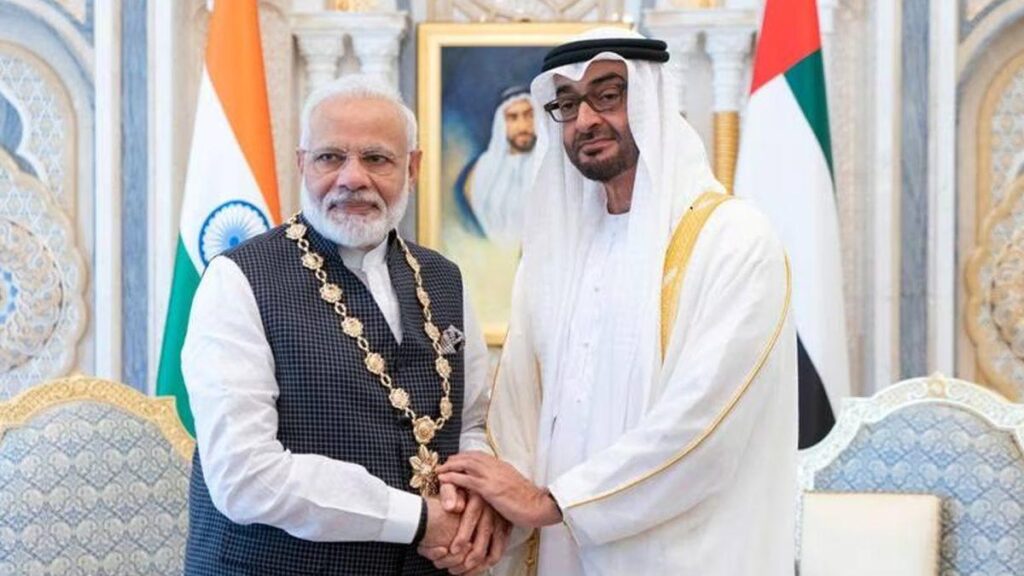
Defence and Maritime Cooperation Expand Strategic Partnership
The visit was not limited to energy and investments. India and the UAE also signed a framework for a strategic defence partnership covering maritime security, cybersecurity, defence technology, training exercises, and secure communication systems. Both countries are increasing cooperation as geopolitical tensions rise across West Asia.
The two sides also discussed regional stability, shipping route protection, and stronger cooperation in the Indian Ocean region. Maritime trade remains critical for both economies, especially because major oil shipments pass through highly sensitive sea routes. Defence cooperation between India and the UAE is now evolving beyond traditional diplomacy into deeper long-term strategic coordination.
Why India’s Oil Reserve Expansion Matters Globally
India is currently among the world’s fastest-growing energy consumers. As the economy expands, fuel demand continues rising across transportation, manufacturing, aviation, and industrial sectors. Expanding strategic petroleum reserves gives India a stronger safety cushion against future oil crises. Countries with large reserves are generally better protected during sudden global disruptions or wartime supply shortages.
Global investors are closely watching India’s energy security strategy because fuel stability directly affects inflation, industrial production, and economic growth. If oil prices remain volatile, countries without adequate reserves could face slower economic growth and higher consumer prices. India’s partnership with the UAE may therefore become a model for long-term energy cooperation between major economies and Gulf nations.
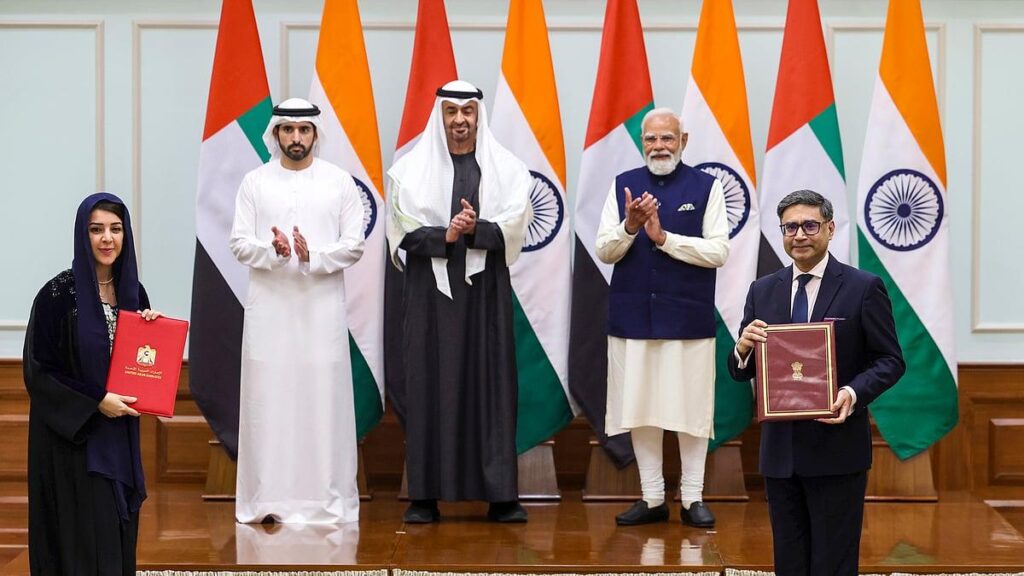
India-UAE Partnership Enters a New Strategic Era
PM Modi’s UAE visit appears to have achieved much more than a routine diplomatic meeting. The agreements signed during the short visit reflect how rapidly India-UAE relations are expanding across energy, defence, infrastructure, technology, and investment sectors. Both governments are now treating the relationship as a long-term strategic partnership instead of just a trade connection.
The timing of these agreements is also highly significant. Rising tensions in the Middle East, concerns about global shipping routes, and increasing fuel market uncertainty have pushed countries like India to prioritize energy security more aggressively than ever before. By securing stronger ties with the UAE, India is trying to reduce long-term economic risks while supporting future industrial and infrastructure growth.
Industry analysts believe this partnership could eventually expand into renewable energy, clean hydrogen projects, advanced logistics, smart ports, and digital infrastructure collaboration. If implemented successfully, the agreements announced during this visit may become one of the most important India-UAE strategic developments in recent years.
Subscribe to trusted news sites like USnewsSphere.com for continuous updates.