
France bans social media for under-15s after lawmakers approved landmark legislation designed to protect children from online risks, making France the first European Union country to adopt such a nationwide restriction. The law is backed by President Emmanuel Macron and is expected to begin taking effect from September, pending final constitutional review. It introduces age restrictions for new accounts, requires stronger age verification by platforms, and forms part of a wider effort to improve children’s mental health and online safety.
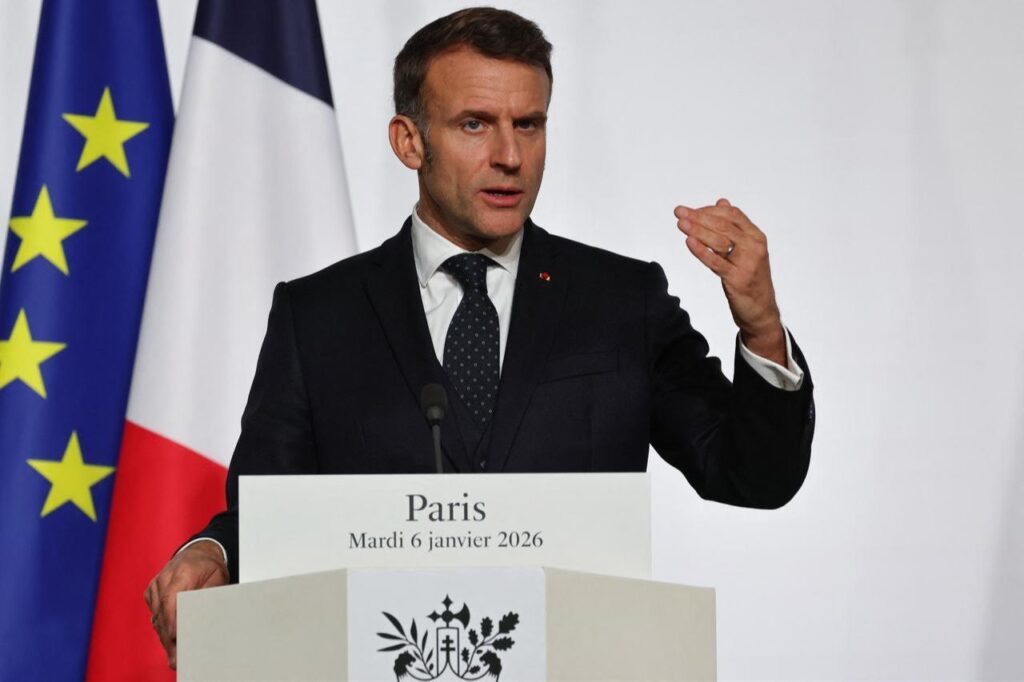
The legislation arrives as governments across Europe and beyond debate how to reduce cyberbullying, harmful content, addictive platform features, and excessive screen time among young users. Supporters describe it as a major step toward protecting children, while critics question how the rules will be enforced and whether they could affect online privacy and digital rights. Why this matters now: countries worldwide are considering similar measures, meaning France’s approach could influence future internet safety policies across Europe and other regions.

France becomes the first EU country to adopt the restriction
France’s Parliament approved legislation prohibiting children younger than 15 from opening accounts on major social media platforms. Government leaders say the measure responds to growing scientific and public concern over the effects of excessive social media use on children’s mental health, emotional well-being, and academic performance.

The government wants the rules to be operational before the new school year begins. According to the legislation, online platforms will be expected to prevent users under the minimum age from creating accounts while applying stronger age verification procedures. Existing accounts are also expected to move through a verification process under a phased implementation schedule.
Why French lawmakers say stronger action is necessary
French officials have repeatedly argued that children face increasing exposure to cyberbullying, harmful recommendation algorithms, violent or inappropriate content, misinformation, online predators, and addictive platform designs. Lawmakers say these risks justify stronger safeguards than those currently available.
Studies and public health discussions have increasingly linked heavy social media use among teenagers with anxiety, depression, sleep disruption, reduced attention spans, and lower self-esteem. While researchers continue debating the extent of these effects, protecting minors has become a major policy priority across many developed countries.
How the new law is expected to work
The legislation requires social media companies to implement reliable systems capable of verifying users’ ages before allowing account creation. Technology companies will be responsible for preventing children under 15 from accessing restricted services covered by the law. Educational resources, scientific websites, online encyclopedias, and certain open educational platforms are excluded from the restrictions.

French officials argue that age verification technologies are now advanced enough for large digital platforms to implement. However, legal experts and technology companies are expected to closely examine how these requirements can be enforced while respecting privacy laws and existing European Union digital regulations.
Supporters and critics remain divided
Supporters say the legislation puts children’s health ahead of technology company profits. Parent organizations and child safety advocates have welcomed stronger government intervention, arguing that younger children should be protected from addictive platform designs until they are mature enough to use social media responsibly.
Critics, however, question whether determined teenagers could bypass restrictions through VPNs, borrowed accounts, or other methods. Some digital rights organizations have also raised concerns about identity verification requirements, privacy protections, freedom of expression, and practical enforcement. Constitutional review could still affect parts of the legislation before full implementation.
France’s move could influence digital policy worldwide
France’s decision follows similar efforts in Australia, which previously introduced one of the world’s toughest youth social media restrictions. Several European countries, including Greece, Sweden, and others, have also discussed stronger protections for children online, reflecting a broader international trend toward tighter digital safety regulations.
Technology companies now face growing pressure from governments to redesign platforms with children’s safety in mind. Policymakers increasingly expect stronger parental controls, safer recommendation systems, transparent moderation, and better age assurance technologies rather than relying solely on voluntary platform policies.
What happens next
The legislation is expected to move through the remaining constitutional process before taking effect. If implemented as planned, France will become the first European Union member to enforce a nationwide social media age restriction for children under 15. Government agencies will then work with technology companies on implementation, compliance, and enforcement.
Regardless of differing opinions, the new law has intensified the global conversation about children’s online safety, the responsibilities of technology platforms, and the balance between digital freedom and protecting young users. The outcome of France’s approach will likely be watched closely by governments, regulators, educators, parents, and technology companies around the world as they consider future online safety policies.
Subscribe to trusted news sites like USnewsSphere.com for continuous updates.