Spain National Emergency Declared as Wildfires Spread Across Central Regions
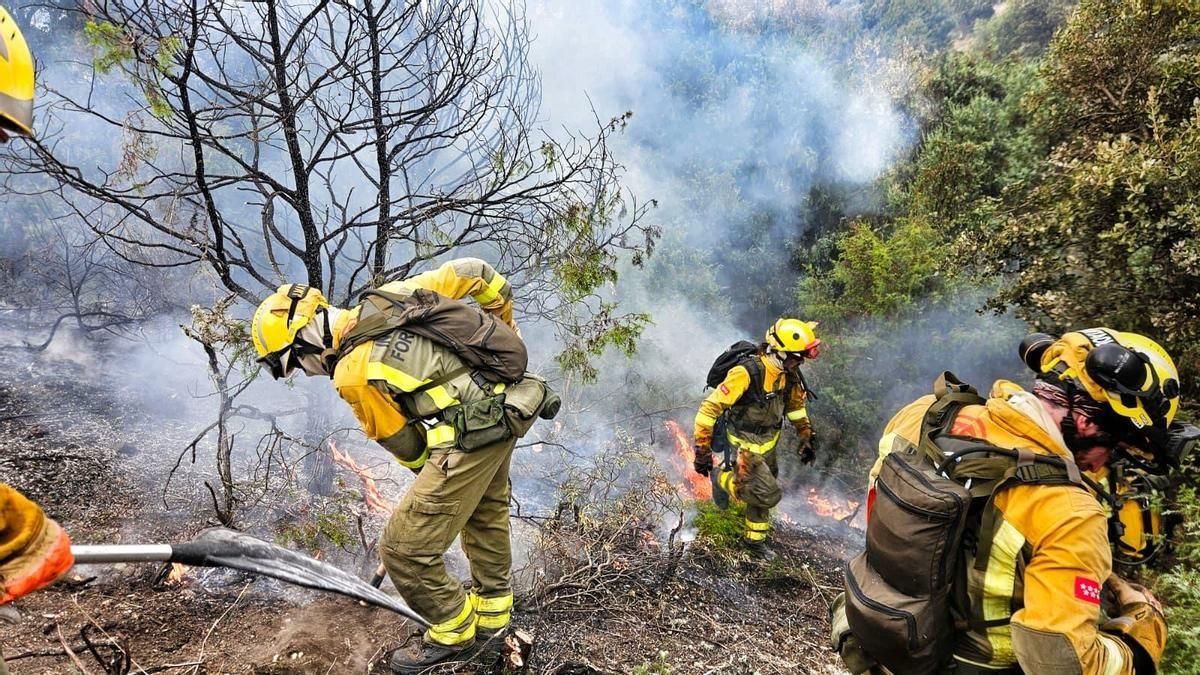
Spain’s national emergency became one of Europe’s biggest breaking news stories after the Spanish government activated emergency powers to respond to multiple fast-moving wildfires threatening communities near Madrid and neighboring Ávila. Thousands of residents were ordered to leave their homes as firefighters battled rapidly changing fire conditions driven by high temperatures, dry vegetation, and strong winds. Authorities said the emergency declaration allows the national government to coordinate additional resources across affected regions.
The crisis has drawn attention across Europe because similar wildfire emergencies are unfolding in France, Italy, and other Mediterranean countries during another exceptionally hot summer. Who: Spanish emergency authorities and thousands of affected residents. What: A national emergency due to multiple uncontrolled wildfires. Why: Fires expanded quickly under extreme weather conditions. Impact: Large evacuations, major firefighting operations, transportation disruptions, and growing concerns over Europe’s increasingly severe wildfire seasons. Why this matters now: Scientists and emergency planners warn that prolonged heat and drought are increasing wildfire risks across southern Europe, making rapid emergency response more important than ever.
Multiple Wildfires Overwhelmed Regional Emergency Resources
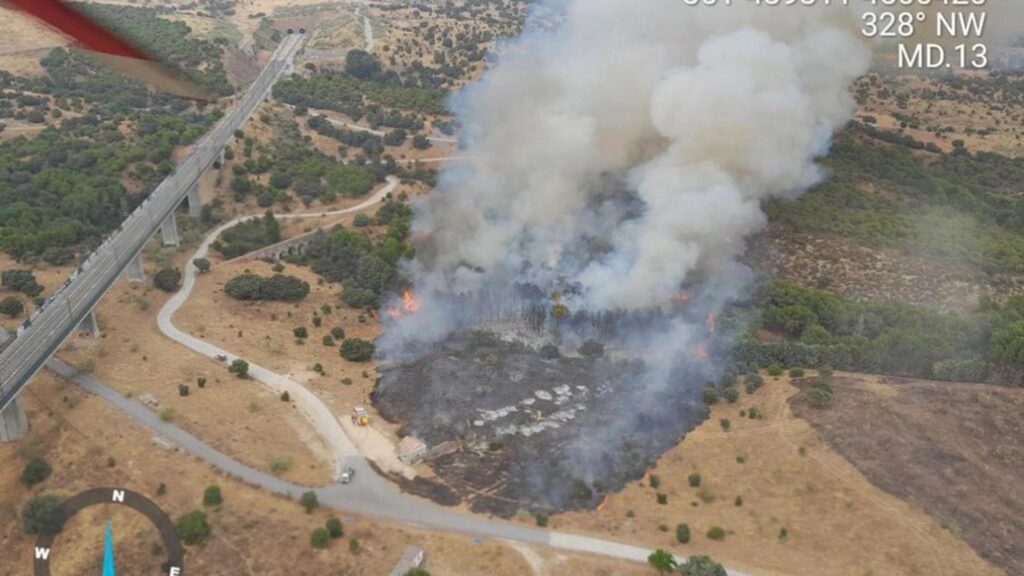
Several large wildfires broke out almost simultaneously in communities west of Madrid, including Villa del Prado and San Martín de Valdeiglesias, while another major blaze threatened areas in Ávila province. Emergency officials explained that the combination of multiple active fires stretched regional firefighting capabilities and required national coordination. More than 10,000 people were evacuated from areas considered to be at immediate risk as crews worked around the clock to slow the fires’ advance.
Spain’s Interior Ministry transferred operational control under the country’s National Civil Protection System, enabling broader deployment of firefighters, military emergency units, aircraft, helicopters, and specialized wildfire response teams. Officials emphasized that the decision reflected the scale and complexity of the emergency rather than a single wildfire alone.
Extreme Weather Created Dangerous Fire Conditions
Meteorologists say this year’s fire danger has been intensified by prolonged heat, dry vegetation, and strong winds. Earlier periods of abundant plant growth followed by intense summer heat created large amounts of dry fuel across forests and rural landscapes, allowing flames to spread quickly once fires started.
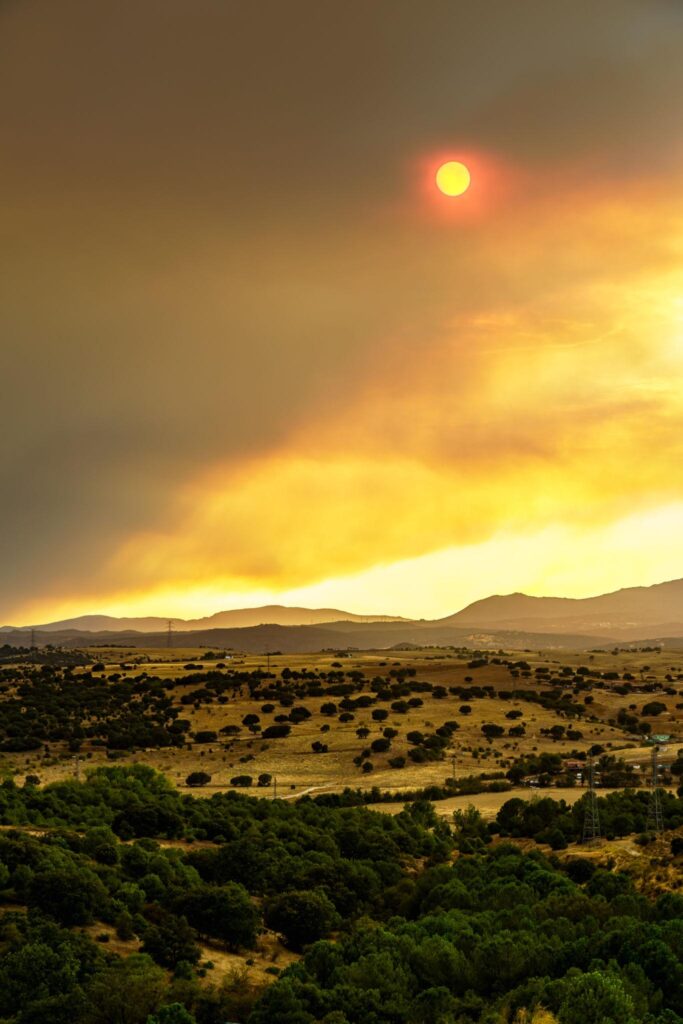
Wildfires in Mediterranean countries often become more difficult to contain during periods of low humidity and shifting winds. Fire behavior can change rapidly, making evacuation decisions especially important. Authorities continue monitoring weather conditions because any increase in wind speed could expand fire fronts into additional communities. Emergency planners also warned residents to remain alert for changing evacuation notices.
Thousands Evacuated as Firefighters Race to Protect Communities
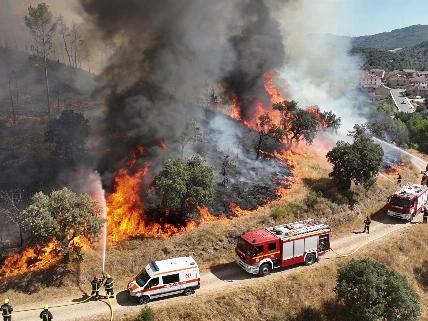
Emergency crews focused first on protecting lives before defending homes and infrastructure. Temporary shelters were opened for displaced residents while emergency services coordinated transportation, medical assistance, food supplies, and accommodation for families forced to leave affected areas. Local authorities also issued road closures in several locations to keep evacuation routes open and allow firefighting equipment to move safely.
Aircraft dropped water on active fire zones while hundreds of firefighters worked on the ground to establish containment lines. Spain also coordinated additional resources through national emergency systems as officials monitored whether neighboring fires could merge into larger, more dangerous fire complexes. Fire suppression efforts remained challenging because of smoke, terrain, and rapidly changing weather conditions.
Europe Faces a Growing Wildfire Challenge
Spain’s emergency comes as several European countries continue battling destructive wildfires. France evacuated tens of thousands of residents from wildfire-threatened areas and requested assistance from European Union partners. Italy also experienced significant wildfire activity during the same period, highlighting how widespread the regional wildfire threat has become.
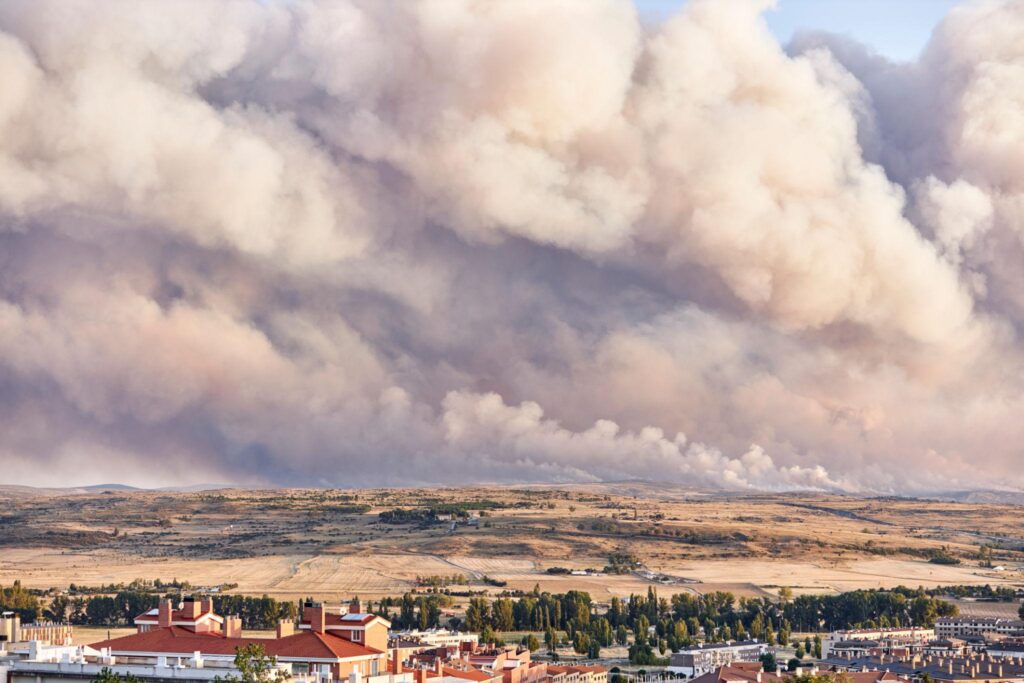
Experts note that southern Europe has experienced increasingly intense wildfire seasons in recent years. Rising temperatures, prolonged drought, and changing weather patterns can increase wildfire risk, although the severity of any individual fire also depends on local weather, vegetation, and land management. Governments across Europe continue investing in prevention, early detection, firefighting technology, and emergency preparedness to reduce future wildfire impacts.
What Happens Next for Spain’s Emergency Response
Firefighters will continue working to contain active fire lines while officials assess damage to homes, forests, public infrastructure, and agricultural land. Authorities will gradually allow residents to return only after fire conditions become stable and evacuation zones are declared safe. Investigations into the causes of individual fires may continue even after emergency operations end.
In the coming days, emergency managers will closely monitor weather forecasts because additional heat or wind could complicate containment efforts. The wildfire emergency is also expected to renew discussions about climate adaptation, forest management, emergency planning, and long-term wildfire resilience across Europe. For residents living in fire-prone regions, preparedness, early evacuation, and official safety guidance remain critical during periods of elevated wildfire danger.
Subscribe to trusted news sites like USnewsSphere.com for continuous updates.