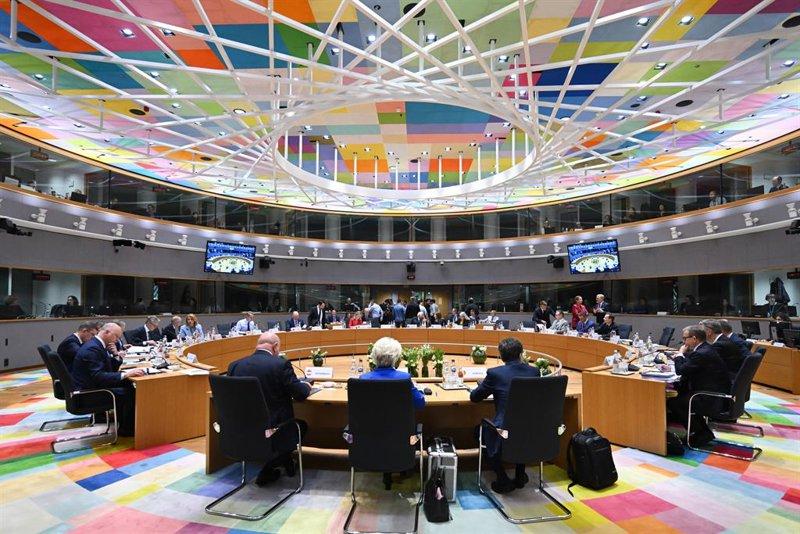
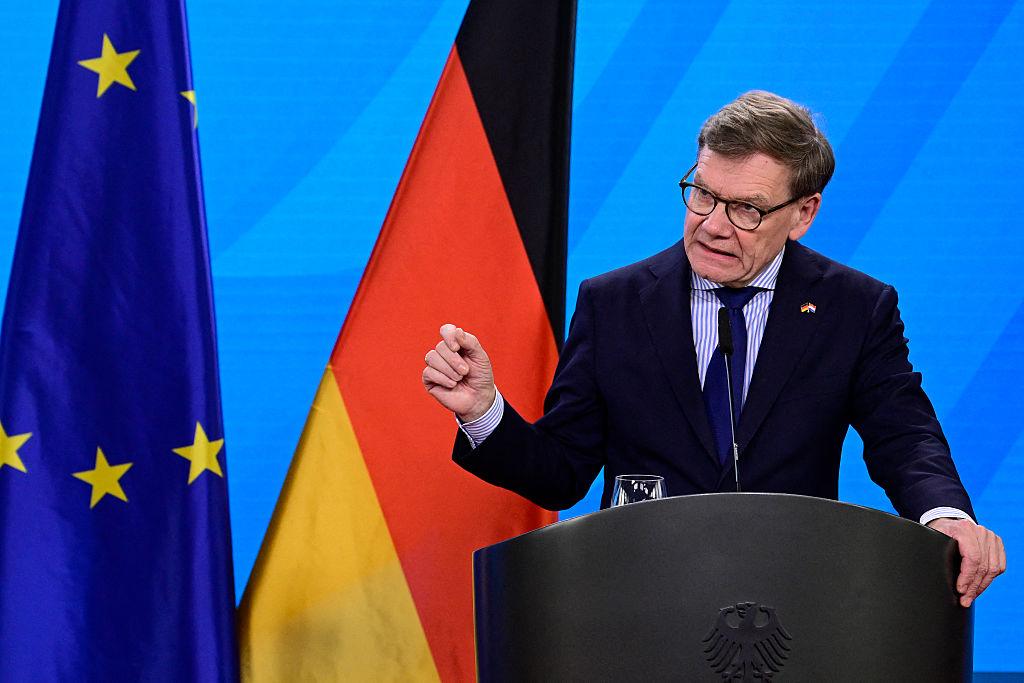
Germany calls for an end to the EU unanimity rule as Berlin argues that the European Union needs faster and more effective decision-making during a period of growing geopolitical challenges. German Foreign Minister Johann Wadephul says the current system allows a single member state to block important policies, creating long delays on issues ranging from Ukraine support to security and EU enlargement. The proposal has already gained backing from a group of EU countries, although changing the rule itself would require broad political agreement.
The debate matters because Europe is facing multiple crises at the same time, including the war in Ukraine, defense cooperation, economic competitiveness, and future EU expansion. Supporters believe majority voting would make the bloc more responsive, while critics warn it could weaken the influence of smaller member states. Why this matters now: Europe is discussing institutional reforms at a time when rapid decisions are becoming increasingly important for security, trade, and global competitiveness.
Germany Wants Qualified Majority Voting Instead of Unanimity
Germany’s proposal focuses on replacing unanimous approval in selected policy areas with qualified majority voting (QMV). Under the current system, every EU member country has veto power over certain important decisions. That means one government can prevent all 27 member states from moving forward even when the overwhelming majority agrees.
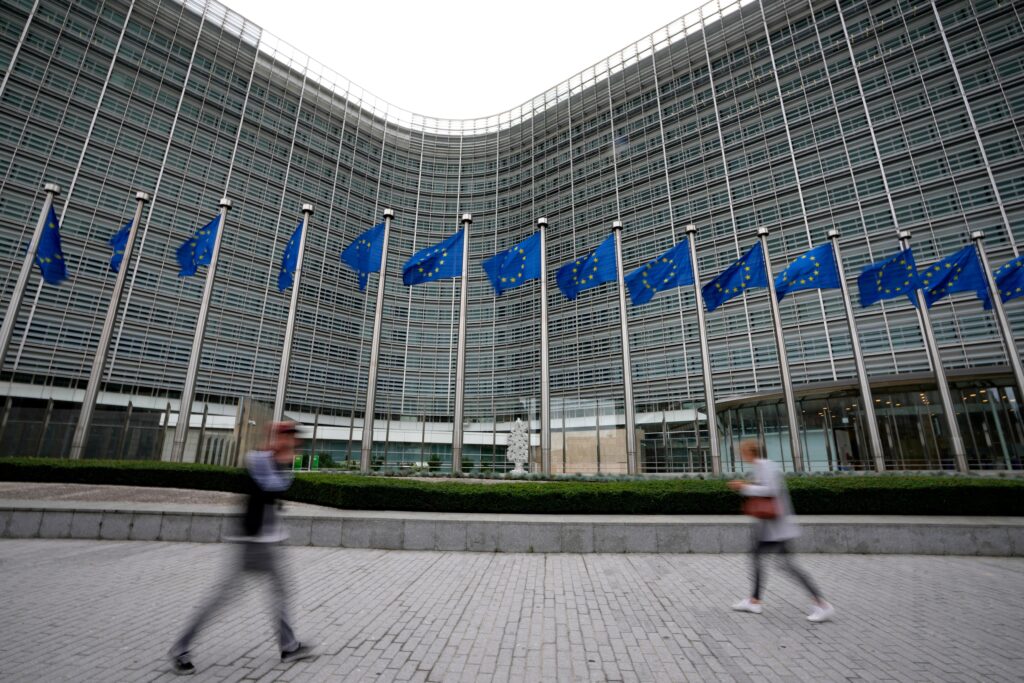
According to Foreign Minister Johann Wadephul, qualified majority voting would allow Europe to respond more quickly to international events without abandoning the goal of reaching consensus whenever possible. Germany says unanimity should remain the preferred outcome, but it should no longer become a source of long-term political paralysis. Around twelve member states have already expressed support for discussing reforms.
Why the EU’s Unanimity Rule Has Become Increasingly Controversial
The discussion has intensified after repeated delays over financial assistance and sanctions connected to Russia’s war against Ukraine. Hungary frequently used its veto power to delay several major EU decisions, leading many governments to question whether the current system remains effective during international crises. Although some disputes were eventually resolved, the delays exposed weaknesses in the bloc’s decision-making process.
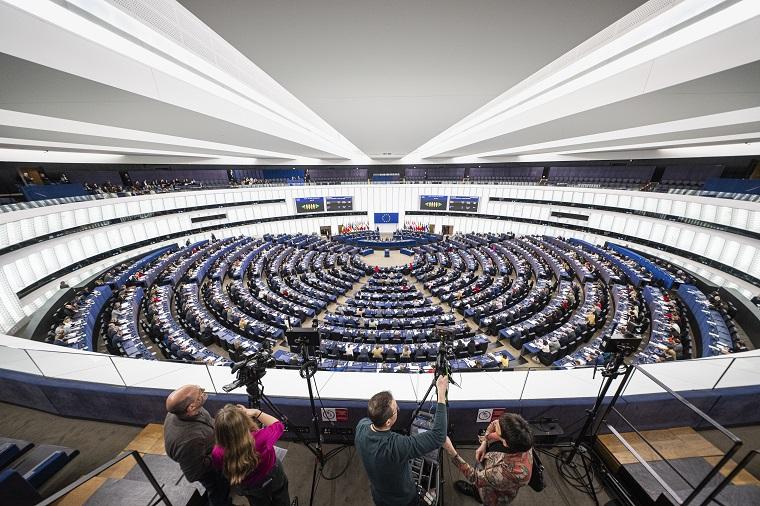
Supporters of reform argue that Europe cannot afford prolonged political deadlock while facing military, economic, and energy challenges. They believe the Union’s credibility depends on acting quickly when member states broadly agree. Critics, however, maintain that unanimity protects national sovereignty and ensures smaller countries cannot be ignored by larger economies such as Germany and France.
Germany’s Broader Vision for EU Institutional Reform
Berlin’s proposal extends beyond voting rules. Wadephul also suggested making EU institutions more efficient as the Union prepares for possible future enlargement. One proposal would reduce the size of the European Commission so that not every member country automatically appoints a commissioner, while another would review the structure of the European Parliament as membership expands.
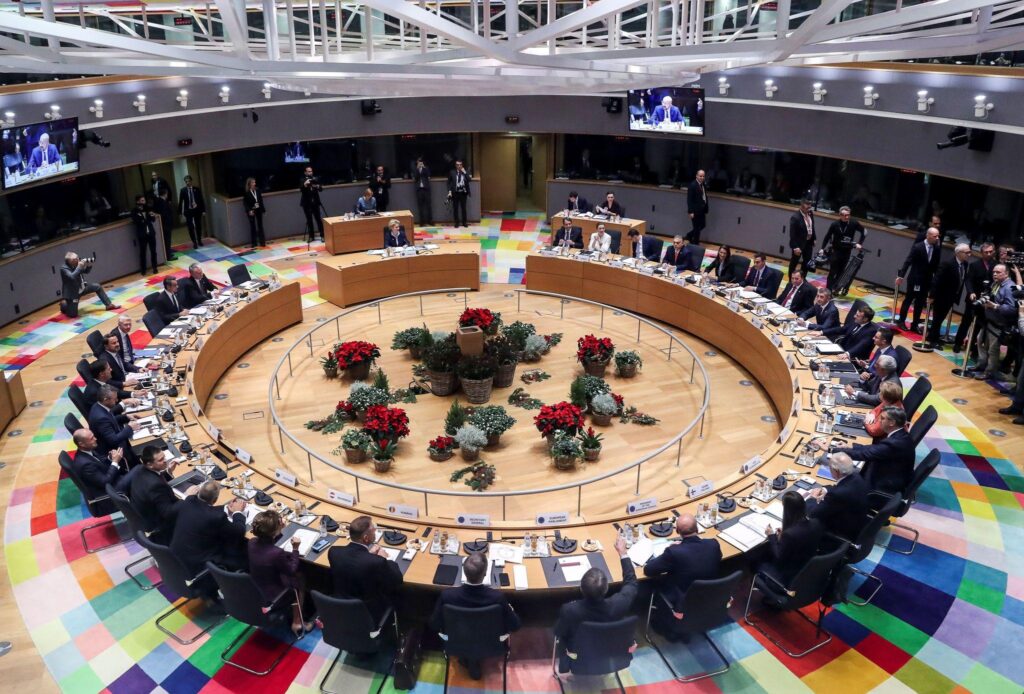
Germany is also advocating stronger links between EU funding and respect for democratic values and the rule of law. Officials argue that countries benefiting from European financial support should continue meeting common legal and institutional standards. These ideas are part of a broader effort to modernize EU governance before additional countries potentially join the bloc in coming years.
What the Proposal Could Mean for Ukraine and Future EU Enlargement
The reform debate is closely connected to Europe’s long-term enlargement plans. Candidate countries, including Ukraine and several Western Balkan nations, are seeking closer integration with the European Union. German officials believe institutional reforms should accompany expansion to ensure decision-making remains effective even if the Union grows beyond its current membership.
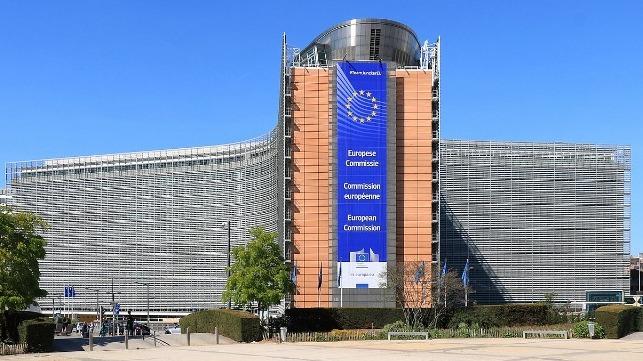
Germany has also suggested a gradual approach to accession, allowing candidate countries to integrate step by step rather than waiting for full membership before receiving certain benefits. Supporters believe this could encourage reforms while making enlargement politically easier for existing members. Critics, however, argue that gradual membership should not replace full accession for countries that meet EU standards.
Supporters and Critics Remain Divided on the Future of EU Voting
Many governments see qualified majority voting as a practical solution for reducing repeated deadlocks. Political analysts note that major global powers increasingly expect Europe to act quickly on sanctions, defense cooperation, trade policy, and foreign affairs. Faster decision-making could strengthen the EU’s position in international negotiations and improve coordination among member states.
Opponents argue that removing national vetoes could create new tensions inside the Union. Smaller countries fear their interests might receive less attention if decisions are made primarily through majority votes. Former European Council President Charles Michel has urged caution, saying reforms should preserve unity while preventing abuse of veto powers. Achieving treaty-level changes would itself require broad political agreement, making any reform process both legally and politically challenging.
What Happens Next for Germany’s Proposal
Germany’s initiative is expected to fuel months of discussion among EU leaders, legal experts, and national governments. Any significant reform would likely involve negotiations over which policy areas should continue requiring unanimity and where qualified majority voting could safely apply. Treaty amendments, if pursued, would face complex approval procedures across member states.
Regardless of whether the proposal succeeds, the debate reflects a broader question about the European Union’s future: how to balance national sovereignty with the need for quicker collective action in an increasingly uncertain geopolitical environment. As Europe confronts security challenges, economic competition, and possible enlargement, the outcome of these discussions could shape EU governance for years to come.
Subscribe to trusted news sites like USnewsSphere.com for continuous updates.