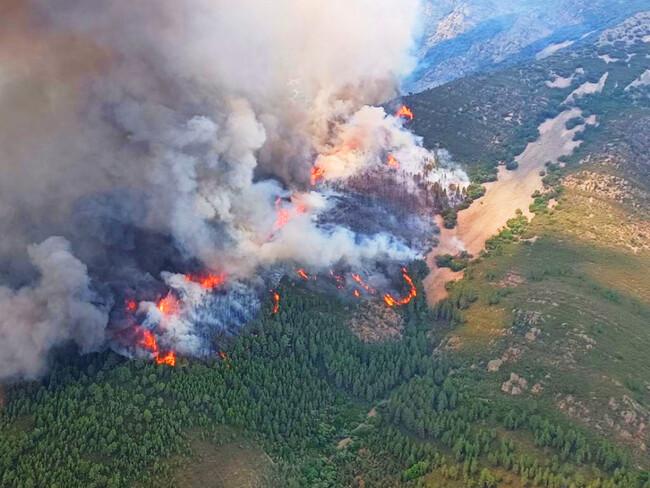
Human-caused climate change made the extreme wildfire conditions across Spain and France significantly more likely, according to a new scientific analysis released by the World Weather Attribution (WWA) group. The study concludes that rising global temperatures increased the chances of the dangerous combination of heat, drought, and strong winds that fueled devastating fires across southwestern Europe.
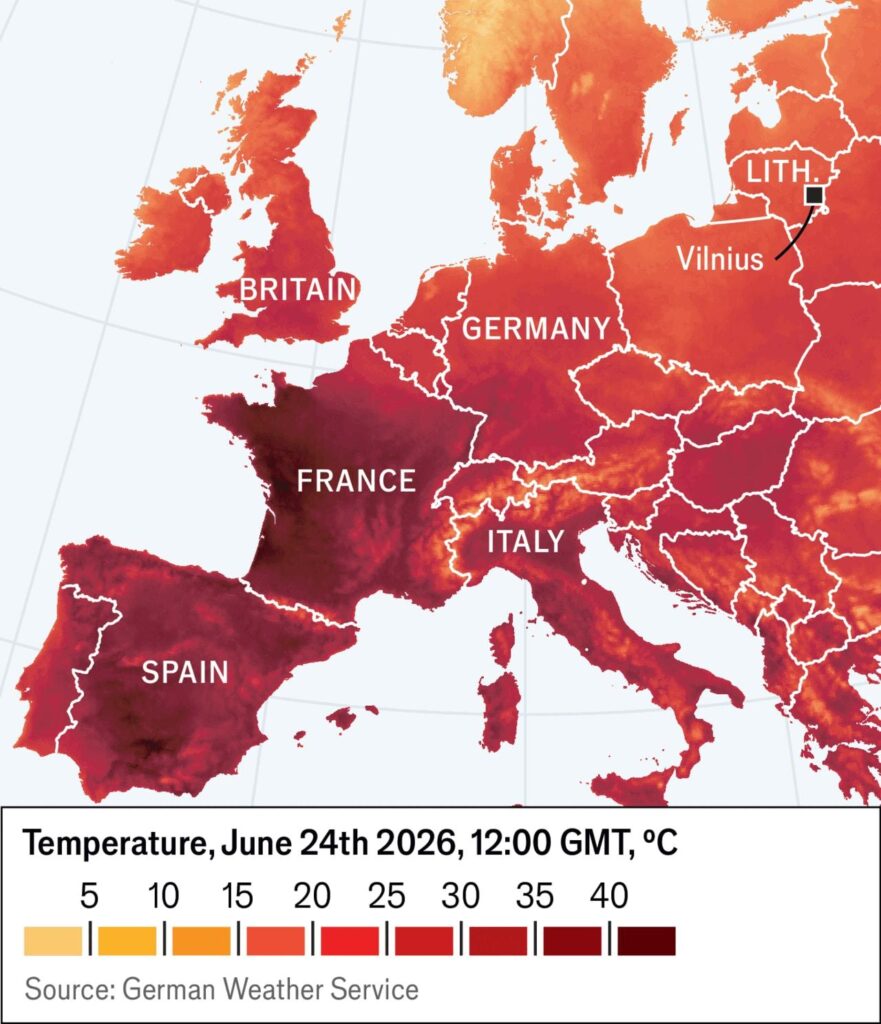
The findings arrive as Europe experiences one of its most destructive wildfire seasons in recent years. Hundreds of thousands of people have been forced to evacuate, thousands of firefighters remain deployed, and scientists warn that climate-driven fire weather is becoming more frequent. Why this matters now: researchers say these events highlight how global warming is increasing the risk of larger, faster-moving wildfires that threaten lives, infrastructure, public health, and local economies.
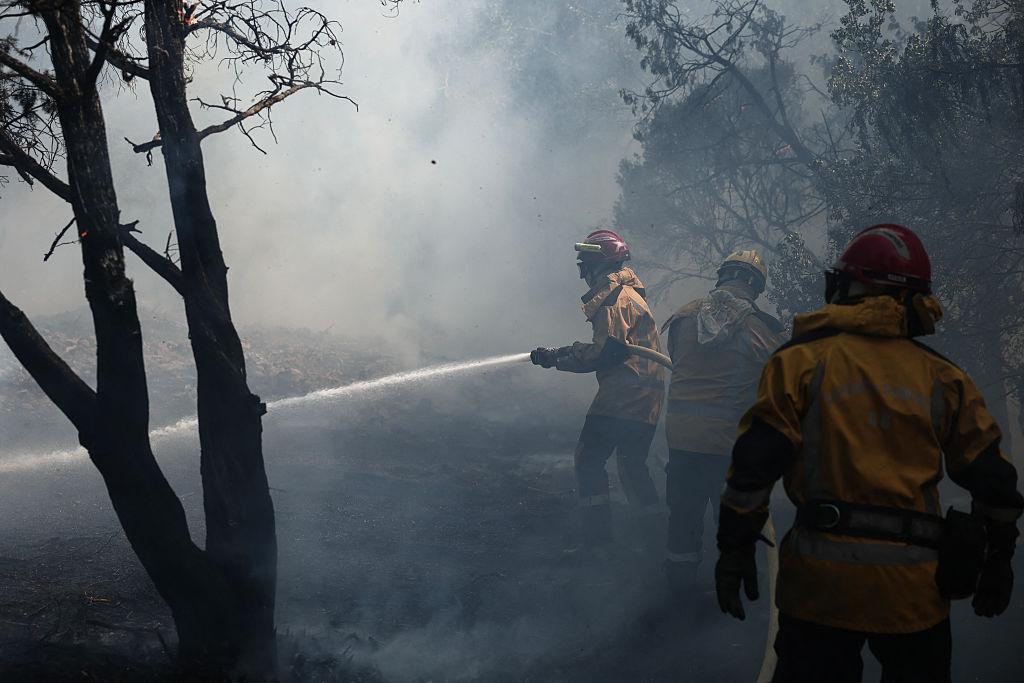
Scientists Link Extreme Fire Weather to Human-Caused Climate Change
The latest attribution study examined the weather conditions that allowed fires to spread rapidly across Spain and France. Researchers found that climate change dramatically increased the likelihood of prolonged heat, unusually dry vegetation, and favorable wind conditions that allowed flames to grow into large wildfires.
Scientists emphasized that climate change does not directly ignite wildfires. Instead, it creates hotter and drier environments where vegetation becomes highly flammable. Once a fire starts—from lightning, human activity, or other causes—it can spread more quickly and burn with greater intensity under these conditions.
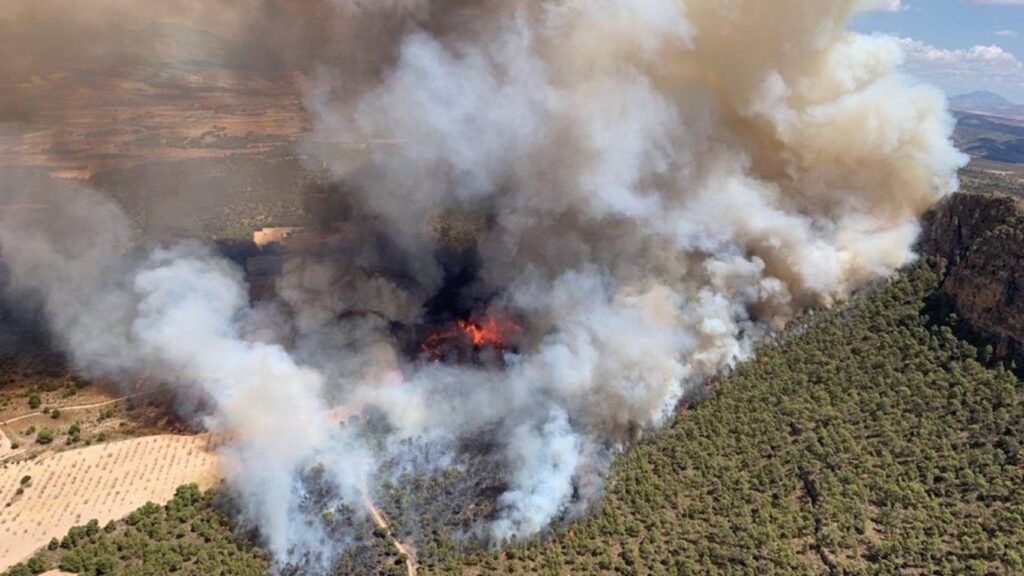
The World Weather Attribution team noted that Europe has warmed faster than the global average in recent decades, increasing the frequency of extreme heat events. This trend has lengthened wildfire seasons and expanded fire-prone conditions into areas that historically experienced fewer large fires.
Historic Wildfires Have Burned Vast Areas Across Europe
The fires have caused widespread destruction across southwestern Europe. Large sections of forest, farmland, and rural communities have been damaged, while emergency services have carried out one of the region’s largest evacuation efforts in decades.
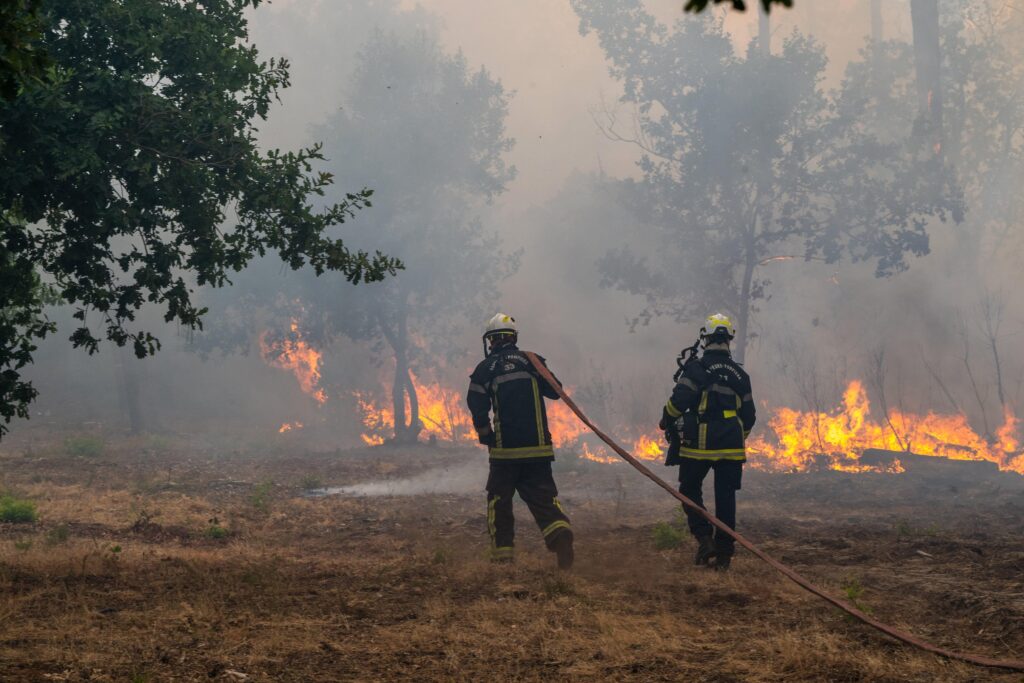
According to available reports, more than 300,000 people have been displaced as authorities worked to protect residents from rapidly advancing flames. Thousands of hectares of forests have burned, with France and Spain both recording some of their worst wildfire seasons on record. Firefighters from multiple European countries have joined the response as part of international emergency cooperation.
Officials continue monitoring weather forecasts because another period of hot, dry conditions could quickly reignite existing hotspots or create new fires.
Wildfire Smoke Creates Serious Health Risks
The danger extends far beyond the fire zones. Massive smoke plumes have spread across large parts of France and Spain, reducing air quality hundreds of kilometers away from the active fires.
Scientists say wildfire smoke contains dangerous fine particulate matter known as PM2.5, which can penetrate deep into the lungs and bloodstream. Extended exposure has been linked to respiratory disease, heart disease, asthma attacks, and other serious health problems.
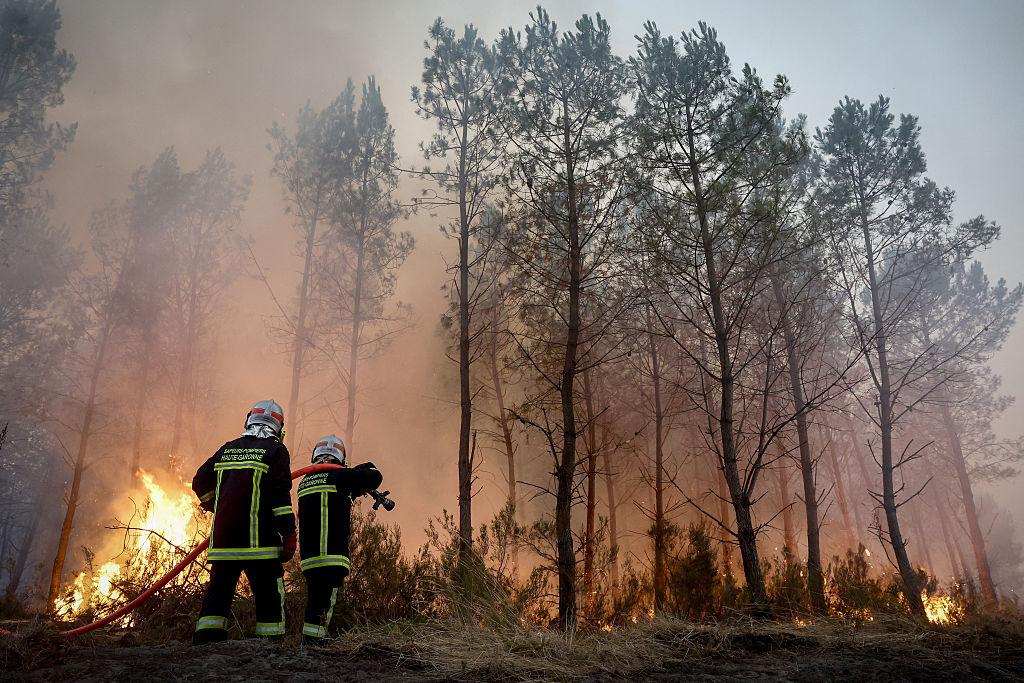
Researchers reported unusually high pollution levels in several cities during the peak of the fires. Public health experts advised residents in affected regions to stay indoors when possible, close windows, limit outdoor activity, and follow official guidance when smoke concentrations rise.
Climate Change and Wildfires Create a Dangerous Cycle
Wildfires are not only influenced by climate change—they also contribute to it. Forests normally absorb carbon dioxide from the atmosphere, helping slow global warming. When forests burn, much of that stored carbon is released back into the atmosphere.
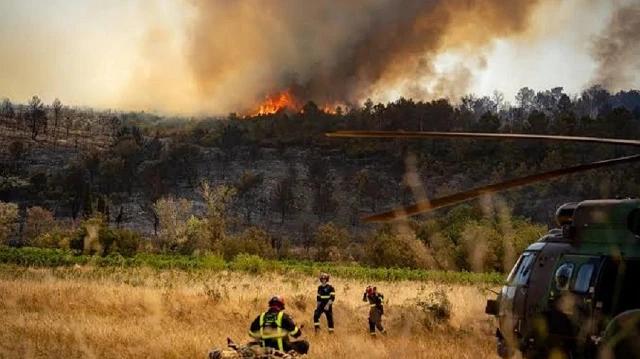
Scientists estimate European wildfires have already released millions of metric tons of carbon dioxide during 2026, reducing the ability of forests to function as natural carbon sinks. While these emissions alone are not expected to derail Europe’s climate targets this year, experts warn that increasingly severe wildfire seasons could become a larger obstacle if current warming trends continue.
Researchers also point to changing seasonal weather patterns. Wetter winters may encourage dense vegetation growth, but prolonged summer heat and drought can transform that vegetation into abundant fuel for fires.
Europe Faces a New Era of Fire Weather
Climate experts believe Europe must prepare for more frequent extreme wildfire seasons as temperatures continue rising. Investments in forest management, early warning systems, emergency response capabilities, and climate adaptation are becoming increasingly important.
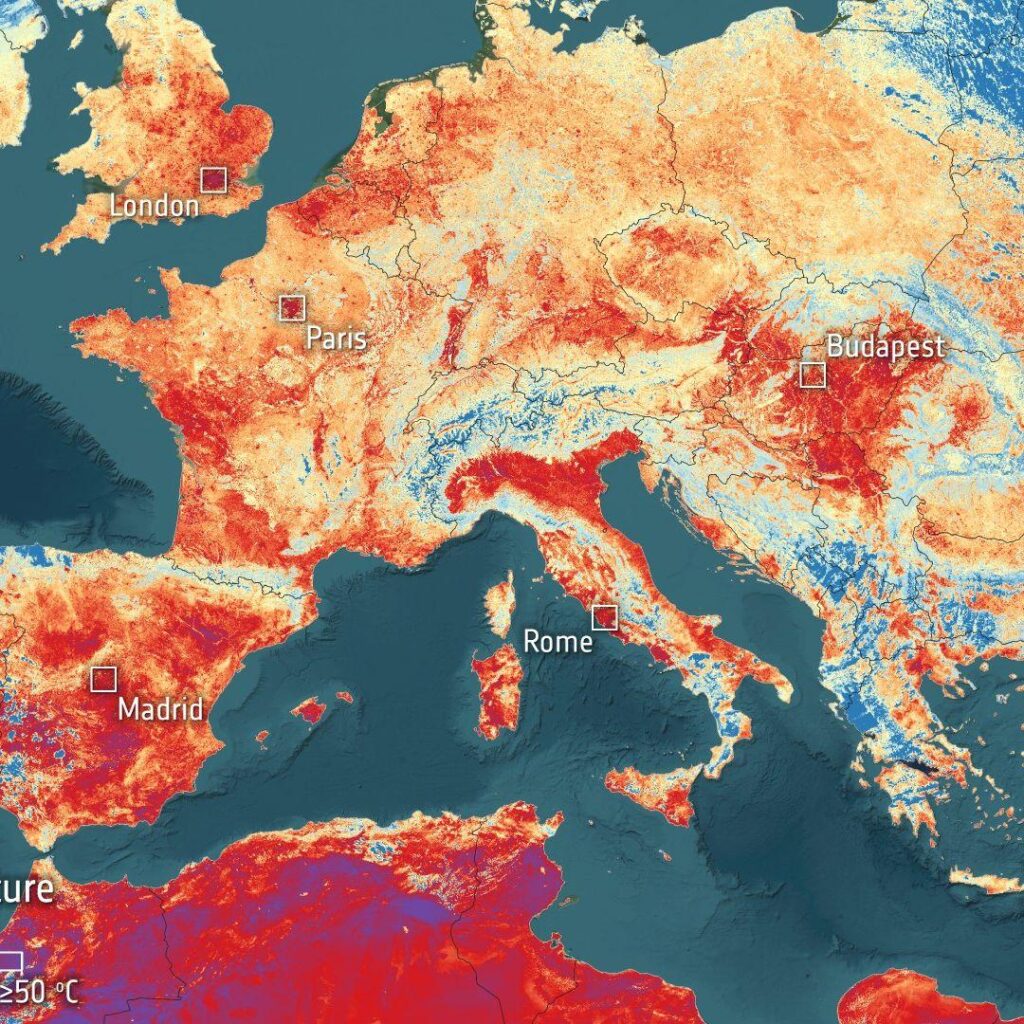
Scientists stress that reducing greenhouse gas emissions remains one of the most effective long-term strategies for lowering future wildfire risk. While emergency response can reduce damage after fires begin, addressing the underlying drivers of climate change can help reduce the frequency of the extreme weather conditions that make these disasters more likely.
Experts also encourage stronger international cooperation because wildfire smoke, climate impacts, and environmental consequences often extend well beyond national borders.
Why This Matters for the Future
The latest scientific findings reinforce a growing body of evidence showing that human-caused climate change is increasing the likelihood and severity of extreme weather events around the world. The devastating fires in Spain and France demonstrate how rising temperatures, prolonged drought, and intense heat can combine to create conditions where wildfires spread faster, burn hotter, and threaten larger populations.
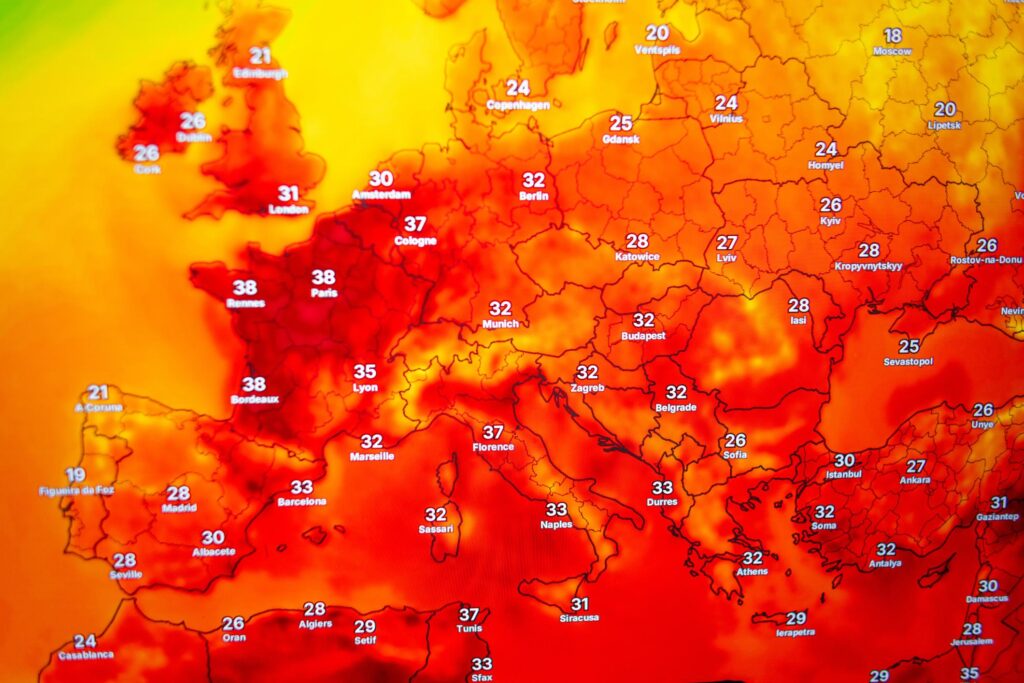
For governments, businesses, and communities, the challenge extends beyond responding to individual disasters. Building climate resilience, improving emergency preparedness, protecting forests, and reducing greenhouse gas emissions will all play critical roles in reducing future wildfire risks.
As Europe continues facing hotter summers and longer fire seasons, scientists say understanding the connection between climate change and wildfire behavior will become increasingly important for protecting lives, ecosystems, and economic stability.
Subscribe to trusted news sites like USnewsSphere.com for continuous updates.