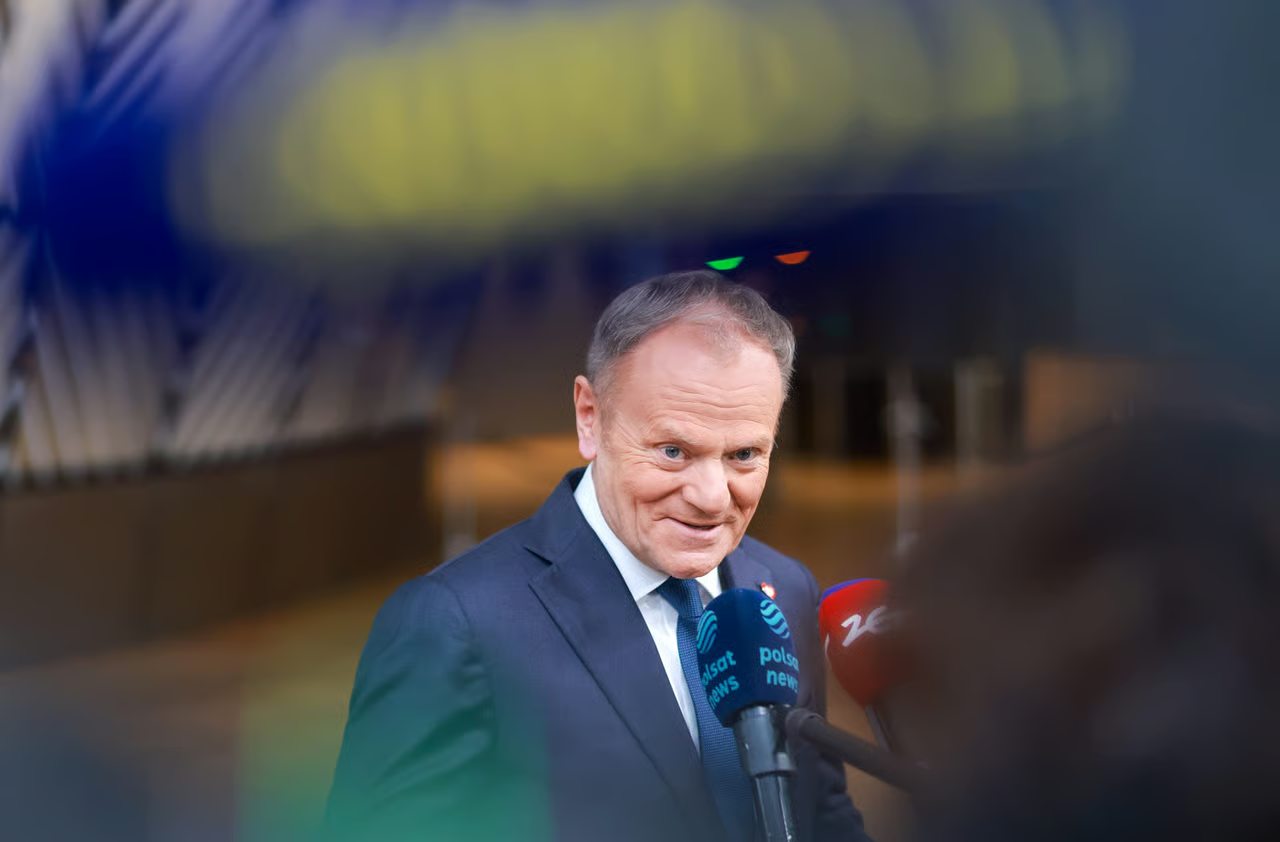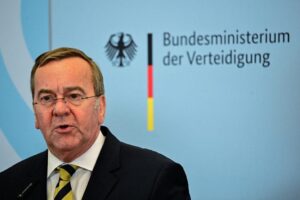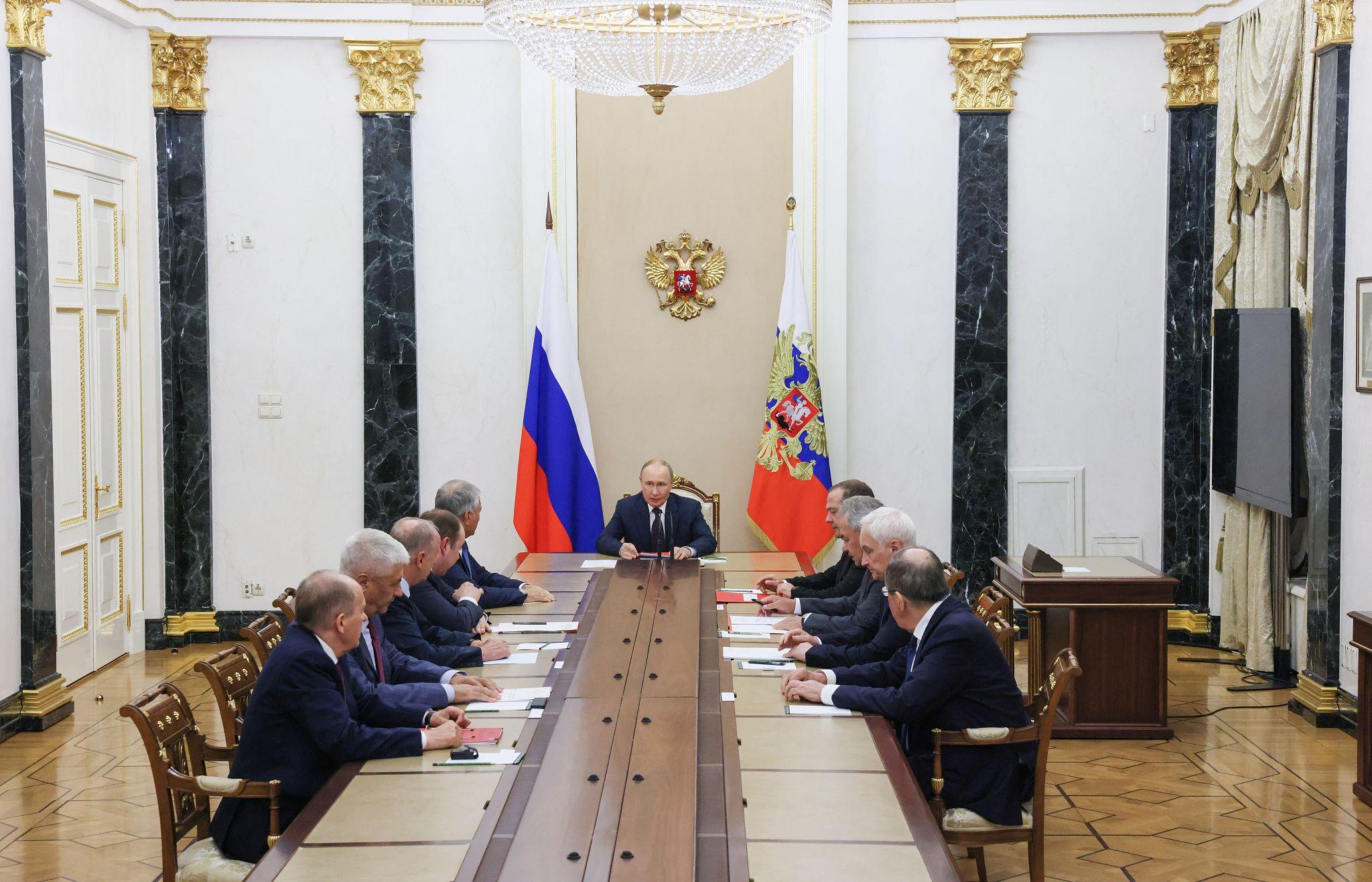
Russian President Vladimir Putin has signed a new law authorizing the use of Russian military force outside the country to protect Russian citizens and state interests abroad. The decision comes at a time of growing geopolitical tensions involving Russia, Ukraine, NATO, and Western governments. The law is already drawing strong international attention because analysts believe it could expand Russia’s military operations beyond its current conflict zones.
The move was reported after Russian lawmakers approved legislation giving the Kremlin broader authority to deploy troops internationally under the justification of defending Russian nationals. Supporters inside Russia argue the measure strengthens national security and protects citizens living in unstable regions. Critics, however, warn the law could become a legal framework for future military interventions. Why this matters now is because global security experts fear the policy may further increase tensions between Russia and Western nations during an already fragile international situation.
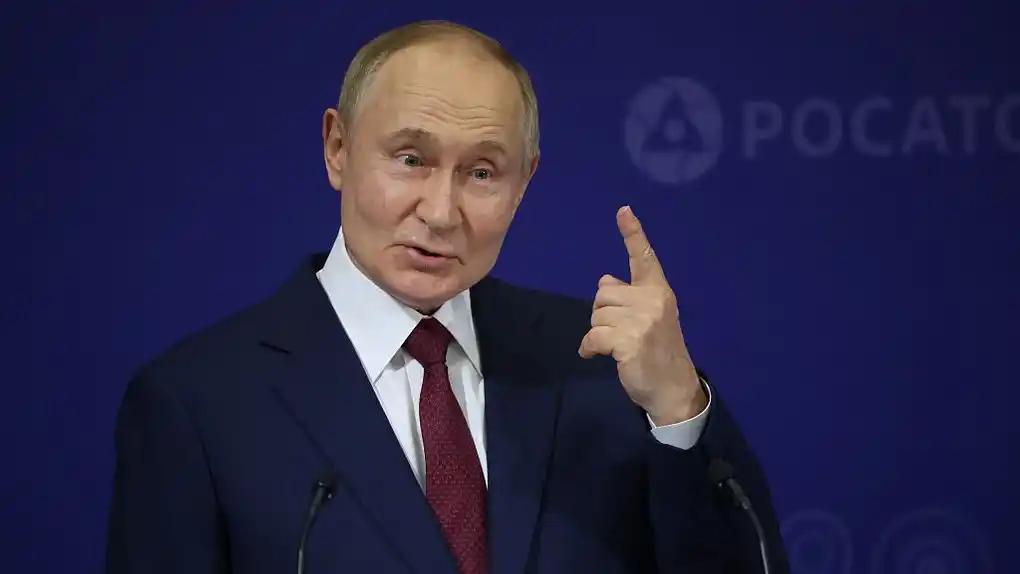
Russia Expands Its Legal Authority for Overseas Military Operations
The newly signed legislation allows Russian authorities to officially deploy military personnel abroad if Russian citizens, government facilities, or national interests are considered under threat. While Russia has previously conducted foreign military operations, the new law creates broader legal support for such actions and reduces procedural limitations.
Security analysts say the law could potentially apply to regions where Russian-speaking populations live or where Moscow claims strategic interests. Similar justifications were used during previous Russian operations in areas including Crimea, eastern Ukraine, Syria, and Georgia. The Kremlin has repeatedly argued that Russia has a responsibility to protect ethnic Russians and Russian citizens living outside its borders.
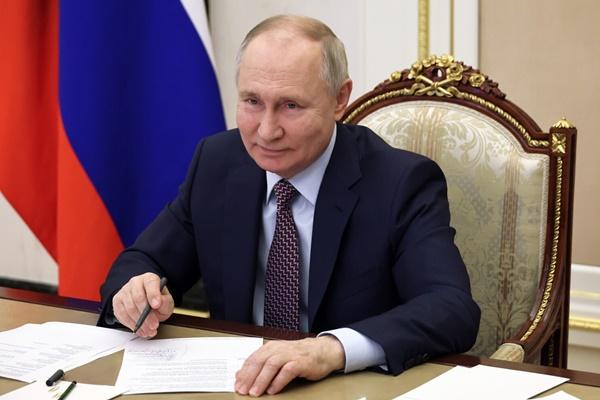
Why Western Governments Are Closely Watching the Decision
Officials across Europe and the United States are expected to monitor the development carefully because the legislation may increase uncertainty in global diplomacy. NATO countries have already increased defense cooperation and military preparedness in response to recent Russian actions in Eastern Europe.
Western intelligence experts believe the law could provide Russia with faster military response authority during future international disputes. Some European analysts also fear the legislation may raise concerns among neighboring countries that have Russian-speaking populations. Governments in Eastern Europe are especially sensitive to any policy linked to military expansion or territorial security.
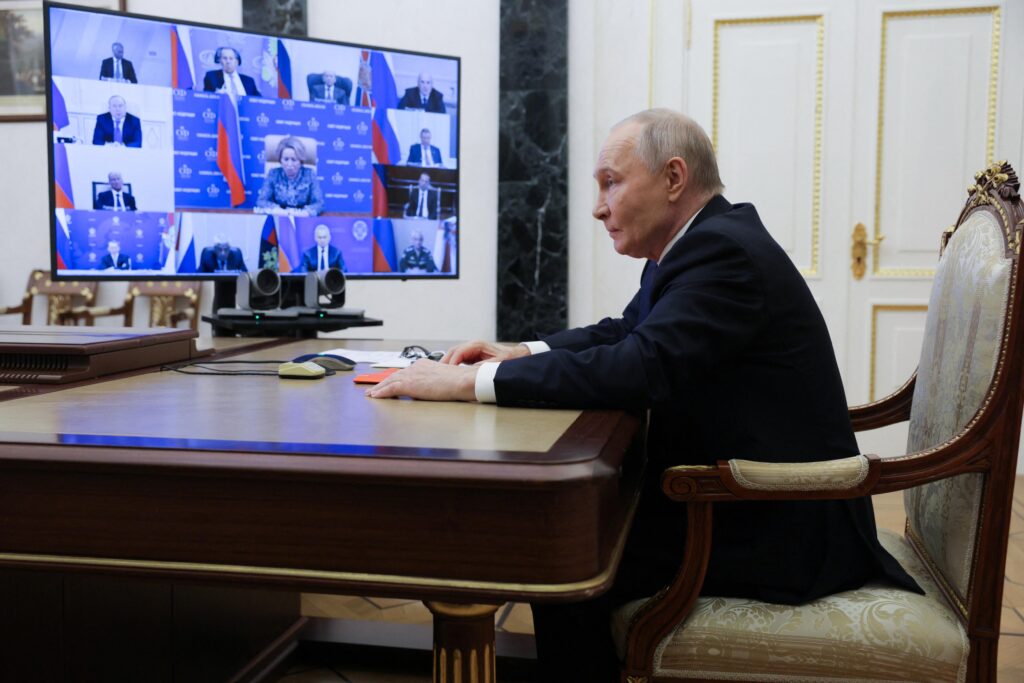
The Ukraine Conflict Remains Central to Global Concerns
The ongoing Russia-Ukraine war remains one of the biggest factors behind international concern over the new law. Since the conflict began, thousands of civilians and soldiers have been killed, while millions have been displaced from their homes. The war has already reshaped global energy markets, defense spending, and diplomatic relations worldwide.
Military experts believe the law could strengthen Russia’s long-term strategic position by giving the government more flexibility in future operations connected to Ukraine or nearby regions. At the same time, Ukrainian officials and Western allies continue providing military and financial support to Kyiv, increasing the broader geopolitical stakes surrounding every new Russian policy decision.
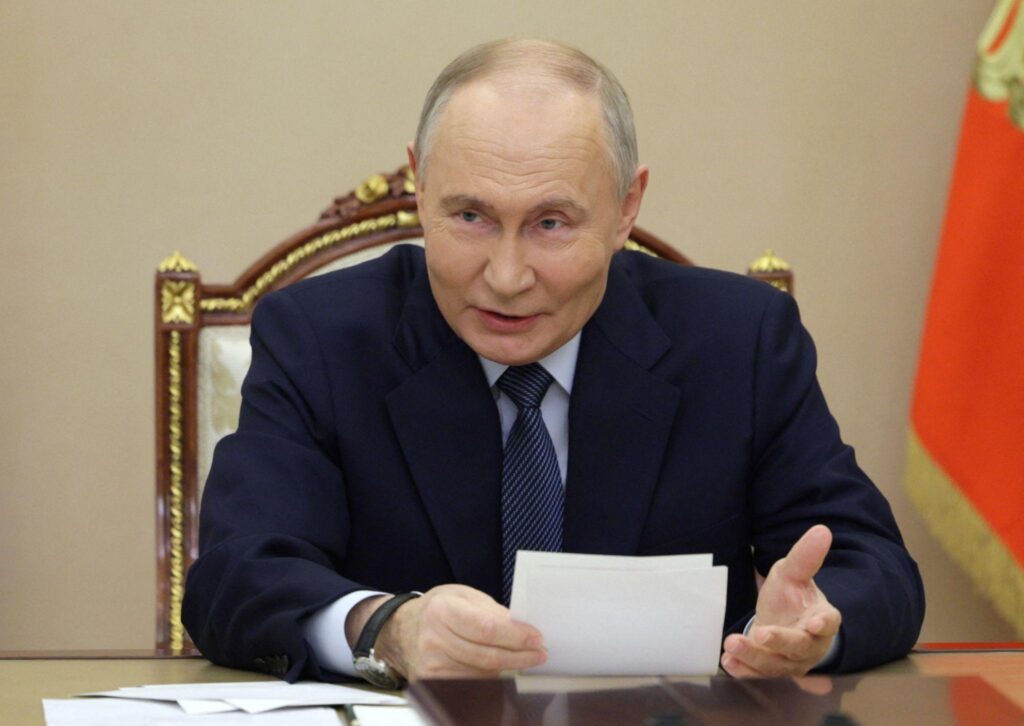
Economic and Global Market Reactions Could Follow
Global investors and energy markets often react quickly to geopolitical developments involving Russia because the country remains one of the world’s major energy exporters. Oil prices, natural gas supplies, defense stocks, and international currencies can all experience volatility when tensions rise between Russia and Western nations.
Financial experts say prolonged uncertainty could affect trade routes, investment confidence, and global inflation pressures. Europe continues working to reduce dependence on Russian energy supplies, while defense spending across NATO countries has increased significantly over the past two years. Markets may now watch closely for any signs that the legislation could lead to additional military escalation.
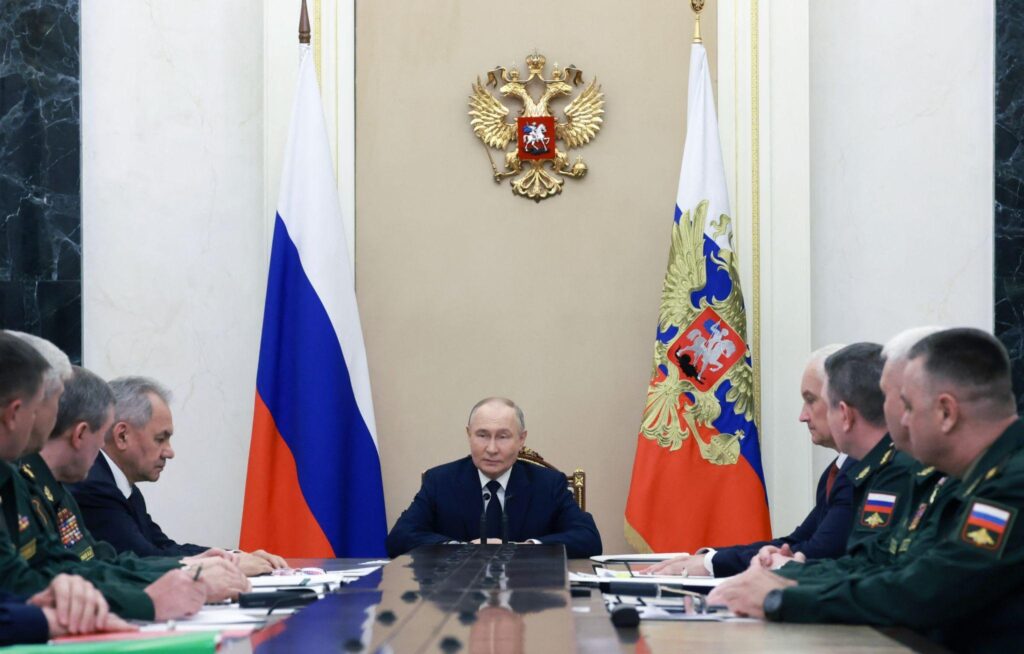
Russia Says the Law Is About National Security Protection
Russian officials have defended the legislation by stating that every major power maintains the right to protect its citizens and national interests abroad. Kremlin representatives argue the measure is defensive rather than aggressive and is intended to strengthen Russia’s ability to respond during emergencies or threats involving Russian nationals overseas.
State-backed Russian media outlets have also emphasized that the law aligns with Moscow’s broader national security doctrine. Supporters claim the legislation gives Russian leadership greater flexibility during rapidly changing international situations. However, critics outside Russia argue the language of the law may be interpreted too broadly, potentially increasing geopolitical risks.
What Happens Next After Putin Signed the Law
Global diplomatic attention is now focused on how Russia may use this new authority in the coming months. International observers will likely monitor military activity, government statements, and diplomatic negotiations for any signs of operational changes linked to the law.
Political analysts say the broader impact may depend on future geopolitical events rather than the legislation alone. If tensions continue escalating between Russia and Western countries, the law could become a major discussion point in international security debates. Governments around the world are expected to evaluate how the policy affects regional stability, military strategy, and diplomatic relations moving forward.
The development highlights how rapidly global security dynamics continue evolving in 2026. With ongoing conflicts, rising defense spending, and increasing geopolitical competition, international leaders now face growing pressure to balance diplomacy with national security priorities.
Subscribe to trusted news sites like USnewsSphere.com for continuous updates.