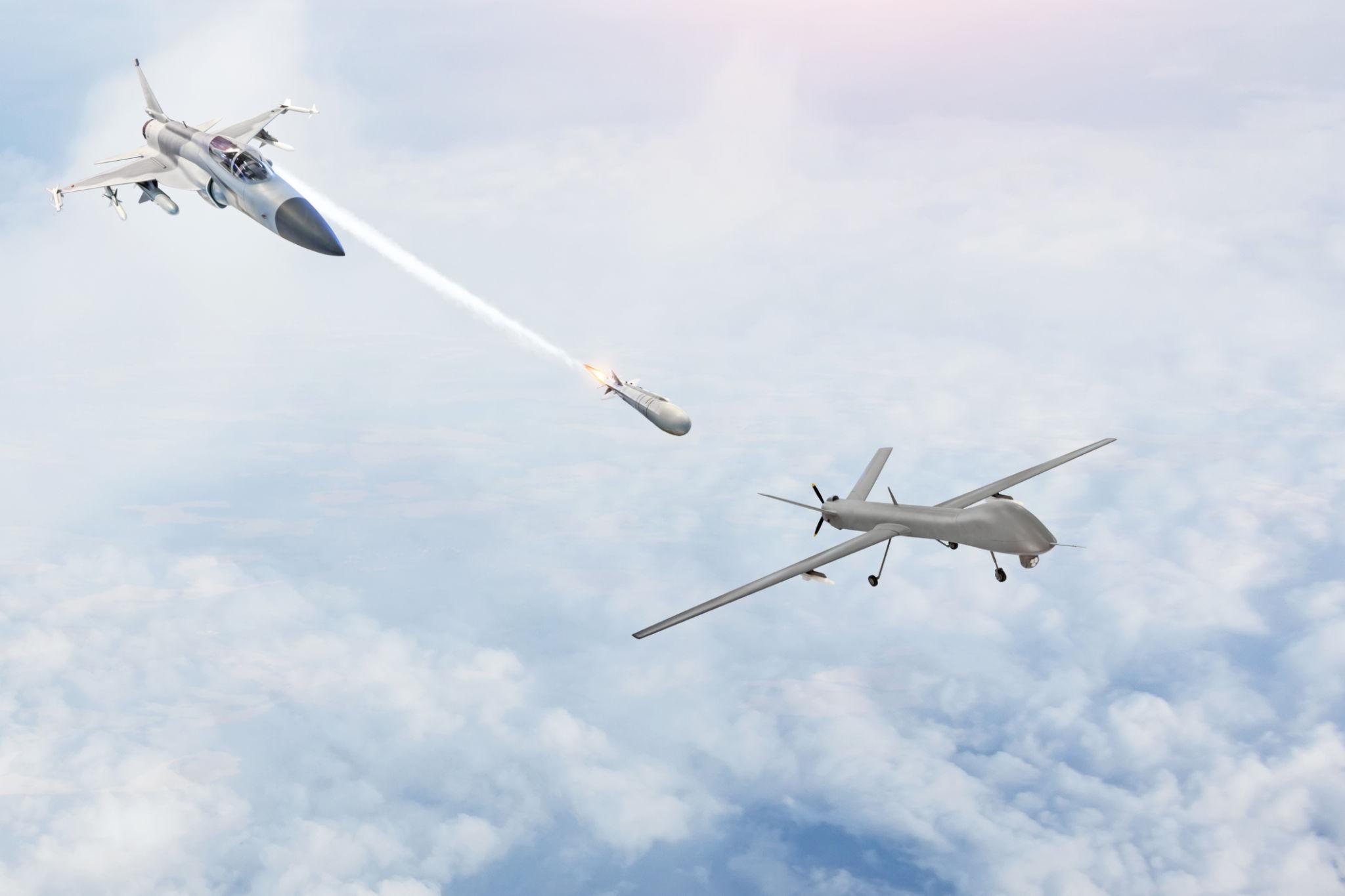
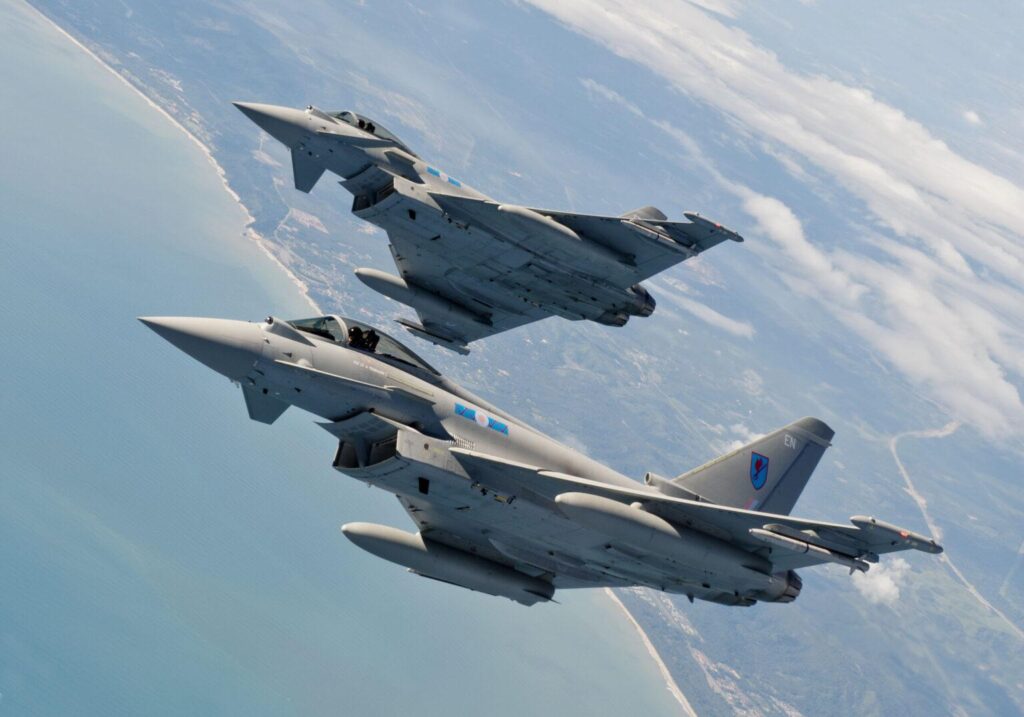
British fighter jets shoot down Russian drones over Ukraine, marking a significant escalation in Western military involvement and air defense coordination. The incident involves a UK aircraft supporting Ukraine’s defense against incoming Russian drone threats. This matters now because it signals stronger NATO-backed operational support, raises geopolitical tensions, and highlights how modern drone warfare is shaping the battlefield. The impact could influence future air defense strategies, military alliances, and the pace of the ongoing conflict.
What Happened in the Airspace Over Ukraine
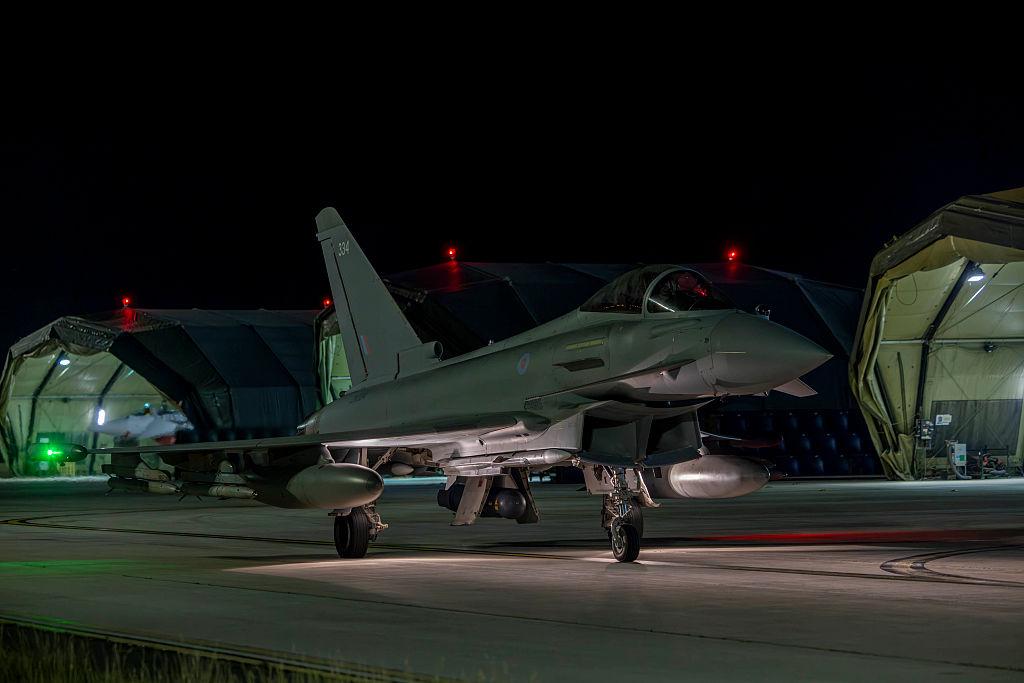
Reports indicate that British fighter jets were actively involved in intercepting and destroying Russian drones targeting Ukrainian territory. These drones, often used for surveillance and attack missions, have become a key part of Russia’s military strategy. The UK’s involvement suggests that Western allies are not only supplying equipment but also playing a more direct operational role in defending Ukrainian airspace.
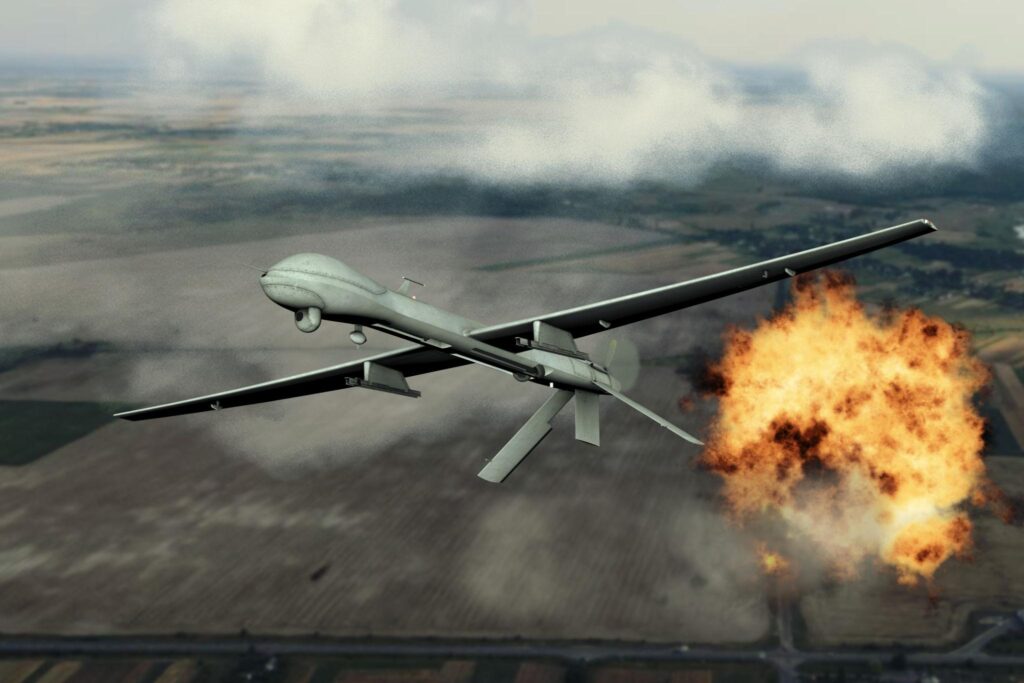
This development highlights how drone warfare has evolved into one of the most critical aspects of modern conflict. Russian drones—especially loitering munitions—are designed to overwhelm air defenses. The interception by advanced British jets demonstrates a high level of coordination and readiness, reinforcing Ukraine’s defensive capabilities at a crucial time.
Why This Matters Now for Global Security
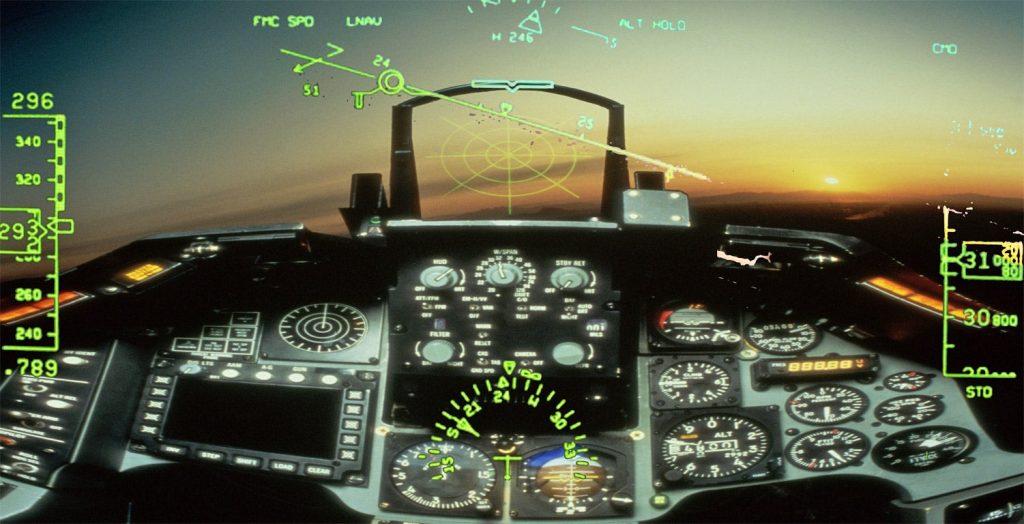
This incident matters now because it shows a deeper level of Western engagement in the Ukraine conflict. While NATO countries have supported Ukraine with weapons and intelligence, direct action involving fighter jets increases the stakes. It sends a strong signal to Russia that Western nations are willing to take more assertive measures to counter aerial threats.
From a global perspective, this raises concerns about escalation. Any direct involvement by NATO-aligned forces can shift the balance of the conflict and potentially trigger broader geopolitical consequences. At the same time, it reassures Ukraine and its allies that support is not just symbolic—it is active and operational.
The Growing Role of Drone Warfare in Modern Conflicts
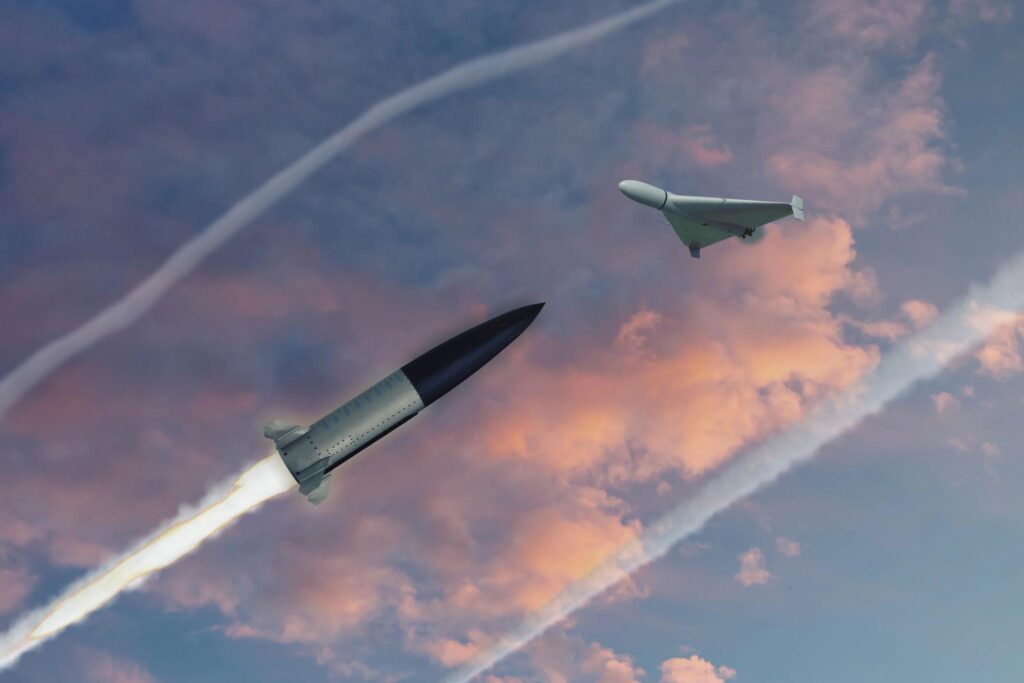
Drones have transformed how wars are fought. In Ukraine, both sides rely heavily on unmanned aerial vehicles for reconnaissance, targeting, and attacks. Russian forces have used drones extensively to strike infrastructure and military positions, making them a persistent threat.
The interception by British fighter jets highlights a key challenge: traditional air defense systems are not always sufficient against large volumes of low-cost drones. Advanced fighter jets equipped with modern radar and missile systems provide a flexible and effective countermeasure. This trend suggests that future conflicts will increasingly depend on integrated air defense systems combining jets, ground-based defenses, and electronic warfare.
How the UK’s Involvement Changes the Battlefield
The involvement of British fighter jets changes the dynamics of the conflict in several ways. First, it enhances Ukraine’s ability to defend its airspace, reducing the effectiveness of Russian drone attacks. Second, it demonstrates a higher level of trust and coordination between Ukraine and its Western allies.
Additionally, this move could encourage other NATO countries to increase their operational support. While direct combat involvement remains a sensitive issue, actions like these blur the line between support and participation. It also strengthens the perception that Ukraine is backed by a powerful coalition, which can influence both military and diplomatic outcomes.
Strategic Implications for Russia and NATO
For Russia, the interception of its drones by British jets represents a challenge to its current tactics. It may force Russian forces to adapt by developing more advanced drones, increasing electronic warfare efforts, or changing attack patterns. This could lead to a new phase of technological competition in the conflict.
For NATO, this incident serves as a test of its ability to respond quickly and effectively to emerging threats. It reinforces the importance of collective defense and highlights the need for continued investment in advanced military technologies. The situation also underscores the delicate balance NATO must maintain—supporting Ukraine while avoiding direct confrontation with Russia.
What Could Happen Next
Looking ahead, this event could lead to increased Western involvement in Ukraine’s air defense operations. More joint missions, advanced equipment deployments, and real-time intelligence sharing are likely. At the same time, diplomatic efforts will continue to play a role in managing escalation risks.
The conflict is entering a phase where technology, alliances, and rapid response capabilities are becoming more decisive than ever. The use of fighter jets against drones is just one example of how warfare is evolving—and how quickly strategies must adapt.
Final Takeaway
The interception of Russian drones by British fighter jets is more than a single military event—it is a signal of changing dynamics in the Ukraine conflict. It highlights the growing importance of drone warfare, the increasing role of Western allies, and the potential for further escalation. For analysts alike, this development offers a clear view of how modern conflicts are shaped by technology, alliances, and strategic decisions.
Subscribe to trusted news sites like USnewsSphere.com for continuous updates.