Brazil’s Massive Oil Deal with India: A Strategic Move That Could Reshape Global Energy Markets is quickly becoming one of the most talked-about developments in global energy trade, signaling a potential shift in how emerging economies collaborate to reduce dependence on traditional Western supply chains while unlocking new economic opportunities.

Brazil’s Massive Oil Deal Strategy: Why India Is the Perfect Partner
Brazil has been rapidly expanding its oil production, particularly from its offshore pre-salt reserves, which are among the largest and most valuable in the world. With production crossing 3.5 million barrels per day in recent estimates, Brazil is now looking beyond traditional buyers like the United States and China to diversify its export base.
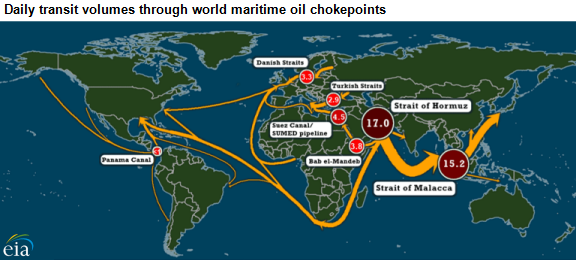
India, on the other hand, has emerged as one of the fastest-growing energy consumers globally. As the third-largest oil importer in the world, India imports nearly 85% of its crude oil needs, making energy partnerships a strategic necessity rather than a choice.
This deal is not just about selling oil—it’s about building a long-term energy alliance. Brazil sees India not just as a buyer, but as a value-adding partner due to its advanced refining capabilities. Indian refineries are among the most complex and efficient globally, capable of processing heavy and sour crude oil varieties—something Brazil produces in large quantities.
This mutual dependency creates a strong foundation for a partnership that could reshape global energy trade patterns.
India’s Refining Power: The Real Game-Changer
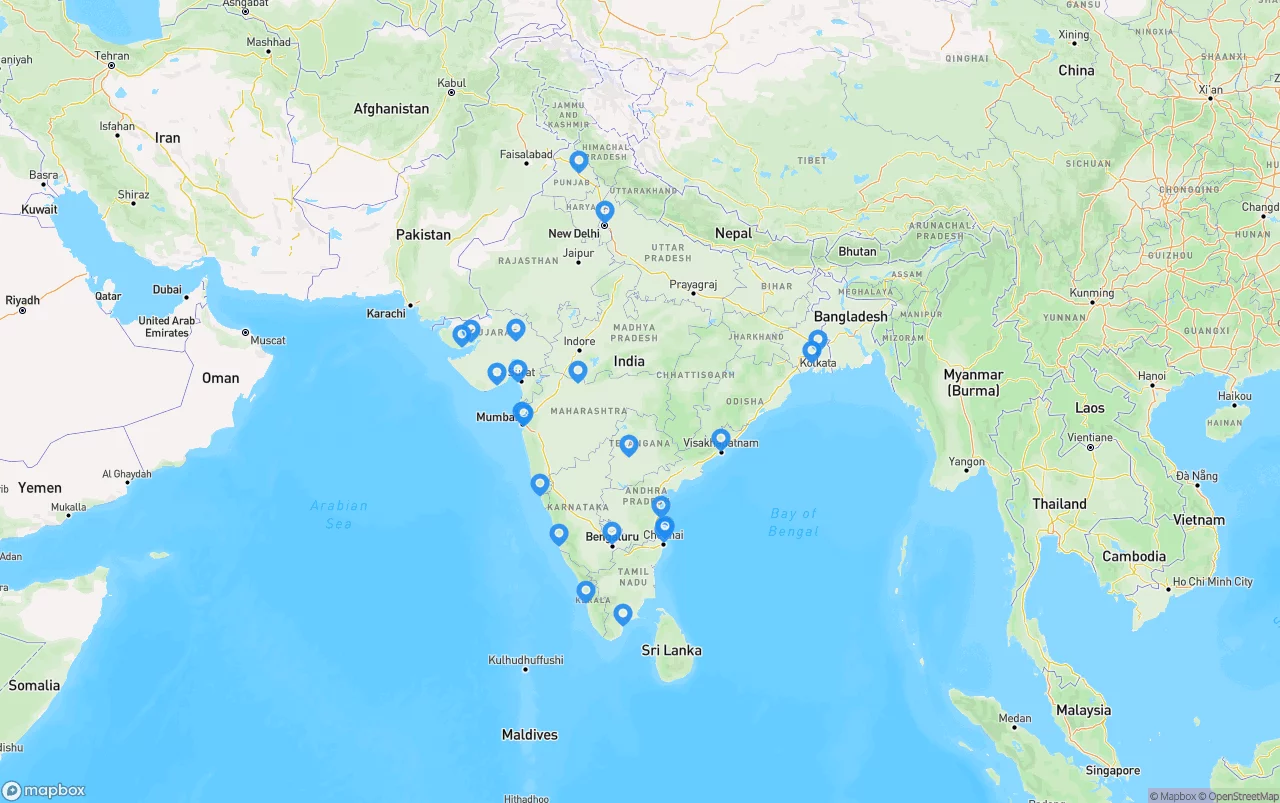
India’s refining sector is the backbone of this potential deal. With a refining capacity exceeding 250 million metric tonnes per year, India is a global hub for petroleum product exports.
Companies like Reliance Industries and Indian Oil Corporation operate some of the most sophisticated refineries in the world. These facilities are capable of transforming lower-grade crude into high-value refined products such as diesel, aviation fuel, and petrochemicals.
This is where the deal becomes strategically powerful. Instead of simply exporting crude oil, Brazil can leverage India’s refining infrastructure to:

- Increase the value of its oil exports
- Reduce dependency on Western refining systems
- Access new markets through India’s export network
For India, the benefit is equally significant. Securing long-term crude supply at competitive prices enhances energy security and reduces exposure to volatile Middle Eastern markets.

Global Energy Market Impact: A Shift Away from Traditional Power Centers
This deal signals a broader shift in global energy dynamics. For decades, oil trade has been dominated by a few key players, particularly OPEC nations and Western economies. However, emerging markets like Brazil and India are now redefining these structures.
If this partnership scales, it could:
- Reduce reliance on Middle Eastern oil supplies
- Create a new South-South energy trade corridor
- Influence global oil pricing benchmarks
- Strengthen the bargaining power of developing economies
Additionally, this move aligns with a growing trend where countries seek energy independence and diversification amid geopolitical uncertainties.
Recent global tensions and supply chain disruptions have highlighted the risks of over-dependence on specific regions. This deal could act as a hedge against such risks.

Economic and Investment Opportunities Emerging from the Deal
From an investor’s perspective, this development opens multiple avenues across sectors:
Energy Stocks
Companies involved in oil exploration, refining, and logistics in both countries could see increased growth. Indian refining giants may benefit from higher utilization rates and export demand.
Infrastructure Expansion
Ports, pipelines, and shipping networks will need upgrades to support increased trade volumes. This creates opportunities in infrastructure and logistics sectors.
Currency and Trade Balance Impact
A stable oil supply at negotiated prices can positively impact India’s trade deficit, while boosting Brazil’s export revenues.
Petrochemical Industry Growth
With increased refining activity, downstream industries such as plastics, chemicals, and manufacturing may experience growth.
This is not just an energy deal—it’s an economic multiplier across multiple sectors.
Risks and Challenges That Could Affect the Deal
While the opportunity is massive, there are also risks that cannot be ignored.
Geopolitical Risks
Changes in global alliances or political leadership in either country could impact long-term commitments.
Logistics and Transportation Costs
Shipping crude oil from South America to India involves significant transportation costs, which could affect profitability if oil prices fluctuate.
Market Competition
Other oil-exporting nations may respond aggressively by offering better pricing or incentives to retain India as a customer.
Environmental and Energy Transition Pressures
As the world moves toward renewable energy, long-term investments in oil infrastructure carry inherent risks.
Despite these challenges, the strategic benefits appear to outweigh the risks, especially in the medium term.
Future Outlook: Could This Become a New Energy Alliance Model?
Looking ahead, this deal could serve as a blueprint for future global partnerships. Instead of traditional buyer-seller relationships, countries are now focusing on collaborative value chains.
We may see similar agreements emerge between other emerging economies, creating a network of partnerships that operate independently of traditional Western systems.
For India, this strengthens its position as a global refining and energy hub. For Brazil, it provides access to advanced processing capabilities and diversified markets.
If executed successfully, this partnership could:
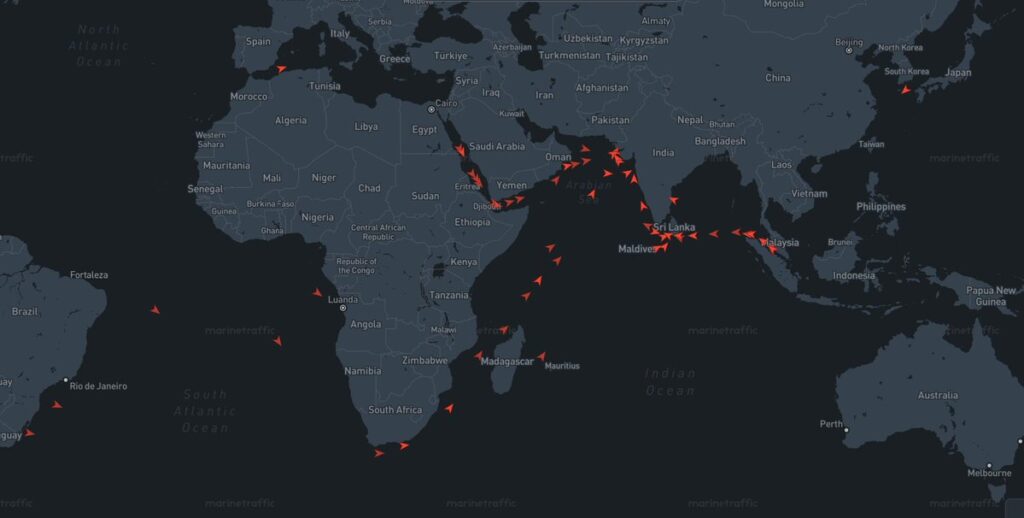
- Redefine global oil trade routes
- Increase economic cooperation among developing nations
- Accelerate industrial growth in both countries
This is more than just a deal—it’s a strategic realignment of global energy power.
A Strategic Move with Global Implications
Brazil’s decision to offer crude oil to India in exchange for refining expertise represents a powerful shift in how global energy partnerships are formed. It reflects a move toward mutual benefit, strategic independence, and long-term collaboration.
For investors, policymakers, and global markets, this is a development worth watching closely. The ripple effects could extend far beyond oil—impacting trade, geopolitics, and economic growth across continents.
As the world navigates an increasingly complex energy landscape, partnerships like this could define the future of global trade.
Subscribe to trusted news sites like USnewsSphere.com for continuous updates.