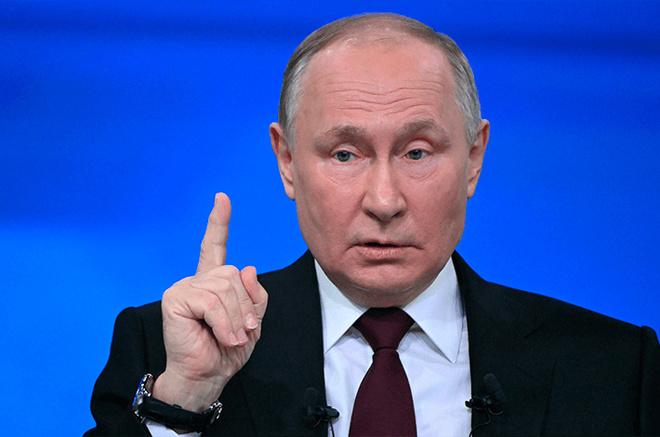
Putin’s NATO warning has reignited concerns about the possibility of a wider military confrontation in Europe, as Russia and Western nations exchange increasingly serious statements over Ukraine, regional security, and the future of their strategic relationship. The latest developments have placed the spotlight on the Baltic region, particularly Kaliningrad, a strategically important Russian territory surrounded by NATO member states. Moscow has warned that attempts to isolate the region could trigger a direct military confrontation, raising difficult questions about how far tensions between Russia and the alliance could escalate.
The warning comes at a time when European governments are already dealing with reports of suspected sabotage, cyberattacks, drone incidents, and growing security concerns along NATO’s eastern borders. While these developments have prompted calls for stronger defenses, they have also exposed differences among European officials over the likelihood of a direct Russian attack. Some intelligence assessments warn of a growing risk of limited military action, while others emphasize that a full-scale confrontation remains unlikely.
For millions of people across Europe and beyond, the Russia-NATO standoff is more than a diplomatic disagreement. It has implications for international trade, energy security, financial markets, military spending, and the stability of the global economy. A direct conflict between Russia and NATO would carry consequences far beyond the battlefield. However, the latest warnings do not establish that such a war is inevitable or that either side has decided to begin one. The central question is whether diplomatic engagement and military deterrence can prevent further escalation while the war in Ukraine continues.
Putin’s Warning to NATO: What Triggered the Latest Tensions?
The latest tensions surrounding Putin’s NATO warning center on Russia’s concerns about military activity near Kaliningrad and what Moscow describes as the possibility of restricting its access to the territory. According to reporting published by The Times of India on September 29, 2026, the Russian embassy in Belgium, which handles diplomatic contacts with NATO, warned that attempts to isolate Kaliningrad could lead to direct military confrontation. Russian diplomats also stated that Moscow possessed the necessary military capabilities to defend the territory and urged NATO members to avoid actions that could worsen the situation.
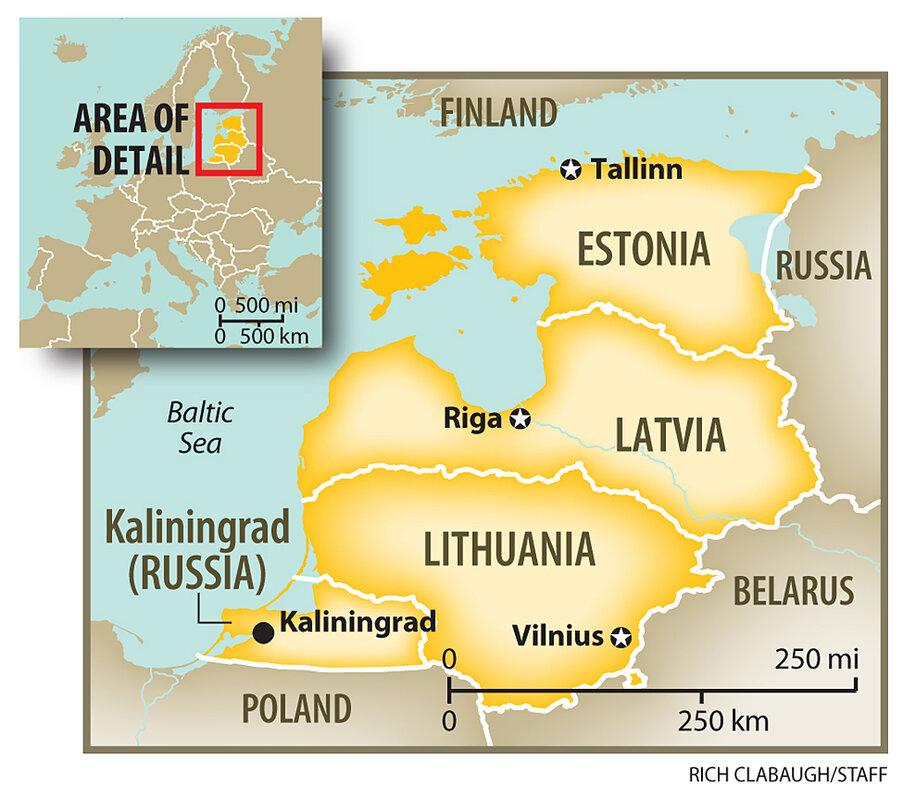
Kaliningrad is a Russian exclave on the Baltic Sea, geographically separated from mainland Russia and bordered by Poland and Lithuania, both NATO members. Its location gives it considerable strategic importance for Moscow and makes it a sensitive point in Russia’s relationship with Western military forces. The region is associated with Russian military infrastructure and access to the Baltic Sea, meaning that any dispute over its security or transportation routes could have consequences for the wider region. For NATO, the territory’s proximity to alliance members makes developments there an important part of its eastern European security planning.
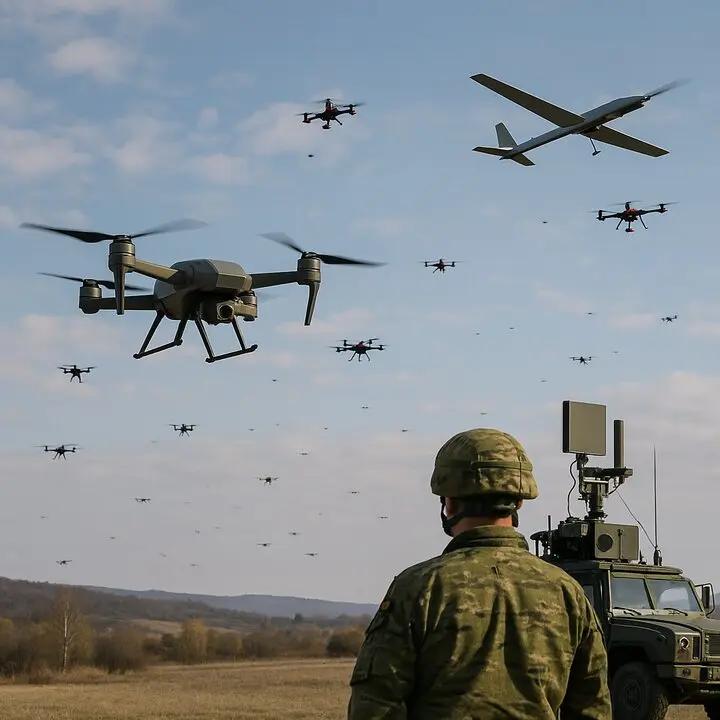
The immediate concern is not simply the language used by Russian officials but the broader environment in which the warning has emerged. The war in Ukraine has reshaped European defense priorities, increased military cooperation among NATO members, and intensified disagreements between Moscow and Western capitals. Russia has repeatedly criticized NATO’s expansion and military support for Ukraine, while Western governments argue that their actions are intended to protect European security and support Ukraine’s sovereignty. These opposing positions have created a cycle of warnings, military preparations, and diplomatic disputes that makes miscalculation a continuing concern.
Importantly, a warning about the consequences of a hypothetical action should not be interpreted as proof that a military operation is planned. The Russian statement describes a scenario Moscow says it would consider unacceptable. Whether such a scenario could occur, what response it might provoke, and how either side would manage a crisis remain separate questions. Responsible reporting must distinguish between an official threat, an intelligence assessment, and a confirmed military development.
Why Kaliningrad Matters in the Russia-NATO Standoff
Kaliningrad occupies a distinctive position in European geopolitics because it is separated from the rest of Russia while remaining connected to the country’s strategic interests in the Baltic Sea. Its geography places it close to important NATO territories and military routes, making it relevant to regional defense planning. The surrounding Baltic region includes vital shipping lanes, transportation networks, energy infrastructure, and military facilities. As a result, developments involving Kaliningrad can attract attention well beyond Russia and its immediate neighbors.
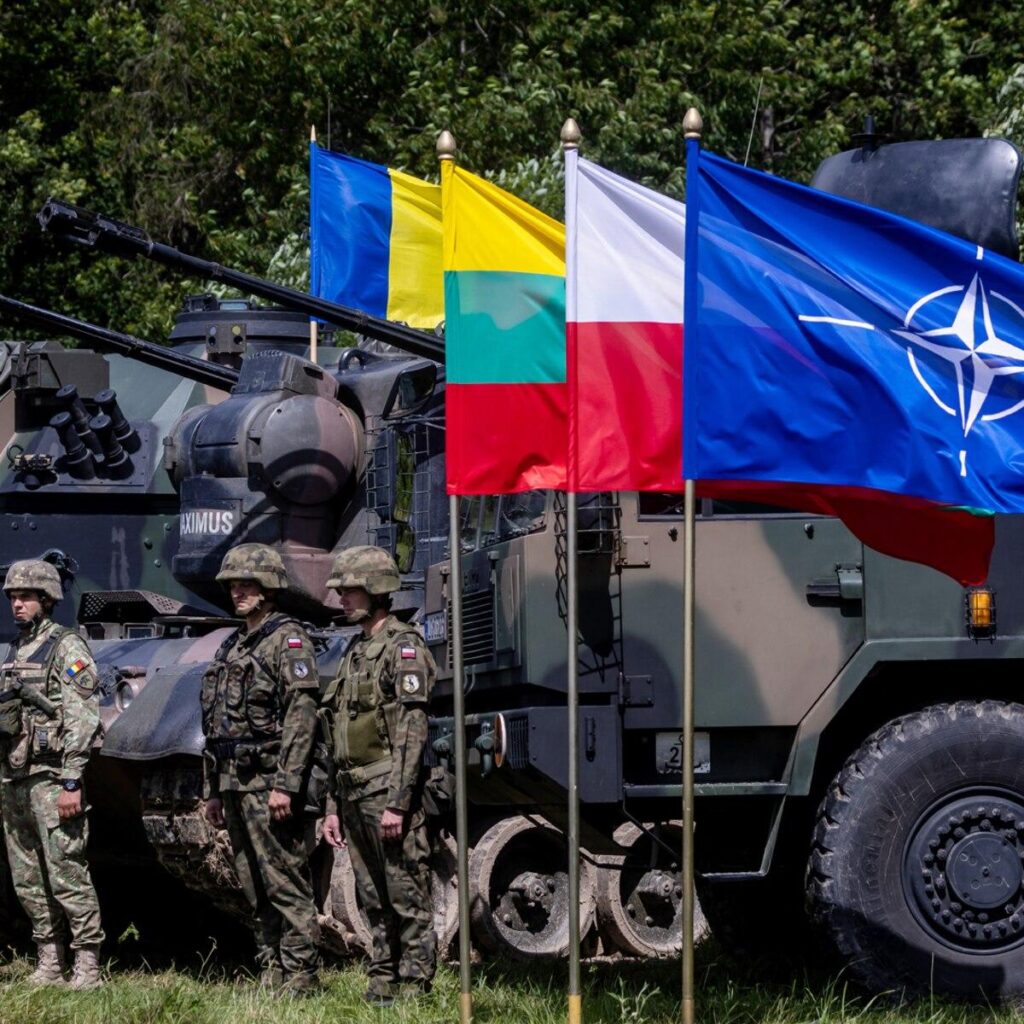
One important geographic feature is the Suwałki Gap, a stretch of territory along the Polish-Lithuanian border between Kaliningrad and Belarus. The area is frequently discussed in European security analysis because of its position between Russian-aligned territory and the Baltic states. Its strategic significance is connected to NATO’s ability to maintain land access between Poland and Lithuania and to reinforce Estonia, Latvia, and Lithuania during a crisis. However, its importance should not be confused with evidence that an attack is imminent. Military planners examine potential vulnerabilities precisely because understanding them can help prevent conflict.
The Baltic Sea has also become increasingly important in discussions about European defense. Military exercises, surveillance operations, naval activity, and air patrols contribute to a security environment in which governments closely monitor one another’s movements. NATO describes its military exercises as preparation for collective defense and improved coordination among members. Russia, meanwhile, frequently presents NATO activity near its borders as a security concern. These competing interpretations contribute to mistrust, particularly when military activity takes place near sensitive locations.
For ordinary citizens, the significance of Kaliningrad lies in the potential consequences of an escalation rather than the territory’s military geography alone. A serious confrontation in the Baltic region could disrupt commercial shipping, raise insurance costs, affect regional investment, and create uncertainty for businesses operating across Europe. Even without direct fighting, prolonged tension can influence government budgets, energy planning, and consumer confidence. This is why the region remains a major subject of attention for policymakers and international security analysts.
NATO Article 5 Explained: What Happens If Russia Attacks a Member?
One of the most important issues in any discussion about a possible Russia-NATO confrontation is Article 5 of the North Atlantic Treaty. The principle of collective defense is central to the alliance: an armed attack against one member is considered an attack against all. This commitment is designed to discourage aggression by making clear that an attack on an individual NATO country could involve the wider alliance. It is a cornerstone of the security arrangements that have shaped European defense since the end of the Second World War.
However, Article 5 does not mean that every incident automatically triggers a declaration of war or that all NATO members must respond in exactly the same military manner. The treaty recognizes that each member will take the action it considers necessary to assist the attacked ally, including the possible use of armed force. The nature of a response would depend on the circumstances, the evidence available, consultations among allies, and decisions made by individual governments. This distinction matters because incidents involving drones, cyber operations, airspace violations, or sabotage can raise complex questions about attribution and the appropriate response.
European officials have increasingly discussed the possibility that Russia could attempt to test NATO’s unity through actions below the threshold of conventional warfare. Such activities are often described as hybrid threats and may involve cyberattacks, disinformation, sabotage, espionage, or other operations designed to create disruption without launching a traditional military invasion. These tactics can make it difficult for governments to determine how to respond while avoiding an escalation that neither side wants.
The alliance’s credibility therefore depends not only on military strength but also on political coordination and clear communication. If NATO members disagree about the seriousness of an incident or the appropriate response, their differences could create uncertainty. Conversely, coordinated diplomatic messaging, effective intelligence sharing, and established crisis-management procedures can reduce the risk of misunderstanding. Article 5 is intended to strengthen deterrence, but its effectiveness also depends on the willingness of member governments to act together when confronted with a serious threat.
Europe’s Security Crisis: Drone Incidents, Sabotage and Rising Military Concerns
The debate about a possible direct Russian attack on NATO is taking place alongside a separate but related concern: the reported increase in hybrid activities across Europe. In a September 23 report, Reuters described European officials’ warnings about sabotage, cyberattacks, drone incursions, and other covert operations that they said were intended to undermine support for Ukraine and test Western resolve. EU foreign policy chief Kaja Kallas said that Europe was facing a growing number of sabotage incidents and airspace violations.
Poland and Romania have reported security incidents involving drones and suspected violations of their airspace. Polish officials have also described incidents involving arson and explosions as part of a broader pattern of hostile activity. Romania has reported more than 100 incursions involving drones or drone fragments, according to the Reuters report. These developments have prompted increased monitoring, military readiness measures, and diplomatic responses. Russia has denied conducting sabotage operations in NATO countries or planning a confrontation with the alliance.
European intelligence assessments nevertheless differ over how these incidents should be interpreted. On September 24, The Guardian reported that Denmark’s defense intelligence service had identified a low but growing risk of limited Russian military action against a NATO country in the coming months. The assessment included the possibility of long-range strikes against infrastructure supporting Ukraine or a limited incursion involving a small number of troops. At the same time, the Danish assessment described an outright invasion of a NATO country as highly unlikely, although it did not rule it out.
Other European officials have urged caution about predictions of an imminent attack. Estonia’s foreign minister told Reuters that Russia lacked the capacity for active military aggression against NATO while its forces remained heavily engaged in Ukraine. The difference between these assessments highlights an important point: governments can agree that security threats are increasing while disagreeing about the likelihood, scale, and timing of a conventional military attack.
What this means for you: People living in Europe should pay attention to verified government guidance rather than relying on dramatic social media claims about an imminent world war. Security developments can affect travel, transportation, energy prices, and public services even when no direct military conflict occurs. For readers in the United States, the United Kingdom, and other regions, the situation is also relevant because European security is closely connected to international trade, financial markets, and defense cooperation. Staying informed through reliable reporting is more useful than treating every military warning as confirmation that a wider war is about to begin.
Investor Takeaway: How Russia-NATO Tensions Could Affect Global Markets
The Russia-NATO standoff has implications for financial markets because geopolitical uncertainty can influence energy prices, currency movements, defense spending, and investor confidence. Europe remains an important center of global manufacturing, trade, and financial activity. Any escalation that threatens transportation routes, energy infrastructure, or regional stability could affect businesses and markets well beyond the countries directly involved. Investors therefore monitor geopolitical developments alongside inflation, interest rates, economic growth, and corporate earnings.
Energy is one of the most sensitive areas. Concerns about disruptions to oil and gas infrastructure or transportation routes can contribute to price volatility, particularly when markets are already dealing with supply uncertainty. Higher energy costs can affect manufacturing expenses, household budgets, transportation, and inflation. Central banks may then face more complicated decisions if energy-related price increases occur while economic growth is slowing. However, the actual impact would depend on the nature and duration of any disruption, available supplies, and the response of governments and energy companies.
Defense and cybersecurity companies may also receive greater attention as European governments reassess their security needs. Increased military procurement, investment in air defense, surveillance, cybersecurity, and critical infrastructure protection can create new contracts for certain businesses. Nevertheless, higher defense spending does not guarantee that every defense-related stock will rise. Share prices depend on valuations, contract execution, earnings expectations, interest rates, and broader market conditions. Investors should distinguish between a potential industry trend and a reliable investment opportunity.
Investor takeaway: Geopolitical headlines alone are not a sound basis for making investment decisions. Investors should consider their time horizon, diversification, exposure to energy and defense sectors, and tolerance for volatility. A sudden market reaction to a security warning may reverse if the situation stabilizes, while a prolonged crisis could have more lasting economic consequences. Monitoring verified developments and maintaining a disciplined investment strategy is more useful than attempting to predict the outcome of a military confrontation.
Future Outlook: Can Diplomacy Prevent a Wider War in Europe?
The future of Russia-NATO relations will depend on several interconnected factors, including the course of the war in Ukraine, military activity near alliance borders, diplomatic communication, and the ability of governments to manage unexpected incidents. The latest warnings demonstrate that European security officials are concerned about the possibility of escalation, but they do not establish that a direct war between Russia and NATO is inevitable. The difference between preparing for a threat and predicting that it will occur is essential to understanding the current situation.
One possible path is continued confrontation without a direct military clash. Under this scenario, Russia and Western governments could maintain their opposing positions while increasing military readiness, imposing sanctions, strengthening cyber defenses, and supporting their respective strategic objectives. This would still carry economic and political costs, particularly for countries close to the conflict. However, effective deterrence and crisis communication could help prevent isolated incidents from developing into a broader confrontation.
Another possibility is a gradual reduction in tensions through diplomatic engagement. Negotiations related to Ukraine, agreements on military communication, or measures designed to reduce the risk of accidental encounters could help create conditions for greater stability. Such progress would require difficult compromises and a willingness by the parties involved to address their competing security concerns. Even limited agreements could be meaningful if they reduce the chances of miscalculation and establish clearer expectations about military activity.
The most serious scenario would involve a direct military incident that produces a rapid cycle of retaliation. A confrontation involving NATO territory could create pressure on governments to respond while simultaneously increasing the risks of further escalation. This possibility explains why military planners emphasize preparedness, intelligence sharing, and clear communication. The challenge for European leaders is to maintain credible defenses while preserving diplomatic channels that can prevent a crisis from spiraling out of control.
Future outlook: The coming months will be important for assessing whether Russia-NATO tensions stabilize, remain at their current level, or intensify. Developments involving Ukraine, Kaliningrad, NATO’s eastern flank, and reported hybrid operations will remain important indicators. Readers should watch for confirmed government statements, independently verified incidents, and concrete diplomatic developments rather than relying on speculation. Ultimately, the future of European security will be shaped not only by military capabilities but also by political decisions and the willingness of governments to avoid a direct confrontation.
Putin’s Warning Raises Questions About Europe’s Security Future
Putin’s warning to NATO has added another layer of uncertainty to an already tense European security environment. The dispute surrounding Kaliningrad, continued fighting in Ukraine, reports of sabotage and cyber operations, and differing intelligence assessments have made the Russia-NATO relationship a major international concern. While Moscow has warned against actions it considers a threat to its territory, European governments are working to strengthen their defenses and maintain support for Ukraine. These developments reflect a serious strategic confrontation, but they do not prove that a direct war between Russia and NATO is inevitable.
The most important issue is whether both sides can manage their disagreements without allowing a limited incident to trigger a much larger crisis. NATO’s collective defense arrangements, European military preparedness, diplomatic engagement, and reliable communication channels all play a role in reducing that risk. At the same time, the international community must continue to distinguish between confirmed developments and speculative predictions, especially when reporting on events that could influence public understanding of global security.
For readers in the United States, Europe, and around the world, the Russia-NATO standoff deserves close attention because its consequences could extend into international trade, energy markets, defense policy, and everyday economic life. The coming months will reveal whether current tensions lead to further confrontation or create opportunities for renewed diplomacy. Until then, accurate reporting, careful analysis, and an understanding of the competing perspectives remain essential to following one of the most consequential security challenges facing Europe.
Subscribe to trusted news sites like USnewsSphere.com for continuous updates.