


Stock Market Today: US investors are balancing a technology-led recovery on Wall Street against fresh uncertainty surrounding the 2026 midterm elections, artificial intelligence spending and Treasury yields. The S&P 500 and Nasdaq Composite finished higher on Tuesday, November 3, as semiconductor stocks recovered, but the Dow Jones Industrial Average slipped. By early Wednesday, election-related developments were putting renewed pressure on US stock futures, particularly technology-linked contracts.
The contrasting moves highlight a market struggling to balance optimism about corporate earnings and AI demand with concerns over valuations, borrowing costs and Washington’s political direction. For investors, the latest developments raise an important question: Can the recent recovery in technology stocks continue, or is Wall Street entering another period of volatility?
The answer will depend on more than election headlines. Earnings growth, inflation, interest rates, capital spending and corporate profitability remain important drivers of the US equity market.
Wall Street’s Latest Market Performance: S&P 500, Nasdaq and Dow Jones
US stocks finished Tuesday’s session mixed, with technology shares helping the S&P 500 recover from a three-session losing streak. According to Associated Press market data, the S&P 500 advanced 27.52 points, or approximately 0.36%, to close at 7,568.92. The Nasdaq Composite climbed 207.65 points, or 0.83%, ending at 25,372.01. Meanwhile, the Dow Jones Industrial Average declined 197.26 points, or 0.38%, to 51,786.72. The Russell 2000 gained approximately 0.23%, closing at 2,812.45.
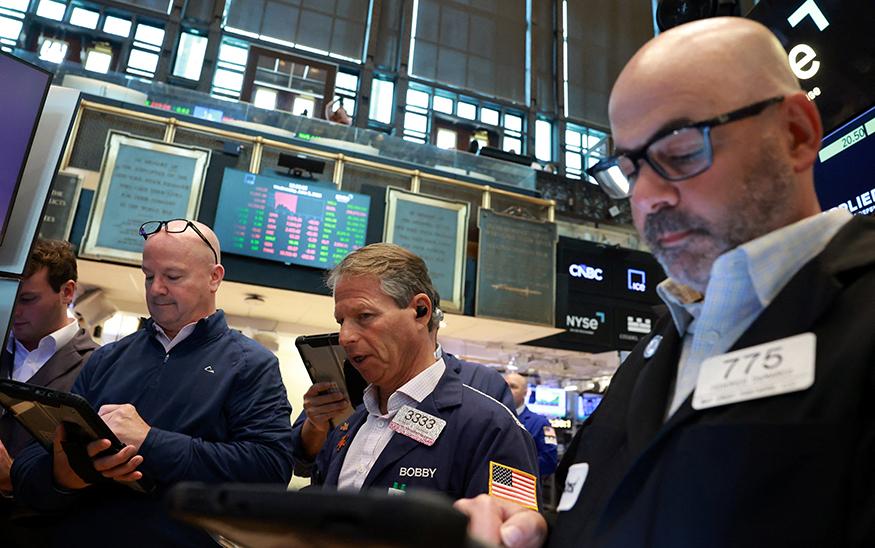
The divergence between the major indexes matters because it shows that the recovery was not equally distributed across the market. Semiconductor companies and other major technology names provided support, while weakness in several other sectors limited broader participation. Six of the S&P 500’s 11 sector indexes finished lower, and declining stocks outnumbered advancing stocks within the index, according to market coverage.
Investors should also distinguish between the previous session’s closing performance and the latest futures activity. Reuters reported that S&P 500 futures dropped approximately 1.2% and Nasdaq futures fell more than 2% amid early election developments. Futures fluctuate outside regular cash-market trading and can change significantly before the opening bell. These figures should not be interpreted as Wednesday’s final market returns.
AI Stocks Rebound as Investors Assess Earnings and Spending Risks
Artificial intelligence stocks were among the major contributors to Tuesday’s technology recovery. Nvidia advanced approximately 2.3%, Broadcom gained 3.1%, AMD rose around 3.65%, and Micron Technology added roughly 2.6%. Microsoft, Amazon and Meta Platforms also recorded gains of more than 2%, according to reported market results. These advances helped lift the Nasdaq despite pressure elsewhere in the market.
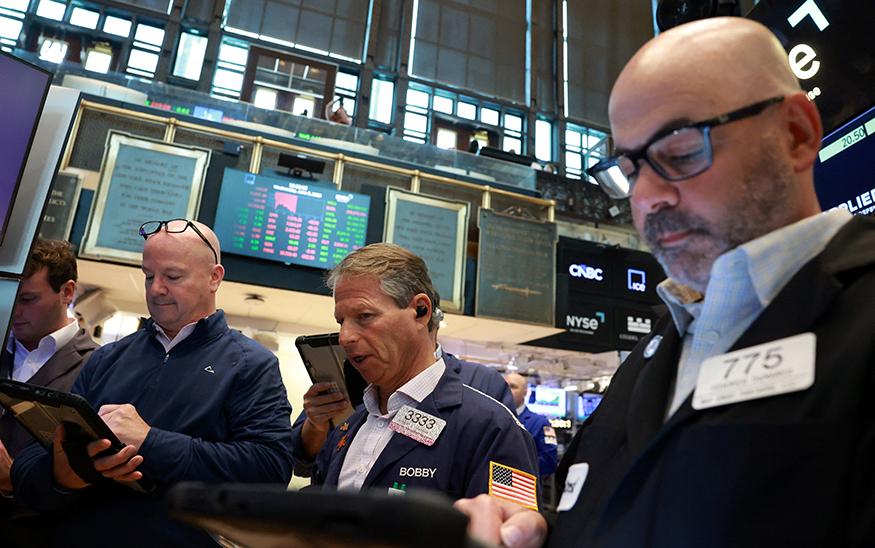
However, the recovery does not necessarily mean concerns about AI valuations have disappeared. Investors are increasingly focused on whether the enormous investments being made in computing infrastructure, data centers, chips and networking equipment can generate attractive long-term returns. Strong demand forecasts are encouraging, but investors must also examine depreciation, energy costs, operating expenses, financing requirements and future competitive pressures.
Meta’s reported $15 billion bond offering adds another dimension to this debate. The financing illustrates how large technology companies are accessing debt markets to support their infrastructure ambitions. Borrowing can help businesses fund expansion while preserving flexibility, but debt also introduces interest expenses and refinancing considerations. For shareholders, the central issue is whether future cash generation can justify the investment. Reuters’ financing report provides additional context.
Apple was a notable laggard during Tuesday’s session, falling approximately 1.9%. Investors reacted to concerns about margin pressure, including rising memory-chip costs and weaker-than-expected iPad sales relative to analyst expectations. The company’s outlook demonstrates why strong brand recognition and revenue growth do not automatically translate into stronger share-price performance. Profitability expectations can influence market reactions just as much as sales figures.
Midterm Election Results and Treasury Yields Put Markets on Alert
The 2026 US midterm elections have become an important short-term market catalyst. The results will determine congressional control and could influence fiscal negotiations, regulatory priorities, government spending and oversight of major industries. Early reports pointed toward substantial Democratic gains, while the final political balance and policy implications remained uncertain in the cited reporting.
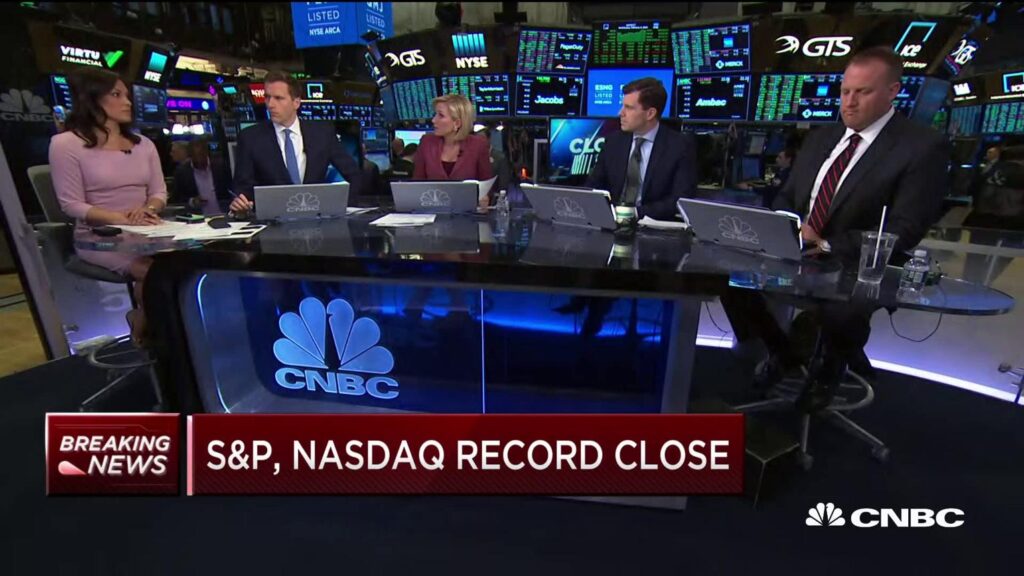
Reuters’ November 4 global-market update described falling US stock futures, a weaker dollar and declining Treasury yields as early election results suggested Democrats could gain control of Congress. The report also highlighted potential implications for technology regulation and data-center development. Investors should remember that election outcomes do not translate into uniform market effects: different industries can react differently depending on the policies ultimately pursued. Read Reuters’ global-market update.
Treasury yields are another important part of the market picture. The 10-year US Treasury yield reached approximately 4.962% at Tuesday’s close, up 6.8 basis points, before declining toward 4.90% in early Wednesday reporting. Bond yields influence financing costs, valuation models and the relative attractiveness of equities. Growth stocks can be particularly sensitive because a larger portion of their anticipated value may depend on earnings expected further into the future.
Economic indicators are also influencing expectations. US job openings totaled approximately 7.5 million on the last business day of September, above the cited market forecast of 7.15 million. Hiring remained little changed at 5.4 million, while quits increased to 3.4 million. Stronger labor demand can support household income and economic activity, but it may also complicate the inflation outlook if wage and demand pressures persist. These figures provide context rather than a definitive signal of the Federal Reserve’s next decision.
What This Means for You
For long-term investors, the latest market movements are a reminder that daily index changes do not necessarily determine the quality of an investment strategy. A technology-led rebound can create positive headlines even when many individual stocks remain under pressure. Investors should consider diversification, investment time horizons, liquidity needs and the financial strength of the businesses they own rather than making decisions solely because of election-related volatility.
For retirement savers and people investing through 401(k) plans or IRAs, sudden market swings can feel particularly concerning. However, decisions about contributions, withdrawals and asset allocation should reflect individual circumstances, not a single trading session. Those approaching retirement may need to pay particular attention to their withdrawal requirements and exposure to market declines.
For homebuyers, borrowers and savers, Treasury yields deserve attention because movements in government bond rates can influence broader lending conditions, although mortgage rates, savings yields and consumer borrowing rates do not move in perfect alignment. A falling 10-year Treasury yield does not guarantee an immediate reduction in mortgage payments or credit-card interest costs.
Investors outside the United States, including those in Europe and other international markets, should also monitor currency movements. Changes in the dollar can affect overseas investment returns, import costs and multinational company earnings when foreign revenue is converted into US dollars.
Investor Takeaway: What Should Stock Market Investors Watch?
The most useful approach is to separate short-term market sentiment from measurable changes in company fundamentals. A rising share price does not automatically indicate improving earnings quality, and a declining stock does not necessarily mean its underlying business has deteriorated. Investors can benefit from comparing company results against expectations, examining cash flow and evaluating valuation assumptions.
For technology investors, AI-related capital expenditure deserves particular scrutiny. Revenue growth, order visibility and customer demand are important, but so are operating margins, debt obligations and the eventual returns on infrastructure investments. Companies with strong balance sheets and sustainable cash generation may be better positioned to navigate uncertainty than businesses relying heavily on optimistic growth assumptions.
Market breadth is another indicator worth following. If a recovery expands beyond a small group of large technology companies, it may suggest improving participation. If major indexes rise while most stocks weaken, investors should examine whether gains are becoming increasingly concentrated. Breadth indicators are useful context, not standalone forecasting tools.
Investors should avoid treating election projections, intraday futures movements or analyst price targets as guarantees. A disciplined investment process can include predetermined risk limits, diversified exposures and regular portfolio reviews. This article is for informational purposes and is not individualized investment advice.
Future Outlook: What Could Move the US Stock Market Next?
The next phase of trading will depend on the final election picture, the market’s assessment of potential policy changes and incoming economic information. Investors will be looking for clarity on congressional control, fiscal priorities, business regulation and the implications for sectors sensitive to government decisions. Even after political uncertainty eases, market volatility could persist if new information changes expectations about economic growth or corporate earnings.
Corporate earnings and forward guidance will remain critical, particularly among AI-related companies. Investors will want evidence that infrastructure demand is translating into durable revenue, profitable growth and cash generation. The outlook for semiconductor suppliers, cloud providers, networking companies and data-center operators may differ substantially depending on customer spending plans and competitive dynamics.
Interest-rate expectations will also influence equity valuations. Inflation readings, labor-market reports, Treasury auctions and Federal Reserve communications can all shift bond yields and investor sentiment. A combination of resilient earnings and moderating inflation could support equities, while disappointing results or renewed inflation pressure could challenge valuations.
The coming sessions therefore require careful interpretation rather than confident predictions. Investors should monitor confirmed market closes, economic releases, company announcements and official election results as they become available. For readers following the US stock market, the most important signal may not be the next day’s index move, but whether earnings growth, AI investment returns and financial conditions continue to support current valuations.
Conclusion
The US stock market’s latest performance captures the competing forces shaping Wall Street in November 2026. The S&P 500 and Nasdaq benefited from a rebound in semiconductor stocks on November 3, while the Dow declined and election uncertainty subsequently weighed on futures. Treasury yields, corporate earnings and the economics of AI infrastructure remain central to the market outlook.
For investors, the key is to look beyond daily headlines and evaluate the data behind market movements. Political developments may influence sentiment, but sustainable earnings, reasonable valuations, economic resilience and disciplined risk management remain essential considerations.
Subscribe to trusted news sites like USnewsSphere.com for continuous updates.