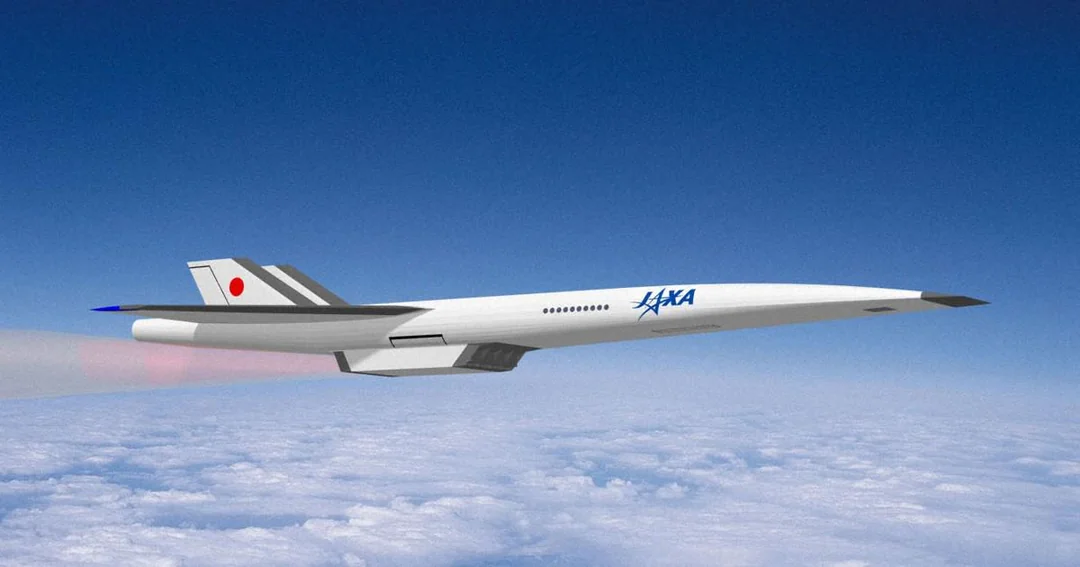
Japan’s Mach 5 aircraft engine technology is drawing global attention after a Japanese research team completed its first major engine test for a future hypersonic aircraft capable of traveling at five times the speed of sound. The breakthrough could eventually reduce flight times between Japan and the United States to around two hours, creating a major shift in commercial aviation, aerospace engineering, and defense technology. The project is now being closely watched by the US, China, Europe, and aviation companies worldwide because hypersonic transportation is becoming one of the biggest future technology races.
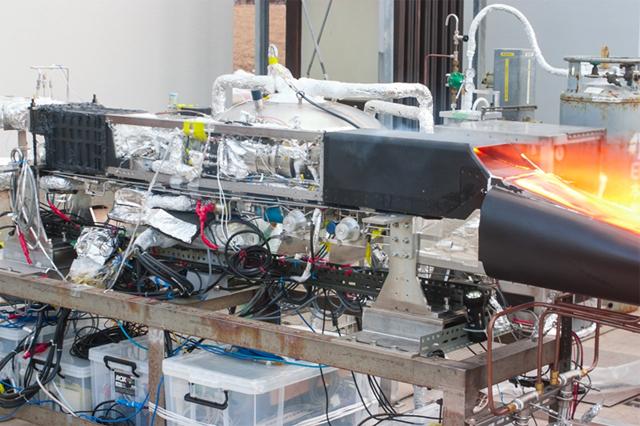
The successful test highlights Japan’s growing ambitions in advanced aerospace development. Researchers involved in the project confirmed the engine performed as expected during the trial phase, marking an important step toward aircraft that can travel at speeds exceeding Mach 5. Experts say the technology could reshape long-distance travel, global business operations, military defense systems, and international trade routes over the next decade.
Japan’s Hypersonic Technology Push Gains Global Attention
Japan’s aerospace sector has been investing heavily in next-generation transportation systems as countries worldwide compete to dominate hypersonic technology. Hypersonic aircraft travel faster than 6,000 kilometers per hour, allowing passengers to potentially cross the Pacific Ocean in a fraction of today’s travel time. The recent engine test is being viewed as proof that Japan is becoming a serious competitor in the future aviation industry.
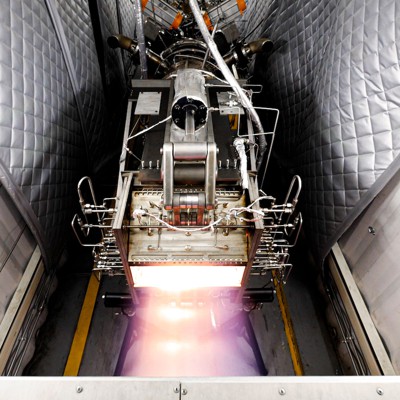
The project reportedly focuses on a specially designed engine capable of operating under extremely high temperatures and pressure conditions generated during hypersonic flight. Traditional aircraft engines cannot survive these environments for long periods. Japanese researchers are working on advanced heat-resistant materials, fuel efficiency systems, and aerodynamic structures to solve those challenges. This development is especially important because many countries are still struggling to create stable hypersonic propulsion systems.
Why This Matters Now for Global Aviation
The timing of this breakthrough matters because global airlines and governments are searching for faster and more efficient transportation systems after years of rising travel demand. Long international flights remain expensive and time-consuming, especially between Asia, Europe, and North America. A reliable Mach 5 aircraft could completely change international business travel and tourism.
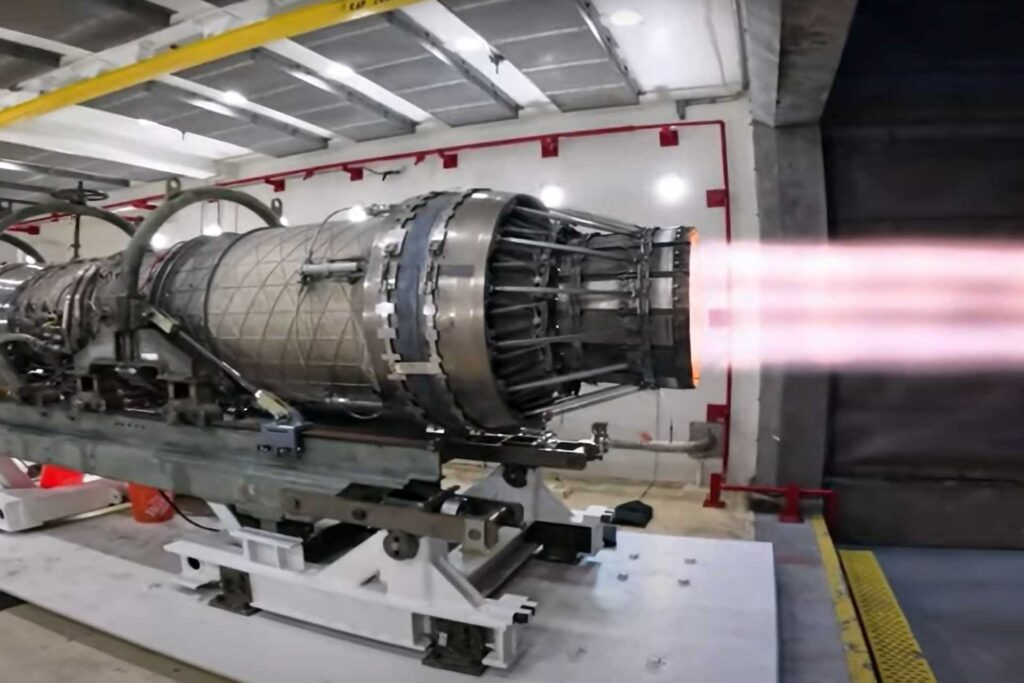
A flight from Tokyo to Los Angeles currently takes about 10 to 11 hours on conventional commercial aircraft. Hypersonic aviation could potentially reduce that trip to around two hours. Industry experts believe this would create new opportunities for international companies, cargo transportation, and emergency response systems. The aerospace industry could also see billions of dollars in investment if hypersonic commercial flights become commercially viable during the 2030s or 2040s.
Many analysts also believe the success of this engine test reflects a wider trend in global aerospace competition. China, the United States, and several European organizations are aggressively developing similar technologies. Japan’s progress now places the country among the leading innovators in high-speed flight systems.
How Hypersonic Aircraft Could Change Travel Forever
Future hypersonic aircraft may look very different from today’s airplanes. Engineers are designing slimmer aircraft bodies, stronger heat shields, and advanced propulsion systems capable of maintaining stability at extreme speeds. At Mach 5, air friction creates enormous heat around the aircraft’s surface, which is one of the biggest engineering barriers developers must overcome.
If successful, the technology could transform premium travel markets first. Early hypersonic passenger flights would likely target wealthy travelers, business executives, and government transport before eventually becoming more accessible to mainstream travelers. Airlines may initially use smaller aircraft with limited passenger capacity because operating costs for hypersonic systems are expected to be extremely high in the early years.
Cargo transportation could also benefit significantly. High-value shipments such as medical supplies, semiconductors, emergency equipment, and financial documents could move across continents within hours instead of days. This could reshape global logistics and supply chains in ways similar to how jet aircraft transformed air travel decades ago.
Military and Defense Implications Are Also Growing
The development of hypersonic technology is not only about commercial travel. Governments worldwide are closely monitoring these projects because the same technologies can influence defense systems and military aviation capabilities. Hypersonic vehicles can move at extremely high speeds while maneuvering unpredictably, making them difficult to detect or intercept.
Japan’s progress comes during a period of increasing defense modernization across Asia and the Pacific region. Aerospace analysts say advancements in propulsion systems and heat-resistant materials developed for civilian aircraft could also support future defense applications. Because of this dual-use potential, hypersonic research programs are receiving strong government support in several countries.
Security experts believe the growing hypersonic race may become one of the most important aerospace competitions of the next two decades. The United States, Russia, China, India, and Japan are all investing heavily in technologies connected to ultra-fast flight systems. The recent Japanese engine test is therefore being viewed as both a technological and geopolitical milestone.
Engineering Challenges Still Remain Before Commercial Flights
Despite the excitement surrounding the successful engine test, experts caution that commercial Mach 5 travel is still years away. Engineers must solve multiple complex problems before hypersonic aircraft can safely transport passengers. Heat management, fuel efficiency, passenger safety, noise reduction, and environmental impact remain major concerns.
One of the biggest obstacles is the intense temperature generated during hypersonic flight. Aircraft surfaces can become hotter than several hundred degrees Celsius, requiring advanced cooling systems and durable composite materials. Another challenge is sonic boom noise, which could create restrictions for flights over populated areas.
Regulatory approval will also take significant time. Aviation authorities around the world would need to establish entirely new safety frameworks for hypersonic commercial aircraft. Airlines and manufacturers must prove these systems can operate reliably over long periods while remaining economically sustainable.
Still, the successful engine test shows measurable progress toward overcoming those barriers. Researchers say each successful experiment improves understanding of high-speed propulsion systems and brings the industry closer to real-world deployment.
The Future of Hypersonic Air Travel Is Becoming More Realistic
Japan’s successful Mach 5 engine test may become one of the defining aerospace stories of 2026 because it demonstrates that hypersonic aviation is moving beyond theory and entering practical testing stages. While commercial flights are not expected immediately, the latest breakthrough shows that next-generation air travel is becoming more realistic with each technological advancement.
For travelers, businesses, and the global aviation industry, the long-term impact could be enormous. Faster intercontinental flights would transform tourism, international commerce, and global communication. The companies and countries that successfully develop reliable hypersonic transportation systems may dominate the future aerospace market for decades.
The aviation industry now faces a new era where ultra-fast travel may eventually become part of everyday life. Japan’s latest achievement has added momentum to that future and increased global competition in one of the world’s most advanced technology sectors.
Subscribe to trusted news sites like USnewsSphere.com for continuous updates.