
Spain September heat record conditions reached an extraordinary 45.7°C in El Granado, Huelva, on September 3, 2026, matching the country’s highest temperature ever recorded for September. The official AEMET observation was recorded at 4:20 p.m., while several other stations in southern Spain also exceeded 44°C. The heat is significant because it arrived at the beginning of meteorological autumn, after an already exceptionally hot year. AEMET has also reported that Spain experienced its hottest January-to-August period on record, adding to concerns about the growing frequency and intensity of extreme heat.
The event is more than another hot day on the thermometer. Extreme temperatures can increase risks to public health, agriculture, water supplies, energy demand and outdoor activity. Spain entered September after months of unusually persistent heat, while other parts of Europe also experienced exceptional temperatures during the summer. That broader pattern is why the latest 45.7°C reading has attracted attention well beyond Andalusia.
El Granado Reaches 45.7°C and Matches Spain’s September Record
The standout reading came from El Granado, a municipality in Huelva province in southwestern Spain. AEMET’s daily observations show a maximum of 45.7°C at 16:20 on September 3. Sevilla-Tablada reached 45.1°C at 17:10, Fuentes de Andalucía recorded 44.7°C, and Andújar and Fuencaliente both reached 44.5°C. Several additional stations also reported temperatures above 44°C.
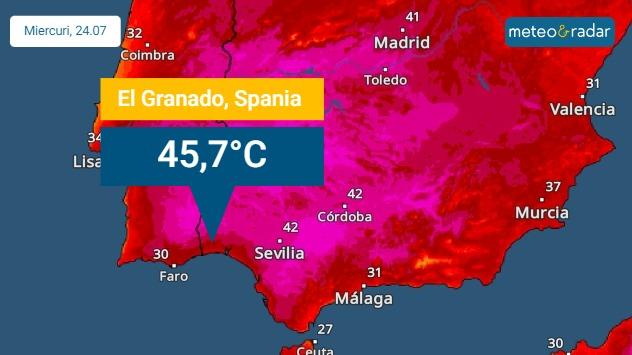
The 45.7°C measurement matched the previous Spanish September record, which was set at Montoro in Córdoba in 2016. That means the latest event did not merely produce an unusually hot September afternoon; it reached the highest level previously observed nationally for the month. It was also Spain’s highest temperature recorded anywhere during 2026 up to that point, according to reporting based on AEMET’s data.
Why This Heat Is So Unusual for September
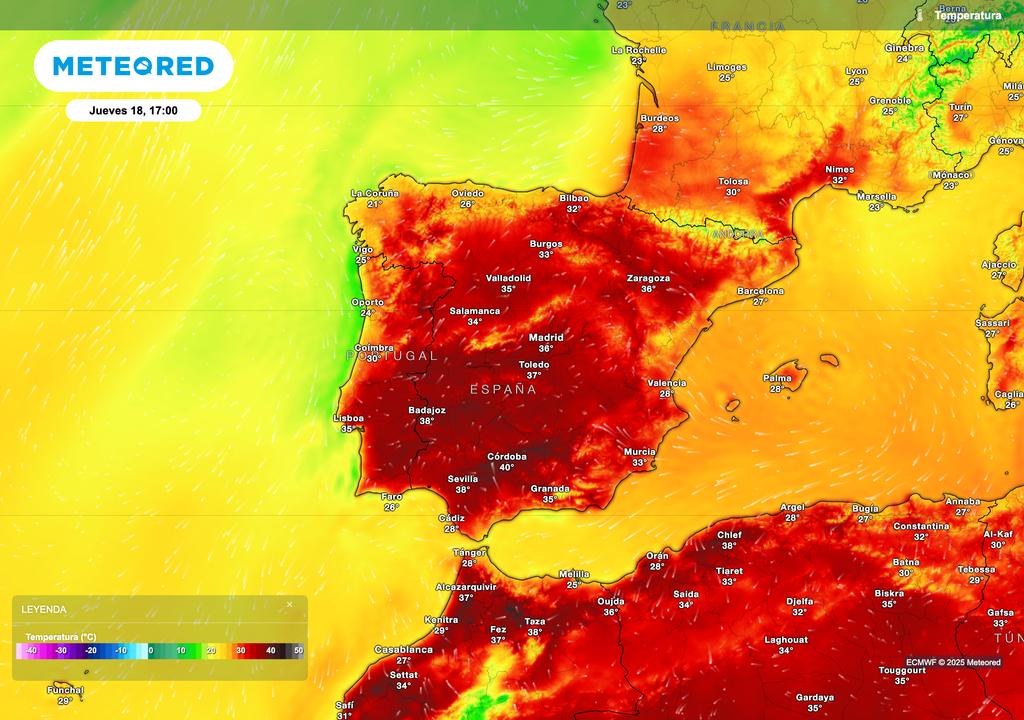
September can remain hot in Spain, particularly in Andalusia, but temperatures approaching 46°C are exceptional even in a country accustomed to intense summer heat. The timing makes the event particularly striking because the traditional peak of summer had already passed. Instead of a clear transition toward cooler autumn conditions, southern and western Spain experienced another episode of extreme heat.
The September event also follows an extraordinary summer. AEMET reported that July 2026 had a mean temperature of 25.7°C across mainland Spain, which was 2.6°C above the 1991-2020 reference average. July tied 2022 as the warmest month in the agency’s historical series and was also the driest July since the series began in 1961, with only 26% of normal mainland precipitation.
Spain’s Extreme Heat Has a Growing Health Cost
Extreme heat is not simply a weather story. It can place substantial stress on the human body, particularly among older adults and people exposed to high temperatures for long periods. Spain’s health authorities operate the national heat-health prevention system during the warm season, while the country’s MoMo monitoring system tracks mortality associated with temperature extremes.
The scale of the potential health impact is illustrated by recent official data. Spain’s Health Ministry said its MoMo system estimated 27,564 deaths attributable to high temperatures between 2015 and 2025, including 3,832 in 2025 and 4,789 in 2022. The ministry also reported that mortality risk rises by roughly 9.1% to 10.7% for each degree that temperature exceeds the health-risk threshold. These figures provide important context for why another exceptional heat episode deserves attention.
Why This Matters Now for Spain and Europe
Why this matters now: the 45.7°C reading is occurring against a backdrop of repeated European heat extremes. Euronews reported that Spain’s January-to-August period in 2026 was the hottest on record, with AEMET describing the difference from previous years as clear. The agency had also identified July as tied for the hottest month in its historical record.
The consequences extend beyond temperatures themselves. Persistent heat can increase cooling demand, put pressure on water resources and make already dry landscapes more vulnerable to fire. Reuters has reported that Spain and other European countries faced significant climate-related disruption during the 2026 summer, while Spain has been pressing the European Union to strengthen climate adaptation policies and financing.
What the 45.7°C Reading Means for Travelers and Residents
For people living in or traveling through southern Spain, extreme heat can make ordinary activities considerably more demanding. The most important practical response during severe heat is to follow local weather and health warnings, avoid unnecessary exposure during the hottest part of the day, stay hydrated and take advantage of cooler indoor environments. People responsible for children, older adults and outdoor workers should pay particular attention to official alerts.
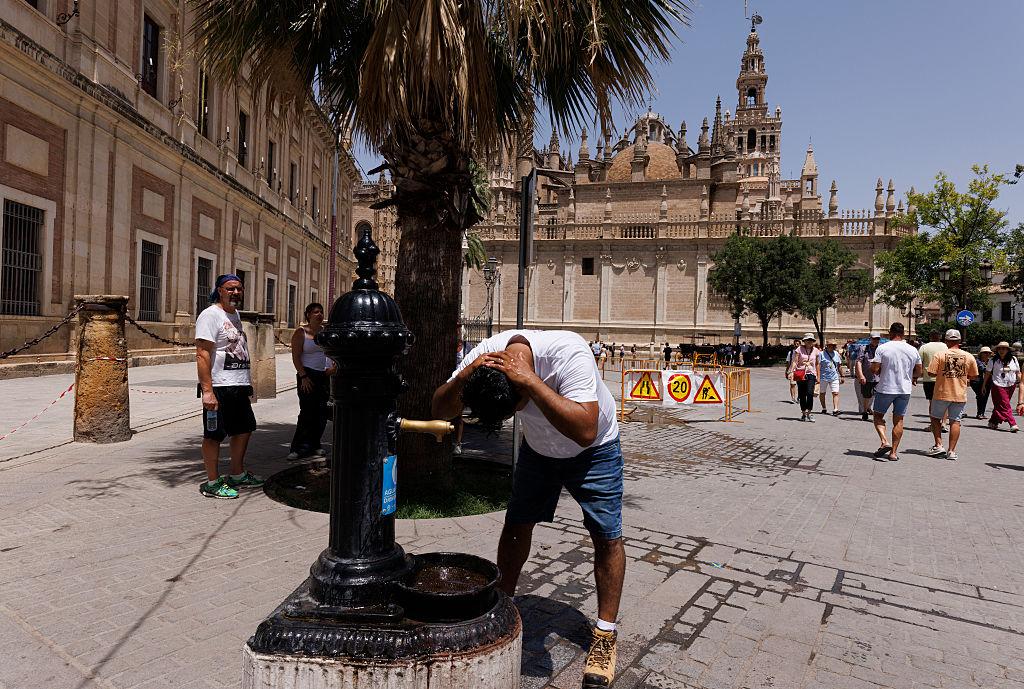
The event also shows why travelers should not assume that the end of August automatically means comfortable weather across Spain. Andalusia can experience substantial heat well into September, and the latest record-level reading demonstrates that exceptionally hot conditions can continue after the conventional summer peak. Checking AEMET forecasts and local health guidance before outdoor plans is therefore especially important during extreme-weather episodes.
What Happens Next as Spain Moves Deeper Into September
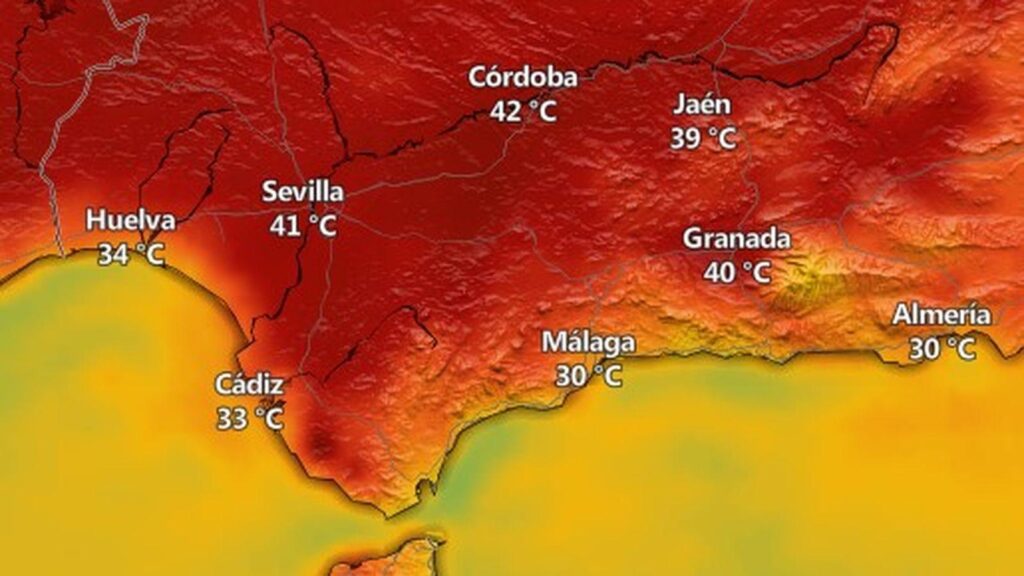
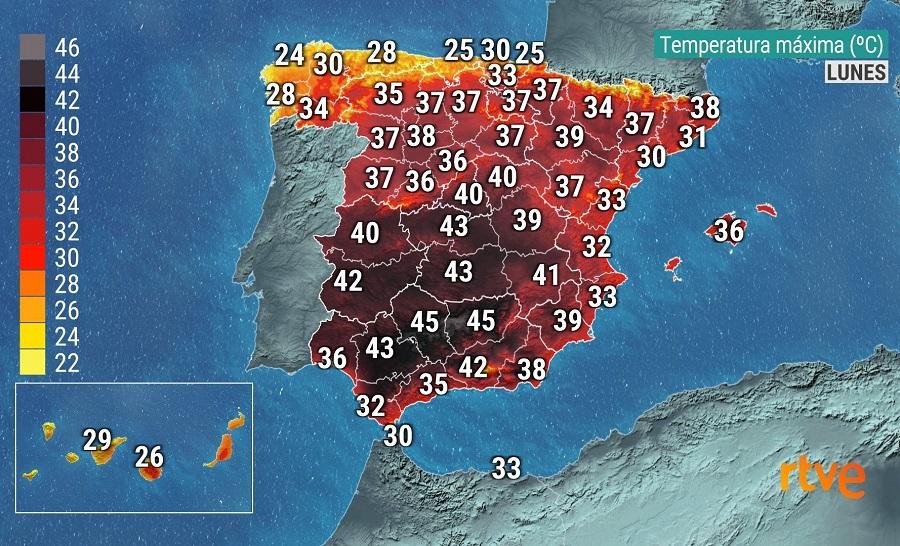
Whether the 45.7°C temperature will remain the month’s benchmark depends on how atmospheric conditions evolve during the rest of September. AEMET’s observations provide the most reliable way to monitor whether additional stations approach or exceed the record. The September 3 readings already demonstrate how sharply temperatures can vary between regions, with several Andalusian locations crossing 44°C on the same afternoon.
The bigger question is not simply whether another station reaches 45°C. Spain’s experience in 2026 highlights the importance of looking at the entire season, including average temperatures, rainfall, repeated heat events and health impacts. A single record can make headlines, but the combination of prolonged warmth, dryness and repeated extreme events provides a much clearer picture of the risks communities may face as the climate continues to change. AEMET’s long-term climate records and Spain’s health-monitoring systems will remain important sources for tracking that trend.
Bottom line: Spain’s 45.7°C reading in El Granado on September 3 matched the country’s national September temperature record and became the highest temperature recorded in Spain during 2026 up to that point. With multiple Andalusian locations exceeding 44°C and the country already reporting its hottest January-to-August period on record, the event is an important reminder that extreme heat is no longer confined neatly to the traditional summer months.
Subscribe to trusted news sites like USnewsSphere.com for continuous updates.