Global energy headlines are dominating international markets as Ukraine’s targeted strikes on key Russian oil ports collide with Australia’s sudden LNG production halt, creating a powerful shockwave across global energy supply chains and raising serious concerns for India’s economy and energy security.
The global energy system in 2026 is already fragile, balancing geopolitical conflicts, climate policies, and supply-demand imbalances. But this dual disruption—military strikes in Russia’s oil infrastructure and operational shutdowns in Australia’s LNG exports—has triggered a ripple effect that could reshape fuel prices, inflation trends, and economic stability worldwide.
This article dives deep into what’s happening, why it matters, and how it could directly affect India, the United States, Europe, and global markets.
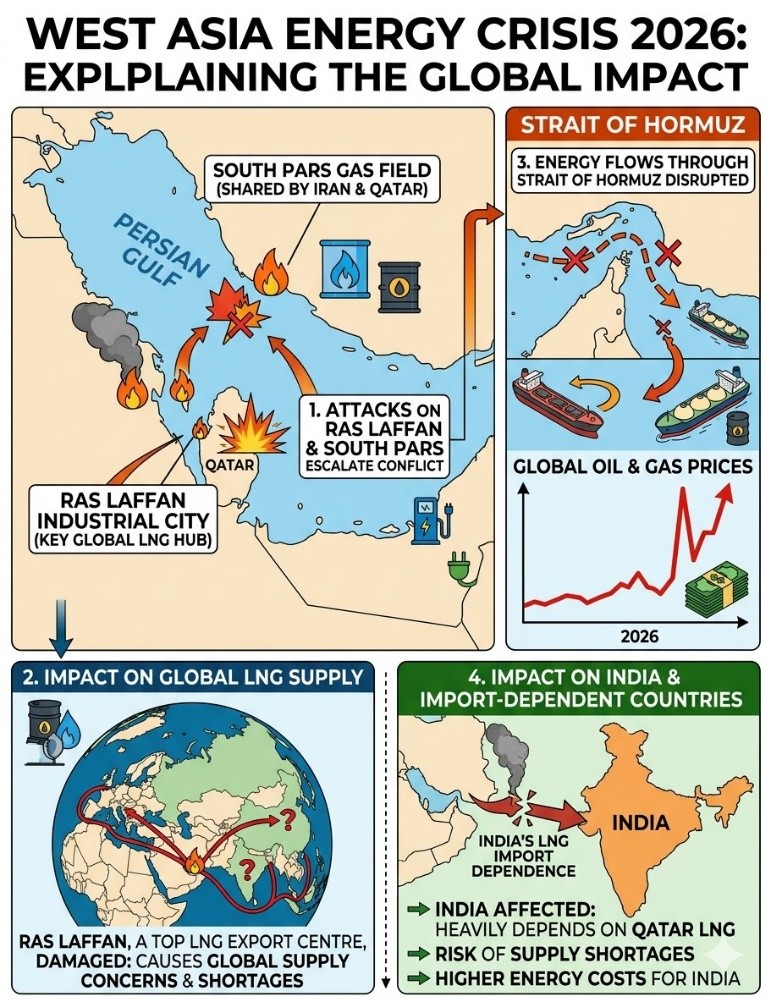
Ukraine’s Strategic Strikes on Russian Oil Ports
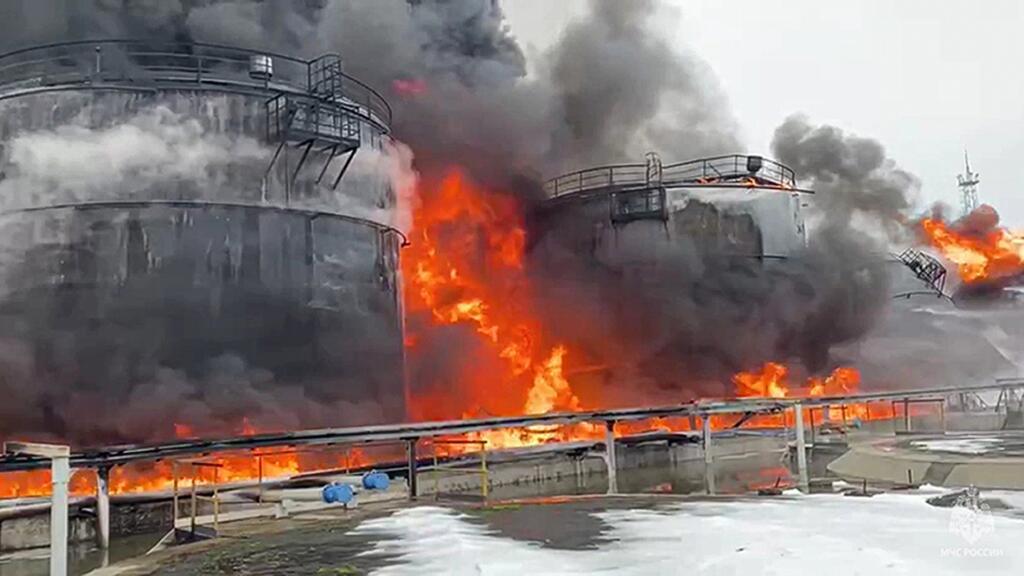
Ukraine’s recent strikes on Russian oil infrastructure mark a significant escalation in the ongoing conflict. These attacks are not random—they are strategically aimed at weakening Russia’s ability to export crude oil and refined petroleum products, which are critical revenue sources for its economy.
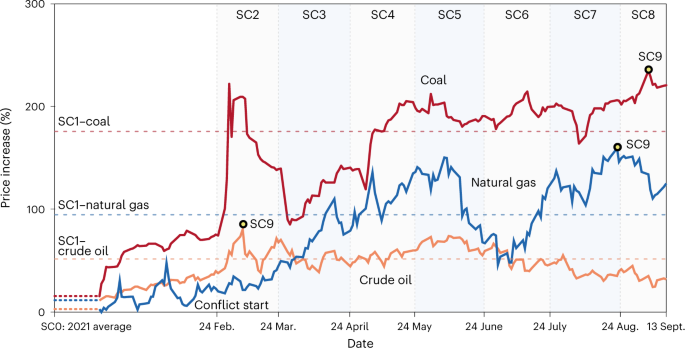
Russian oil ports, particularly those located near the Black Sea and Baltic regions, play a vital role in global energy distribution. By targeting these facilities, Ukraine is effectively disrupting supply routes that feed Europe, Asia, and parts of Africa. Even temporary damage to loading terminals or storage facilities can reduce export capacity by millions of barrels per day.
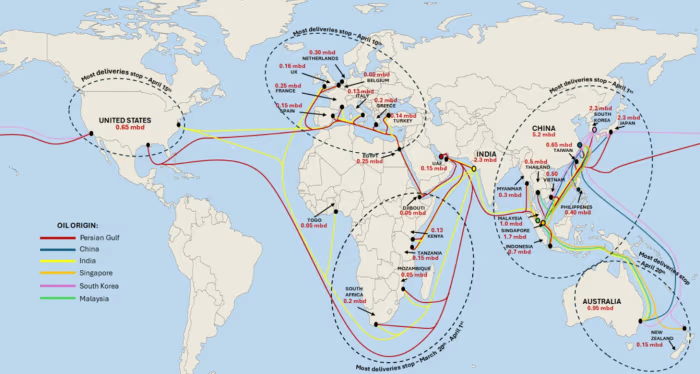
The global oil market reacts quickly to such disruptions. Traders anticipate shortages, pushing crude prices upward almost instantly. Insurance costs for shipping through conflict zones also rise, making transportation more expensive. This creates a cascading effect where even countries not directly involved in the conflict feel the economic impact through higher fuel costs.
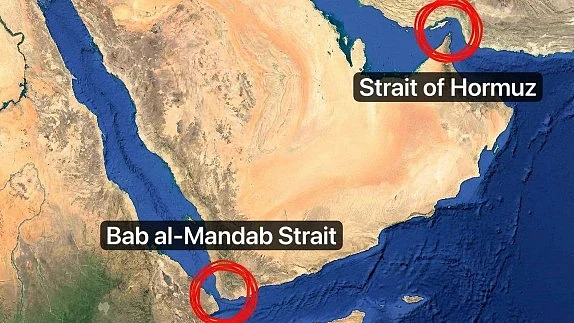
For energy-importing nations like India, this situation is particularly sensitive. India relies heavily on imported crude oil, and any disruption in Russian supply—especially discounted oil—can significantly increase import bills and strain the economy.
Australia’s LNG Production Halt and Its Global Shockwave
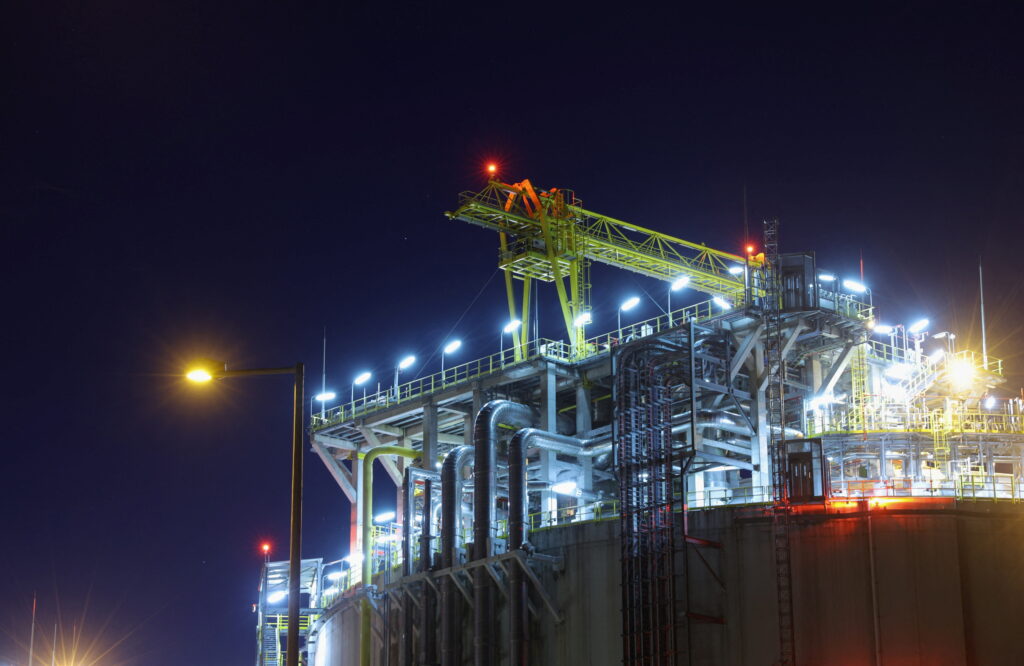
At the same time, Australia—one of the world’s largest exporters of liquefied natural gas (LNG)—has halted production in key facilities. This disruption is equally significant because LNG is a major source of energy for countries that rely on cleaner alternatives to coal and oil.
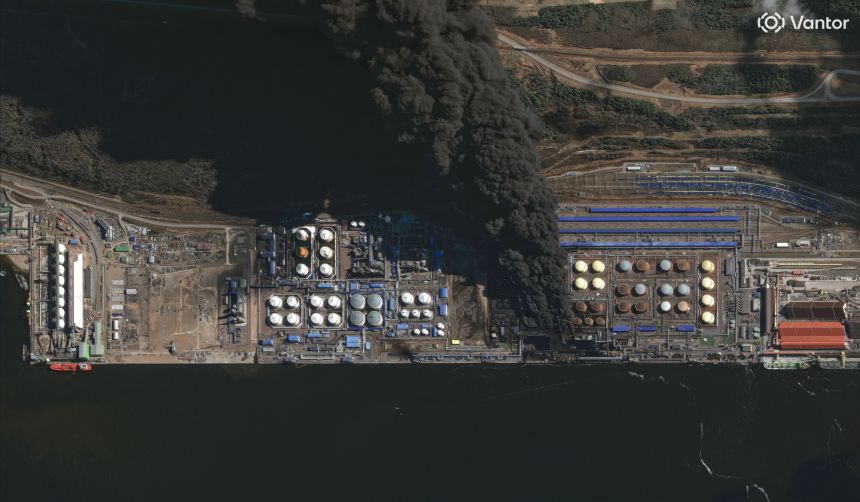
Australia supplies LNG to major economies, including Japan, South Korea, China, and, increasingly, Europe. When production stops, the immediate effect is a supply shortage in global gas markets. Prices surge as countries scramble to secure alternative sources, often bidding higher to outcompete others.
Natural gas markets are highly interconnected. A shortage in one region can push prices up globally. For example, if Europe faces a gas shortage due to reduced Australian LNG, it may import more from the Middle East or the United States, leaving less supply available for Asia.
This creates a domino effect where energy prices rise across multiple sectors—electricity, transportation, manufacturing, and even agriculture. For India, which is expanding its use of natural gas to reduce pollution, this could mean higher costs for industries and consumers alike.
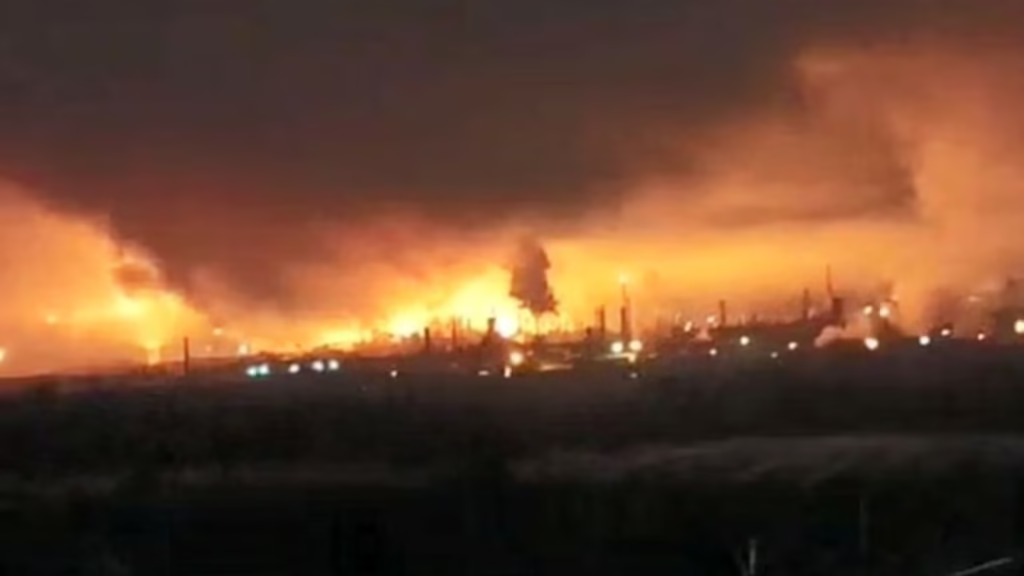
Combined Impact on Global Energy Markets
When two major disruptions occur simultaneously—oil supply from Russia and LNG supply from Australia—the impact is not just additive, it is exponential. Markets react not only to actual shortages but also to fear and uncertainty.
Oil prices tend to spike when supply risks increase. Similarly, natural gas prices surge when LNG exports are disrupted. Together, these create a broad-based energy inflation that affects nearly every sector of the global economy.
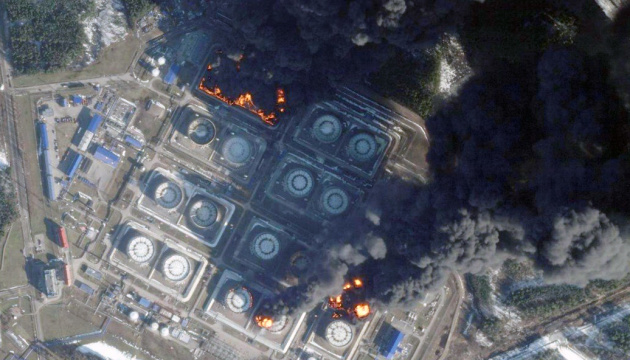
Energy is a foundational input for modern economies. Higher fuel costs increase transportation expenses, which in turn raise the prices of goods and services. Manufacturing becomes more expensive, leading to higher consumer prices. This can slow down economic growth and increase inflation rates globally.
Financial markets also react sharply. Stock markets may decline due to fears of inflation and reduced corporate profits. Meanwhile, energy companies often see their stock prices rise due to higher commodity prices.
This situation creates volatility, and volatility creates opportunity—but also risk. Governments, businesses, and investors must navigate this environment carefully.
Direct Impact on India’s Economy and Energy Security
India stands at a critical intersection in this global energy crisis. As one of the world’s largest energy importers, India is highly sensitive to fluctuations in oil and gas prices.
A rise in crude oil prices directly affects India’s trade balance. Higher import costs mean more pressure on the Indian rupee, potentially leading to currency depreciation. This makes imports even more expensive, creating a cycle that can strain the economy.
Fuel prices within India may also rise. Petrol, diesel, and cooking gas prices are closely linked to global energy markets. Higher prices can lead to increased transportation costs, affecting everything from food prices to logistics.
Industries such as aviation, shipping, and manufacturing are particularly vulnerable. Higher fuel costs reduce profit margins and may lead to increased prices for consumers. This can slow down economic growth and reduce consumer spending.
However, India has some strategic advantages. The country has been diversifying its energy sources, including increasing imports from different regions and investing in renewable energy. India’s ability to adapt quickly to changing global conditions will be crucial in mitigating the impact of this crisis.
Ripple Effects on the United States, Europe, and Global Trade
The impact of these energy disruptions is not limited to India. The United States, Europe, and other major economies are also feeling the pressure.
Europe, already dealing with reduced Russian energy supplies, faces additional challenges due to the LNG shortage. Countries may be forced to rely more on coal or other less sustainable energy sources, potentially affecting climate goals.
The United States, while being a major energy producer, is also affected by global price fluctuations. Higher energy prices can lead to increased inflation, influencing Federal Reserve policies and interest rates.
Global trade routes are also impacted. Shipping costs increase due to higher fuel prices and insurance premiums. This affects the cost of goods worldwide, contributing to inflation.
Emerging markets are particularly vulnerable. Countries with weaker currencies and limited energy resources may face severe economic challenges, including higher inflation and reduced growth.
What Comes Next: Future Outlook and Strategic Shifts
The current global energy crisis may accelerate long-term changes in how countries approach energy security. Governments are likely to invest more in renewable energy, strategic reserves, and diversified supply chains.
Energy independence is becoming a top priority. Countries may reduce reliance on single suppliers and build stronger domestic energy systems. This could lead to increased investments in solar, wind, nuclear, and hydrogen energy.
For India, this is an opportunity as well as a challenge. Expanding renewable energy capacity, improving energy efficiency, and strengthening strategic reserves can help reduce vulnerability to global shocks.
Businesses must also adapt. Companies that rely heavily on energy inputs need to find ways to reduce costs and improve efficiency. This may include adopting new technologies, optimizing supply chains, and exploring alternative energy sources.
Investors should watch energy markets closely. Volatility can create opportunities, but it also requires careful risk management.
A Defining Moment for Global Energy Stability
The combination of Ukraine’s strikes on Russian oil ports and Australia’s LNG production halt represents a critical moment in the global energy landscape. These events highlight the interconnected nature of modern energy systems and the far-reaching impact of geopolitical and operational disruptions.
For India and the rest of the world, the challenge is clear: adapt quickly, diversify energy sources, and build resilience against future shocks. While the current situation presents risks, it also offers an opportunity to rethink energy strategies and move toward a more sustainable and secure future.
As global markets continue to react, staying informed and prepared will be key for governments, businesses, and individuals alike.
Subscribe to trusted news sites like USnewsSphere.com for continuous updates.