

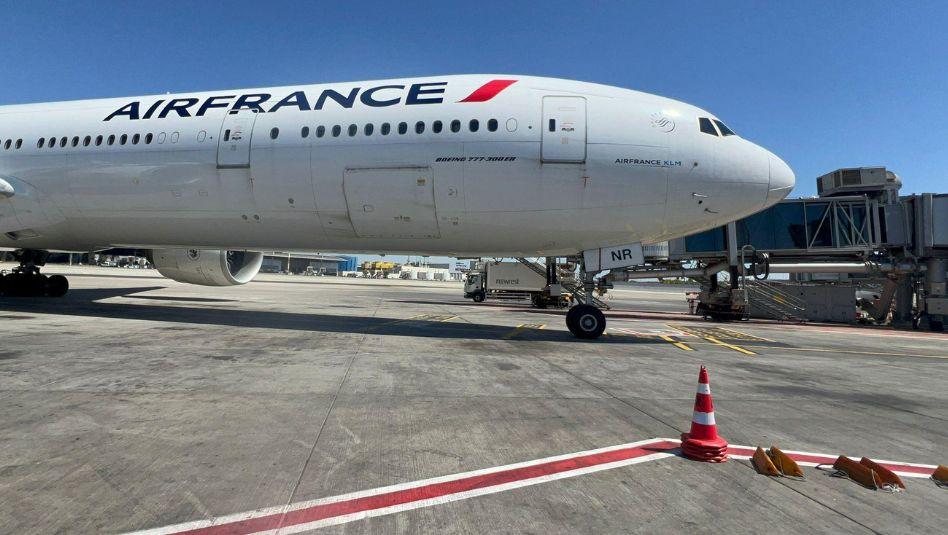
Air France bans Pakistani pilots from operating flights to and from Israel under reported Israeli aviation restrictions that have triggered a wider debate about airline security, nationality and international law. The development has drawn international attention following an alleged cockpit attack aboard a flydubai flight in September 2026, raising questions about how governments should protect commercial aviation without unfairly treating entire groups of workers.
The issue extends beyond a single airline or nationality. Reports indicate that Israeli authorities have instructed foreign carriers to prevent pilots and cabin crew members holding certain nationalities, including Pakistani citizenship, from operating flights into Israeli airspace. Air France has confirmed that it is complying with the applicable Israeli requirements, while other airlines have also addressed the reported restrictions. However, the full official directive has not been publicly released, and reports differ on the precise number of nationalities affected. Source: Al Jazeera and The Indian Express.
The central question is whether these restrictions represent a necessary response to a serious aviation security concern or an overly broad policy that places responsibility on nationality rather than an individual’s conduct and security record.
What Happened Between Air France, Pakistan and Israel?
Air France has confirmed that it is following new Israeli requirements concerning the eligibility of airline crew members operating flights to Israel. According to a statement reported by Al Jazeera on October 13, the airline said it must comply with entry regulations established by the authorities of the countries it serves, covering both passengers and employees. The company also indicated that affected staff had been informed of the new requirements for flights to Tel Aviv.
The reported restrictions concern pilots and cabin crew who hold citizenship, including dual citizenship, from countries that do not maintain formal diplomatic relations with Israel. Pakistan is among the nationalities named in media reports, alongside Iran, Oman, Saudi Arabia, Algeria and several others. The policy is therefore not accurately described as a worldwide ban on Pakistani pilots working for Air France. Its reported scope is tied to flights entering Israeli airspace and the nationality requirements imposed by Israeli authorities. Source: Al Jazeera.
Reports have not been entirely consistent about the number of affected countries. Different accounts have referred to lists containing 27, 29 or 31 countries, and the complete directive has not been independently verified through a publicly available official document. The precise scope should therefore be treated cautiously until the Israeli authorities publish the full rules or provide a detailed clarification.
For affected airline employees, the immediate consequence is a potential restriction on assignments involving Israel, rather than an automatic loss of their professional qualifications or employment across every route. Airlines must assess how the rules apply to individual crew members and determine whether alternative assignments are available. The impact on each employee will depend on the applicable policy, the airline’s staffing arrangements and any relevant employment protections.
The Flydubai Cockpit Incident That Put Aviation Security Under the Spotlight
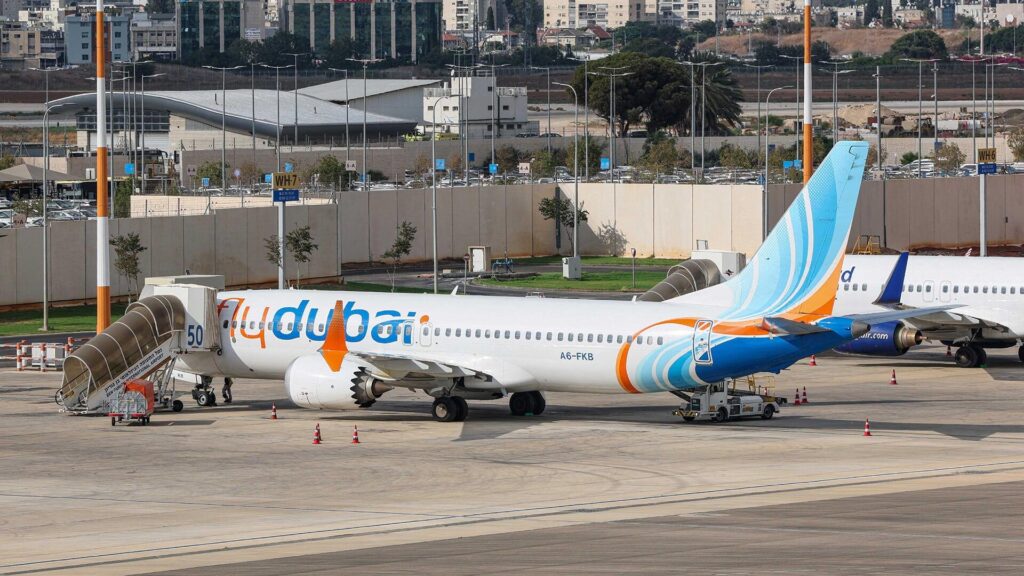
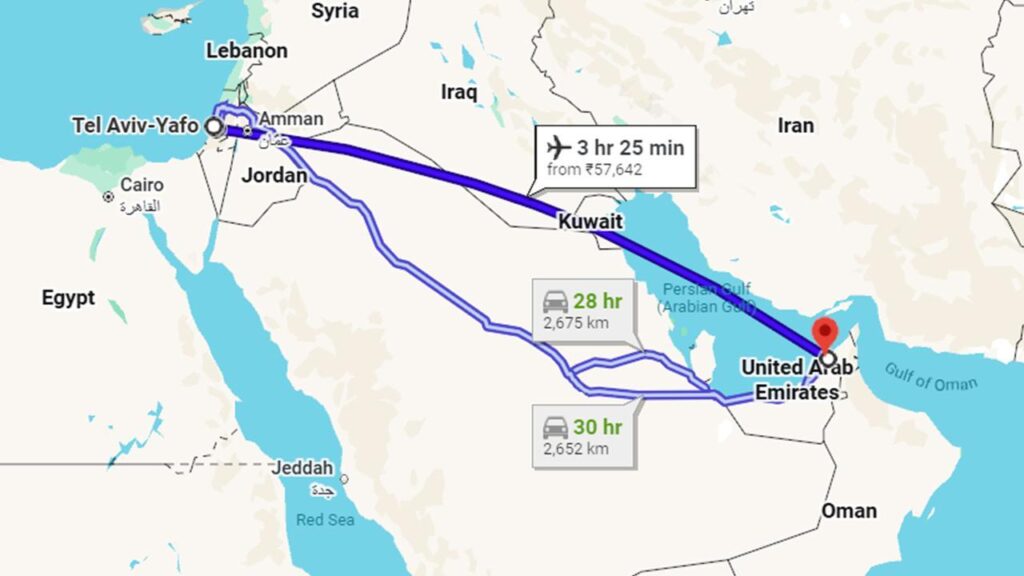
The controversy intensified following an incident aboard flydubai flight FZ1073 on September 30, 2026. The aircraft was travelling from Dubai to Tel Aviv when an Omani co-pilot allegedly attacked Indian captain Smit Machchhar during a confrontation in the cockpit. Reports said the captain was injured and that the aircraft was diverted to Saudi Arabia after the incident. Authorities have described the episode as an alleged attempt to seize control of the aircraft and crash it in Israel.

These are serious allegations, and the distinction between reported claims and established findings matters. Investigators must establish what happened inside the cockpit, the suspect’s actions and intentions, whether any security procedures failed, and what warning signs might have been missed. An alleged attack by one individual does not, by itself, establish that people from the same nationality or from other countries are collectively dangerous.
The incident nevertheless illustrates a fundamental aviation security challenge: commercial aircraft depend on trust, professional discipline and strict cockpit procedures. Pilots have access to critical flight controls, and an attempt by a crew member to harm another pilot could threaten passengers, cabin crew and people on the ground. Airlines and regulators must therefore consider both conventional screening measures and the possibility of threats emerging from within the flight deck.
The subsequent Israeli restrictions were reported as part of a tighter approach to foreign airline crew eligibility. According to reporting by Al Jazeera and The Indian Express, the Israeli Transport Ministry communicated the requirements to foreign airlines in early October. However, media reports do not establish that the flydubai incident was the sole origin of every element of the policy. The restrictions were reported as a response to security concerns, but the exact background, implementation history and official legal rationale require further clarification.
Which Countries and Airlines Are Affected by Israel’s Crew Rules?
Pakistan is among the countries named in reports about the restrictions. Other reported nationalities include Iran, Oman, Saudi Arabia, Algeria, Tunisia, Afghanistan, Bangladesh, Indonesia, Malaysia and the Maldives. Some reports also list countries in Africa, the Middle East, Asia and the Americas. Because the full official directive has not been made public, readers should not assume that every published list is complete or definitive.

The reported nationality test also raises questions about dual citizenship. According to The Indian Express, the reported rules include people who hold dual nationality from a country covered by the restrictions. That could affect a pilot or flight attendant who holds French, American or another country’s citizenship alongside Pakistani citizenship, depending on the exact requirements applied to the route. Birthplace, ethnicity, religion and residence should not be treated as interchangeable with citizenship; available reporting describes a nationality-based restriction rather than a rule based simply on religion.
Air France has confirmed compliance with the Israeli requirements. Czech airline Smartwings has also said it received the directive and would comply, although it reported that the rules had not affected its operations at the time of its statement. Reports have additionally discussed United Airlines and its crew-planning procedures, but the precise actions and operational effects should be distinguished from what each carrier has officially confirmed.
The potential operational consequences vary by airline. Carriers serving Tel Aviv may need to review crew records, adjust rosters and arrange replacement personnel when an employee is not eligible for a particular flight. For airlines with sufficient staffing flexibility, the change might be manageable. Smaller operators or airlines with limited crew availability could face more complicated scheduling decisions, although the actual costs and scale of disruption have not yet been established.
These distinctions matter because an airline’s decision to comply with a destination country’s rules does not necessarily mean that the carrier independently created the restriction. Air France has presented its position as compliance with entry regulations imposed by the authorities it serves. The policy itself, however, remains open to questions about legality, fairness and proportionality.
Aviation Security Versus Nationality-Based Discrimination
The strongest argument in favour of strict aviation screening is the need to protect passengers and prevent a person who poses a credible threat from gaining control of an aircraft. Governments have a responsibility to assess security risks, airlines must maintain safe operations, and flight crew must meet applicable legal and professional requirements. After a serious cockpit incident, authorities are likely to face pressure to demonstrate that they have reviewed existing safeguards and addressed potential vulnerabilities.
The more difficult question is whether excluding crew members because of nationality is an effective and proportionate way to achieve that goal. Nationality-based restrictions can affect people who have passed the same professional training, licensing, background checks and operational assessments as their colleagues. They may also affect employees who have lived in another country for years or who hold more than one citizenship. Critics argue that individual evidence and credible security assessments should carry greater weight than broad assumptions about a person’s nationality.
Al Jazeera reported concerns from legal experts that airlines complying with nationality-based restrictions could face discrimination-related legal challenges under the laws governing their employment relationships. The outcome would depend on the relevant jurisdiction, the wording of the directive, applicable exceptions and the legal duties of the airline. It would be premature to conclude that the policy is unlawful everywhere, just as it would be premature to assume that a government’s security justification automatically resolves every legal question.
There is also an important distinction between the right of a country to regulate entry into its territory and the rules that apply to a foreign airline or its employees under the laws of the airline’s home country. Israel can impose entry and security conditions, but airlines operating internationally must navigate the requirements of multiple legal systems. A rule accepted by one regulator may still raise employment or discrimination questions elsewhere.
For a durable solution, authorities would need to explain the risk assessment supporting the restrictions, identify the precise scope of the policy, provide clear compliance procedures and consider whether individual screening or other less restrictive safeguards could address the same risks. Transparent criteria would help airlines plan operations and allow affected employees to understand their rights and options.
What This Means for Travellers, Airlines and the Aviation Industry
For passengers travelling to Tel Aviv, the reported crew restrictions do not automatically mean that flights will be cancelled or that every flight operated by Air France will be affected. Airlines can often change crew assignments before departure. Nevertheless, staffing constraints can create operational complications, and travellers should rely on their airline for confirmed information about a specific booking rather than assuming that every route will operate normally or face disruption.
Passengers should also distinguish between restrictions affecting crew eligibility and restrictions affecting passenger entry. The reports discussed here concern pilots and cabin crew serving flights to Israel or entering its airspace. They do not establish a general ban on Pakistani passengers travelling internationally, nor do they demonstrate that Pakistani pilots are prohibited from working on all Air France routes worldwide.
For airlines, the most immediate challenge is compliance. Crew nationality and dual-citizenship information may need to be checked against route-specific requirements, with scheduling teams ensuring that eligible personnel are assigned to the relevant services. Companies must balance these checks with privacy, employment law, operational resilience and their existing security procedures. Any changes to staffing may also require coordination between airline management, employee representatives and relevant regulators.
The wider aviation industry will be watching whether other governments adopt similar nationality-based restrictions, whether Israel publishes a complete explanation of its rules, and whether airlines or labour organisations challenge the policy. If the restrictions expand, international carriers could face increasingly complex crew-planning requirements across different destinations. If the rules are narrowed or clarified, airlines may be able to apply them more consistently with less uncertainty.
The episode also reinforces the importance of investigating the flydubai incident independently of the nationality dispute. A thorough investigation should examine the cockpit confrontation, the safeguards intended to prevent unauthorised interference, the handling of the emergency and any relevant gaps in screening or oversight. Evidence from that process would provide a firmer basis for judging which security measures are necessary and whether broader restrictions are justified.
What This Means for You, Investor Takeaway and Future Outlook
What this means for you: If you are planning a trip to Israel, check your flight status and any relevant travel advisories directly with your airline. The reported restrictions concern crew assignments, so travellers should not assume their tickets are invalid simply because the policy has been announced. If you are an aviation professional affected by the reported rules, seek written clarification from your employer or union about the routes covered, the citizenship criteria and the employment options available to you. Passengers should also remember that nationality-based crew restrictions are separate from passenger visa and entry requirements.
Investor takeaway: The immediate business implications are most relevant to airlines with services into Israel and to companies managing complex international crew networks. Potential costs could include roster changes, administrative checks, replacement staffing and disruption if an eligible crew member is unavailable. However, there is not yet enough verified information to quantify the financial effect on Air France, its parent group Air France-KLM or other carriers. Investors should avoid treating the headlines alone as evidence of a material change in earnings. More useful indicators would include official company statements, operational disruptions, regulatory developments and any confirmed change in costs or route capacity.
Future outlook: The next significant developments will likely concern clarification of the Israeli directive, the scope of the affected nationality list, how airlines apply the rules and whether legal challenges emerge. The flydubai investigation may also shape future discussions about cockpit security and crew screening. A transparent, evidence-based approach would help authorities address legitimate safety concerns while limiting unnecessary disruption and protecting employees from unjustified blanket assumptions. Until more official documentation becomes available, the exact scope and longer-term impact of the restrictions remain uncertain.
The Air France controversy illustrates how a single serious aviation security incident can raise questions extending far beyond one flight. Governments must protect air travel, airlines must follow applicable regulations, and employees deserve clear and fair procedures. The long-term credibility of the restrictions will depend not only on whether airlines comply, but also on whether the policy is supported by transparent evidence, proportionate safeguards and appropriate legal scrutiny.
Subscribe to trusted news sites like USnewsSphere.com for continuous updates.