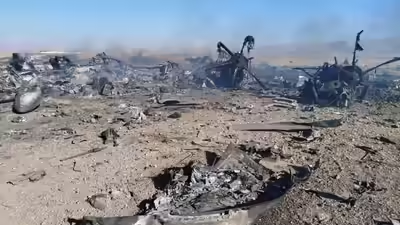
US forced to destroy two of its own aircraft has become a major global defense story, raising questions about military safety, operational risks, and strategic decisions. Reports indicate that the aircraft were deliberately destroyed following a serious incident to prevent further damage, risk, or potential capture. The situation highlights growing operational challenges faced by advanced militaries.
Who: US military forces
What: Destruction of two aircraft
Why: Likely safety, damage control, or strategic prevention
Impact: Raises concerns about military readiness, cost, and global tensions
This matters now because global military tensions are already elevated, and even small incidents can influence geopolitical confidence and defense strategies worldwide.
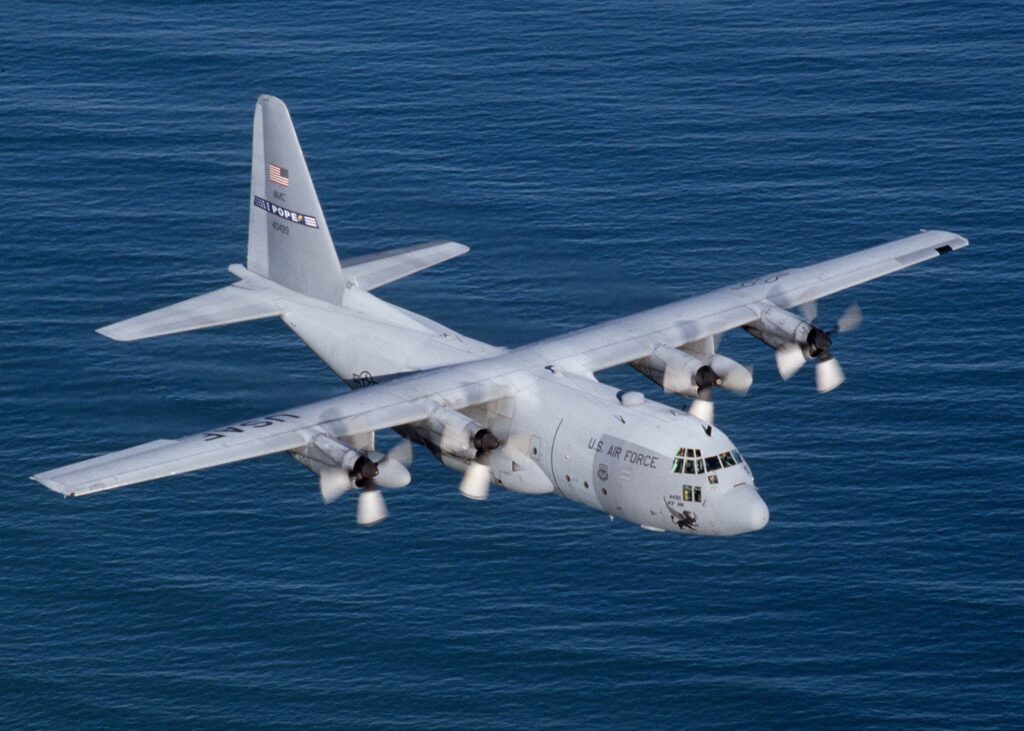
US Forced: What Exactly Happened in the Aircraft Incident
Initial reports suggest that the US military made a controlled decision to destroy two of its own aircraft following an operational issue. While full official details remain limited, such actions are typically taken when recovery is impossible or when there is a risk of sensitive technology falling into the wrong hands.
In many past cases, aircraft have been destroyed after crashes, mechanical failures, or emergency landings in hostile or inaccessible regions. This ensures that advanced systems, weapons, or classified technology do not get exposed. The same logic likely applies here, pointing toward a precautionary but serious operational failure.
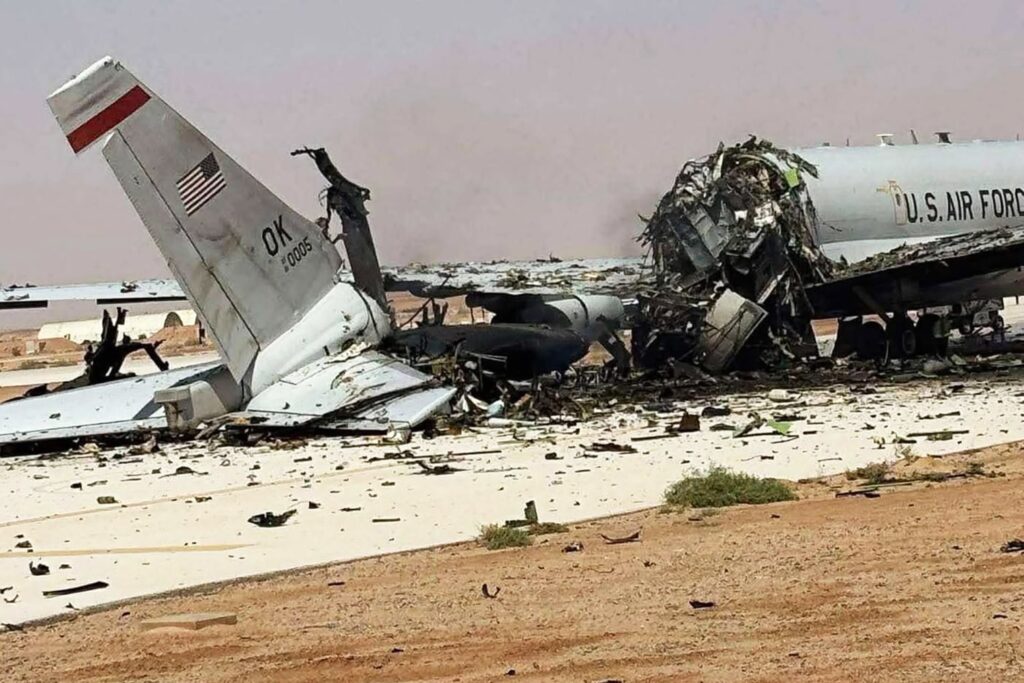
Why the US Military Would Destroy Its Own Aircraft
Destroying military assets is never taken lightly, especially when modern aircraft can cost tens or even hundreds of millions of dollars. However, there are clear reasons why such a decision may be necessary under extreme circumstances.
One of the biggest reasons is technology protection. US aircraft often carry advanced radar systems, stealth technology, and encrypted communication tools. If such equipment is at risk of being captured, destroying the aircraft becomes the safest option. Additionally, pilot safety and mission containment can also play a role, especially if an aircraft becomes uncontrollable or compromised during a mission.
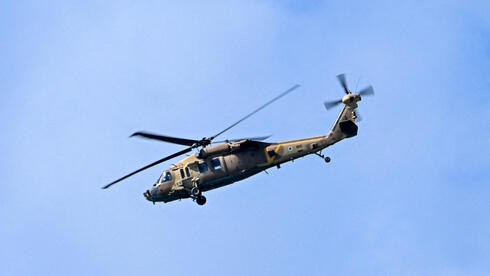
The Financial and Strategic Impact of Losing Military Aircraft
The financial cost of losing two aircraft can be massive. Depending on the type, a single advanced military aircraft can cost between $30 million and over $100 million. Losing two in a single incident represents not just financial damage, but also operational setbacks.
Beyond cost, the strategic impact is even more significant. Aircraft are critical assets in surveillance, combat, and rapid response missions. Losing them can temporarily weaken operational readiness. It also forces the military to review procedures, safety protocols, and mission planning to avoid similar incidents in the future.
How This Incident Affects Global Military Confidence
Incidents like this are closely watched by other countries, especially global rivals. Even though accidents and emergency decisions are part of military operations, they can still influence how other nations perceive strength, readiness, and reliability.
For allies, it may raise concerns about coordination and risk management. For competitors, it may offer insights into vulnerabilities or operational challenges. In today’s environment, where geopolitical tensions are high, even a single incident can shape narratives and influence strategic decisions across multiple regions.
What Experts Are Saying About the Situation
Defense analysts suggest that while the incident may seem alarming, such actions are part of standard military protocols in extreme cases. Experts emphasize that protecting classified technology is often more important than saving equipment.
Some analysts also point out that modern warfare involves increasingly complex systems, making operations more challenging. As technology advances, the risks associated with failure or compromise also increase. This incident highlights the delicate balance between technological advancement and operational risk.
What Happens Next After This Incident
Following incidents like this, the US military typically conducts a detailed investigation to understand exactly what went wrong. This includes analyzing technical data, pilot reports, and mission conditions. The goal is to prevent similar situations in the future.
There may also be updates to operational procedures, training programs, and safety measures. In some cases, manufacturers may be involved if mechanical issues are suspected. Overall, such incidents often lead to improvements in systems and processes, even though they come at a high cost.
Why This Story Matters for the Future of Defense
This incident highlights a larger trend in modern military operations: increasing reliance on advanced, high-cost technology that comes with higher risks. As global tensions rise, the pressure on military systems continues to grow.
Understanding these events helps provide insight into how modern defense systems operate under stress and how nations respond to unexpected challenges. It also reminds us that even the most advanced military forces are not immune to operational risks.
Subscribe to trusted news sites like USnewsSphere.com for continuous updates.