Iran Cuts Diplomatic Channels With US Ahead of Strait of Hormuz Deadline
Iran cuts diplomatic channels with the US ahead of the Strait of Hormuz deadline, marking a major escalation in global tensions. The move comes as former US President Donald Trump issued a final ultimatum demanding Iran reopen one of the world’s most critical oil routes.
Who: Iran and the United States
What: Iran has stopped direct diplomatic communication
Why: Rising conflict over the Strait of Hormuz and military threats
Impact: Global oil prices, stock markets, and geopolitical stability at risk
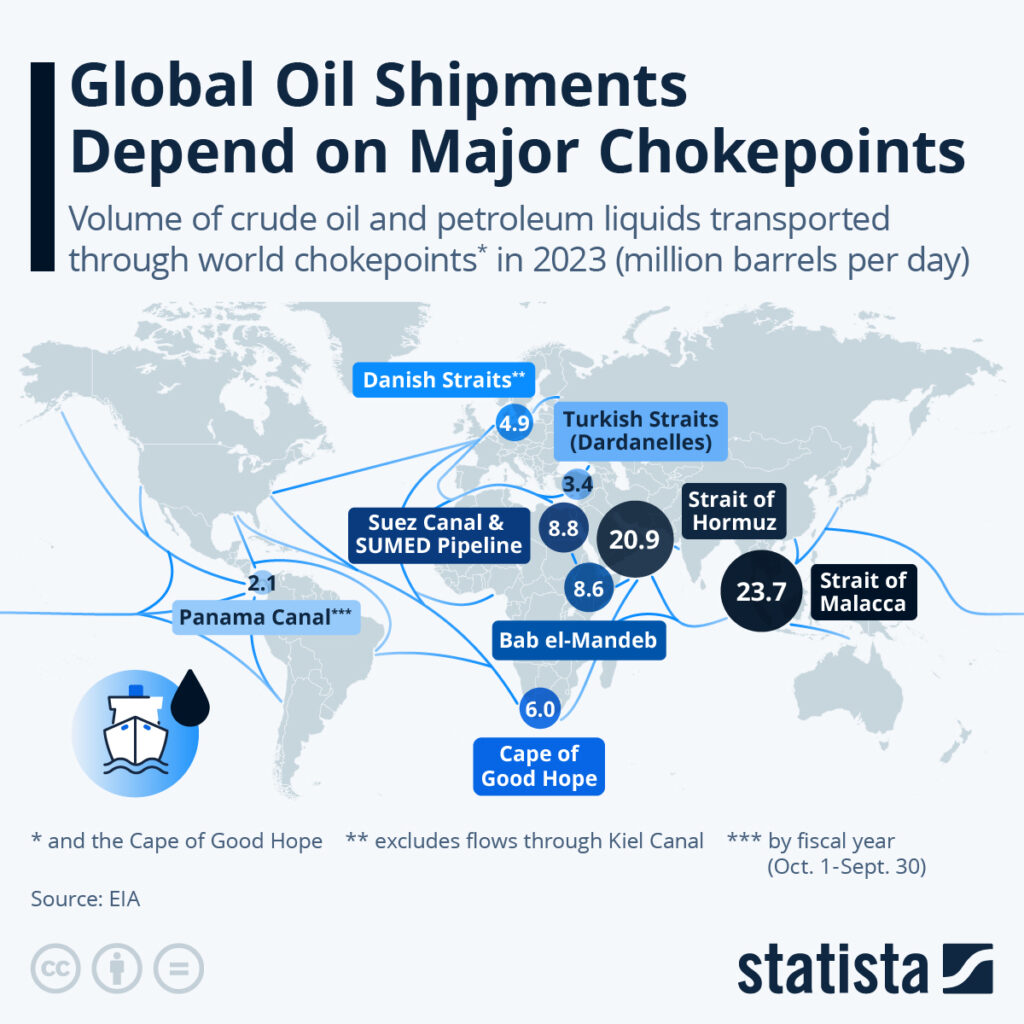
This situation matters now because the Strait of Hormuz carries nearly 20% of global oil supply, and any disruption could trigger energy price spikes and economic instability worldwide.
Why Iran Cut Off Diplomatic Communication With the US
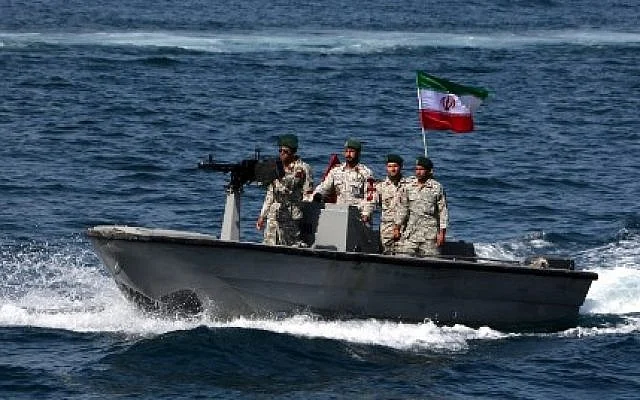
Iran’s decision to end direct diplomacy is a strong signal that trust between the two nations has collapsed. Reports indicate that communication is now only happening through intermediaries like Pakistan and other regional players, making negotiations slower and more uncertain.
This move also suggests that Iran is preparing for a scenario where diplomacy may fail. By shutting down direct talks, Tehran is increasing pressure on Washington while also protecting itself from sudden negotiation demands tied to military threats.
At the same time, the US continues to push for immediate action, creating a high-stakes standoff where both sides are unwilling to back down.
Trump’s Strait of Hormuz Deadline Explained
The US set a strict deadline for Iran to reopen the Strait of Hormuz or face severe consequences, including potential strikes on infrastructure. This deadline has become the central trigger point for escalating tensions.
Recent reports show that the US administration warned of “massive consequences” if Iran fails to comply.
The Strait itself is one of the most important shipping lanes in the world. Any disruption affects not just oil transport but also global trade routes connecting Asia, Europe, and the United States.
Iran has responded by refusing to comply without major concessions, including sanctions relief and long-term security guarantees. This deadlock has made the deadline even more dangerous.
Rising Military Tensions and Regional Impact
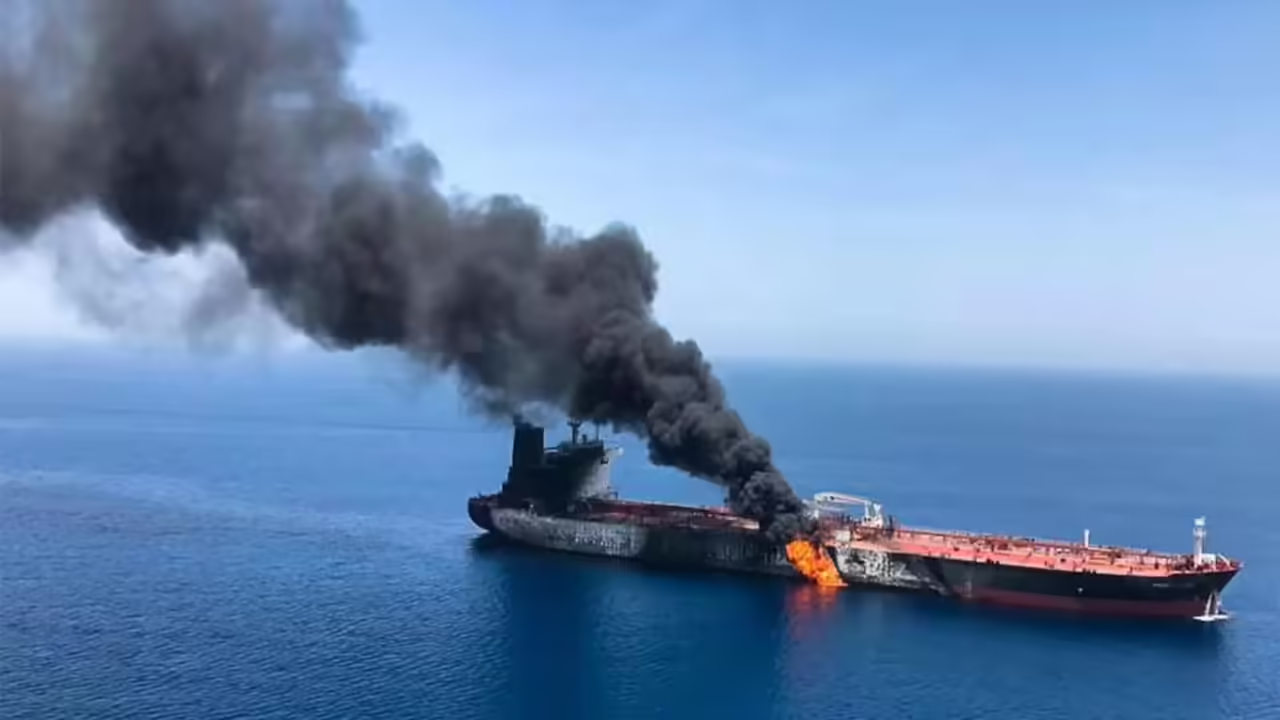
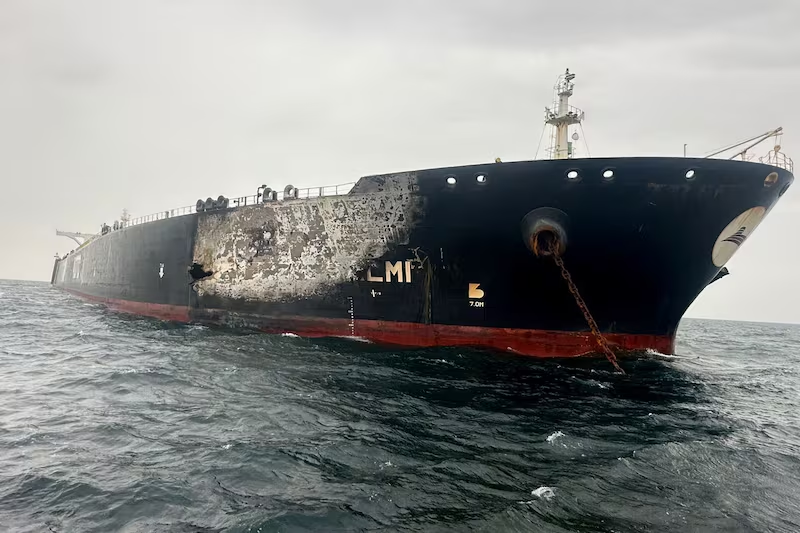
Military actions and threats have already intensified in the region. Reports indicate that strikes on infrastructure and retaliatory attacks have taken place, affecting oil facilities and shipping routes.
This conflict is no longer limited to just the US and Iran. Countries like Saudi Arabia, Israel, and regional allies are being pulled into the situation, increasing the risk of a broader Middle East conflict.
Additionally, back-channel diplomacy involving countries like Turkey, Qatar, and Egypt shows that global powers are trying to prevent escalation—but with limited success so far.
The longer this continues, the higher the chance of a multi-country conflict that could destabilize the entire region.
Global Oil Markets and Economic Shock Risks
The biggest global impact of this crisis is on oil markets. The Strait of Hormuz handles a massive share of global energy supply, and even partial disruption can push prices higher.
Markets have already reacted with caution. US stock indexes declined as investors worried about the potential for rising oil prices and economic uncertainty.
Energy stocks, however, have started to rise—indicating that investors expect oil prices to increase if tensions escalate further.
If the Strait remains blocked or partially restricted, the world could see:
- Sharp increases in gasoline prices
- Supply chain disruptions
- Inflation spikes in major economies like the US and Europe
This is why global markets are closely watching every development in this crisis.
Why This Matters Now for the US and Global Stability
This situation is not just about diplomacy—it’s about global power balance and economic stability. The breakdown in communication reduces the chances of a peaceful resolution and increases the likelihood of miscalculation.
For the United States, this crisis could impact inflation, energy policy, and international relations. For Europe, it raises concerns about energy security. For Asia, it threatens critical trade routes.
The involvement of multiple countries and the collapse of direct talks make this one of the most dangerous geopolitical moments in recent years.
The longer diplomacy remains frozen, the harder it becomes to avoid conflict.
What Happens Next in the Iran-US Standoff
The next steps depend heavily on whether Iran reopens the Strait of Hormuz or whether the US follows through on its threats.
There are three likely scenarios:
- Diplomatic breakthrough: Indirect negotiations lead to a temporary deal
- Limited conflict: Targeted strikes without full-scale war
- Major escalation: Wider regional conflict involving multiple nations
Right now, signals are mixed. While some reports suggest ongoing indirect talks, others confirm that direct diplomacy has completely stopped, making a quick resolution unlikely.
The world is now watching closely, as even a single decision could reshape global markets and geopolitics overnight.
Subscribe to trusted news sites like USnewsSphere.com for continuous updates.