Cuba Solar Revolution 2026 is becoming one of the most talked-about energy stories in the world as the Caribbean nation races to reduce blackouts and fuel shortages with massive Chinese-backed solar projects. Cuba is facing severe electricity outages, rising fuel scarcity, and pressure from US sanctions, but the country is now rapidly expanding solar energy infrastructure to stabilize power generation. The move matters now because millions of Cubans are experiencing long daily blackouts, while global energy analysts are closely watching whether renewable energy can help Cuba survive one of its worst economic and energy crises in decades.
Recent reports show Cuba has sharply increased solar capacity over the last year, with China providing technology, financing, batteries, and solar park development support. The renewable energy expansion is now being described by analysts as one of the fastest solar transitions ever attempted by a developing country.
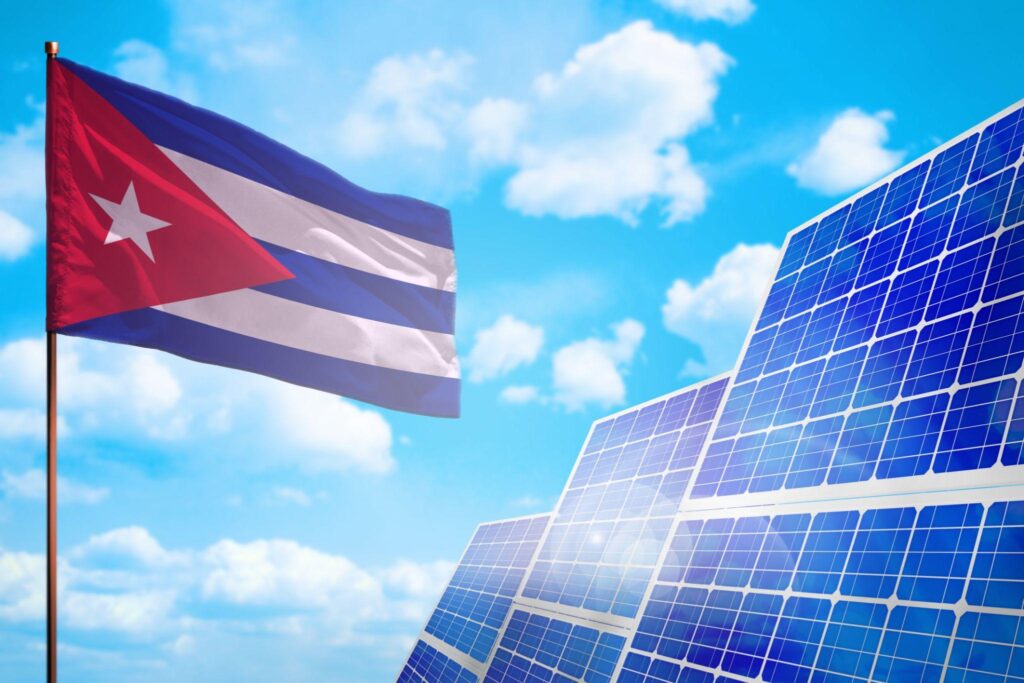
Cuba’s Energy Crisis Is Driving a Massive Shift Toward Solar Power
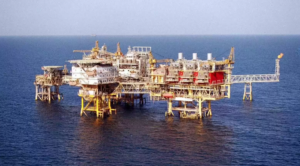
Cuba’s electricity system has been under extreme pressure throughout 2026. Rolling blackouts lasting up to 20–22 hours in some areas have disrupted homes, hospitals, businesses, transportation, and tourism. Officials recently admitted the country was running dangerously low on diesel and fuel oil supplies needed for traditional electricity generation.
The energy crisis has been intensified by tighter US restrictions and declining oil shipments from key suppliers. Venezuela, once Cuba’s major oil partner, has reduced support, while global fuel prices remain volatile. As a result, Cuba has accelerated renewable energy projects much faster than originally planned. Analysts say the government now sees solar energy not only as an environmental strategy but as an economic survival plan.
One major reason this story is gaining global attention is the speed of the transition. Cuba’s solar-powered electricity generation reportedly jumped from under 6% to above 20% within about a year, according to multiple energy reports.

China Is Becoming Cuba’s Most Important Energy Partner
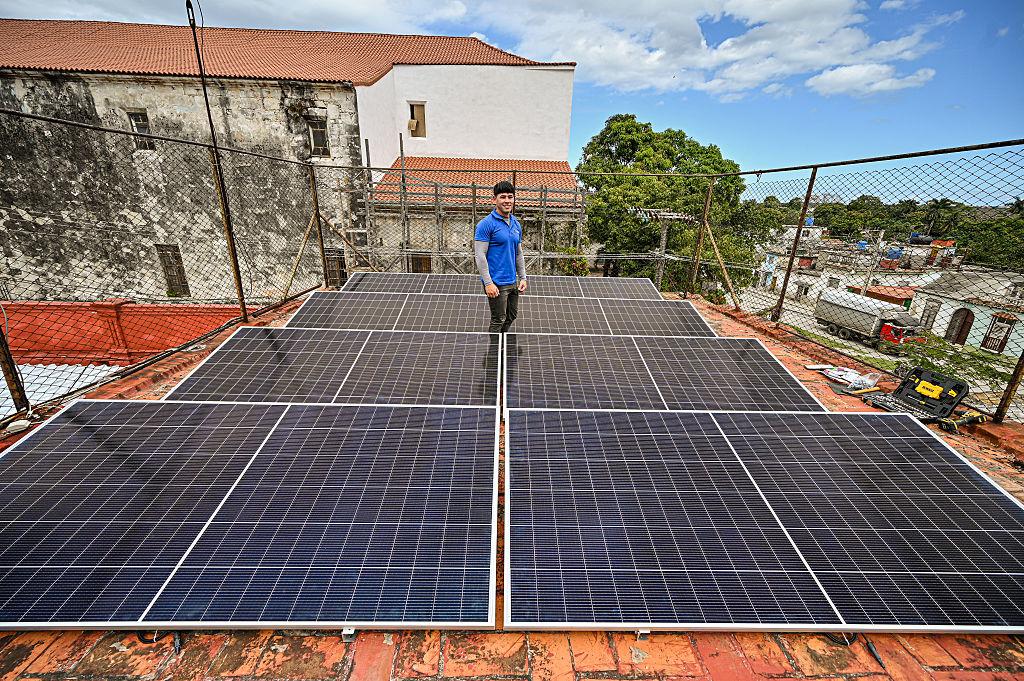
China’s role in Cuba’s renewable energy expansion is now central to the country’s long-term strategy. Chinese companies and government-backed programs have reportedly helped install dozens of solar parks across the island while also supplying photovoltaic panels, batteries, and technical expertise.
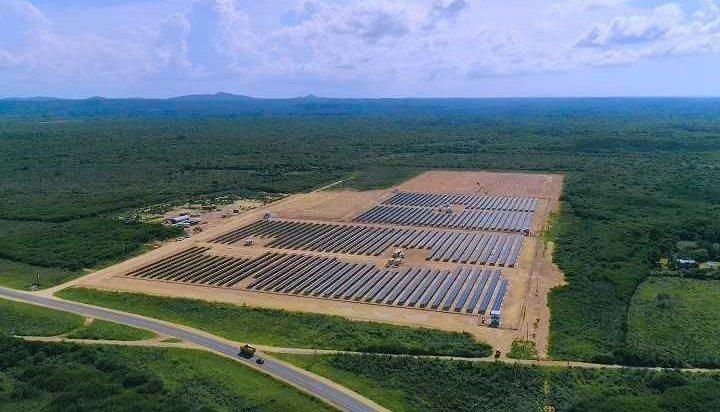
Reports indicate China has committed to helping Cuba develop around 92 solar parks by 2028, with a combined generating capacity close to 2 gigawatts. That amount is significant because it approaches the output of much of Cuba’s traditional fossil-fuel power infrastructure. Some projects also include battery storage systems designed to stabilize the electric grid during nighttime hours and reduce outages.
Chinese solar exports to Cuba have increased dramatically in recent years. Energy experts say Beijing sees the partnership as both a humanitarian opportunity and a strategic investment in Latin America and the Caribbean. The partnership is also strengthening China’s influence in a region historically shaped by US political and economic pressure.
Why the Cuba Solar Revolution Matters to the World
The Cuban solar revolution matters globally because it highlights how countries facing economic pressure and fuel shortages are increasingly turning to renewable energy for stability and energy independence. Many developing nations are now studying whether Cuba’s model can be replicated in regions struggling with expensive fossil fuel imports and weak electricity infrastructure.
Energy researchers say Cuba’s rapid solar expansion could become an important case study for emerging economies. If the country succeeds in stabilizing electricity supplies through renewables, it may influence energy strategies across parts of Latin America, Africa, and Asia. At the same time, critics argue the transition remains extremely difficult because Cuba still depends heavily on imported fuel and has aging infrastructure.
The story also reflects the growing global competition between the United States and China in clean energy technology. While US sanctions continue to pressure Cuba economically, China is positioning itself as a critical energy partner through renewable infrastructure investments. This geopolitical angle is one reason the topic is trending heavily across international media outlets and policy discussions.
Solar Farms Are Expanding Across Cuba Faster Than Expected
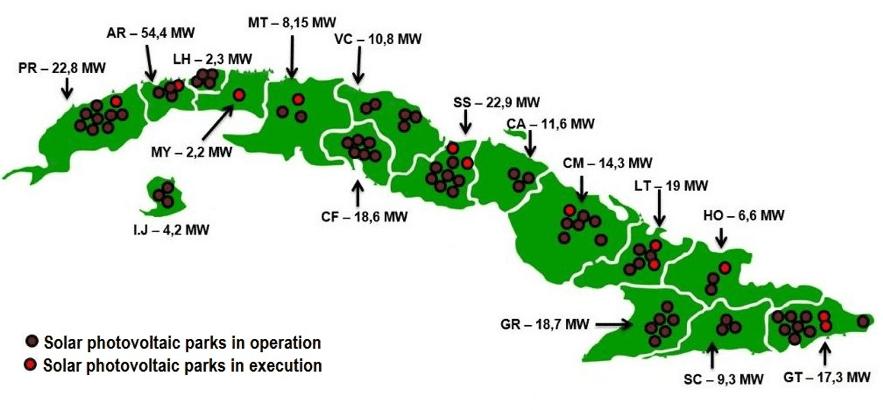
Large-scale solar farms are now appearing across multiple Cuban provinces. Reports suggest more than 45 solar parks are already operational or under development, while additional projects continue to move forward despite economic challenges. Several installations are being designed with integrated battery systems to reduce grid instability during peak demand periods.
The Cuban government has also introduced measures encouraging private solar adoption. Import taxes on solar panels, batteries, and inverters have reportedly been reduced or removed to encourage businesses and households to invest in renewable systems. Small businesses, health centers, and rural communities are increasingly using solar technology to maintain operations during blackouts.
Some hospitals and public institutions have already received solar equipment to protect essential services during power outages. Analysts say this decentralized approach could help reduce pressure on Cuba’s fragile national power grid over time. However, experts also warn that renewable expansion alone may not solve all electricity problems unless transmission networks and storage systems are upgraded significantly.

Blackouts Continue While Cuba Tries to Rebuild Its Power Grid
Despite rapid renewable growth, millions of Cubans are still dealing with severe blackouts and economic hardship. Many neighborhoods continue experiencing long power interruptions, especially outside Havana. Businesses are struggling to preserve food, maintain internet connectivity, and operate equipment during repeated outages.
Tourism, one of Cuba’s most important industries, has also been affected by electricity shortages and fuel limitations. Hotels, transportation systems, and restaurants face rising operational costs as they rely more heavily on generators and backup energy systems. Economists warn that Cuba’s broader financial recovery will depend heavily on whether the country can stabilize electricity supplies over the next several years.
At the same time, renewable energy supporters argue the current crisis may ultimately accelerate modernization. Instead of rebuilding full dependence on imported oil, Cuba is now investing in long-term solar infrastructure that could permanently reshape the country’s energy future.
What Happens Next for Cuba’s Renewable Energy Future
Energy analysts believe Cuba’s next few years will be critical. If planned solar parks and battery projects are completed successfully, the country could significantly reduce fuel imports and improve grid reliability. Government targets aim to sharply increase renewable energy generation before 2030, though experts caution that financing and infrastructure limitations remain major obstacles.
China is expected to remain deeply involved in Cuba’s renewable energy sector through equipment exports, technical partnerships, and financing agreements. Additional international cooperation may also emerge if the energy crisis continues to worsen. Some experts estimate Cuba could eventually generate a large share of daytime electricity from solar power if current installation speeds continue.
For global audiences, the Cuban solar revolution has become more than just an energy story. It is now a major example of how geopolitics, sanctions, renewable technology, and economic survival are intersecting in real time. As blackouts continue and solar farms expand, the world will be watching whether Cuba can successfully transform one of its deepest national crises into a long-term energy transition.
Subscribe to trusted news sites like USnewsSphere.com for continuous updates.