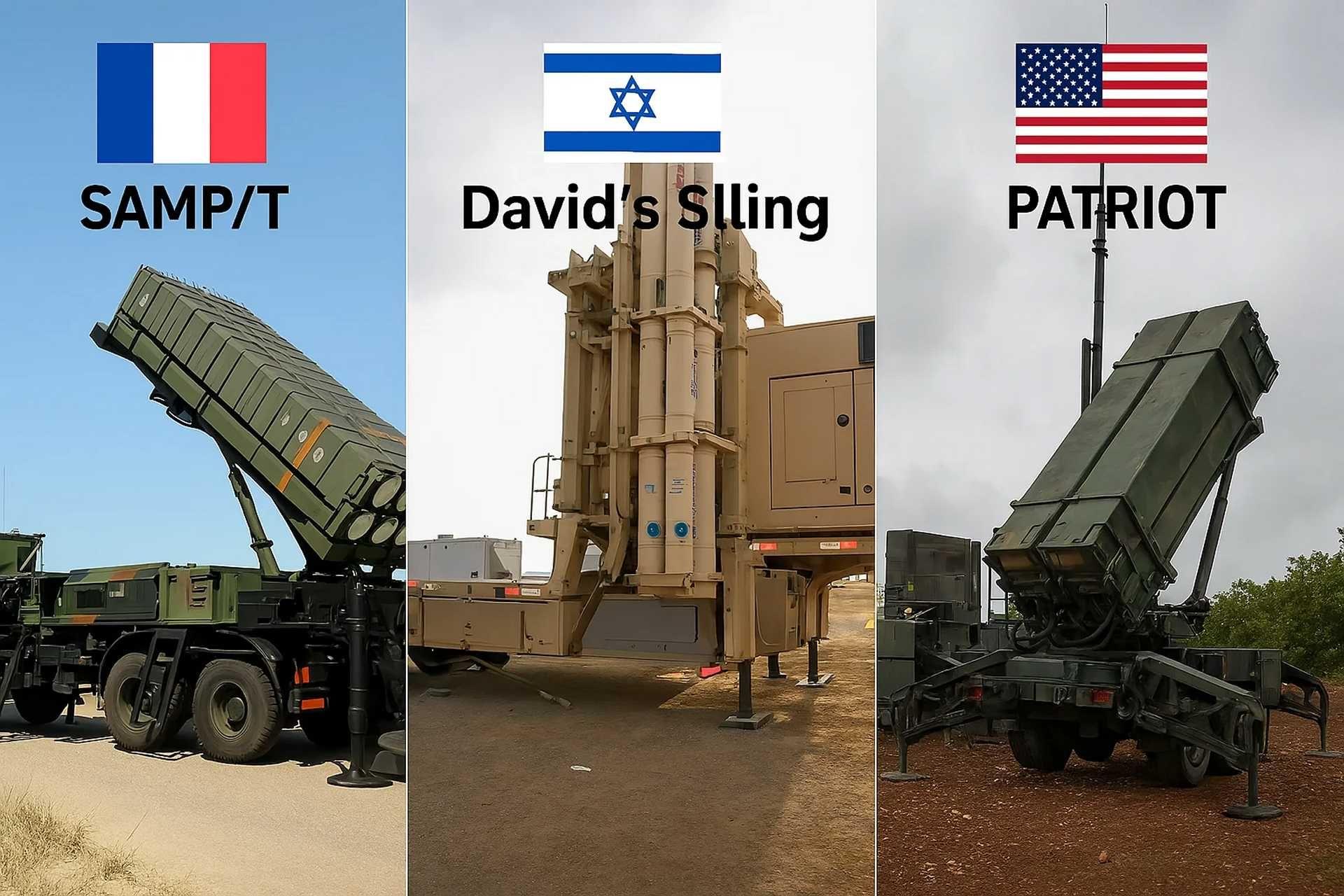
Europe’s move to replace Trump-backed missiles is quickly becoming one of the most important defense stories shaping Western security policy in 2026. European leaders are reassessing reliance on U.S.-approved missile systems tied to Donald Trump-era decisions, especially as uncertainty grows around future American commitments. The shift is driven by rising tensions with Russia, ongoing war risks in Ukraine, and a broader push for European strategic autonomy. This move signals not just a weapons upgrade—but a major geopolitical reset. Why this matters now: Europe is preparing for a future where it must defend itself faster, independently, and with more advanced systems.
Europe’s Shift Away from Trump-Era Missile Strategy


European defense planners are actively reviewing missile systems that were previously aligned with policies from the Trump administration. These systems were often tied to U.S. strategic priorities, including deterrence models that relied heavily on American deployment and logistics.
Now, countries like Germany, France, and Poland are pushing for alternatives that give them more control. The idea is simple: build systems that are European-led, faster to deploy, and less dependent on shifts in U.S. political leadership.
Why Europe Wants More Control Over Its Defense Systems


The push for independence is not happening in isolation. Europe has seen firsthand how political changes in Washington can reshape global defense commitments overnight. Under Donald Trump, NATO allies were repeatedly pressured to increase spending and rely less on U.S. support.
That pressure has now evolved into action. European nations are investing billions into domestic defense industries, accelerating projects like missile shields, long-range strike systems, and integrated air defense networks. The goal is resilience—ensuring Europe can act even if U.S. priorities shift.
The Role of Russia and the Ukraine War in This Decision


The war in Ukraine has completely changed Europe’s threat perception. Russian missile strikes have demonstrated the importance of advanced air defense systems capable of intercepting both ballistic and cruise missiles.
Countries near NATO’s eastern flank—especially Poland and the Baltic states—are demanding faster upgrades. The presence of Russia as a direct military threat has forced Europe to prioritize speed, integration, and domestic production capabilities over long-term reliance on external partners.
What Systems Could Replace Trump-Backed Missiles


Several alternatives are already under discussion or deployment. Europe is exploring systems like the SAMP/T (a Franco-Italian system), Germany’s IRIS-T air defense, and upgrades to existing NATO-integrated technologies.
Unlike older frameworks, these systems are designed with interoperability in mind—meaning they can work seamlessly across multiple European countries without relying entirely on U.S. command structures. This marks a shift from dependency to partnership.
Impact on NATO and Transatlantic Relations
This move doesn’t mean Europe is abandoning NATO. Instead, it reflects a rebalancing within the alliance. European nations still value U.S. support, but they want a stronger voice and more operational independence.
For the U.S., this could be a double-edged sword. On one hand, it reduces the burden on American forces. On the other, it signals a shift in influence as Europe becomes more self-reliant in defense decisions.
What Happens Next and Why This Matters Now
In the coming months, expect more joint European defense projects, increased military budgets, and faster procurement decisions. The timeline is urgent, with many systems expected to be operational within a few years.
Why this matters now is clear: Europe is preparing for a world where security guarantees are less predictable. By replacing Trump-backed missile frameworks, European nations are sending a strong signal—they are ready to take control of their own defense future.
Subscribe to trusted news sites like USnewsSphere.com for continuous updates.