Markets on Edge: From Good Friday Closures to Global Tensions—What Every US Investor Must Watch Now is shaping up to be one of the most critical financial themes of 2026. As markets react to a mix of scheduled closures and unexpected geopolitical developments, investors are facing a period of heightened uncertainty.
The temporary pause in trading during Good Friday has added another layer of complexity, limiting liquidity at a time when global events are driving rapid changes in sentiment. Meanwhile, escalating tensions in key regions are influencing oil prices, inflation expectations, and broader market stability.

For US investors, this is not just a moment to observe—it is a time to prepare, adapt, and make informed decisions.
How Good Friday Closures Impact Market Dynamics
Financial markets in the United States, including major exchanges, typically close on Good Friday. While this is a routine occurrence, its impact becomes more significant during periods of heightened volatility.
When markets are closed, investors are unable to react to new developments in real time. This can lead to pent-up demand and sharp movements when trading resumes. In 2026, with global tensions running high, this effect is particularly pronounced.
Additionally, reduced trading volumes before and after the holiday can increase volatility. With fewer participants in the market, price movements can become more exaggerated, creating both risks and opportunities.
Global Tensions Driving Market Uncertainty
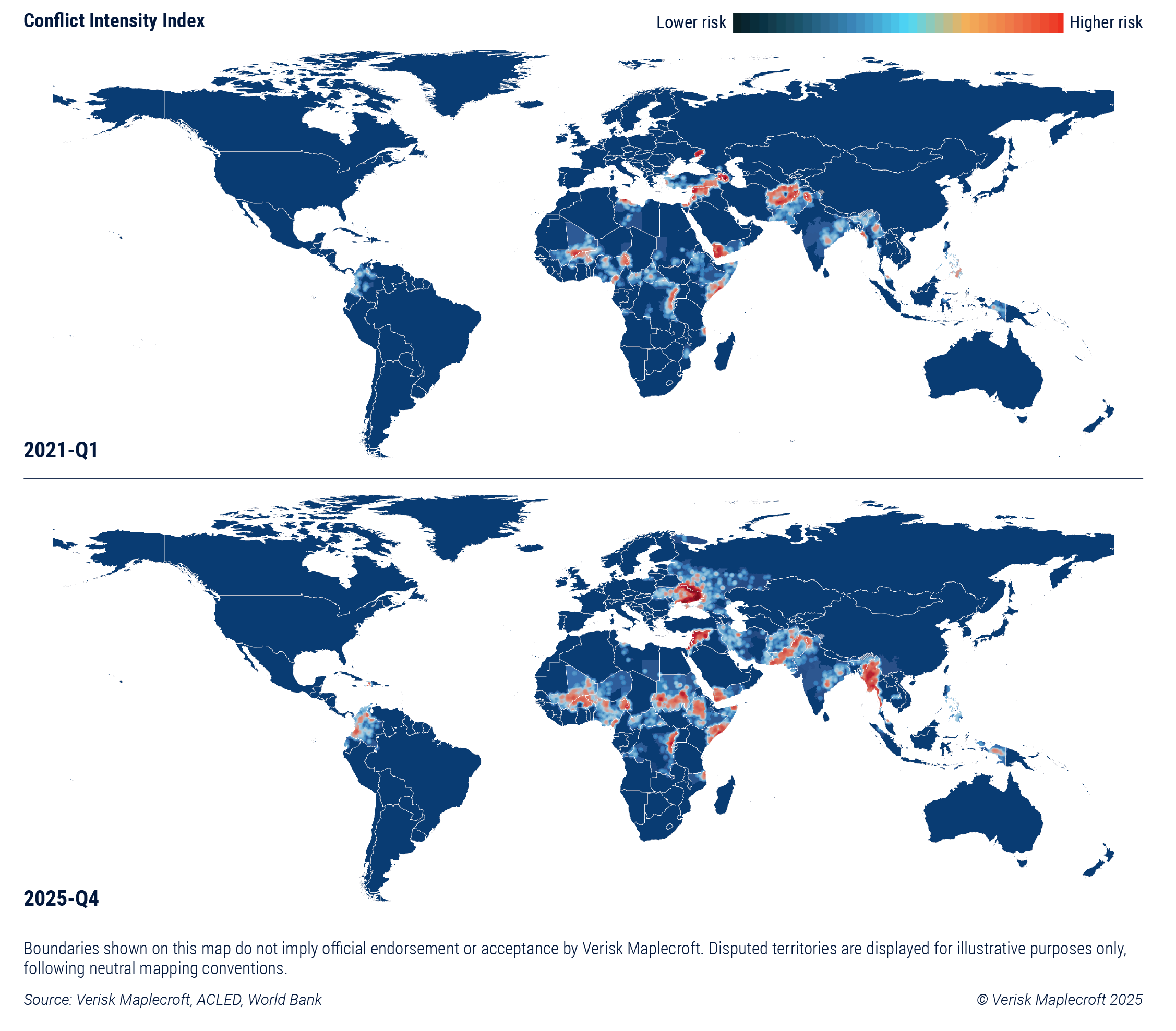

Geopolitical tensions are one of the primary drivers of current market uncertainty. Conflicts and instability in key regions are affecting energy supply, trade routes, and investor confidence.
One of the biggest concerns is the impact on oil prices. Disruptions in supply chains can lead to sharp increases in energy costs, which in turn affect inflation and economic growth.
Markets tend to react quickly to such developments. Increased uncertainty often leads to higher volatility, as investors adjust their expectations and reposition their portfolios.
Inflation, Interest Rates, and Economic Signals
The interplay between inflation and interest rates remains a central focus for investors. Rising energy costs, driven by global tensions, are contributing to renewed inflation pressures.
This places the Federal Reserve in a challenging position. Policymakers must balance the need to control inflation to support economic growth.
Interest rate decisions have a direct impact on financial markets. Higher rates can slow economic activity, but may be necessary to contain inflation. Conversely, lower rates can stimulate growth but risk fueling price increases.
Understanding these dynamics is essential for navigating the current market environment.
Market Reactions Across Key Sectors


Different sectors are responding in unique ways to current conditions. Energy stocks are benefiting from rising oil prices, while technology and growth stocks are facing pressure from interest rate concerns.
Defensive sectors, such as healthcare and consumer staples, are attracting interest as investors seek stability. At the same time, financial stocks are reacting to changes in interest rate expectations.
This divergence highlights the importance of sector selection. Investors must carefully evaluate where opportunities and risks lie in the current environment.
Risks Every Investor Must Watch Right Now
The current market environment presents several key risks. Geopolitical developments remain unpredictable, and any escalation could have immediate consequences for markets.
Inflation is another major concern. If price pressures continue to rise, it could impact consumer spending and economic growth. This, in turn, could influence corporate earnings and stock performance.
Liquidity risk is also important, especially around market closures. Reduced trading activity can amplify price movements, increasing volatility.
Investors must remain vigilant and prepared for rapid changes in market conditions.
Expert Insights: Strategies for Navigating Volatility
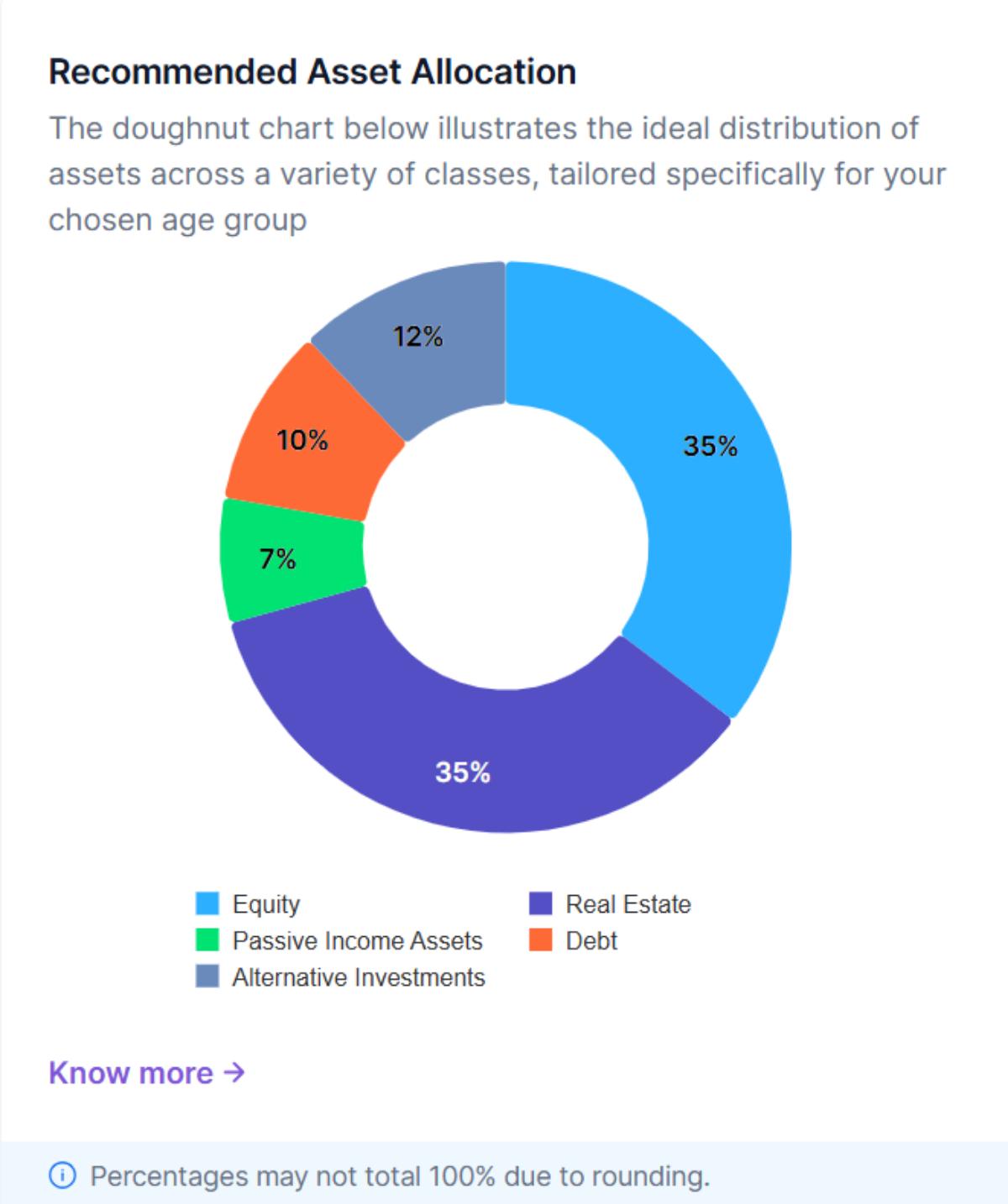
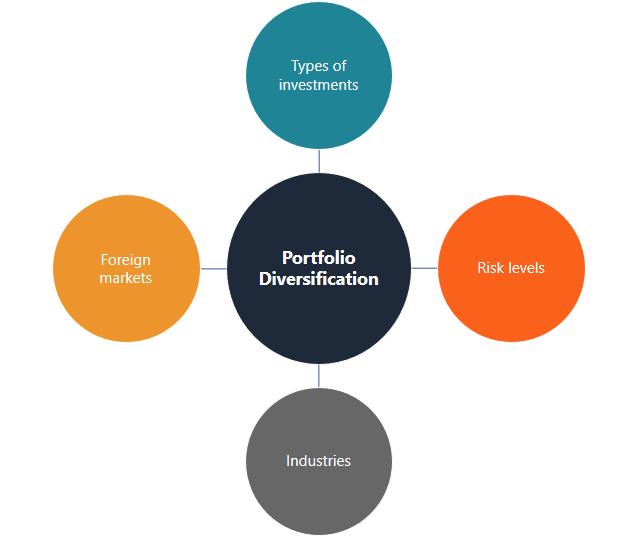
Experts emphasize the importance of diversification and risk management in the current environment. Spreading investments across different sectors and asset classes can help reduce exposure to specific risks.
Maintaining liquidity is also crucial. Having access to cash or liquid assets allows investors to respond quickly to market opportunities and challenges.
Staying informed is key. Understanding the factors driving market movements can provide a strategic advantage and help investors make better decisions.
Market Outlook: What Comes Next?
Looking ahead, the market outlook will depend on several factors, including geopolitical developments, economic data, and policy decisions.
If tensions ease and inflation stabilizes, markets could regain momentum. However, continued uncertainty could lead to prolonged volatility.
Investors should focus on long-term trends while remaining adaptable to short-term changes. The ability to navigate uncertainty will be a defining factor for success in 2026.
Conclusion: Staying Ahead in a Volatile Market
Markets on Edge: From Good Friday Closures to Global Tensions—What Every US Investor Must Watch Now highlights the complex and rapidly changing nature of today’s financial landscape.
For investors, the key is not to react emotionally but to stay informed, disciplined, and strategic. By understanding the factors driving market movements, it is possible to navigate uncertainty and identify opportunities.
The current environment may be challenging, but it also offers the potential for growth and success for those who are prepared.
Subscribe to trusted news sites like USnewsSphere.com for continuous updates.