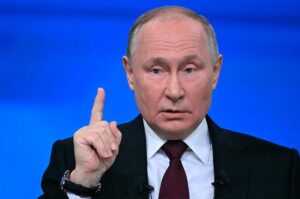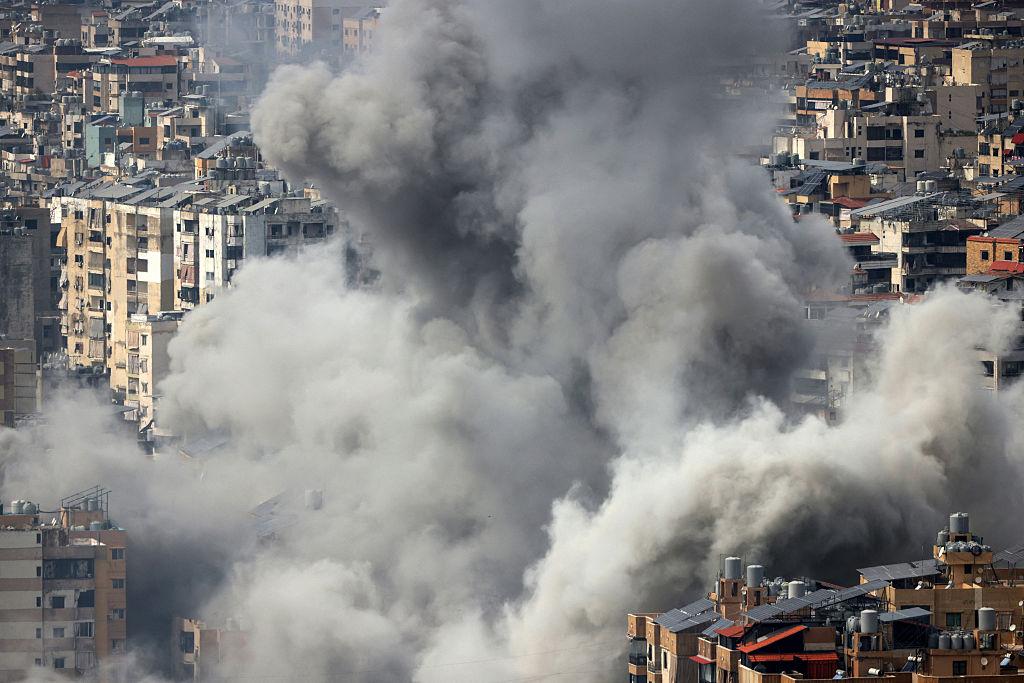
UK condemns Israeli strikes on Lebanon as global tensions escalate and divisions emerge among Western allies over how to respond to the latest Middle East conflict. The situation raises urgent questions about regional stability, civilian safety, and diplomatic unity. The United Kingdom has publicly criticized the military action, highlighting growing concern over humanitarian risks and the potential for wider escalation.
This development matters now because the Middle East remains one of the world’s most sensitive geopolitical regions, and any escalation can quickly impact global energy markets, international security, and diplomatic alliances. With conflicting responses from Western nations, the situation could reshape foreign policy strategies across Europe and the United States.
What Triggered the Latest Israel-Lebanon Conflict
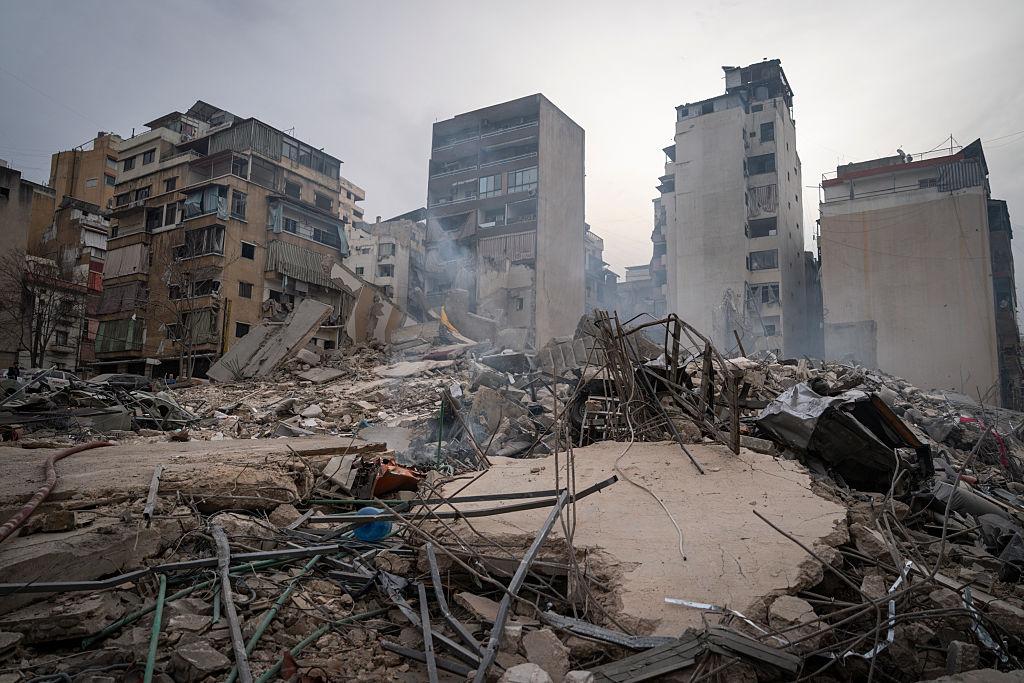
The recent Israeli strikes on Lebanon come amid escalating tensions along the Israel-Lebanon border, particularly involving Hezbollah, a powerful militant group based in Lebanon. Israel has argued that its military operations are defensive, targeting threats that could endanger its national security.
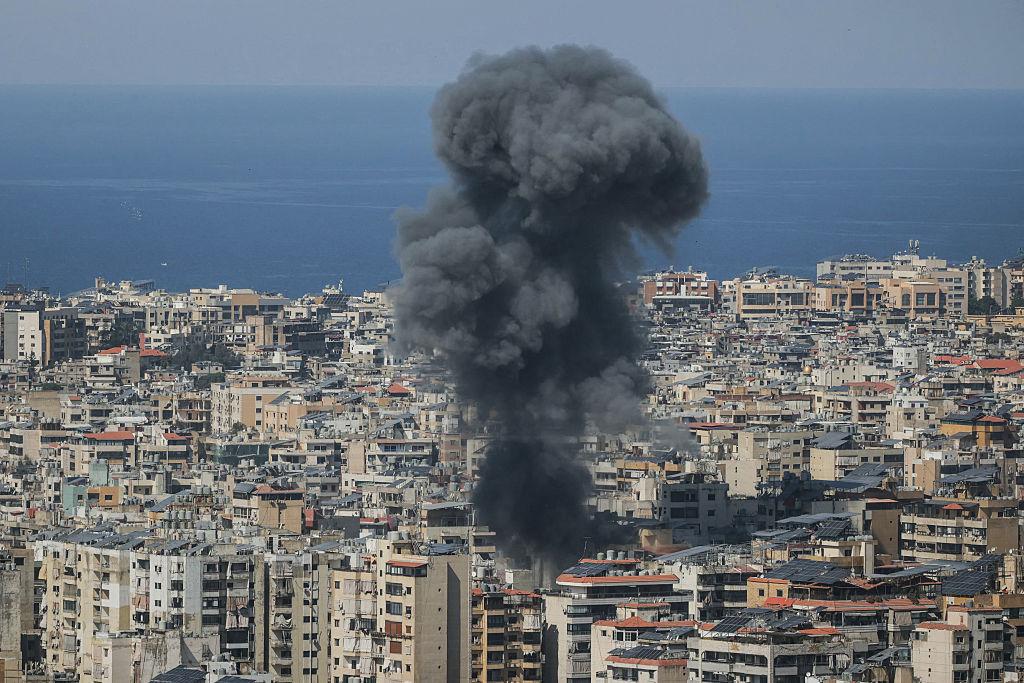
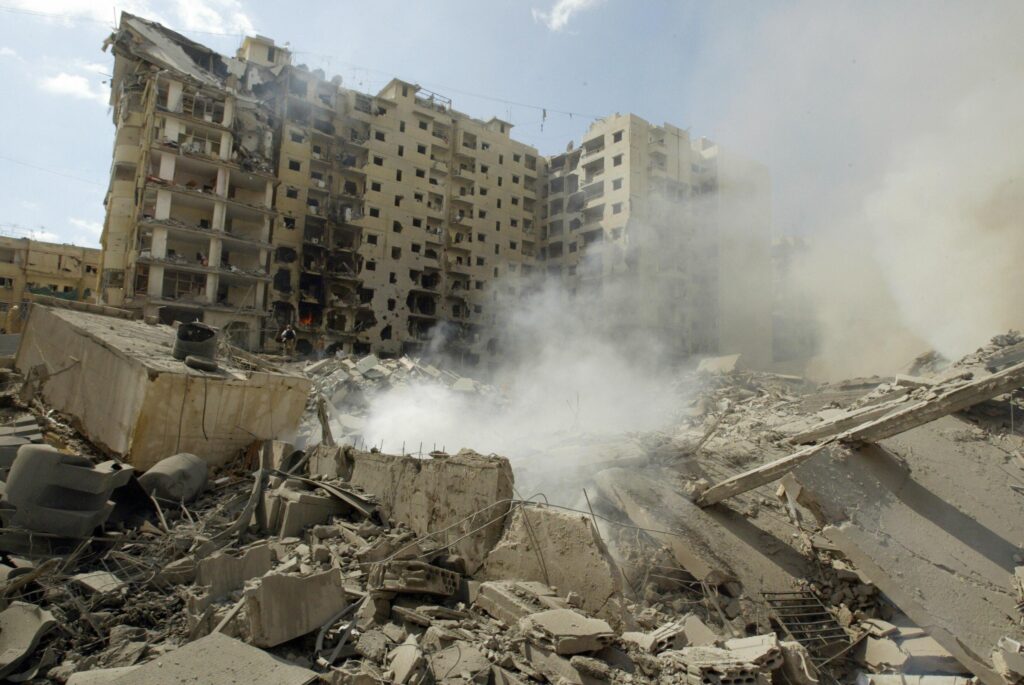
However, Lebanon and several international observers have raised concerns about the scale and intensity of the strikes. Reports indicate that multiple areas were affected, increasing fears of civilian casualties and infrastructure damage. The situation has revived memories of previous conflicts between Israel and Lebanon, especially the 2006 war, which caused widespread destruction and long-term instability in the region.
Why the United Kingdom Strongly Condemned the Strikes
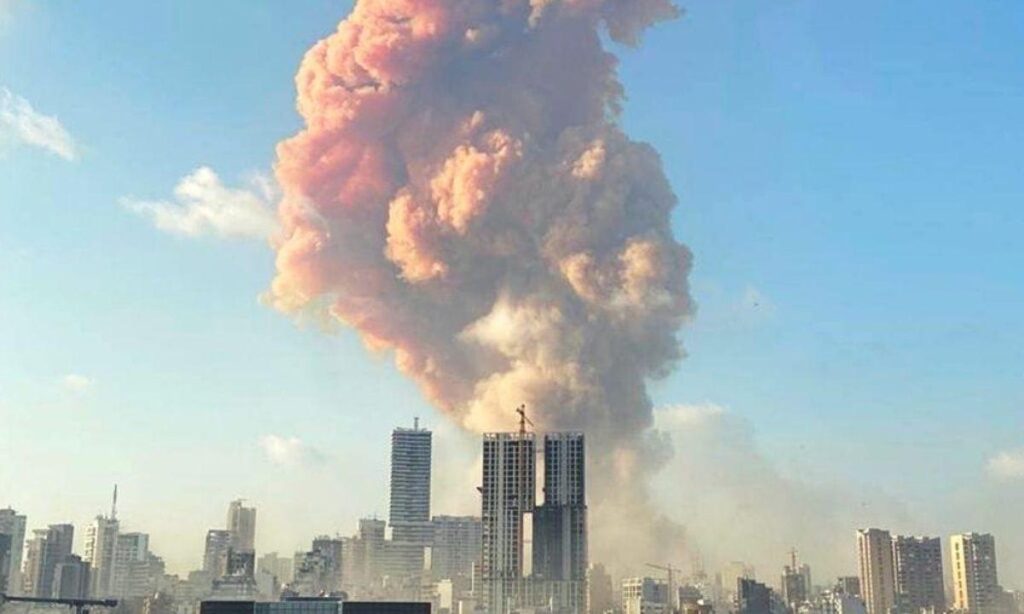
The United Kingdom’s condemnation reflects growing concern over the humanitarian impact and the risk of escalation. British officials emphasized the importance of restraint, urging all sides to avoid actions that could worsen the situation.
The UK’s response also highlights a broader diplomatic divide among Western allies. While some countries continue to support Israel’s right to defend itself, others are increasingly vocal about the need to protect civilians and uphold international law. This split could influence future international cooperation on Middle East policies and conflict resolution efforts.
Global Reactions Show a Divided International Community
The global response to the Israeli strikes has been mixed. Some nations, including key Western allies, have expressed support for Israel’s security concerns. Others, particularly in Europe and the Middle East, have criticized the strikes as disproportionate and dangerous.
International organizations have also called for de-escalation. The United Nations and various humanitarian groups are urging immediate dialogue to prevent further violence. These reactions demonstrate how sensitive and complex the situation is, with no clear consensus on the best path forward.
This division is important because it affects how quickly and effectively diplomatic solutions can be reached. A lack of unified global pressure may prolong the conflict and increase the risk of further escalation.
Impact on Civilians and Regional Stability
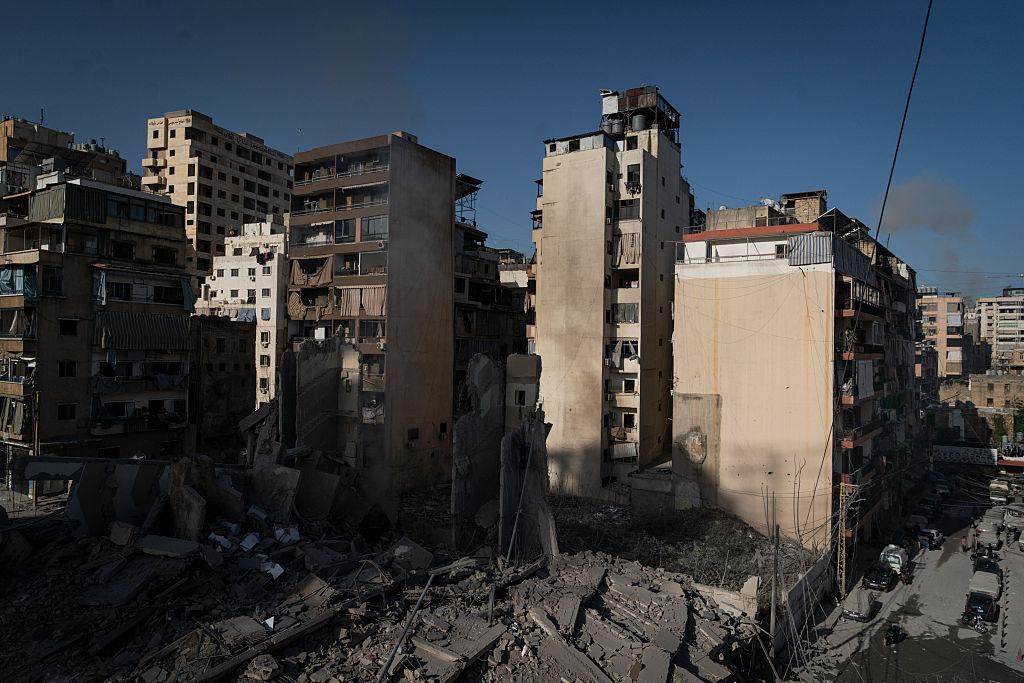
One of the most concerning aspects of the conflict is its impact on civilians. Airstrikes in populated areas can lead to casualties, displacement, and long-term damage to infrastructure. Hospitals, schools, and essential services often suffer during such conflicts, worsening humanitarian conditions.
Beyond Lebanon, the situation threatens broader regional stability. Neighboring countries are closely watching developments, as any escalation could draw in additional actors. The Middle East has a history of conflicts spreading quickly, and this situation carries similar risks.
Economic impacts are also likely. Rising tensions can disrupt trade routes and increase oil prices, affecting global markets, including the United States and Europe. This makes the conflict not just a regional issue but a global concern.
Why This Matters Now for the United States and Europe
For readers in the United States and Europe, this conflict is more than distant news. It directly affects global security, economic stability, and foreign policy decisions. The Middle East plays a crucial role in energy supply chains, and any disruption can influence fuel prices and inflation.
Additionally, the divide among Western allies could reshape diplomatic strategies. If countries fail to present a united stance, it may weaken their influence in resolving conflicts and maintaining international order.
The situation also raises questions about the future of peace efforts in the region. Long-term solutions require cooperation, but current disagreements may slow progress and increase uncertainty.
What Could Happen Next in the Israel-Lebanon Crisis
The next steps in this crisis will depend on both military and diplomatic actions. If tensions continue to rise, there is a risk of a broader conflict involving multiple countries. However, increased international pressure could push both sides toward de-escalation.
Diplomatic talks, possibly led by global organizations or influential nations, may play a key role in reducing tensions. The effectiveness of these efforts will depend on how quickly and strongly the international community acts.
In the coming days, developments on the ground will be critical. Any further escalation or signs of restraint will shape the direction of the conflict and its global impact.
A Critical Moment for Global Diplomacy
The UK’s condemnation of Israeli strikes on Lebanon highlights a critical moment in global diplomacy. The situation underscores the importance of balancing security concerns with humanitarian responsibilities.
As tensions continue, the world is watching closely. Decisions made now could have long-lasting effects on regional stability, international relations, and global economic conditions.
Subscribe to trusted news sites like USnewsSphere.com for continuous updates.