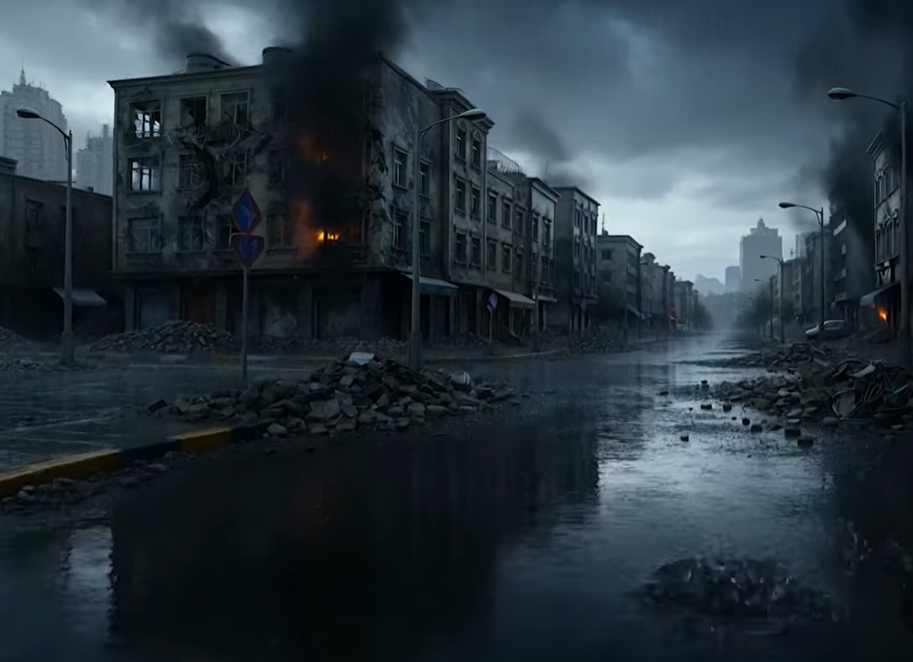
Black rain in Iran after missile strike has triggered global concern after shocking visuals showed dark, contaminated rainfall following a reported military attack. The incident raises urgent questions: what caused this phenomenon, how dangerous is it, and what does it signal about escalating regional conflict? Early reports suggest that explosions may have released toxic particles into the atmosphere, which later mixed with rain clouds—creating what experts describe as “black rain.” This matters now because it highlights both environmental and geopolitical risks that could affect not just Iran, but global stability, energy markets, and public health.
What Is “Black Rain” and How Does It Form?
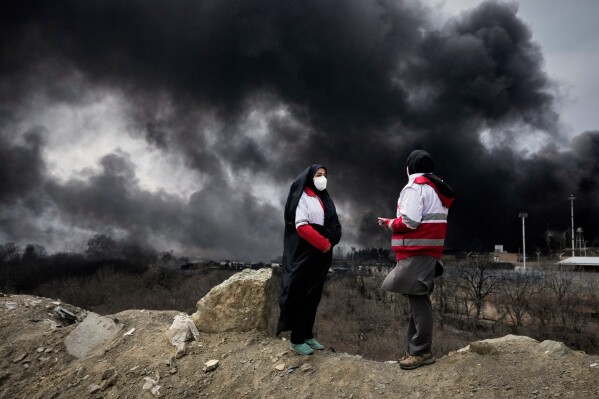
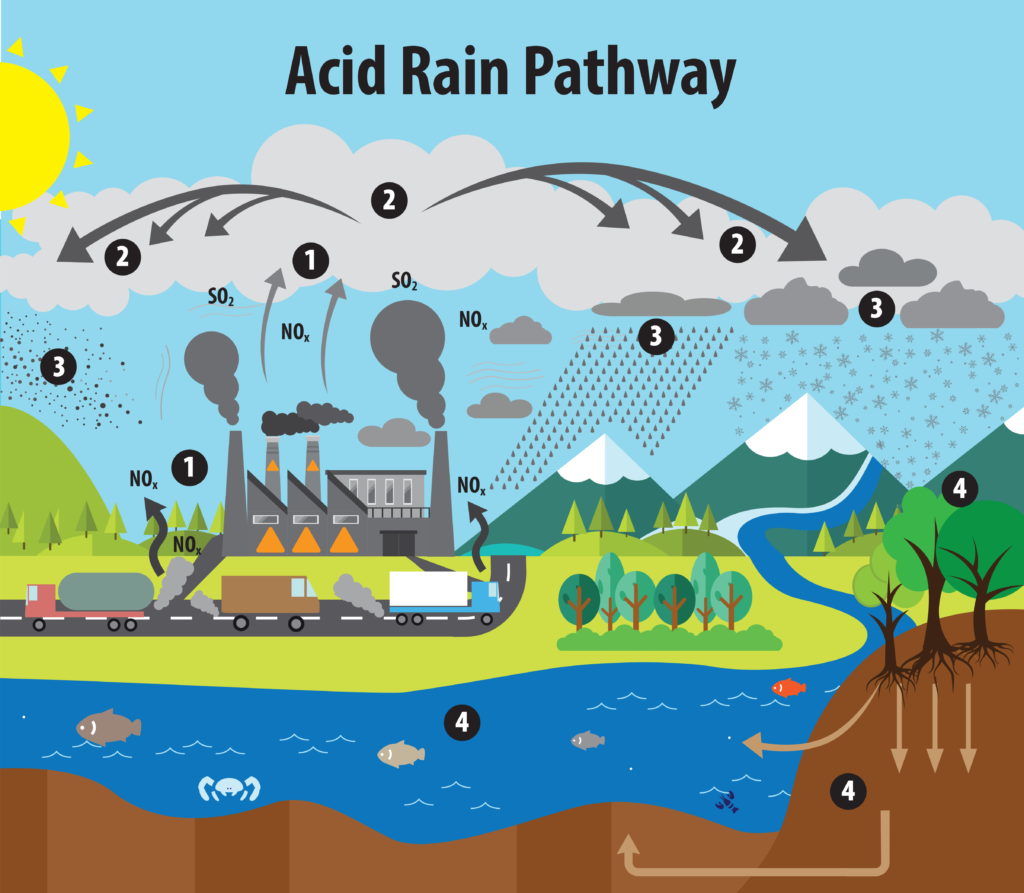
Black rain is not a new phenomenon, but it is rare and often linked to extreme events like war, industrial accidents, or large-scale fires. It occurs when pollutants such as soot, ash, and chemicals rise into the atmosphere and later combine with moisture in rain clouds. When the rain falls, it appears dark or oily instead of clear.
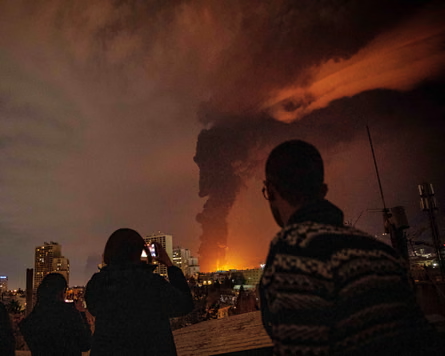
In the case of Iran, early analysis suggests that missile strikes may have triggered fires or explosions involving fuel storage or industrial materials. These events release dense smoke and fine particles into the air. When these particles mix with atmospheric moisture, they fall back to the ground as contaminated rainfall. Historically, similar events were observed after the Hiroshima bombing and major oil fires in the Middle East.
What Happened in Iran After the Missile Strike
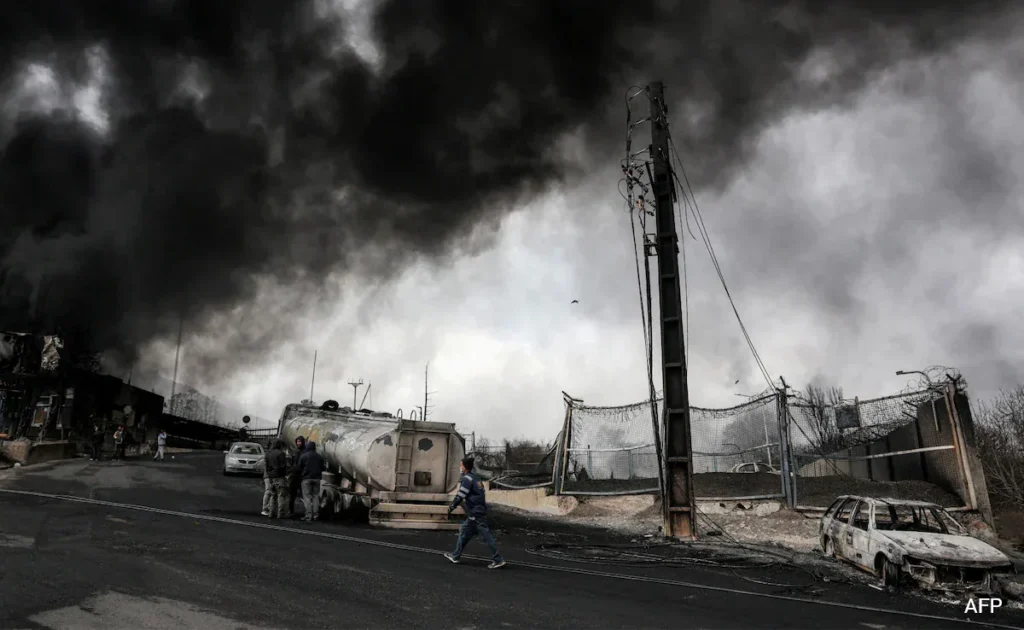
Reports indicate that shortly after the missile strike, residents in affected areas began noticing unusual rainfall that left black residue on surfaces, vehicles, and buildings. Videos circulating online show dark streaks on roads and rooftops, raising alarm among civilians and authorities.
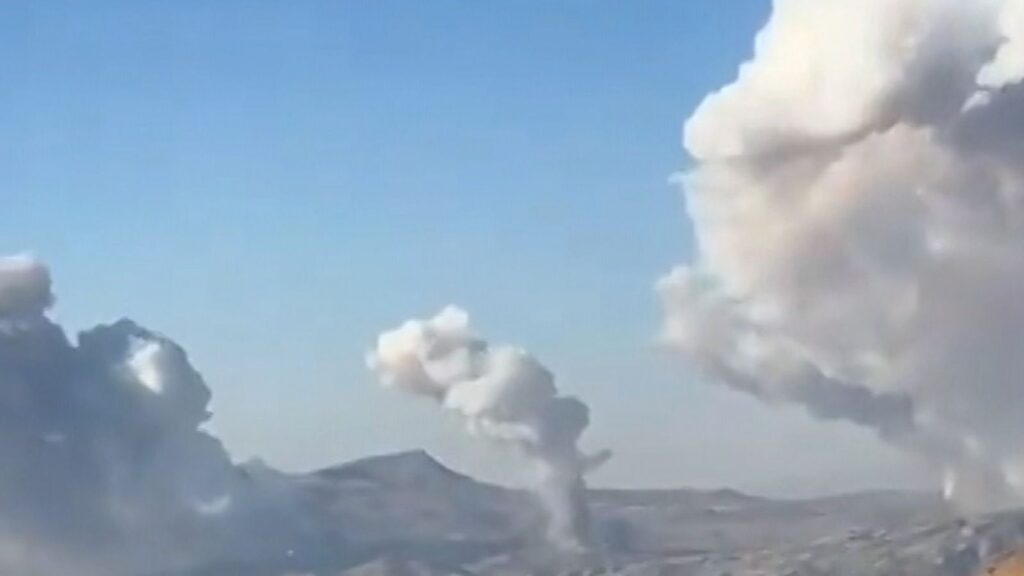
While official confirmation remains limited, multiple observers claim that the rainfall occurred within hours of the strike, suggesting a direct connection. Emergency response teams were reportedly deployed to assess environmental damage and potential health risks. The timing and scale of the event have intensified speculation that the strike may have targeted sensitive infrastructure, possibly including fuel depots or industrial facilities.
Health and Environmental Risks of Black Rain
The biggest concern surrounding black rain is its potential toxicity. The particles within it can include harmful substances such as carbon soot, heavy metals, and chemical residues. Exposure to these elements may pose risks to both human health and the environment.
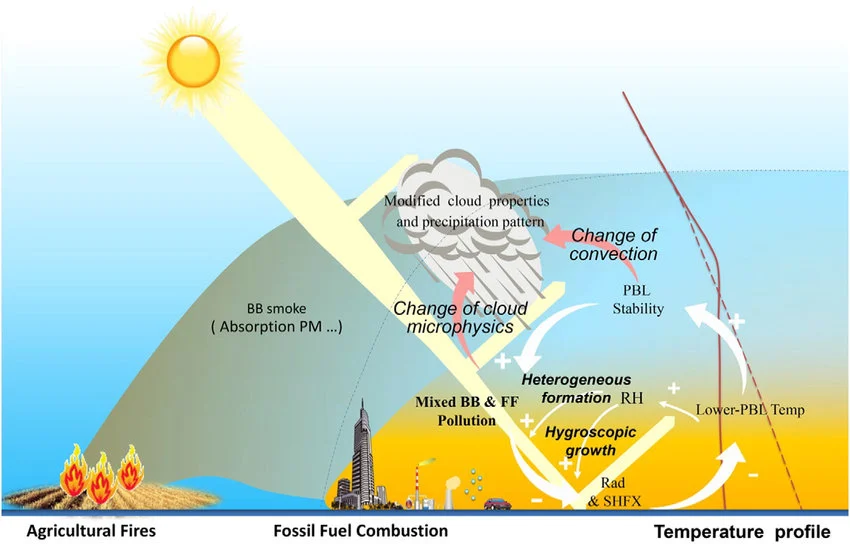
People exposed to contaminated rain could experience skin irritation, respiratory issues, or longer-term health complications depending on the chemicals involved. Additionally, black rain can contaminate soil and water sources, affecting agriculture and drinking water supplies. In regions already facing environmental stress, such contamination can have lasting consequences that extend far beyond the initial event.
Why This Matters Now in the Global Context
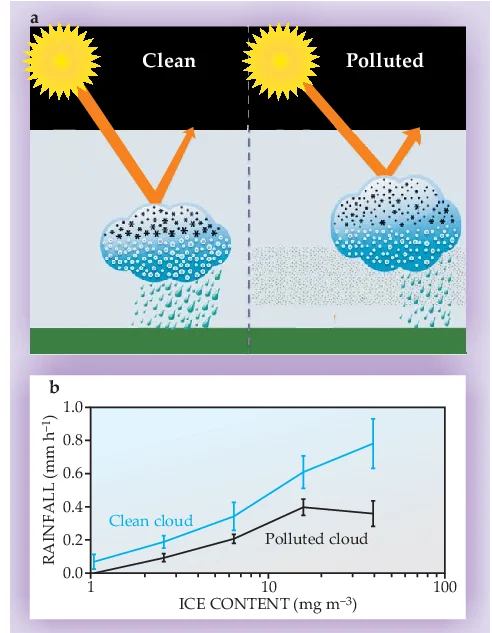
This incident is not just a local environmental issue—it has broader geopolitical implications. Rising tensions in the Middle East often impact global oil markets, trade routes, and international relations. Events like this can signal escalation, increasing uncertainty across multiple sectors.
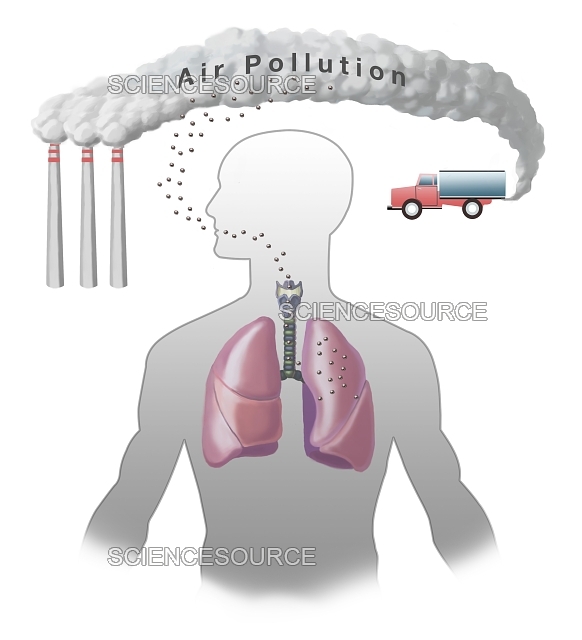
From a global perspective, the appearance of black rain suggests that modern warfare is increasingly affecting civilian environments in indirect but dangerous ways. It also raises questions about preparedness and response strategies for environmental fallout following military actions. Governments and international organizations may now face pressure to investigate and respond to such incidents more aggressively.
Could This Affect Oil Prices and Global Markets?
Iran plays a key role in global energy supply, and any instability in the region can quickly influence oil prices. If the missile strike targeted energy infrastructure, it could disrupt production or transportation, leading to supply concerns.
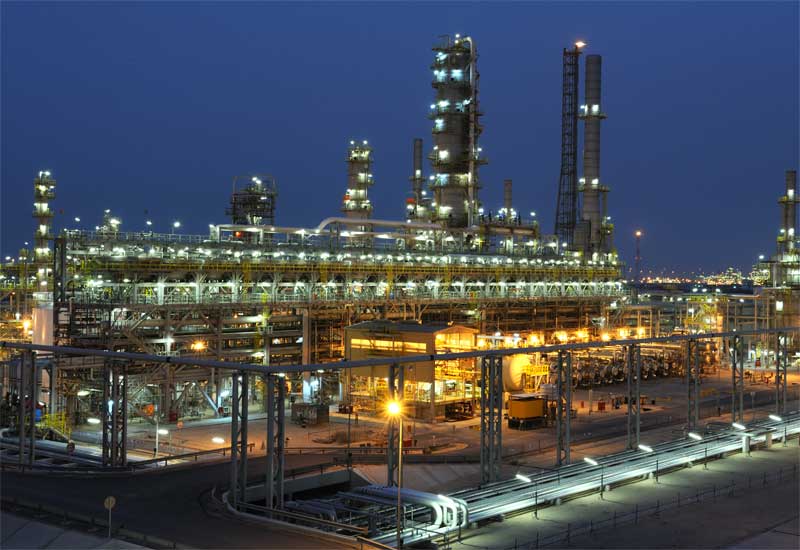
Historically, even small disruptions in the Middle East have caused noticeable spikes in oil prices. Investors and analysts are closely watching developments, as prolonged conflict or environmental damage could lead to sustained volatility. This not only affects energy markets but also has a ripple effect on inflation, transportation costs, and global economic stability.
What Happens Next: Monitoring and Investigation
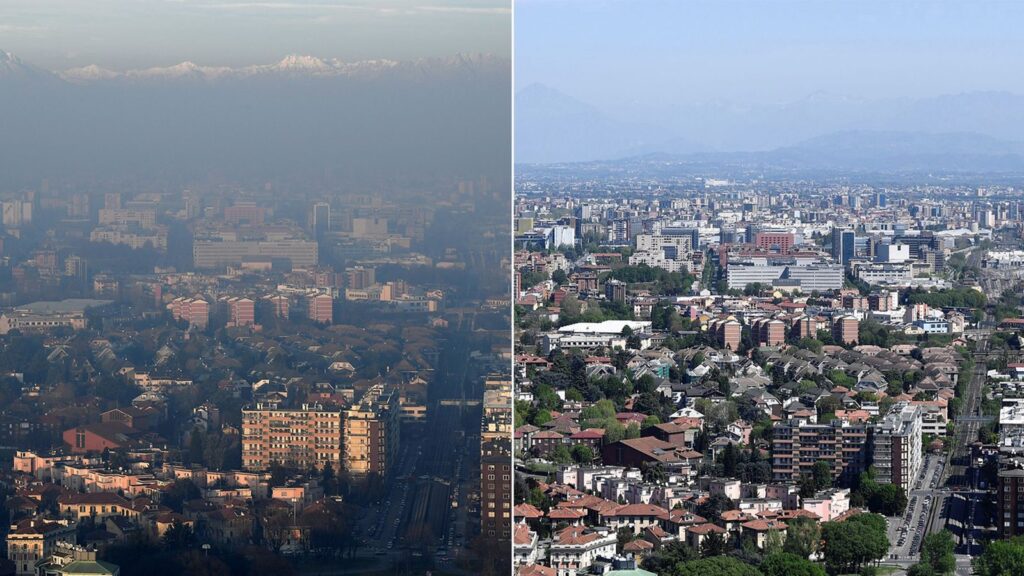
The next steps will likely involve detailed environmental testing and international scrutiny. Scientists and environmental agencies may analyze soil, water, and air samples to determine the exact composition of the black rain and assess its long-term impact.
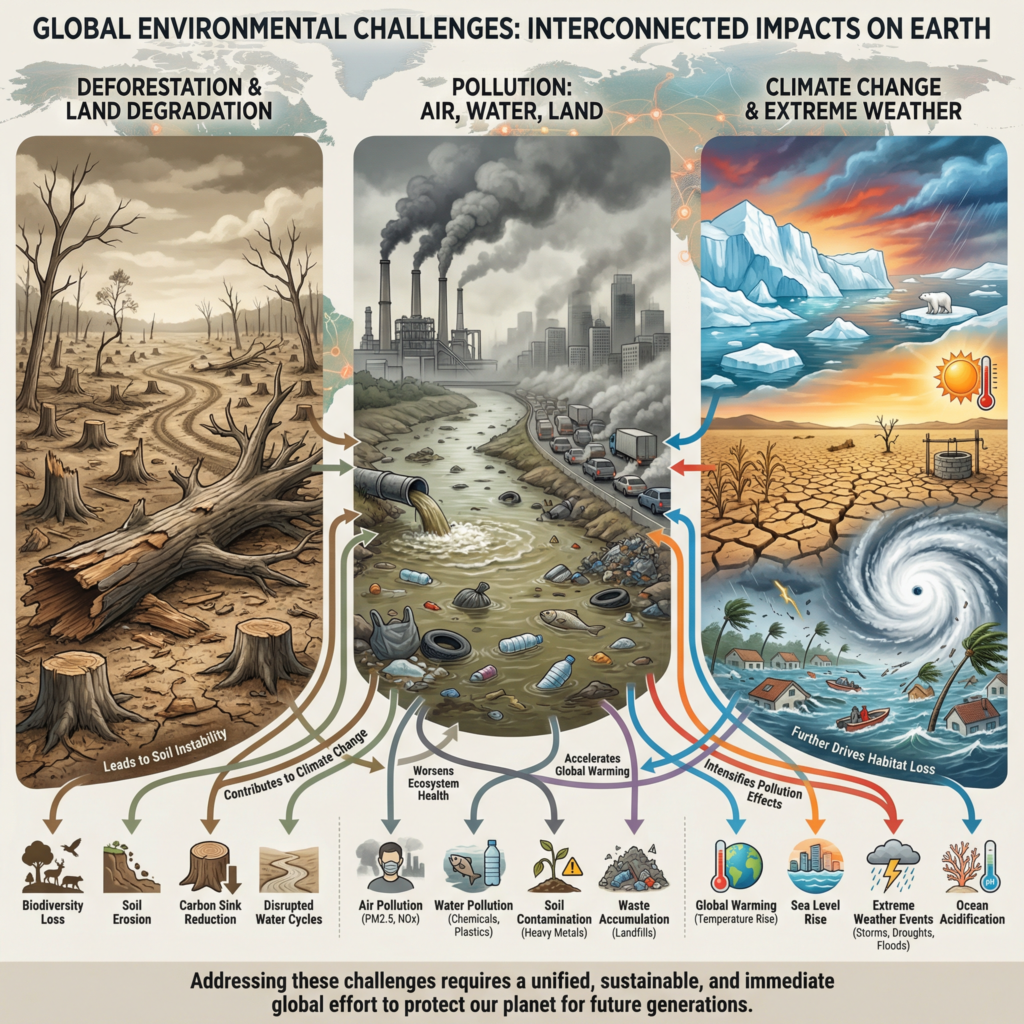
At the same time, geopolitical developments will shape how this story evolves. If tensions escalate further, similar incidents could become more frequent, increasing risks for civilians and ecosystems. Transparency and accurate reporting will be critical in understanding the full scope of the situation and preventing misinformation.
A Warning Sign for the Future
The black rain in Iran after the missile strike serves as a powerful reminder of how modern conflicts extend beyond immediate destruction. The environmental and health consequences can linger long after the initial event, affecting communities in ways that are not always visible at first.
As the world becomes more interconnected, such incidents carry global significance. They highlight the need for stronger environmental protections, better emergency response systems, and more cautious geopolitical strategies.
Subscribe to trusted news sites like USnewsSphere.com for continuous updates.