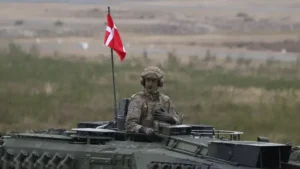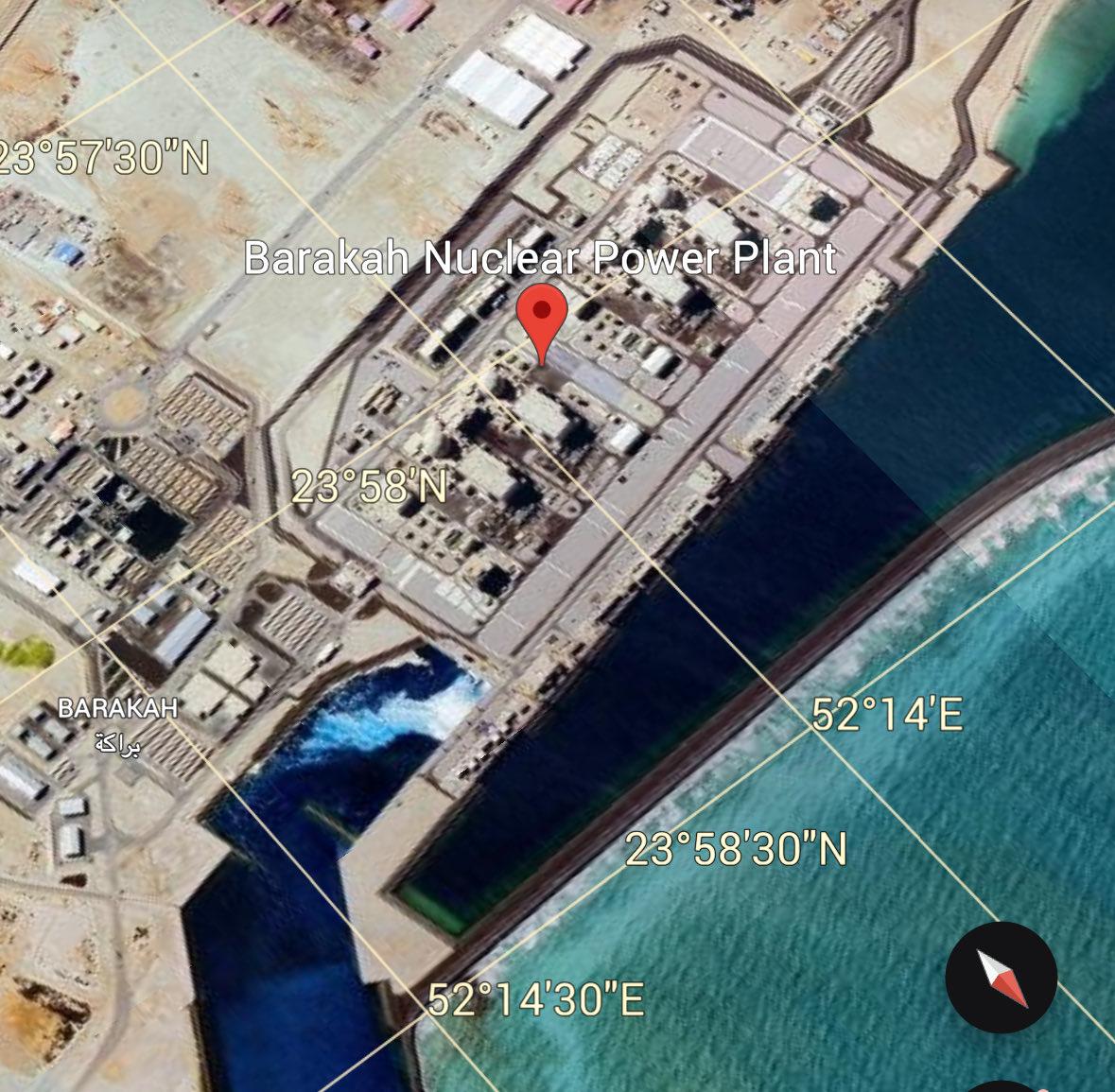
Iran-UAE drone strike tensions escalated sharply after a drone attack sparked a fire near the UAE’s Barakah nuclear power plant, increasing fears of a wider Middle East conflict involving Iran, the United States, and Gulf nations. The attack happened near Abu Dhabi and targeted infrastructure connected to the Barakah nuclear facility, one of the most strategically important energy projects in the Arab world. UAE authorities confirmed there were no injuries or radioactive leaks, but the incident immediately raised concerns about nuclear plant safety, regional stability, oil markets, and the future of ongoing ceasefire talks involving Iran and the US. This matters now because the Gulf region controls some of the world’s most important oil shipping routes, and any escalation could directly affect global fuel prices, international trade, and geopolitical security.
UAE’s Barakah Nuclear Plant Becomes Center of Global Attention
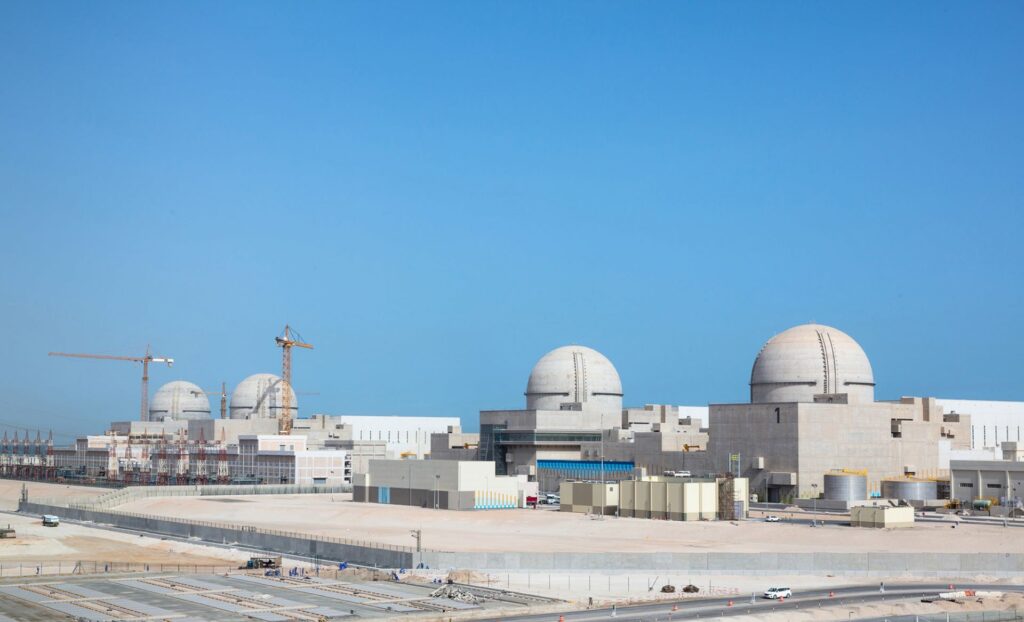
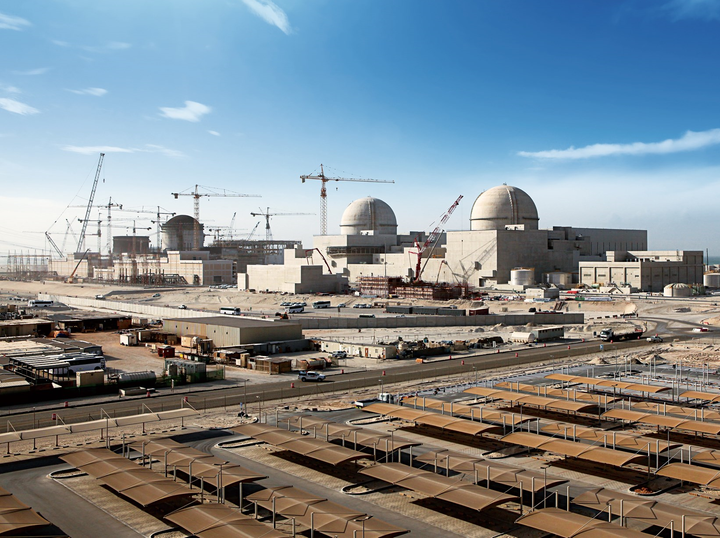
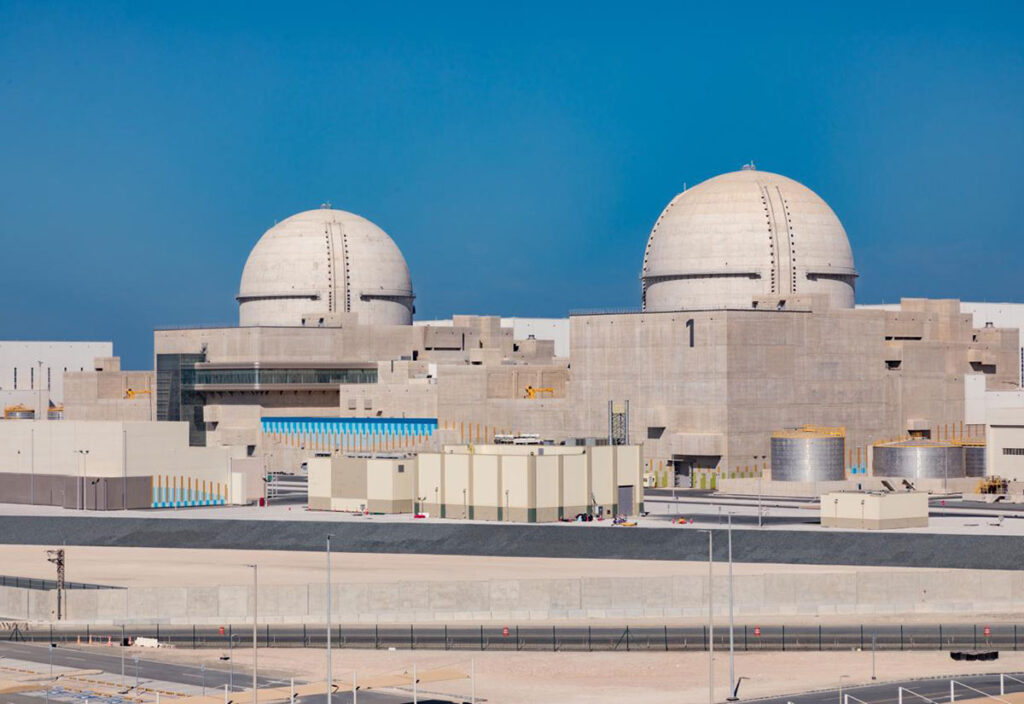
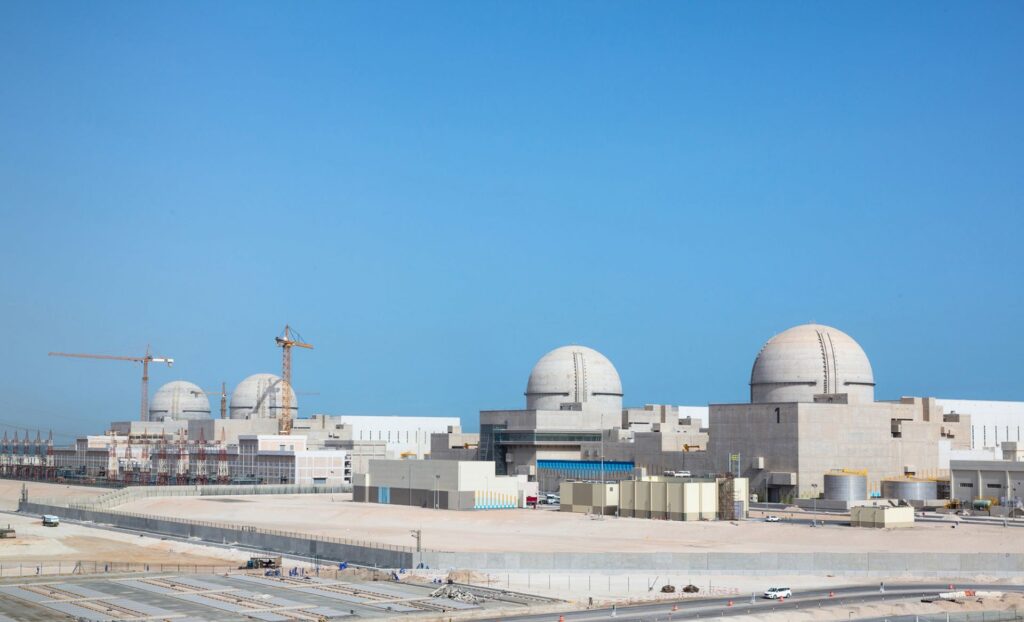
The Barakah nuclear power plant is the first commercial nuclear facility in the Arab world and supplies nearly a quarter of the UAE’s electricity needs. The $20 billion project was developed with support from South Korea and officially became operational in 2020. Because of its importance to the UAE’s energy infrastructure, any attack near the facility immediately attracts worldwide attention from governments, energy experts, and security agencies.
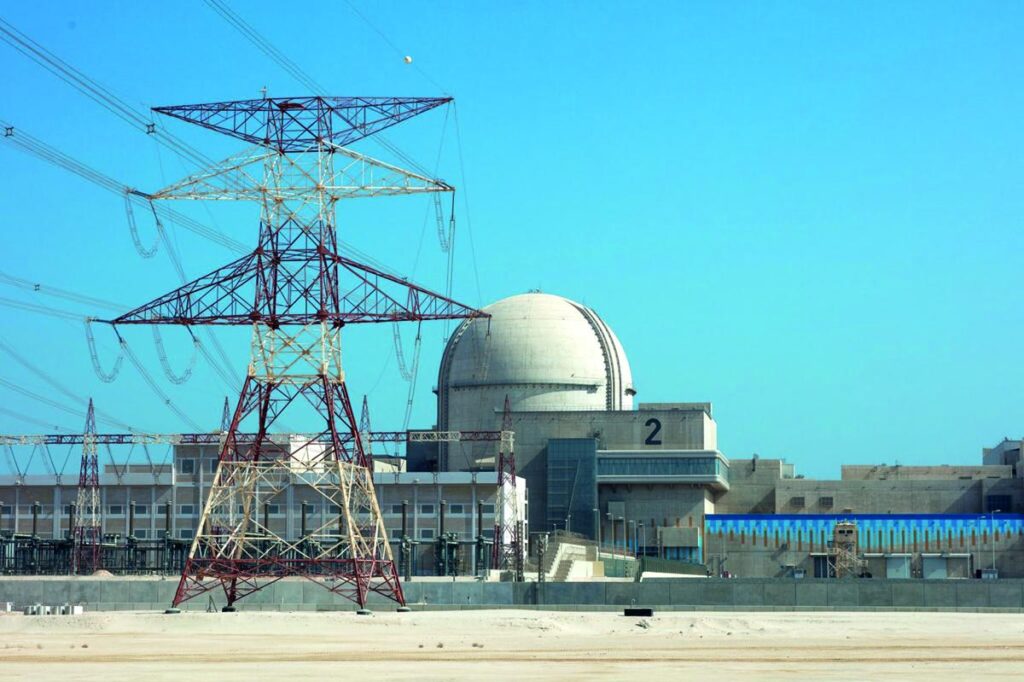
According to UAE officials, three drones approached the facility from the western border area. Two were intercepted by air defense systems, while another reportedly struck a generator outside the plant perimeter, causing a fire. Authorities stated that plant operations continued normally and there was no impact on reactor safety systems. However, the strike marked the first known direct attack connected to the Barakah facility since regional tensions with Iran escalated earlier this year.
Why Iran Is Being Linked to the Drone Attack
No group officially claimed responsibility for the strike, but regional analysts and international media quickly pointed toward Iran or Iran-backed militias operating in Iraq. The UAE and Saudi Arabia have accused Iranian-linked groups of launching missile and drone attacks in recent months as tensions over the Strait of Hormuz and US military involvement intensified.
Iran has repeatedly criticized Gulf nations for supporting US military operations and hosting advanced missile defense systems. During the ongoing regional crisis, the UAE reportedly hosted Israeli defense systems and US-linked military coordination efforts, making it a strategic target for groups opposing Western involvement in the region. Security experts say modern drone warfare allows smaller armed groups to threaten critical infrastructure at relatively low cost, making energy facilities and ports increasingly vulnerable.
US-Iran Negotiations Face New Pressure After the Strike
The drone incident comes during a highly sensitive period of negotiations between the United States and Iran. US President Donald Trump recently stated that military strikes against Iran could resume if diplomatic efforts fail. At the same time, Iran has demanded sanctions relief, withdrawal of US military pressure, and access to frozen financial assets as part of any future agreement.
The latest attack adds new pressure to already fragile talks. Analysts warn that if attacks continue around the Gulf, negotiations could collapse entirely. Several international observers believe both Washington and Tehran are trying to avoid a full-scale war, but repeated drone and missile incidents are increasing the risk of miscalculation. The growing uncertainty has also pushed energy traders and global investors into a cautious position as fears rise over shipping disruptions in the Strait of Hormuz.
Why the Strait of Hormuz Is Critical to the Global Economy
The Strait of Hormuz remains one of the world’s most important oil transit routes. Before the current conflict, nearly one-fifth of global oil and natural gas shipments passed through the narrow waterway daily. Iran’s control and military influence in the area have given Tehran major leverage in regional negotiations and international diplomacy.
Any military escalation involving the UAE, Iran, or US forces could threaten global energy markets. Even limited drone strikes or shipping disruptions can raise fuel prices worldwide, including in the United States and Europe. Economic analysts say investors are closely monitoring the Gulf situation because energy supply instability can impact inflation, transportation costs, and stock markets internationally. This is one reason why global governments are watching the UAE nuclear incident very carefully, despite no radioactive damage being reported.
Nuclear Facility Security Becomes a Major Global Concern
The attack near the Barakah nuclear facility has reignited international debate over the security of nuclear power plants during wartime or regional conflict. Nuclear experts say even attacks that do not directly hit reactors can still create dangerous situations if power systems, cooling systems, or backup infrastructure are damaged.
The International Atomic Energy Agency and several nuclear safety organizations have repeatedly warned that nuclear sites should never become military targets. Recent conflicts in Ukraine and the Middle East have demonstrated how modern warfare increasingly threatens civilian energy infrastructure. Security specialists believe countries operating nuclear facilities may now invest heavily in advanced drone defenses, surveillance systems, and cyber protection to prevent future attacks.
What Happens Next in the Middle East Crisis
The coming weeks could determine whether regional tensions calm down or move toward another dangerous escalation. Diplomats from Gulf countries, Western governments, and international organizations are reportedly working behind the scenes to prevent broader conflict. However, repeated military incidents continue to increase uncertainty across the region.
For the UAE, protecting critical infrastructure like the Barakah nuclear power plant is now becoming a top national security priority. For the US and Iran, the challenge remains balancing military pressure with diplomacy. Meanwhile, global markets, energy companies, and governments will continue watching every development closely because the economic and geopolitical impact could spread far beyond the Middle East.
Subscribe to trusted news sites like USnewsSphere.com for continuous updates.