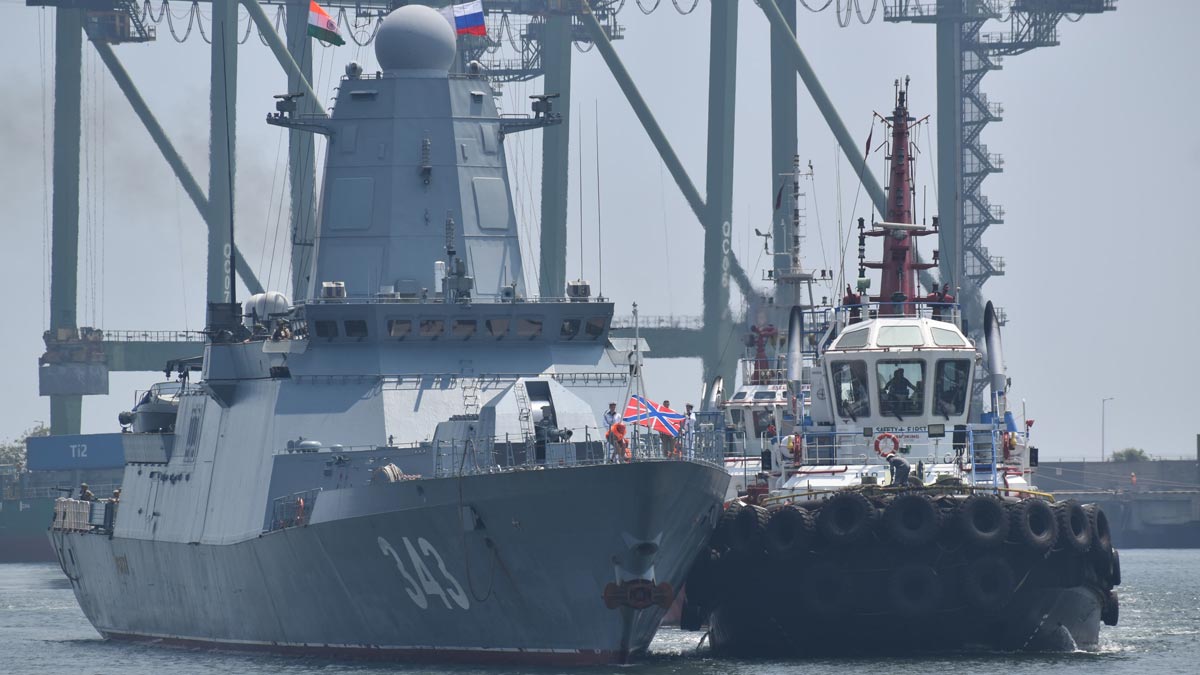
The India-Russia defense pact allows troops and warships on each other’s soil, marking a major shift in military cooperation between the two countries. The agreement enables both nations to use each other’s military bases for logistics, refueling, and operational support. This move comes as global security tensions rise and countries strengthen strategic partnerships.
Who: India and Russia
What: Reciprocal military access agreement
Why: To boost defense readiness and logistical efficiency
Impact: Stronger geopolitical alignment and faster military deployment
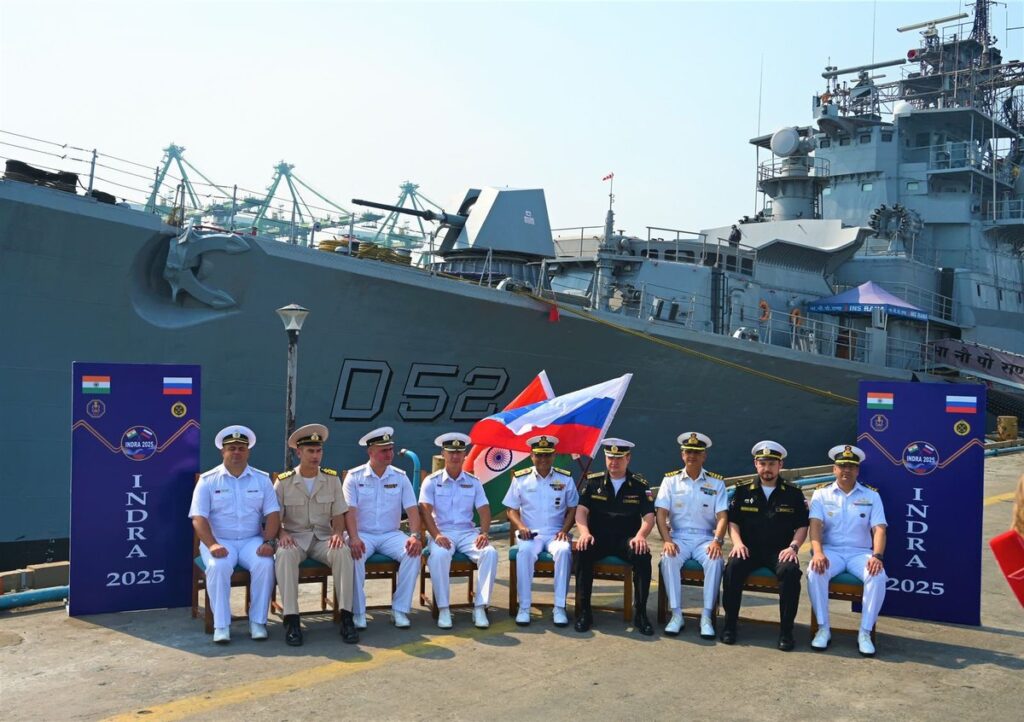
This development matters now because global alliances are shifting rapidly, especially amid evolving tensions involving China, NATO, and Indo-Pacific security dynamics. The agreement could reshape regional power balances.
What the India-Russia Defense Pact Actually Includes
The agreement allows armed forces from both countries to access military facilities, including ports, airbases, and logistical hubs. This includes refueling, maintenance, and resupply operations for warships and aircraft. It is similar in structure to logistics exchange agreements India has with countries like the United States.
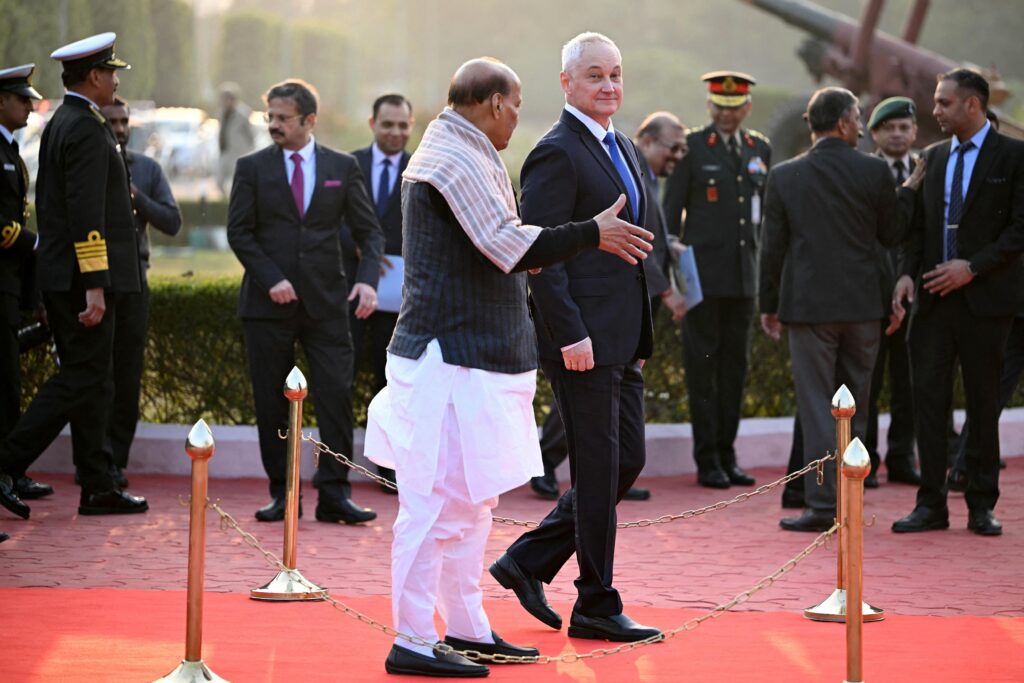
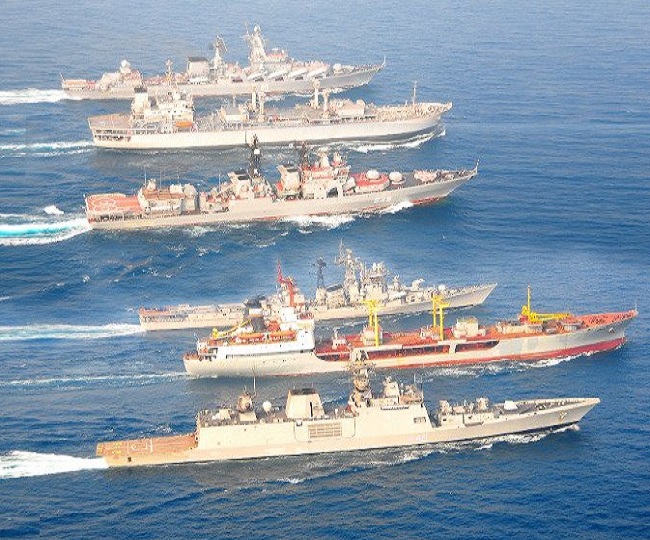
This is not a traditional defense treaty or alliance. Instead, it focuses on operational convenience and strategic flexibility. For example, Indian naval ships can dock at Russian ports in the Arctic or Pacific, while Russian vessels can use Indian Ocean facilities, improving reach and response times.
Why India and Russia Are Strengthening Military Ties Now
The timing of this pact is critical. India is navigating complex geopolitical pressures, balancing relations with Western countries and long-standing ties with Russia. Meanwhile, Russia is seeking to deepen partnerships outside Europe amid ongoing global tensions.
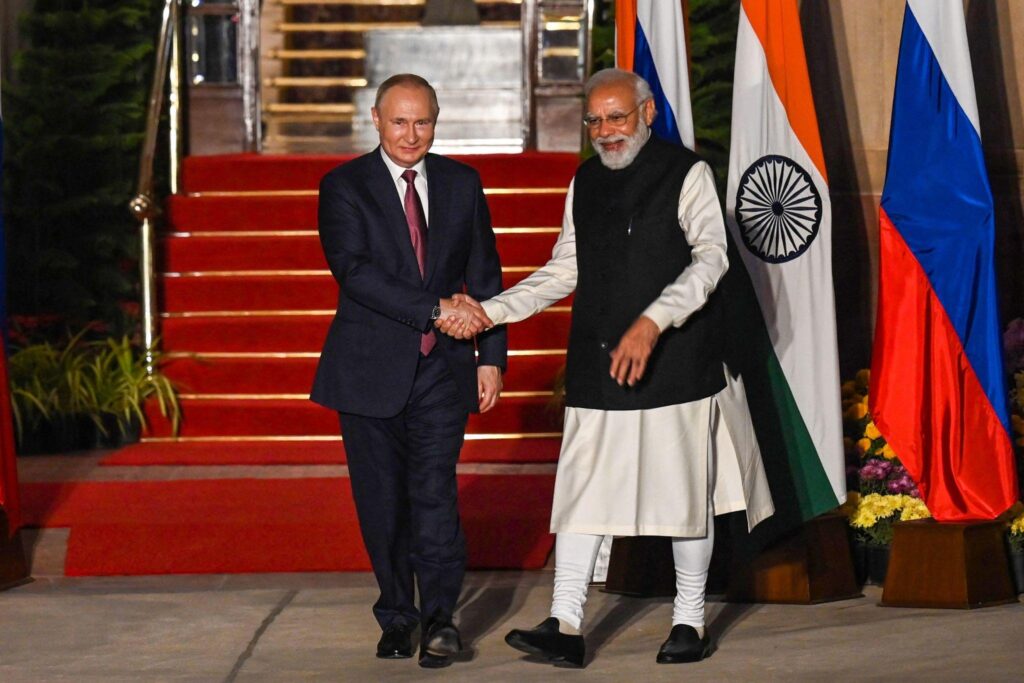
India’s defense inventory still relies heavily on Russian equipment, with estimates suggesting that around 50–60% of India’s military hardware originates from Russia. This pact helps maintain that relationship while improving logistical efficiency for joint operations, training exercises, and emergency deployments.
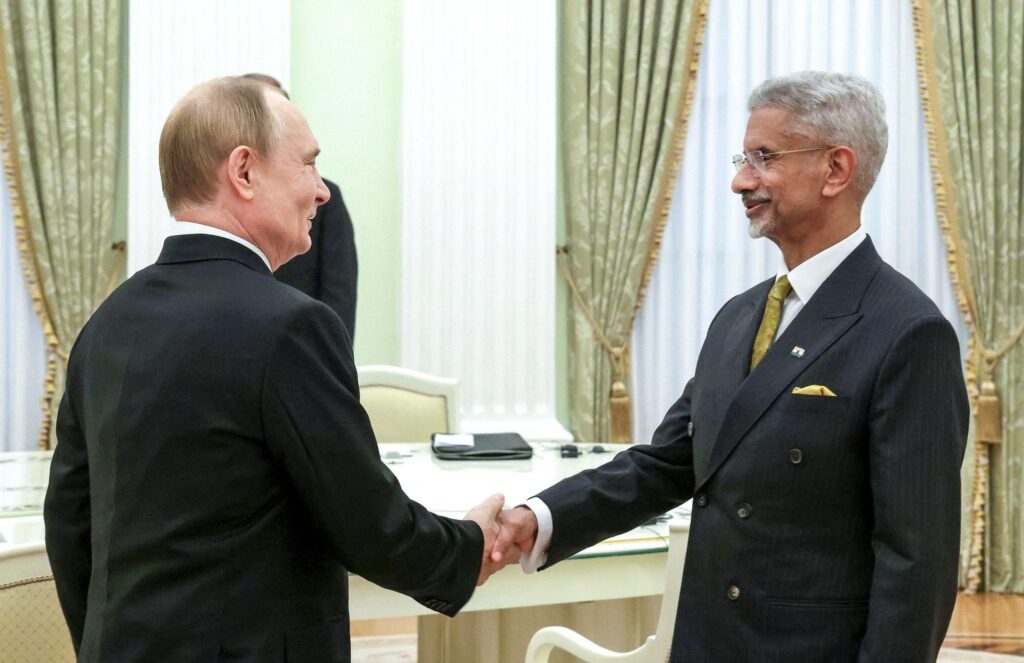
Strategic Impact on the Indo-Pacific and Global Security
This agreement has significant implications for the Indo-Pacific region, where competition for influence is intensifying. India’s ability to access Russian bases extends its strategic reach into areas like Central Asia and the Arctic, regions gaining importance due to energy resources and new shipping routes.
At the same time, Russia gains easier access to the Indian Ocean, a vital global trade corridor. This could influence naval dynamics in a region where countries like the United States, Japan, and Australia are also increasing their presence.
How This Pact Compares to Other Military Agreements
India has signed similar logistics agreements with multiple countries, including the United States (LEMOA), France, and Australia. However, its agreement with Russia is unique because of the depth of historical defense cooperation between the two nations.
Unlike Western agreements, which are often part of broader strategic alliances, the India-Russia pact is more focused on practical military cooperation without formal alliance commitments. This allows India to maintain its policy of strategic autonomy while benefiting from multiple partnerships.
Why This Matters Now for Global Power Balance
The global security landscape is undergoing rapid transformation. Conflicts, shifting alliances, and emerging technologies are redefining how countries collaborate militarily. This pact signals that India is continuing its multi-alignment strategy—working with both Western and non-Western powers.
For Russia, the agreement provides a valuable partnership in Asia at a time when its relations with Europe are strained. For India, it ensures continued access to critical defense support while expanding operational capabilities across regions.
What Happens Next and What to Watch
In the future, experts will closely watch how this agreement is implemented in real-world scenarios. Joint military exercises, naval deployments, and emergency response operations will be key indicators of its effectiveness.
There is also the question of how other global powers respond. Increased cooperation between India and Russia could influence diplomatic strategies, defense planning, and regional security frameworks.
Ultimately, this pact is not just about logistics—it reflects a broader shift in how countries are redefining partnerships in an increasingly complex world.
Subscribe to trusted news sites like USnewsSphere.com for continuous updates.