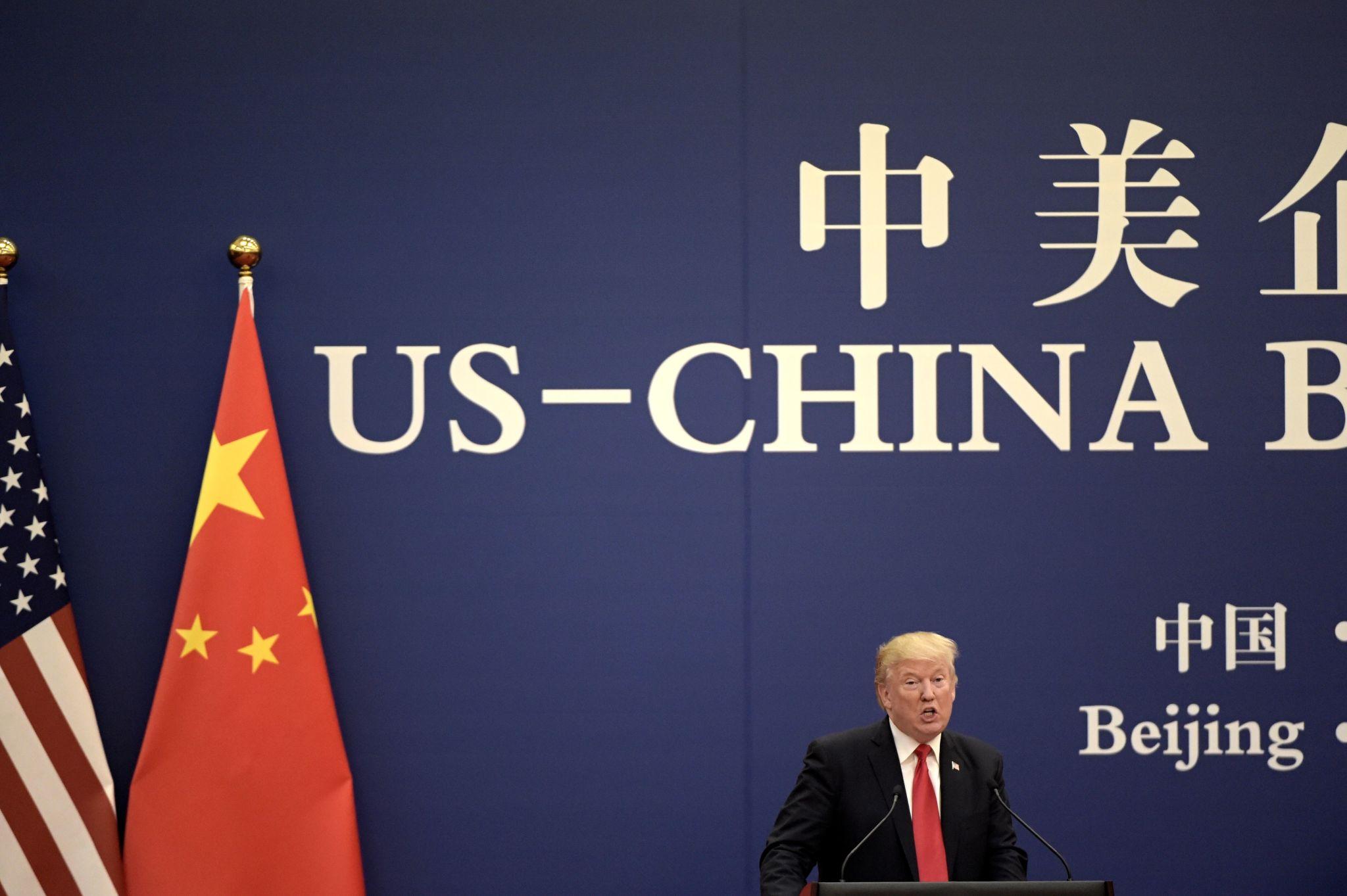
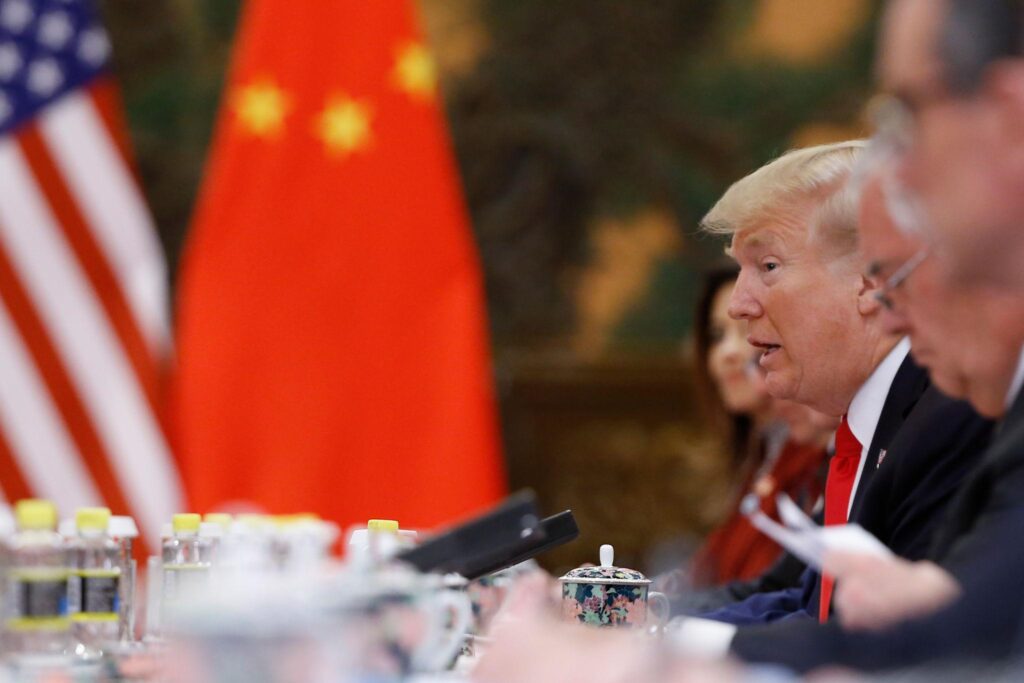
Trump’s China strategy shift is now at the center of global attention as Donald Trump pivots from escalating tensions with Iran toward a renewed geopolitical and economic confrontation with China. Following recent military and diplomatic strains tied to the Iran conflict, Trump is recalibrating priorities to secure strategic wins against Beijing ahead of the 2026 political landscape. This shift matters now because it reshapes US foreign policy, affects global markets, and signals a potential new era of economic rivalry.
The move reflects a broader calculation: stabilizing Middle East risks while intensifying pressure on China could deliver both political and economic advantages. For businesses, investors, and global allies, the implications are immediate and far-reaching.
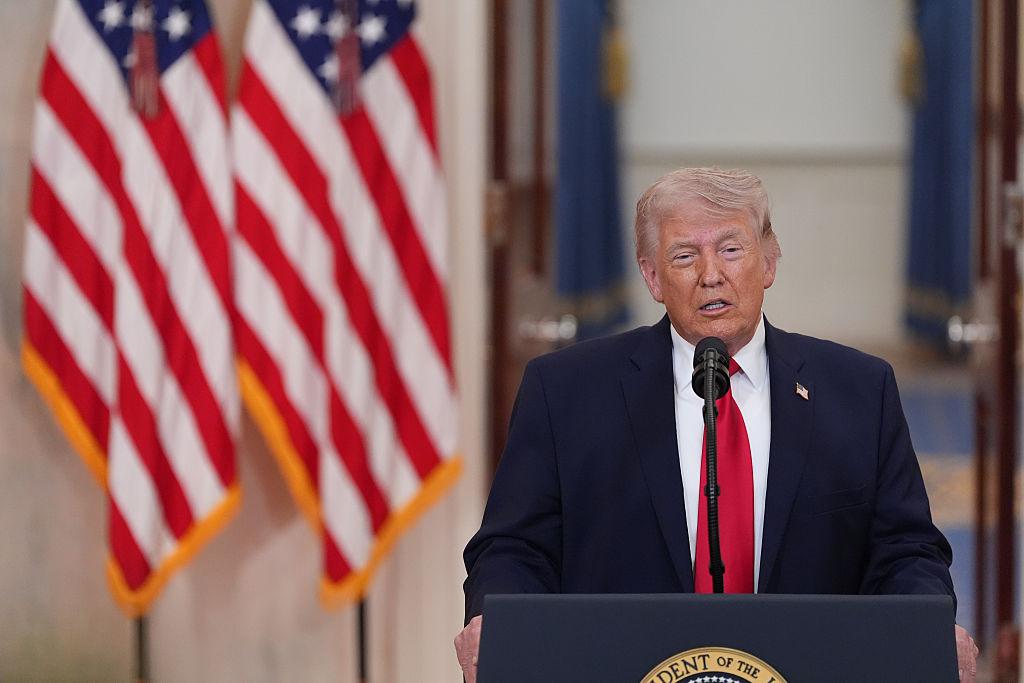
Why Trump Is Moving Focus From Iran to China
The recent conflict involving Iran exposed the limits of prolonged military engagement and the risks of escalation in an already unstable region. While tensions remain, the strategic payoff of continued focus on Iran appears limited compared to the broader challenge posed by China.
China represents a more direct competitor in trade, technology, and global influence. By shifting attention, Trump aims to confront what many policymakers consider the defining rivalry of the 21st century. This includes trade imbalances, supply chain dependencies, and competition in emerging technologies such as AI and semiconductors.
The decision also reflects domestic priorities. American voters are increasingly concerned about economic strength, manufacturing, and job security. Targeting China allows Trump to align foreign policy with economic messaging, strengthening his political positioning ahead of upcoming elections.
Economic Stakes Driving the Strategy Shift
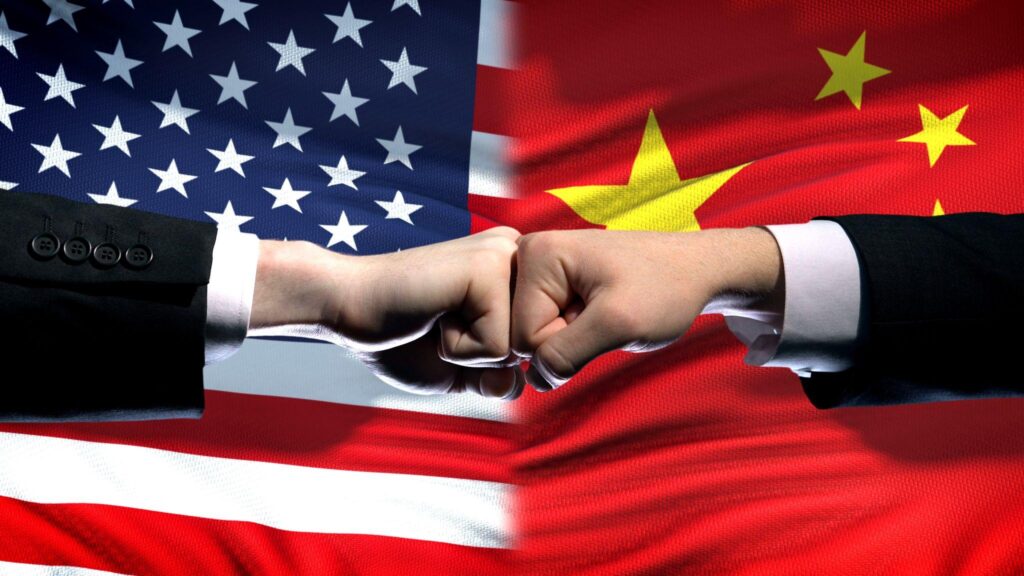
At the heart of this shift lies a significant economic calculation. The United States continues to face a large trade deficit with China, alongside concerns over intellectual property and industrial competition. By focusing on China, Trump is signaling a tougher stance on trade policies that could reshape global commerce.
Tariffs, export controls, and restrictions on technology transfers are likely to play a central role. These measures are designed not only to protect US industries but also to slow China’s rapid technological advancement. However, such policies also carry risks, including higher costs for consumers and potential retaliation from Beijing.
Global markets are already reacting to this shift. Investors are watching closely for signs of renewed trade tensions, which could impact everything from stock markets to commodity prices. Supply chains, already strained in recent years, may face additional disruptions if economic rivalry intensifies.
Military and Strategic Implications Worldwide
While the focus is shifting away from Iran, it does not mean a complete disengagement. The United States will likely maintain a presence in the Middle East to deter further conflict and protect its interests. However, resources and attention are increasingly being redirected toward the Indo-Pacific region.
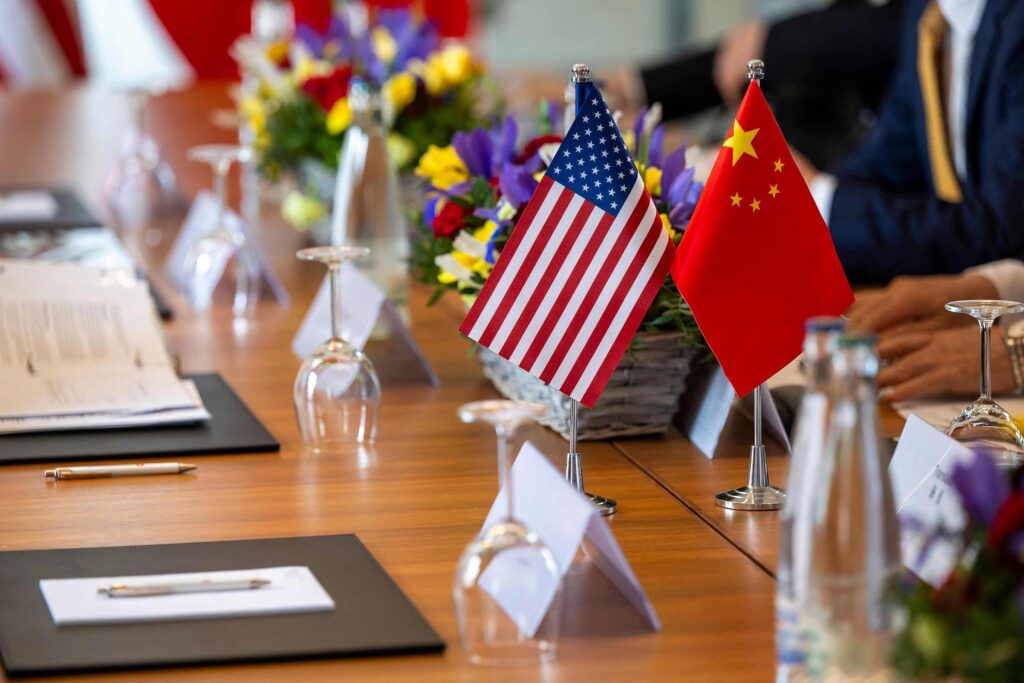
This includes strengthening alliances with countries such as Japan, South Korea, and Australia. Military exercises, defense agreements, and regional partnerships are expected to expand as the US seeks to counterbalance China’s growing influence.
The shift also raises questions about global security dynamics. A stronger US focus on China could lead to increased tensions in areas like the South China Sea and Taiwan Strait. These regions are already sensitive flashpoints, and any escalation could have serious global consequences.
Political Timing and Domestic Impact in the United States
The timing of this strategic pivot is closely tied to domestic politics. With the 2026 elections approaching, Trump is positioning himself as a leader capable of delivering strong results on the global stage. A focus on China allows him to emphasize economic strength and national security simultaneously.
This approach also resonates with bipartisan concerns about China’s rise. While political divisions remain deep in the US, there is broad agreement on the need to address China’s growing influence. This allows Trump to build support across different segments of the political spectrum.
At the same time, critics argue that shifting focus too quickly could leave unresolved issues in the Middle East. Balancing these competing priorities will be a key challenge for the administration moving forward.
Global Reactions and What Allies Are Watching
Allies and partners around the world are closely monitoring this shift. European nations, in particular, are assessing how a renewed US focus on China will affect trade and security relationships. Many countries rely heavily on both the US and China, making alignment decisions increasingly complex.
In Asia, the response is more direct. Countries in the region are likely to welcome increased US engagement as a counterweight to China’s influence. However, they also face the challenge of managing their own economic ties with Beijing.
China, meanwhile, is expected to respond strategically. This could include strengthening alliances, expanding economic partnerships, and accelerating technological development. The global balance of power may shift depending on how these dynamics unfold.
Why This Matters Now for the Global Economy and Security
This strategic shift comes at a critical moment for the global economy. Inflation concerns, supply chain challenges, and geopolitical uncertainty are already shaping market conditions. A renewed focus on China adds another layer of complexity.
For businesses, the implications are significant. Companies may need to rethink supply chains, diversify manufacturing, and prepare for potential trade disruptions. For consumers, changes in trade policy could affect prices and product availability.
From a security perspective, the shift signals a move toward long-term competition rather than short-term conflict. The US-China relationship will likely define global politics for years to come, influencing everything from technology standards to military alliances.
The Bigger Picture: A Defining Strategic Realignment
The transition from Iran-focused tensions to a China-centered strategy represents more than a policy adjustment—it is a fundamental realignment of US priorities. This move reflects a broader recognition that economic and technological competition will shape the future of global power.
While challenges remain in the Middle East, the emphasis on China suggests a shift toward addressing systemic, long-term risks. This approach carries both opportunities and uncertainties, making it one of the most closely watched developments in global politics today.
As events continue to unfold, the effectiveness of this strategy will depend on execution, international cooperation, and the ability to manage competing priorities without escalating conflicts.
Subscribe to trusted news sites like USnewsSphere.com for continuous updates.