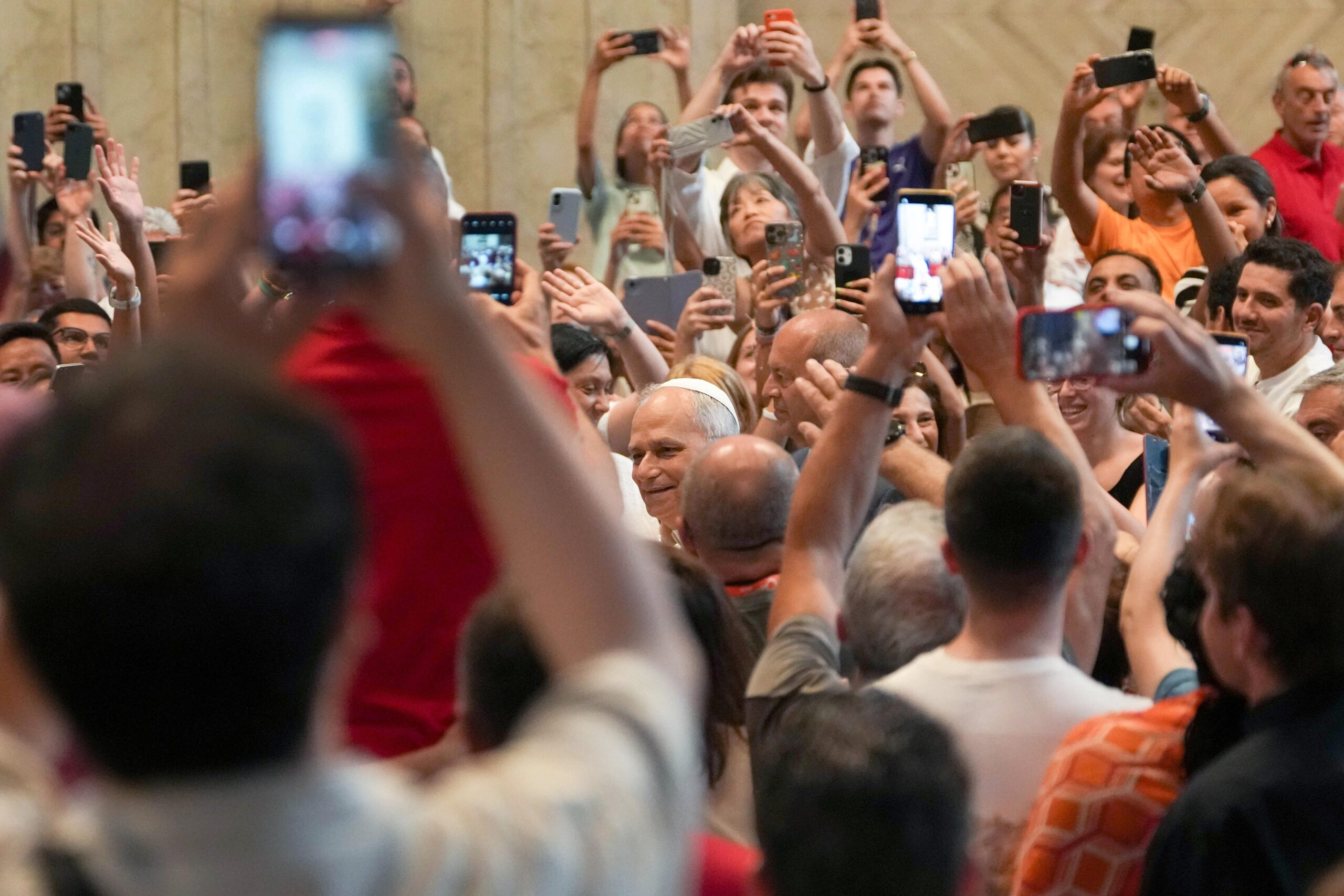
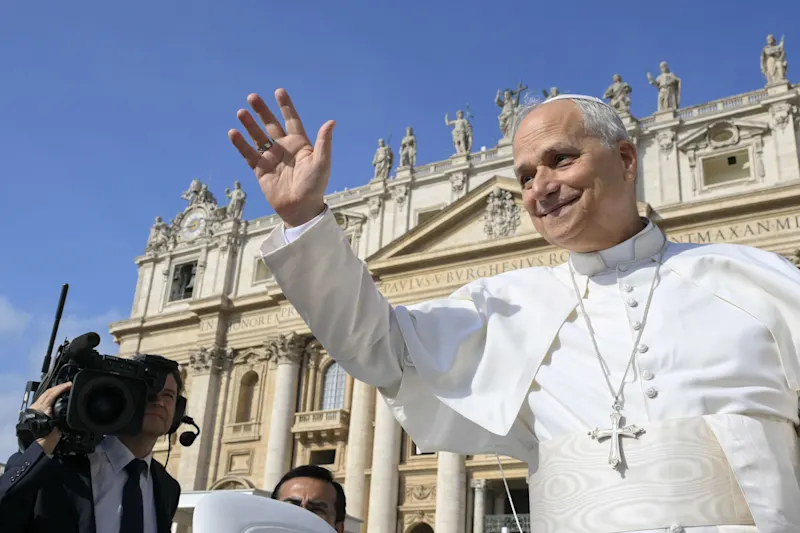
Pope Leo launches the Vatican AI Commission at a time when artificial intelligence is rapidly transforming governments, workplaces, education, healthcare, and even warfare across the world. The Vatican confirmed that Pope Leo XIV approved the creation of a new Interdicasterial Commission on Artificial Intelligence to study the growing impact of AI on humanity, ethics, labor, truth, and human dignity. The move signals one of the Catholic Church’s strongest steps yet into the global debate over AI regulation and responsible technology.
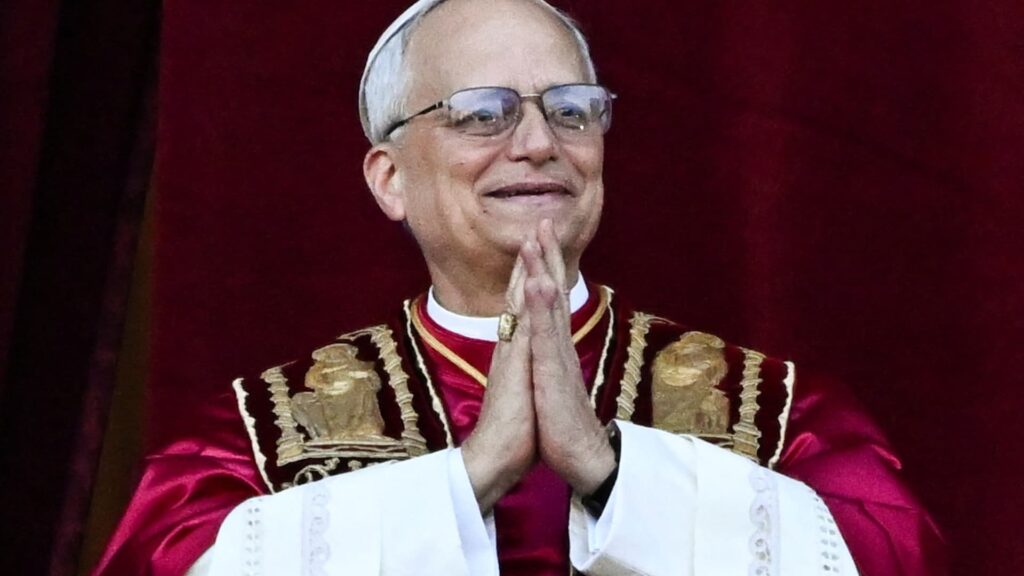
The commission was approved after concerns inside the Vatican increased over how quickly AI systems are spreading into everyday life. Church leaders say the technology has major benefits, but also carries serious risks linked to misinformation, surveillance, unemployment, autonomous weapons, and the erosion of human relationships. The Vatican now wants to help shape the global conversation before AI becomes too powerful to regulate effectively. Why this matters now is simple: governments and tech companies are racing ahead with AI development, while ethical safeguards are struggling to keep pace.
Vatican Moves Aggressively Into the Global AI Debate
The newly announced Vatican AI commission will coordinate different departments inside the Holy See that have already been studying artificial intelligence independently for years. According to Vatican documents, the group will examine AI’s influence on humanity, social justice, economic inequality, and spiritual life. The Dicastery for Promoting Integral Human Development will oversee the commission during its first year.
This is not the Vatican’s first warning about AI. Under Pope Francis, Church officials repeatedly raised concerns about facial recognition systems, deepfakes, military AI, and machine-driven manipulation. Pope Leo XIV is now expanding that work further and turning it into a more organized global initiative. Analysts say this could make the Vatican one of the world’s most influential moral voices in the AI policy debate, especially as Western governments and Silicon Valley companies struggle to create unified rules.

Pope Leo Connects AI Risks to Human Dignity and Workers’ Rights
One major reason Pope Leo XIV is focusing heavily on artificial intelligence is that he sees parallels between today’s AI revolution and the Industrial Revolution of the late 1800s. Church historians note that Pope Leo XIII defended workers’ rights during a period of massive industrial change. Now, Pope Leo XIV appears to believe AI could create similar social disruption if left unchecked.
The Vatican fears automation could eliminate millions of jobs while increasing wealth inequality worldwide. Religious scholars close to the Holy See also warn that AI-generated content may damage truth itself by making misinformation easier to spread at a massive scale. Vatican officials are especially concerned about technologies that reduce human decision-making or replace authentic human relationships with machine interaction.
AI Warfare and Global Conflict Raise New Vatican Concerns
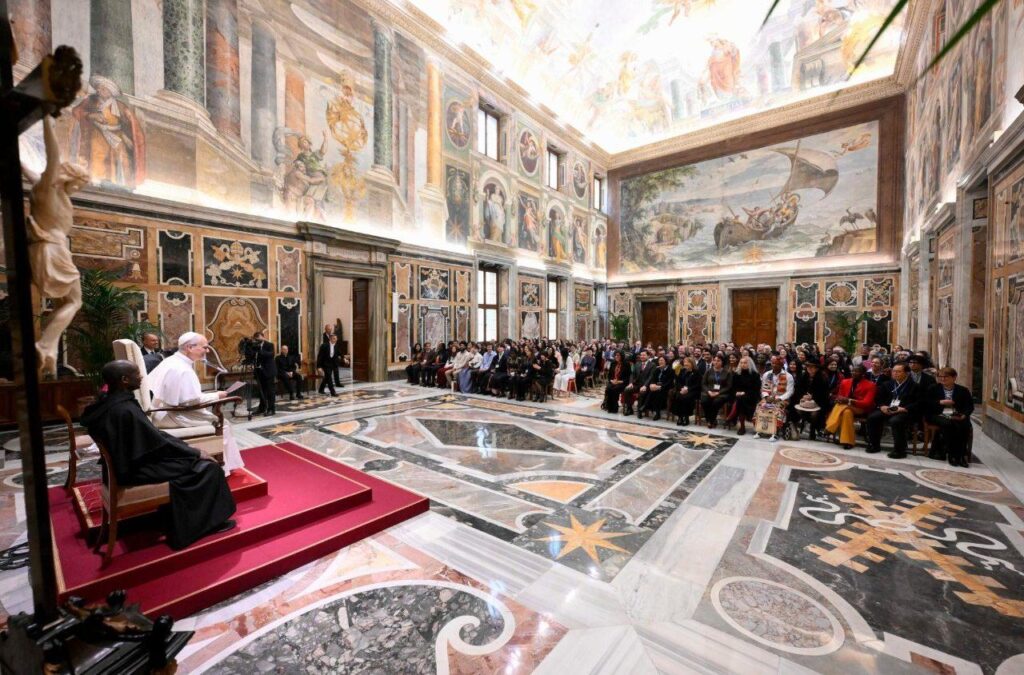
Another major issue driving the Vatican’s AI push is the growing use of artificial intelligence in military systems and modern warfare. Pope Leo XIV recently warned that investments in AI-powered weapons could push humanity toward what he described as a “spiral of annihilation.” Church leaders fear that autonomous military systems may eventually make life-and-death decisions without meaningful human oversight.
The Vatican’s concerns come as countries including the United States, China, and Russia continue investing heavily in AI defense systems. Ethical AI advocates argue that global regulations have not kept pace with technological development. Some experts believe the Vatican is attempting to become a neutral moral authority capable of influencing international AI treaties and ethical frameworks.
Vatican Expected to Release Landmark AI Encyclical
The commission announcement comes shortly before the expected release of Pope Leo XIV’s first major encyclical focused on artificial intelligence and humanity. Reports indicate the document may be titled Magnifica Humanitas and could become one of the defining texts of the Pope’s early leadership. The encyclical is expected to address AI ethics, labor rights, surveillance, misinformation, and human dignity in the digital age.
Unlike many previous Vatican documents, this release is attracting attention far beyond religious audiences. Technology leaders, policymakers, AI researchers, and ethicists are closely watching how the Catholic Church frames the issue. Some analysts believe the Vatican could help shape future global standards by pressuring governments and corporations to adopt stronger ethical protections.
Why the Vatican’s AI Strategy Could Influence the Entire World
The Catholic Church represents more than a billion people worldwide, giving the Vatican enormous cultural influence even outside politics. By formally organizing around AI ethics, Pope Leo XIV is positioning the Church as a long-term participant in one of the most important technological debates of the century. Experts say this strategy could affect discussions around education, healthcare, employment, digital privacy, and online truth verification.
Technology companies are also under increasing pressure from regulators and the public to prove that AI systems are safe and trustworthy. The Vatican’s approach may encourage stronger cooperation between ethical researchers, lawmakers, universities, and faith-based organizations. At the same time, critics argue that religious institutions should not influence technology policy too heavily. Even so, the Vatican’s growing involvement shows how seriously global leaders now view artificial intelligence and its long-term consequences for humanity.
What Happens Next for the Vatican AI Commission
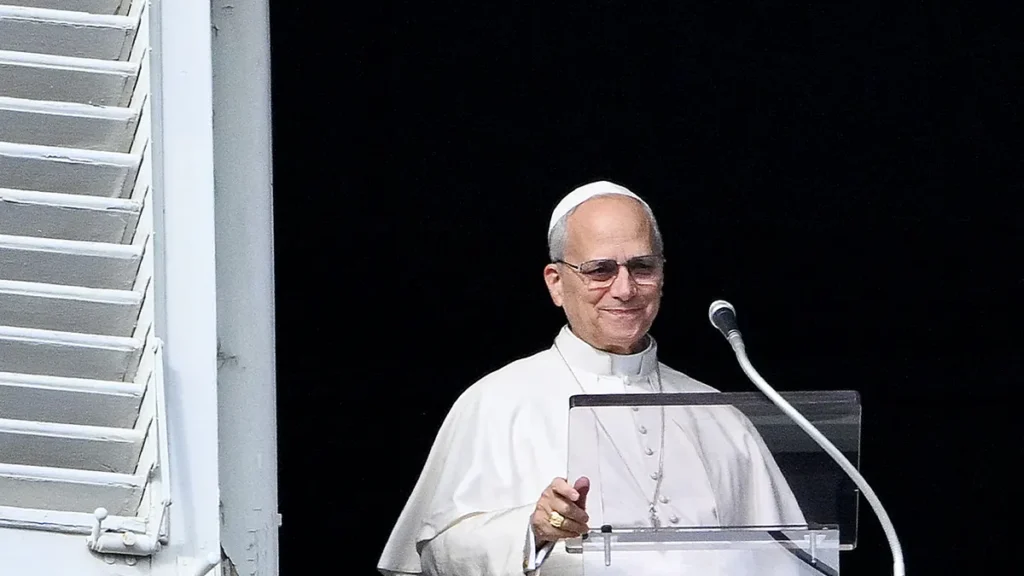
The Vatican commission is expected to begin coordinating studies, policy discussions, and ethical recommendations immediately. Future meetings may involve theologians, economists, scientists, AI developers, and international diplomats. Observers also expect the Vatican to continue supporting global conversations around responsible AI development and restrictions on autonomous weapons systems.
As artificial intelligence becomes more deeply integrated into society, the Vatican appears determined to ensure that moral and human-centered values remain part of the discussion. Pope Leo XIV’s initiative could become one of the most closely watched religious technology projects in the world over the next several years. For many global observers, the launch of this AI commission marks the beginning of a much larger debate about whether humanity can guide artificial intelligence responsibly before the technology reshapes civilization permanently.
Subscribe to trusted news sites like USnewsSphere.com for continuous updates.