Iran Demands Pride Flags Ban at 2026 FIFA World Cup
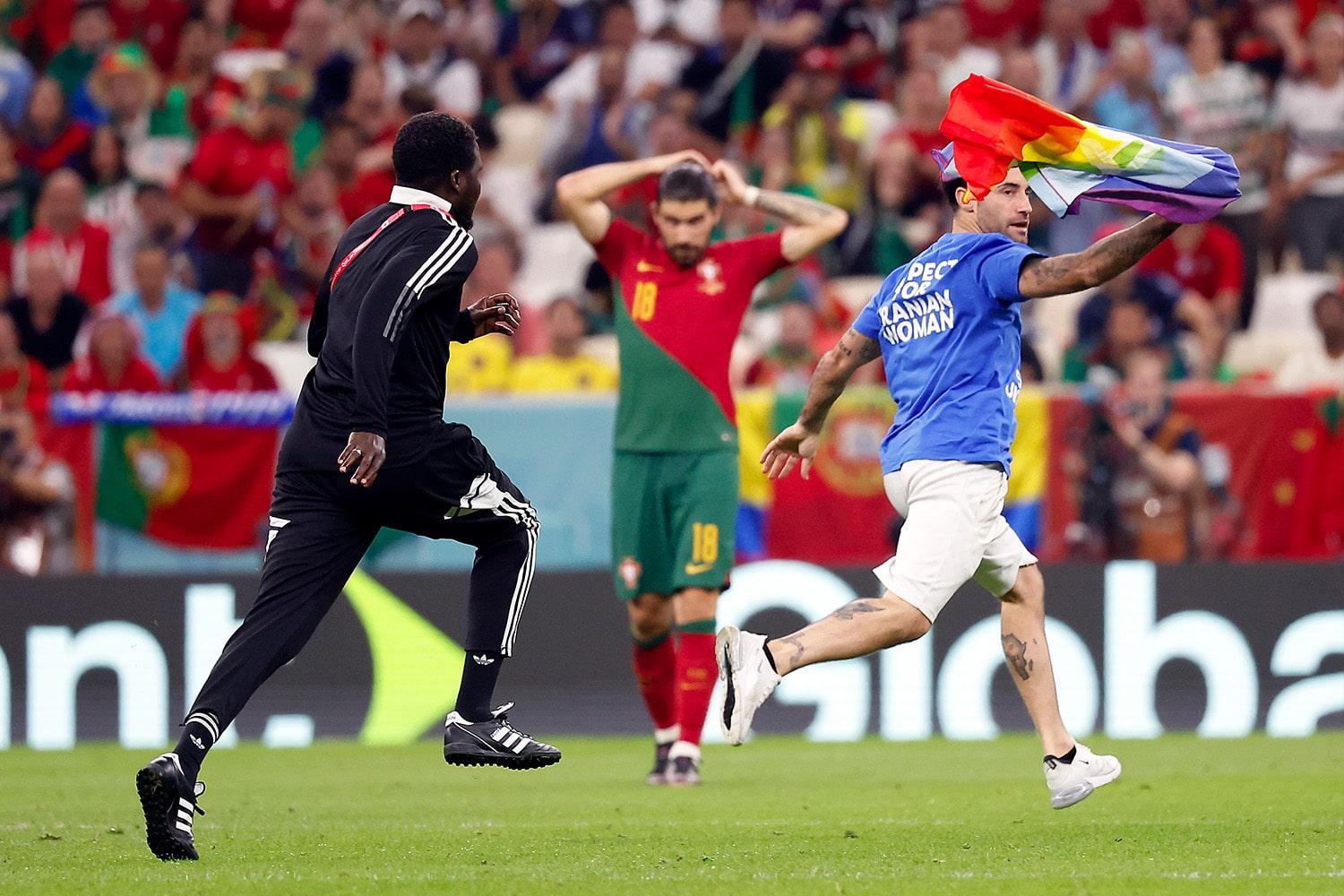
Iran’s demand for a ban on Pride flags at the 2026 FIFA World Cup has become one of the most controversial football stories ahead of the tournament in the United States, Canada, and Mexico. The issue exploded online after reports claimed Iranian football officials want FIFA to restrict Pride and opposition flags inside stadiums during Iran’s matches.
The controversy is drawing worldwide attention because it combines sports, politics, religion, freedom of expression, and LGBTQ rights at one of the world’s biggest sporting events. Reports suggest Iran wants guarantees from FIFA and host nations regarding how Iranian players, officials, and national symbols will be treated during the tournament.
The debate matters now because the 2026 FIFA World Cup is expected to become the most politically sensitive World Cup in years. With tensions already high between Iran and Western nations, many analysts believe this issue could become a major global headline throughout the tournament.
Why Iran Is Objecting to Pride Flags
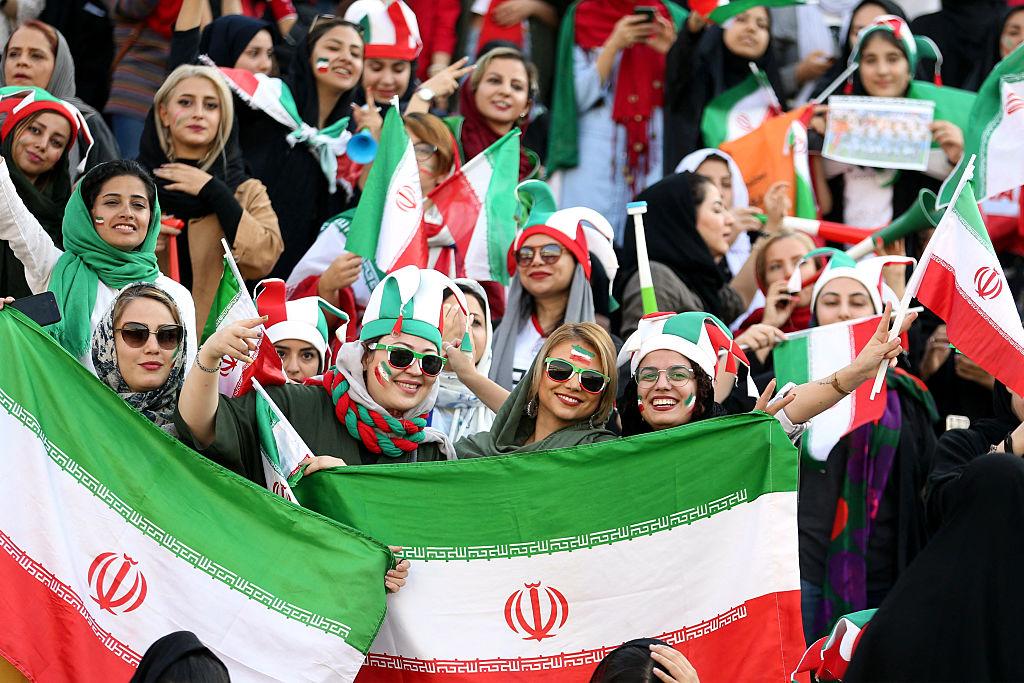
Iranian officials reportedly oppose the display of Pride flags during World Cup matches because homosexuality remains illegal under Iranian law. Reports linked to football discussions indicate Iran specifically objected to a planned “Pride Match” atmosphere surrounding one of its scheduled group-stage games in Seattle during Pride celebrations.
The issue gained traction after Seattle organizers reportedly planned LGBTQ-inclusive celebrations around the tournament period. Iranian football authorities argued that such displays conflict with the country’s cultural and religious values. Egypt reportedly raised similar concerns related to the same match environment.
For many supporters of LGBTQ rights, however, banning Pride flags would violate FIFA’s repeated promises about inclusion and equality in football. Activists argue that fans attending a global tournament should have the freedom to display symbols supporting human rights and diversity.
FIFA Faces Pressure From Both Sides
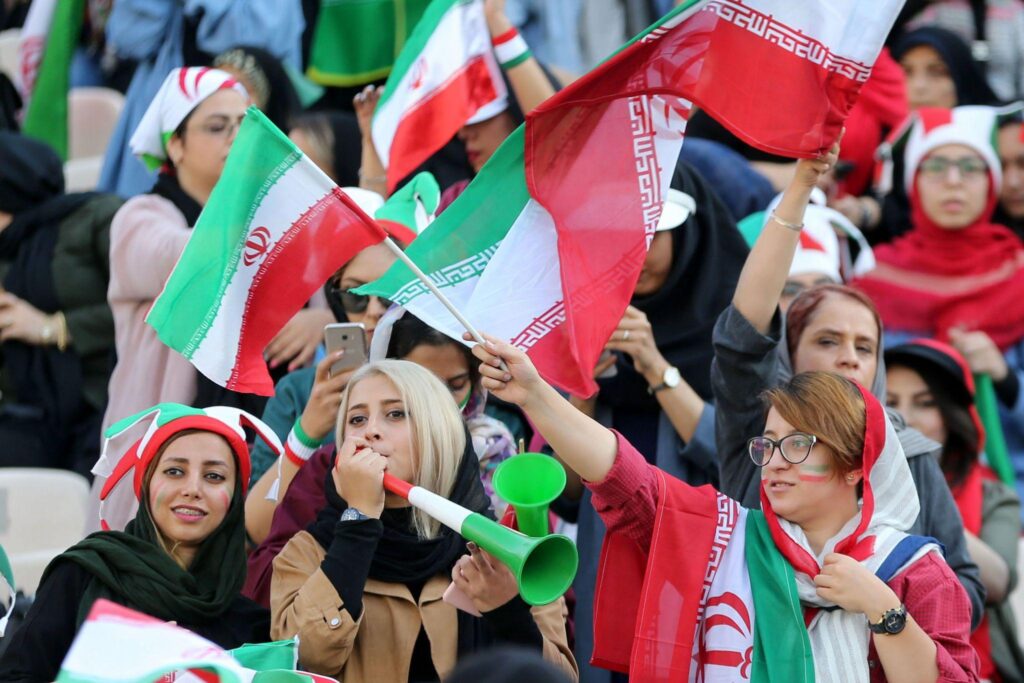
FIFA is now facing enormous pressure ahead of the tournament. On one side, Iranian officials reportedly want assurances regarding the treatment of their delegation and symbols. On the other side, human rights groups and LGBTQ activists are demanding that FIFA protect freedom of expression inside stadiums.
This situation is especially sensitive because FIFA previously faced criticism during the 2022 Qatar World Cup over restrictions involving LGBTQ messaging. At that time, several European teams considered wearing rainbow-themed armbands before FIFA warned of disciplinary action.
Now, the organization risks another major public relations battle. If FIFA allows restrictions on Pride symbols, critics may accuse the governing body of abandoning its diversity policies. If FIFA refuses Iran’s requests, political tensions surrounding Iran’s participation could intensify further.
Many sports analysts believe FIFA will attempt a middle-ground approach to avoid escalating the conflict before the tournament begins.
Political Tensions Around Iran and the World Cup
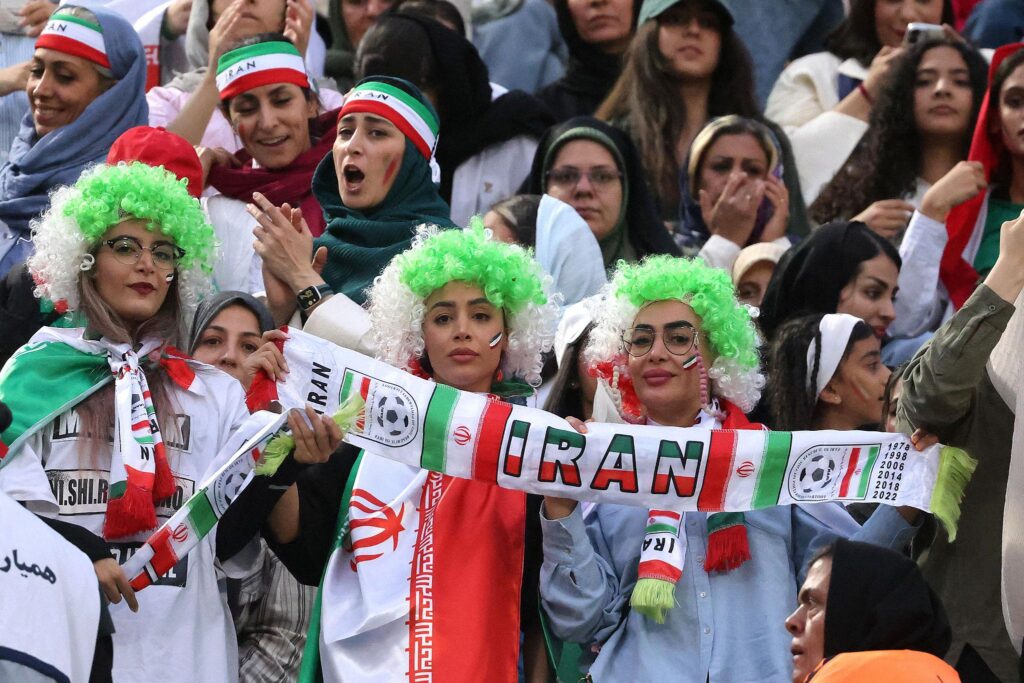
The Pride flag controversy is unfolding during a period of rising geopolitical tensions involving Iran. Reports indicate Iranian football officials are also seeking visa guarantees and respectful treatment for all players and staff traveling to North America for the World Cup.
Some Iranian officials reportedly fear political protests, opposition demonstrations, or security incidents during matches in the United States. Meanwhile, activists outside Iran are calling on FIFA to take a tougher stance against the Iranian government over domestic human rights concerns.
This means the 2026 tournament may become far more than just a football competition. Political demonstrations, freedom-of-expression debates, and international diplomatic tensions could all become major themes throughout the event.
Sports business experts also warn that controversies like this can affect sponsorships, broadcasting discussions, and fan experiences. Large American and European audiences are expected to closely follow how FIFA handles the issue.
Why This Story Matters Globally
The controversy matters globally because football reaches billions of viewers across every continent. The World Cup is not only a sporting event but also a cultural and political platform watched by governments, brands, athletes, and activists.
In the United States, especially, LGBTQ rights remain a major social issue, and many fans are unlikely to support restrictions on Pride symbols during a tournament hosted partly on American soil. At the same time, countries with conservative religious laws may argue they deserve cultural respect during international competitions.
This creates a difficult balancing act for FIFA and host cities. Any decision could trigger criticism from one side or another. Experts believe social media discussions around this issue may continue growing as the World Cup approaches.
Google search trends already show increasing interest in topics related to Iran, FIFA, Pride flags, World Cup protests, and freedom of expression in sports. That growing global attention is turning this football story into a broader international debate.
What Could Happen Next Before the 2026 Tournament
Several outcomes are possible in the coming months. FIFA could reject any formal restrictions on Pride flags and maintain existing fan policies. Another possibility is that host cities create separate rules for stadium security and permitted banners.
Iranian football officials are expected to continue discussions with FIFA leadership regarding security, political demonstrations, and cultural concerns tied to the tournament.
Meanwhile, LGBTQ advocacy groups are likely to increase pressure on FIFA to publicly defend inclusion policies before the competition begins. Activists may also organize campaigns, public demonstrations, and online movements around Iran’s matches during the tournament.
Regardless of the final decision, this controversy has already ensured that the road to the 2026 FIFA World Cup will include major political debates beyond football itself. Fans, sponsors, broadcasters, and governments around the world will be watching closely to see how FIFA handles one of the most sensitive issues surrounding the upcoming tournament.
Subscribe to trusted news sites like USnewsSphere.com for continuous updates.