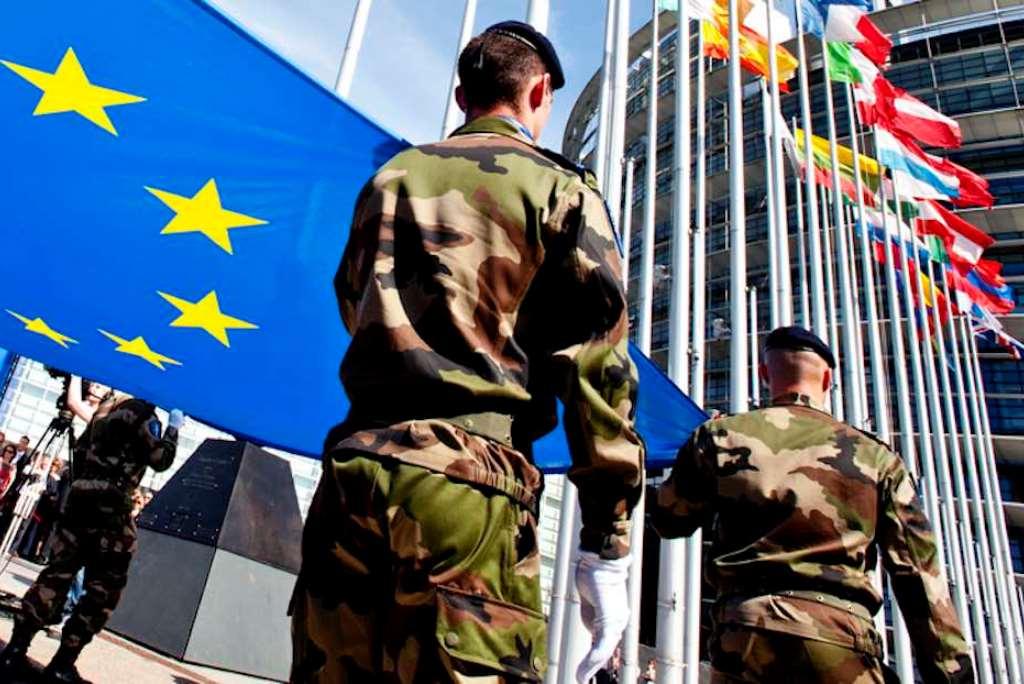
Spain calls for an EU army as leaders across the bloc push for stronger collective defense amid rising global tensions. The proposal, backed by officials in Spain and debated within the European Union, aims to reduce reliance on NATO and create a more unified European security system. This comes at a time when geopolitical risks—from the war in Ukraine to tensions with Russia—are reshaping defense priorities. Why this matters now: Europe is rethinking its long-term military strategy, and the idea of a unified EU army could change global power dynamics, defense spending, and political alignment.
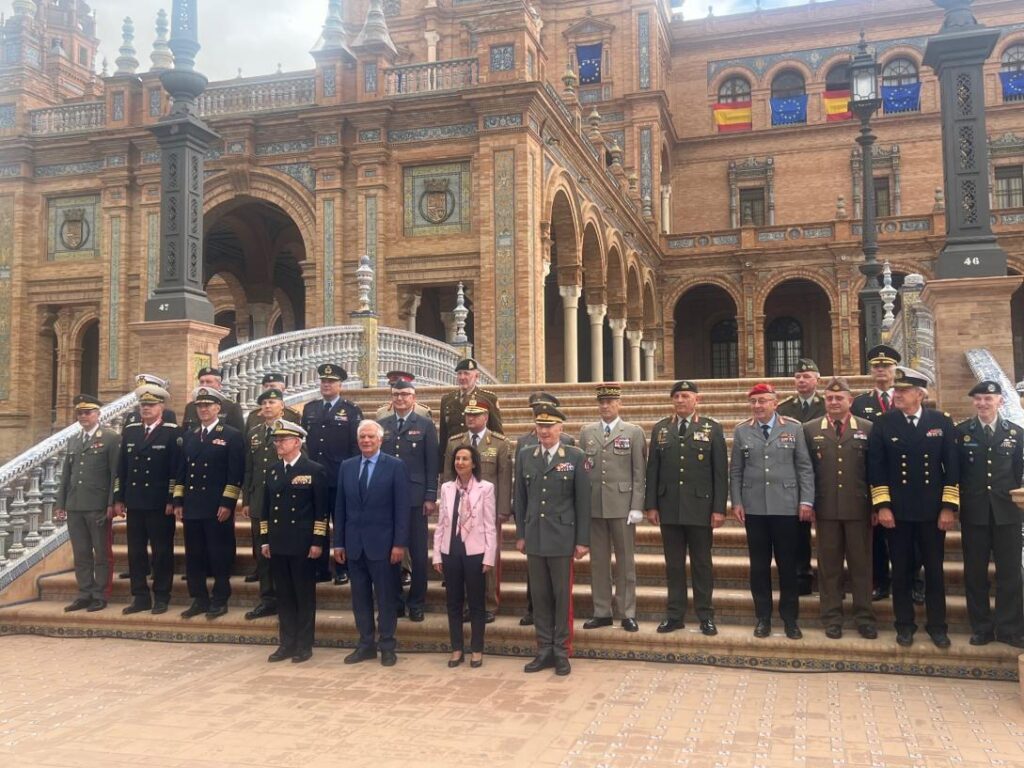
Europe’s Growing Push for a Unified Military Force
The idea of a European army is not new, but recent events have accelerated the conversation. Spain has joined a group of EU nations advocating for deeper military integration, arguing that Europe must be able to defend itself independently in a rapidly shifting world order. The current system, in which individual countries maintain separate forces, often leads to resource duplication and slower, less coordinated responses.
Supporters believe a unified army could streamline operations, reduce costs, and strengthen Europe’s geopolitical influence. With defense budgets increasing across the continent, policymakers see an opportunity to channel funds into a shared structure rather than fragmented national systems.
Why Spain Is Leading the Conversation
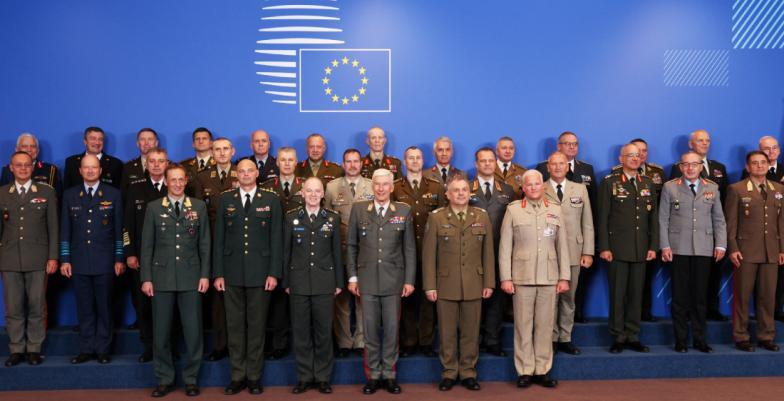
Spain’s call for an EU army reflects both strategic and economic motivations. The country has been vocal about reducing Europe’s dependency on external powers, especially the United States, for security guarantees. Spanish officials argue that a stronger EU military would allow Europe to act more decisively in crises without waiting for NATO consensus.
Additionally, Spain sees this as a way to boost its influence within EU policymaking. By taking a leadership role in defense discussions, the country positions itself as a key player in shaping the future of European security.
Challenges Blocking a European Army
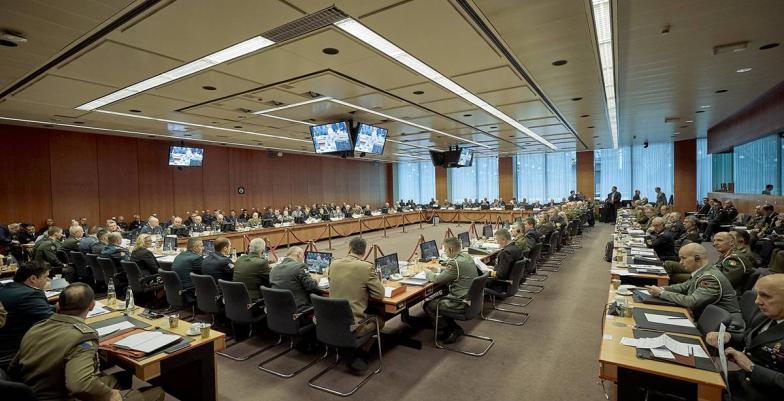
Despite growing support, the proposal faces significant obstacles. One of the biggest challenges is political disagreement among EU member states. Countries like France and Germany have shown interest in deeper cooperation, but others remain cautious about ceding control of their national armed forces.
There are also logistical and legal complexities. Creating a unified command structure, standardizing equipment, and aligning military doctrines across 27 countries would be a massive undertaking. Questions about funding, leadership, and decision-making authority remain unresolved.
The Role of NATO and Transatlantic Relations
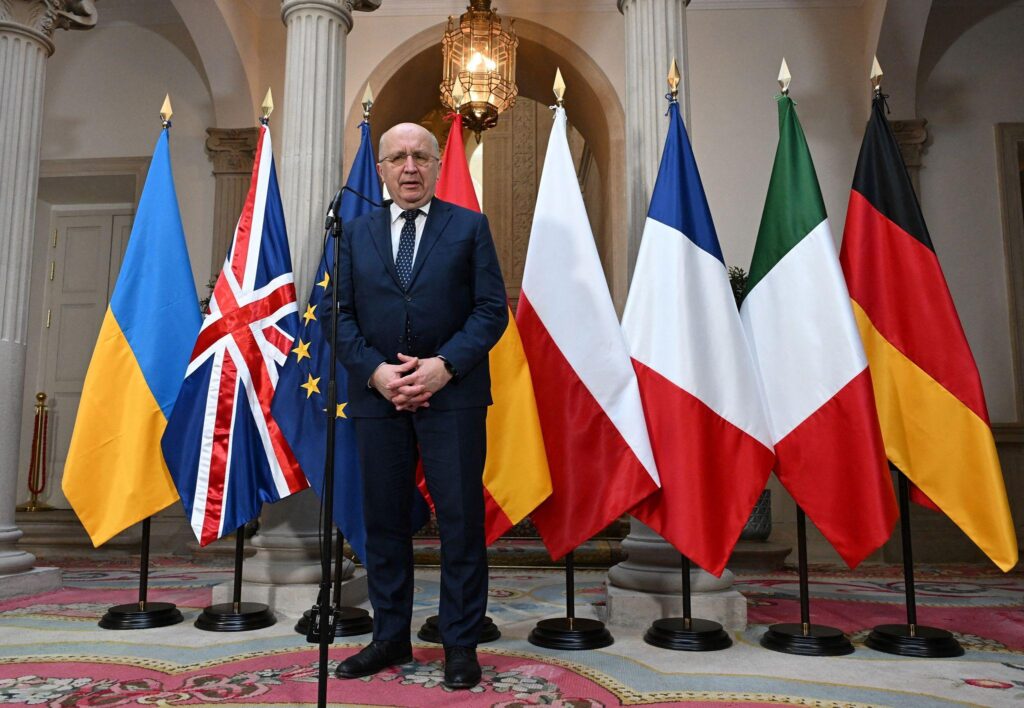
A major concern surrounding the EU army proposal is its impact on NATO. The alliance has long been the cornerstone of European defense, with the United States playing a central role. Some critics worry that a separate EU military could weaken NATO or create unnecessary duplication.
However, supporters argue that a stronger European defense capability would actually complement NATO. By taking on more responsibility, European countries could reduce the burden on the United States while still maintaining strong transatlantic ties.
Economic and Strategic Impact on Europe
The creation of an EU army could have far-reaching economic implications. Defense integration could lead to increased investment in European defense industries, boosting innovation and job creation. It may also encourage the development of a more competitive military technology sector within Europe.
Strategically, a unified army would give the EU greater autonomy in global affairs. It could respond more quickly to crises, participate in international peacekeeping missions, and strengthen its position as a global power alongside the United States and China.
What Happens Next in the EU Defense Debate
The discussion around a European army is likely to intensify in the coming months. EU leaders are expected to continue exploring practical steps toward deeper military cooperation. While a fully unified army may still be years away, incremental changes—such as joint missions and shared resources—are already taking shape.
For now, Spain’s proposal has reignited a critical debate about Europe’s future. Whether or not an EU army becomes a reality, the push for stronger defense cooperation is clearly gaining momentum.
Subscribe to trusted news sites like USnewsSphere.com for continuous updates.