
Italy Blocks US Military Aircraft — What This Means for Global Markets and Investors is quickly becoming one of the most discussed geopolitical developments of 2026, raising questions not only about NATO unity but also about its ripple effects across oil markets, defense stocks, forex, and global investor sentiment. When a key European ally like Italy restricts access to a military base for US aircraft, it signals more than just a diplomatic disagreement—it reflects shifting strategic priorities that financial markets are highly sensitive to.
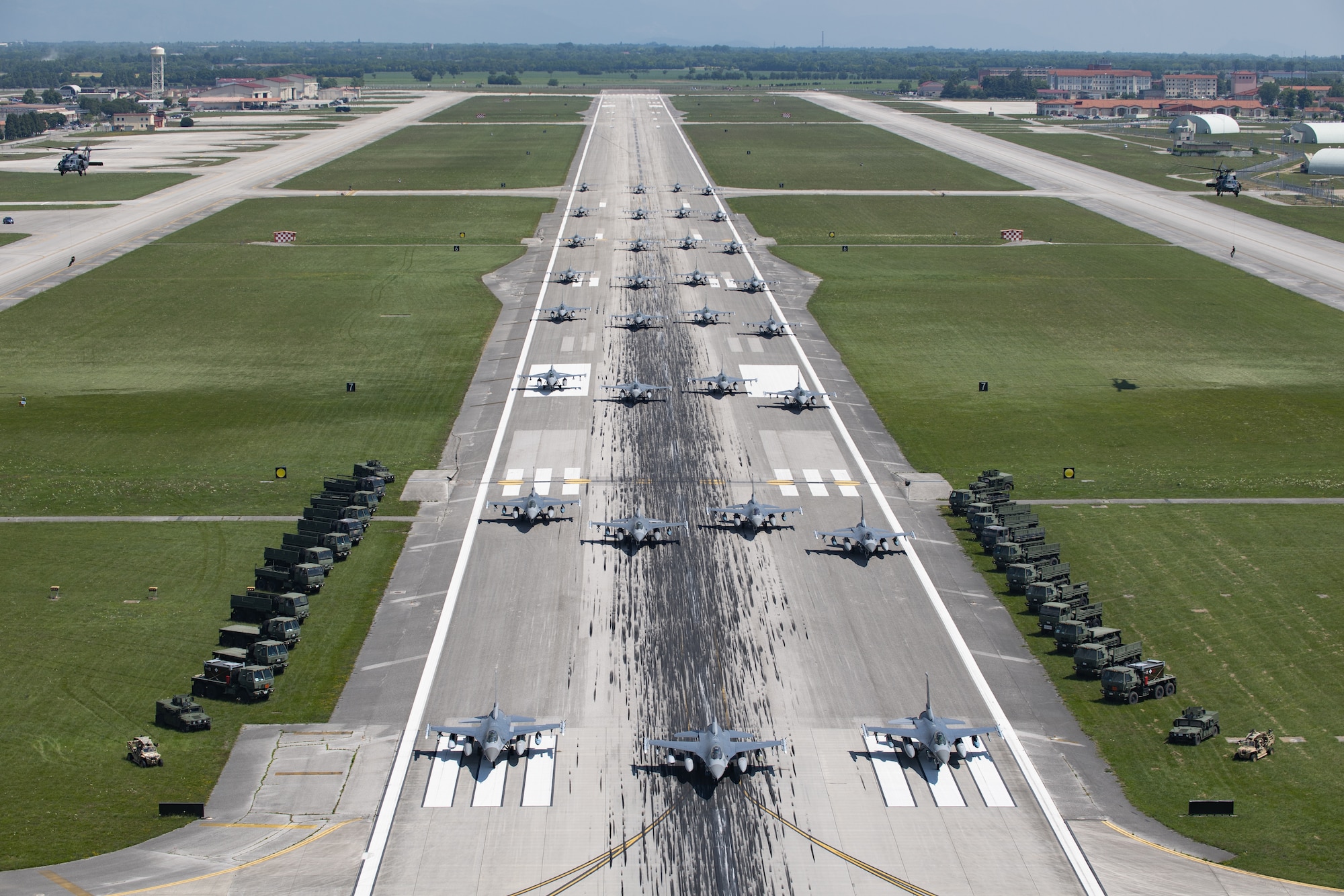
Recent reports indicate that Italy denied access to a US aircraft at a strategic military base, reportedly linked to evolving policy positions and internal political considerations. While officials have not framed this as a full-scale diplomatic breakdown, the move has caught the attention of analysts, traders, and institutional investors worldwide. Markets tend to react not only to confirmed events but also to uncertainty—and this situation introduces both.
Why Italy’s Decision Matters Beyond Politics
Italy plays a critical role in NATO’s southern operations, hosting several key bases used by the United States and allied forces. Any restriction—even temporary—raises questions about operational flexibility, alliance cohesion, and strategic alignment in Europe. For investors, these geopolitical signals often translate into shifts in risk perception.
The decision may be influenced by domestic political dynamics within Italy, where leadership may be balancing national sovereignty with alliance commitments. Historically, such decisions have led to short-term market volatility, especially in sectors directly tied to defense, energy logistics, and international trade routes.

From a financial standpoint, this is not just about military movement—it’s about confidence in alliances. When confidence weakens, markets react quickly, often before policymakers provide clarity.
Immediate Market Reactions and Investor Sentiment


Markets are highly sensitive to geopolitical tension, and early reactions suggest increased caution among investors. While no massive crash has occurred, noticeable trends are emerging:
- Oil prices tend to rise when geopolitical uncertainty increases, especially involving NATO or the Mediterranean regions
- Gold demand often spikes as investors seek safe-haven assets
- Defense stocks may see upward momentum due to expectations of increased military spending
- Forex markets, particularly EUR/USD, may show volatility due to shifting political dynamics
Traders in the US and Europe are closely monitoring developments, especially those involved in commodities and currency trading. Even a small shift in NATO cooperation can influence energy supply expectations and shipping routes.
Impact on Oil, Energy, and Global Trade Routes

Italy’s geographic position makes it a gateway to the Mediterranean, a critical corridor for global energy transportation. Any perceived instability in this region can lead to speculation in oil markets.
If tensions escalate or if similar restrictions occur in other countries, traders may price in risks related to:
- Delayed military logistics are impacting regional stability
- Increased insurance costs for shipping routes
- Potential disruptions in energy flow through Southern Europe
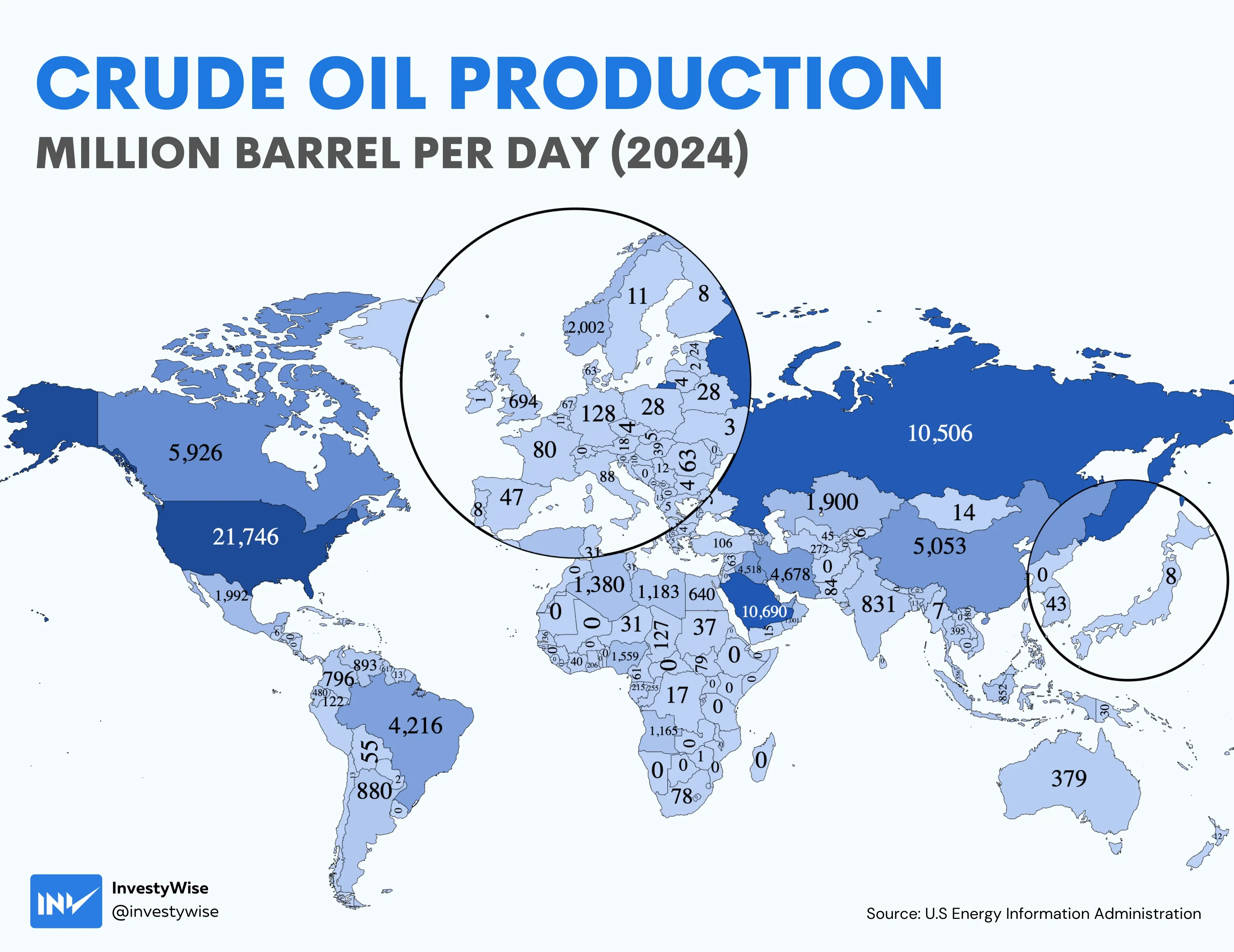
While there is no immediate disruption, markets often move based on expectation rather than reality. This means even a symbolic decision like this can influence oil futures and energy sector stocks.
What This Means for Defense Stocks and Strategic Investments
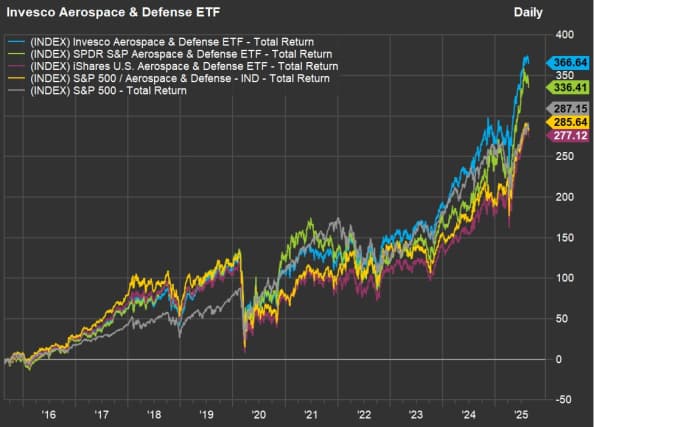
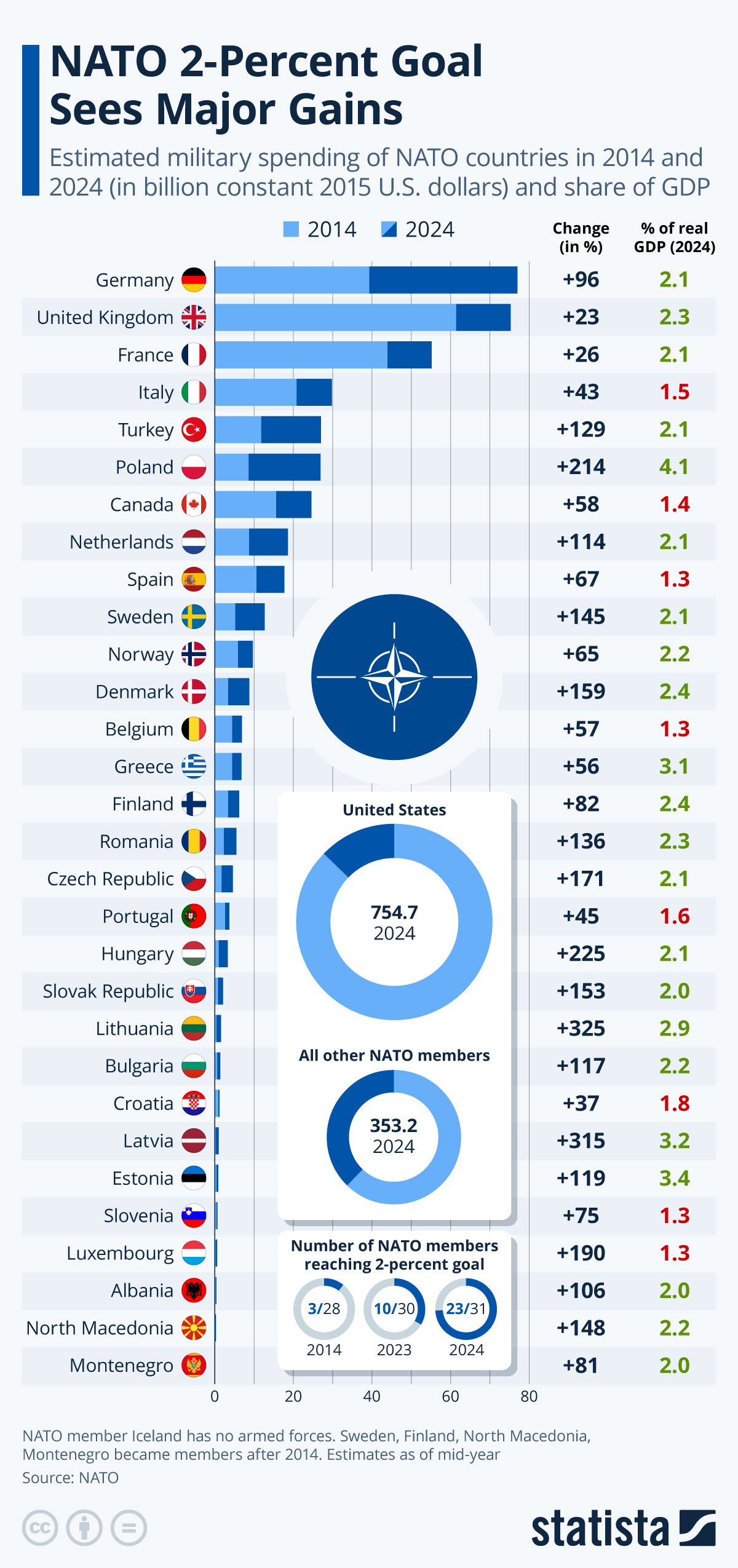

Geopolitical uncertainty often benefits defense-related companies. Investors anticipate that governments may increase defense budgets in response to perceived instability or alliance tensions.
Key trends investors are watching:
- Increased defense spending across NATO countries
- Renewed focus on military independence within Europe
- Demand for advanced aircraft, cybersecurity, and surveillance systems
For long-term investors, this creates opportunities in defense and aerospace sectors, especially companies with strong contracts in Europe and the United States.
Forex, USD vs Euro, and Global Currency Shifts
Currency markets react quickly to geopolitical developments. The euro may face short-term pressure if investors interpret Italy’s move as a sign of broader EU fragmentation or policy divergence.
On the other hand, the US dollar often strengthens during global uncertainty due to its safe-haven status. This creates opportunities and risks for forex traders:
- EUR/USD volatility increases
- Safe-haven flows into USD and gold
- Emerging market currencies may weaken
For traders operating in forex and gold markets, this situation highlights the importance of monitoring geopolitical triggers alongside technical analysis.
Risks, Opportunities, and What Smart Investors Should Watch Next

The key question is whether this event is isolated or part of a broader shift in global alliances. Investors should avoid overreacting to a single headline but remain alert to patterns.
Key Risks:
- Escalation of diplomatic tensions within NATO
- Increased volatility in oil and currency markets
- Uncertainty affecting global investor confidence
Key Opportunities:
- Short-term trades in gold and oil
- Long-term investments in the defense and energy sectors
- Forex volatility opportunities for experienced traders
Smart investors focus on trend confirmation, not just breaking news. If similar actions emerge from other countries, the market impact could become significantly larger.

Conclusion: A Small Move with Potentially Big Market Implications
Italy’s decision to block US military aircraft access may appear limited on the surface, but in today’s interconnected world, even minor geopolitical signals can influence global markets. Investors, traders, and analysts are watching closely—not just for what happened, but for what it could lead to next.
This situation reinforces a critical truth: geopolitics drives markets just as much as economic data. Staying informed, adapting strategies, and managing risk are essential in times like these.
For now, markets remain stable but cautious. The real impact will depend on whether this remains a one-time decision or evolves into a broader geopolitical shift.
Subscribe to trusted news sites like USnewsSphere.com for continuous updates.