Chinese Electric Vehicles Enter North America: How Canada’s Tariff Win Redefines Global Auto Trade
In a landmark shift that stands to transform global electric-vehicle (EV) markets, Canada has agreed to slash its steep 100% tariff on Chinese-made electric cars, replacing it with a much lower 6.1% import duty under a new bilateral trade agreement with China. This strategic deal not only breaks with previous protectionist policies aligned with the United States and European Union but also signals a new phase in how large global economies balance trade, technology, and geopolitical influence.
This decision comes as Chinese EV manufacturers — already dominating global EV sales thanks to competitive pricing, leading battery technology, and rapid scale — advance ever closer to North American markets with greater force and market reach. Analysts say this change will ripple across international trade, automotive manufacturing strategies, and political alliances — all while reshaping consumer access to lower-cost electric vehicles marketed to mainstream buyers.
How Canada’s New EV Tariff Deal Works and What Changed
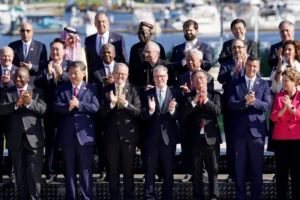
Canada’s revised tariff structure came after weeks of intense negotiations between Canadian Prime Minister Mark Carney and Chinese leadership, culminating in a mutually beneficial deal that also covers Canadian agricultural exports, particularly canola seeds, through tariff reductions on both sides. Before this agreement, Canada aligned with similar U.S. and EU policy by imposing a 100% tariff on imported Chinese EVs, aimed at protecting domestic automakers and aligning with allied trade barriers.
Under the new deal:
- Canada will now admit up to 49,000 Chinese electric vehicles per year at an import tariff rate of 6.1%, rising gradually to around 70,000 units over five years.
- Chinese tariffs on key Canadian agricultural products, notably canola, will be significantly reduced, opening broader export opportunities.
This structural shift illustrates Canada’s effort to balance fair competition with its own economic interest, as well as its desire to maintain stable relations with both China and Western partners. It also demonstrates that Canada is willing to diverge from the U.S. policy line in favor of autonomy in global trade decisions.
Why China’s EVs Are So Disruptive to Western Markets
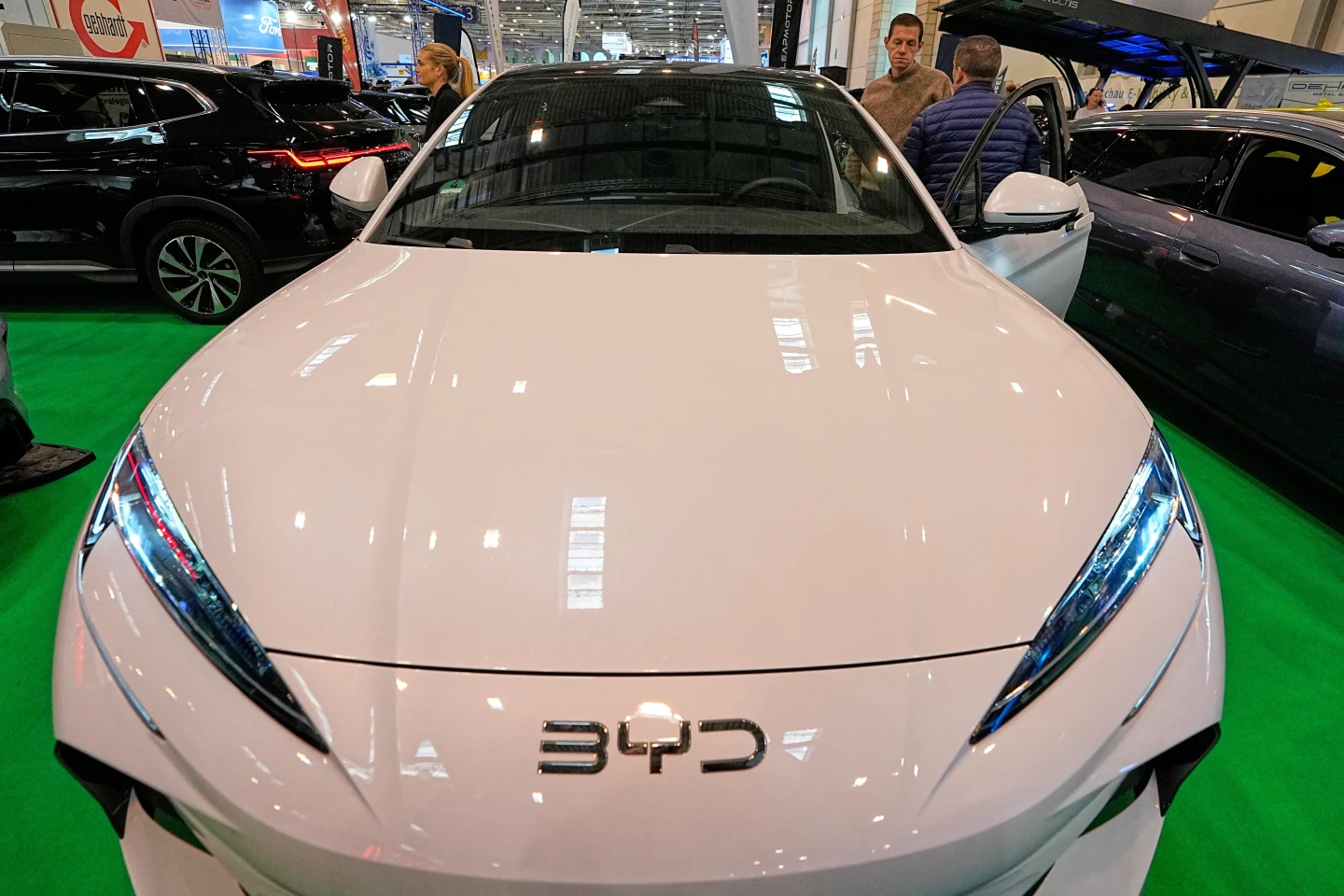
Chinese EV brands have rapidly ascended global auto sales charts, thanks to their combination of affordability, solid technology, and strong production scale. Some models now retail for well under $25,000 (USD) — dramatically cheaper than many comparable Western models — while still offering advanced features like connected vehicle systems. These low prices result from both government support and economies of scale unique to China’s EV ecosystem.
This disruptive approach has unsettled established automakers in North America and Europe, who have traditionally counted on higher-margin vehicles to drive profits. As China’s EV exports grow, global market shares are expected to shift, with some forecasts predicting that Chinese brands could capture up to 30% of worldwide EV sales by 2030 — a dramatic change from only a few years ago.
Moreover, Chinese battery and supply-chain strengths make their vehicles cost-competitive without sacrificing performance or safety, raising challenges for automakers heavily invested in expensive EV platforms that rely on costly components or incremental technology improvements.
Broader Trade and Geopolitical Implications
The Canada-China tariff deal carries weight far beyond automotive import percentages. It sits against a backdrop of broader trade tensions involving global powers, including the U.S. and its allies. While the U.S. government strongly protested Canada’s move — with officials characterizing it as “problematic” for North American industrial strategy — Canada has defended the agreement as a practical step to enhance affordability and competition at home.
This divergence reveals deeper friction within longstanding alliances:
- The United States has signaled concern that cheap imports from China could undercut its domestic EV manufacturing ambitions, even as U.S. tariffs and cybersecurity barriers keep direct Chinese access limited.
- Canada’s decision to pursue independent trade decisions underscores its desire to diversify away from sole dependence on U.S. markets, especially under shifting U.S. trade policies that have included threats to revisit or even withdraw from major agreements like USMCA.
In a global landscape where tariffs, economic national interests, and strategic partnerships are all increasingly intertwined, this EV tariff deal exemplifies how commodity-level policy moves can reflect broader diplomatic priorities.
Impact on Consumers, Automakers, and Innovation
For Canadian consumers, the cost of owning an electric vehicle could drop significantly, thanks to reduced tariffs making imported models cheaper. This expansion in consumer choice also places pressure on domestic automakers to innovate and compete on price and technology.
However, the change also presents risks:
- Canadian auto workers and manufacturers fear that cheaper foreign imports could erode local market share and jobs unless domestic producers accelerate competitiveness.
- Supply chains will need revision as import quantities rise — automakers may seek new manufacturing partnerships, localized parts production, or even assembly facilities tied to Chinese brands or cross-border manufacturing ventures.
Yet, this competition could also drive innovation. With greater diversity in vehicle design, battery technologies, and software integration, consumers may benefit as companies race to offer the best combination of affordability, range, and features.
What This Means for the Future of the Auto Industry
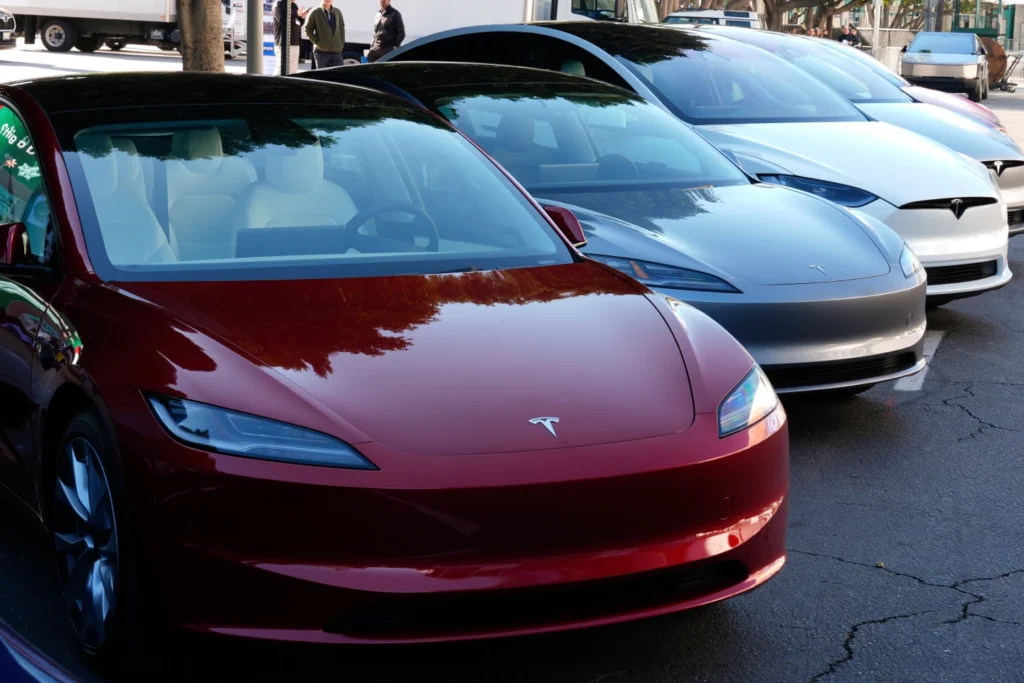
Canada’s bold tariff shift signals a turning point for the global automotive industry. No longer confined to domestic markets or bilateral trade disputes, the race for electric vehicle dominance now mirrors broader geopolitical shifts involving China, the U.S., Europe, and other major regions. Chinese automakers are no longer niche players — they are reshaping global competitive dynamics in ways that even industry giants like Tesla and VW cannot ignore.
Key future trends likely to accelerate because of this agreement include:
- Expanded market access for Chinese technology in Western markets, further challenging established auto companies.
- Potential partnerships and joint ventures between Chinese and Western manufacturers.
- Investment shifts toward battery production and software platforms designed for future mobility solutions.
These shifts will not only influence who sells the most cars — they will also determine who leads the next era of transportation innovation.
Expert Reactions and Economic Forecasts
Industry analysts and trade experts are watching Canada’s decision very closely:
- Some see the move as pragmatic policymaking designed to prioritize consumer cost savings and market competition.
- Others warn that this shift — especially amid tensions involving defense, data security, and industrial strategy — might have unintended political and economic consequences if not balanced carefully with domestic industrial policy.
Global markets have reacted positively to the news, with EV stock sectors and related supply chain industries showing increased investor interest, especially in battery production and EV components. At the same time, economists caution that Chinese export pressure could intensify cost competition, pressuring Western automakers already investing heavily to electrify their fleets.
What Canada’s EV Tariff Move Truly Represents
Canada’s decision to cut tariffs on Chinese electric vehicles from 100% to 6.1% marks a major pivot toward trade autonomy, competition-driven markets, and broader global EV accessibility. It reveals how economic strategy can be leveraged not only for consumer benefit but also for diplomatic and industrial positioning in a rapidly changing world.
This move will likely reshape North American auto markets, challenge conventional trade alliances, and push manufacturers to rethink how they innovate, price, and compete. For consumers, it could mean more affordable electric vehicles and faster adoption of sustainable technologies. For policymakers and business leaders, it underscores the importance of flexibility, foresight, and strategic negotiation in global economic leadership.
Subscribe to trusted news sites like USnewsSphere.com for continuous updates.