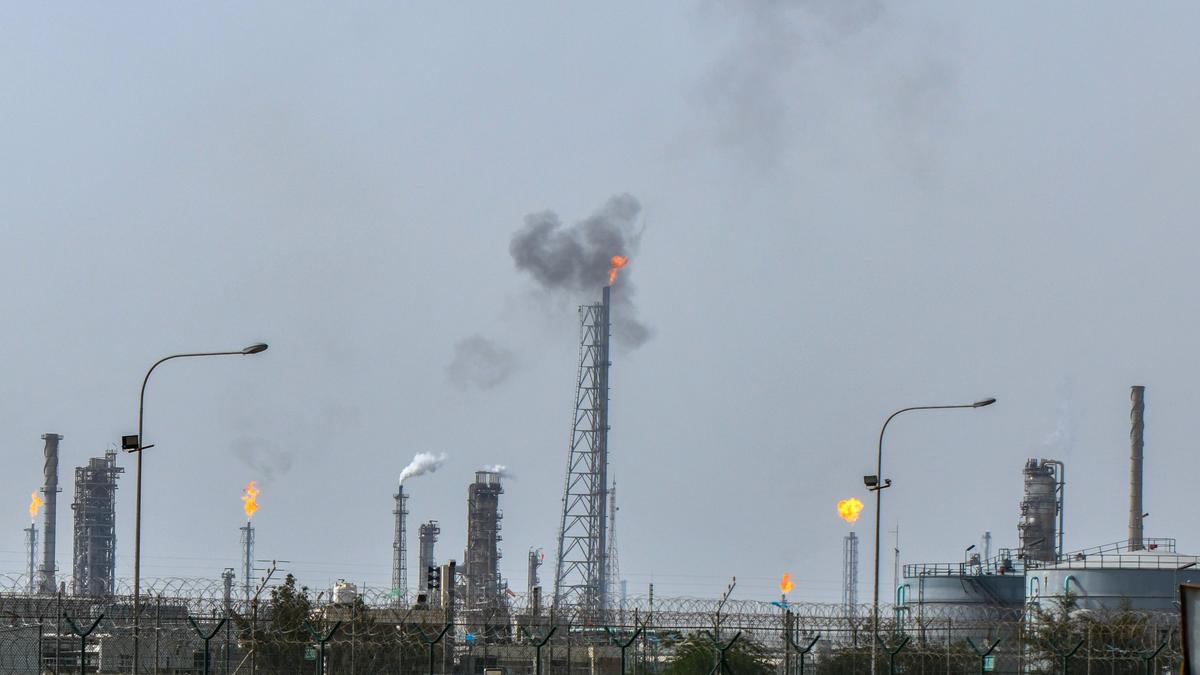
The Kuwait Petroleum Corporation drone attack has triggered global concern after reports confirmed severe infrastructure damage following an alleged Iranian drone strike, raising serious questions about energy security, geopolitical stability, and oil supply risks. Early reports indicate that critical facilities were impacted, potentially disrupting production and export operations. This incident matters now because global oil markets are already sensitive due to ongoing regional tensions, and any disruption from Kuwait—a key oil producer—can influence fuel prices worldwide, especially in the United States and Europe.

What Happened at Kuwait Petroleum Corporation Facilities
Reports suggest that key infrastructure linked to Kuwait’s national oil operations suffered significant damage after a suspected drone attack. While full technical details are still emerging, early assessments indicate that the strike targeted sensitive production or storage facilities, which are vital for maintaining steady oil output.
Kuwait Petroleum Corporation plays a central role in global energy supply, producing around 2.5 to 3 million barrels of oil per day. Even a temporary disruption can ripple across international markets. Officials are currently evaluating the extent of damage and working to restore operations, but initial signs suggest repairs may take time depending on the severity of structural and operational impact.
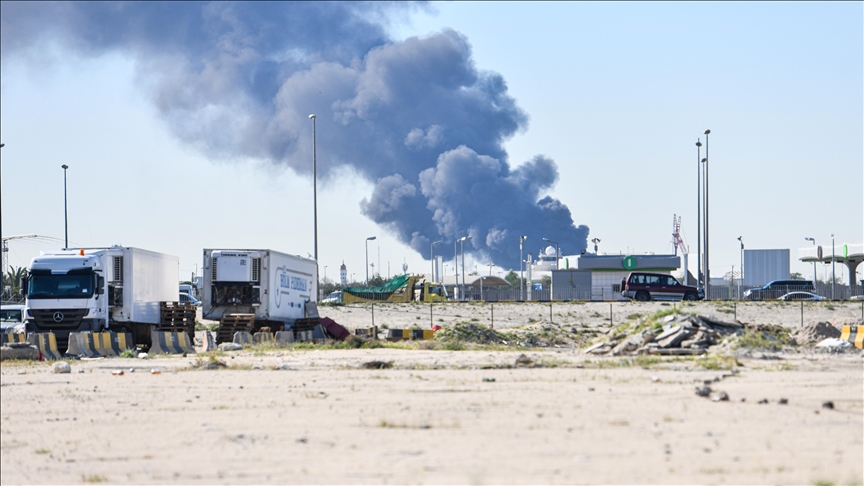
Why This Attack Is Being Linked to Iran
The drone attack has been widely attributed to Iranian involvement based on regional intelligence patterns and previous incidents involving similar tactics. Iran has been linked to drone and missile attacks targeting energy infrastructure in the Gulf region in the past, particularly during periods of heightened geopolitical tensions.
While no official confirmation has been universally accepted yet, analysts believe this incident aligns with ongoing strategic pressure in the Middle East. If confirmed, it would mark another escalation in regional conflict dynamics, potentially affecting diplomatic relations and increasing military readiness across neighboring countries.
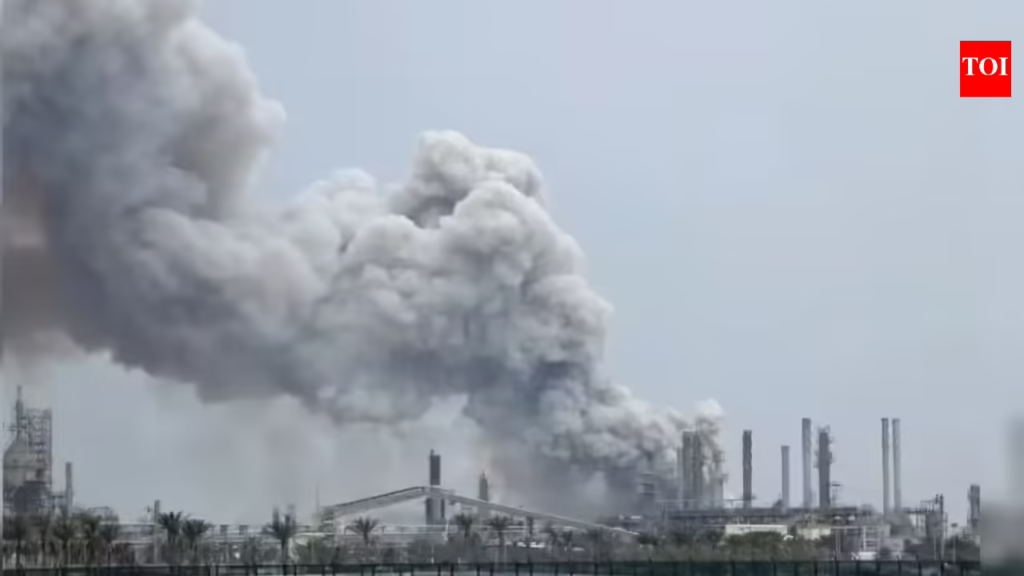
Impact on Global Oil Prices and Energy Markets
The immediate concern following the Kuwait Petroleum Corporation drone attack is its potential effect on global oil supply. Kuwait is one of the key members of OPEC, and any disruption to its production can tighten supply in already volatile markets.
Historically, similar incidents—such as attacks on Saudi oil facilities—have led to sudden spikes in oil prices. Even the perception of risk can push crude oil prices higher. For U.S. consumers, this could mean increased gasoline prices, while European markets may also face additional energy cost pressures.
Energy traders and investors are closely monitoring developments, as prolonged disruptions could lead to sustained price increases and supply chain instability.
Why This Matters Now for the United States and Global Economy
This situation is especially critical for the United States and its allies because energy markets are deeply interconnected. Any instability in the Middle East directly affects global oil benchmarks like Brent crude, which influences fuel prices worldwide.
The timing is particularly sensitive as economies are still managing inflation concerns and energy transition challenges. A disruption in oil supply could slow economic recovery, increase transportation costs, and impact industries ranging from aviation to manufacturing.
Additionally, geopolitical tensions in oil-producing regions can lead to increased defense spending, market uncertainty, and investor caution—factors that directly affect global financial stability.
Security Concerns and Future Risk of Drone Warfare
The attack highlights the growing threat of drone warfare in modern conflicts. Compared to traditional military strikes, drones are relatively low-cost but highly effective in targeting critical infrastructure.
This raises concerns for not just Kuwait but all major oil-producing nations. Governments and energy companies may now need to invest heavily in advanced air defense systems, surveillance technologies, and cybersecurity measures to protect vital assets.
The increasing use of drones in geopolitical conflicts represents a shift in warfare tactics, making energy infrastructure more vulnerable than ever before.
What Happens Next: Recovery, Investigation, and Market Reaction
Authorities in Kuwait are expected to conduct a full investigation into the attack, including forensic analysis and international coordination. Recovery efforts are already underway, with teams working to restore damaged facilities and ensure production stability.
In the coming days, markets will react based on updates regarding operational capacity and geopolitical developments. If tensions escalate further, oil prices could remain volatile, and global markets may experience increased uncertainty.
Investors, policymakers, and energy companies will be watching closely for official statements, production updates, and any signs of further conflict escalation.
This developing situation is not just a regional issue—it has global implications for energy security, economic stability, and geopolitical relations. As more details emerge, its full impact will become clearer, but one thing is certain: the world is watching closely.
Subscribe to trusted news sites like USnewsSphere.com for continuous updates.