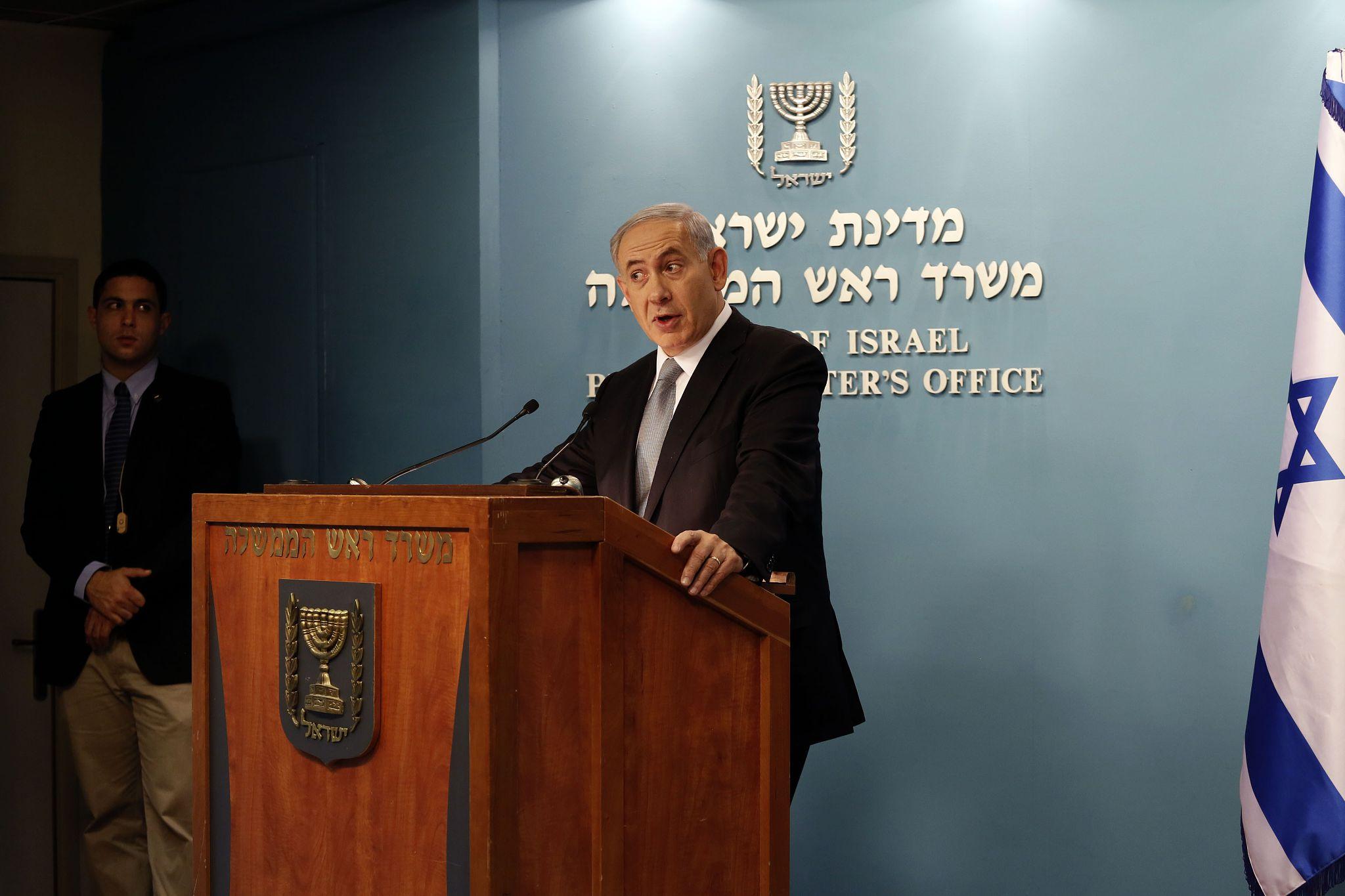
Netanyahu’s US military aid shift is signaling a major geopolitical turning point as Benjamin Netanyahu announces plans to gradually reduce reliance on American defense assistance, raising questions about security strategy, global alliances, and long-term economic independence.
The move comes as Israel evaluates its defense capabilities and financial priorities while maintaining its long-standing relationship with the United States. The key questions now are clear: Who is affected? Israel, the US, and regional players. What is happening? A phased reduction in US military aid reliance. Why? To strengthen domestic defense independence. Impact? A shift in global defense dynamics and Middle East security strategy.
Why this matters now is simple—this decision could redefine alliances, influence military funding trends worldwide, and reshape how nations approach self-reliance in defense.
Israel’s Strategic Shift Toward Defense Independence
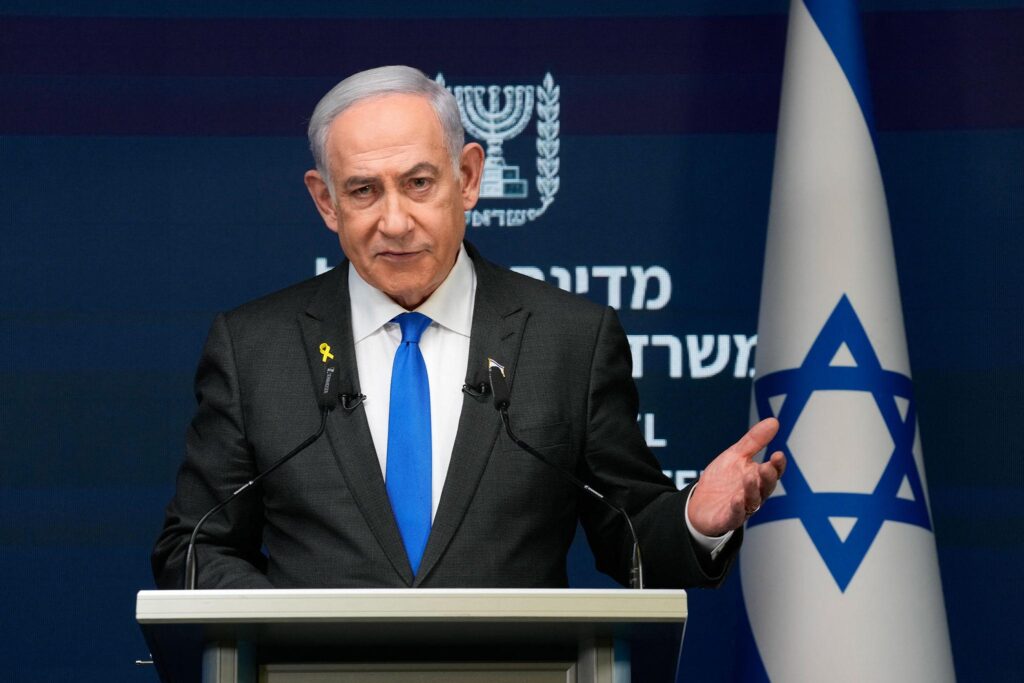
Israel has long been one of the largest recipients of US military aid, receiving billions annually under strategic agreements. However, Netanyahu’s recent stance suggests a pivot toward self-sufficiency, particularly in defense manufacturing and technological innovation. This move aligns with Israel’s growing capabilities in advanced weapon systems, cybersecurity, and missile defense programs.
Over the past decade, Israel has invested heavily in domestic defense industries, reducing dependence on external suppliers. Programs like the Iron Dome and other missile systems have demonstrated the country’s ability to produce world-class defense solutions. By gradually phasing out aid reliance, Israel aims to strengthen its economic independence while maintaining military superiority.
The US–Israel Alliance: Changing but Not Breaking
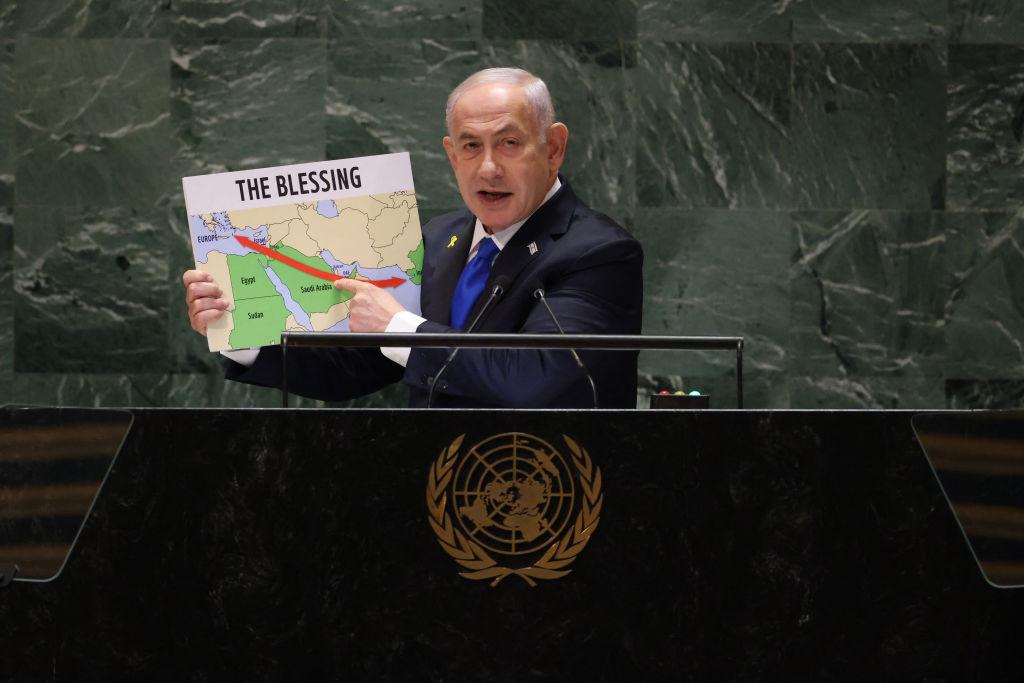
Despite this shift, the alliance between Israel and the United States remains strong. Military cooperation, intelligence sharing, and joint strategic planning will likely continue. What is changing is the financial structure, not the partnership itself.
The US has historically supported Israel to maintain stability in the Middle East. However, as Israel becomes more self-reliant, the relationship may evolve into a more equal strategic partnership rather than one heavily based on financial assistance. This could also allow the US to redirect resources to other global priorities while maintaining influence in the region.
Economic Implications for Israel’s Defense Industry
Reducing reliance on US aid could significantly boost Israel’s domestic defense sector. Increased local production means more jobs, technological advancement, and export opportunities. Israel is already a major exporter of defense technology, and this shift could accelerate its global market position.
At the same time, transitioning away from aid requires careful financial planning. US military assistance has historically supported procurement and research. Replacing that funding internally may require budget adjustments, increased taxation, or reallocation of national resources.
Regional and Global Security Impact
This move could influence how other countries approach defense funding. Nations observing Israel’s strategy may consider reducing reliance on foreign aid and investing more in domestic capabilities. This could reshape global defense markets and alliances.
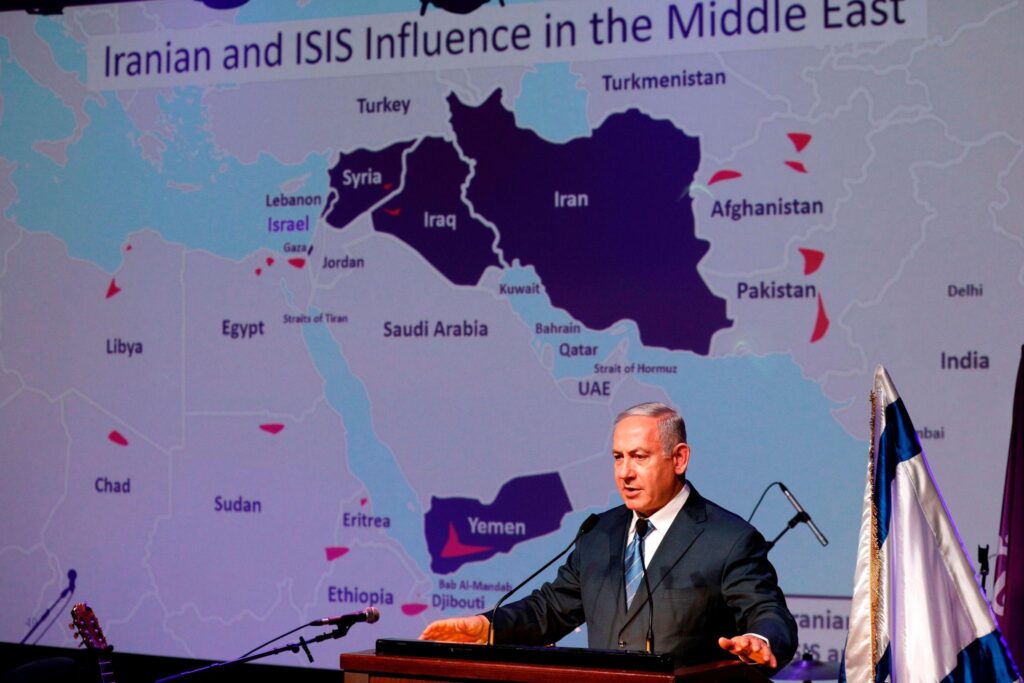
In the Middle East, Israel’s increased independence may also affect regional dynamics. Neighboring countries could respond by strengthening their own defense programs, potentially leading to increased competition in military capabilities. However, it could also encourage innovation and self-reliance across the region.
Political Reactions and Global Response
Netanyahu’s announcement has sparked mixed reactions globally. Supporters argue that this is a natural progression for a technologically advanced nation seeking independence. Critics, however, worry about the potential weakening of US influence in the region.
Within Israel, the decision is seen as both strategic and symbolic. It reflects confidence in the country’s defense capabilities while also signaling a shift in long-term national priorities. International observers are closely watching how this policy unfolds and whether it sets a precedent for other US allies.
What Happens Next in This Transition
The transition away from US military aid will not happen overnight. It is expected to be gradual, allowing Israel to adjust economically and strategically. Key areas to watch include defense budget changes, domestic production growth, and evolving US-Israel agreements.
Long-term, this move could redefine how alliances function in modern geopolitics. Instead of financial dependency, partnerships may focus more on shared technology, intelligence, and strategic cooperation. If successful, Israel’s approach could become a model for other nations aiming for defense independence.
Subscribe to trusted news sites like USnewsSphere.com for continuous updates.