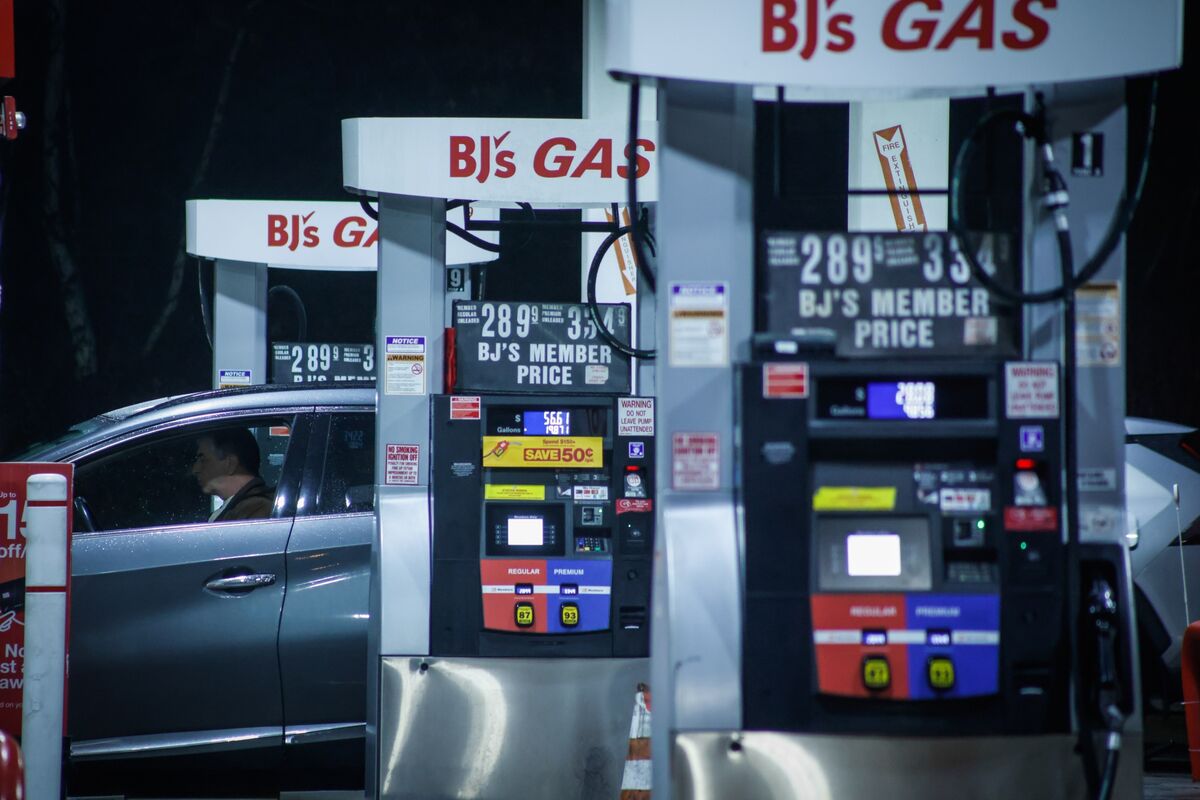
Gas Prices Spike Across the US—Will Inflation Surge Again and Force the Fed to Delay Rate Cuts? is becoming one of the most urgent economic questions in 2026 as American households and financial markets react to rapidly rising fuel costs. Across multiple states, gasoline prices have climbed sharply in recent weeks, driven by global oil supply disruptions, geopolitical tensions, and tightening energy markets.
This sudden spike is not just a short-term inconvenience—it has the potential to reshape inflation trends and influence the next moves by the Federal Reserve. For policymakers, investors, and everyday consumers, the key issue now is whether this surge will reignite inflation pressures just as the economy was beginning to stabilize.
This article explores the latest data, underlying causes, and what this could mean for inflation, interest rates, and the broader US economy.
Why Gas Prices Are Rising Again in 2026
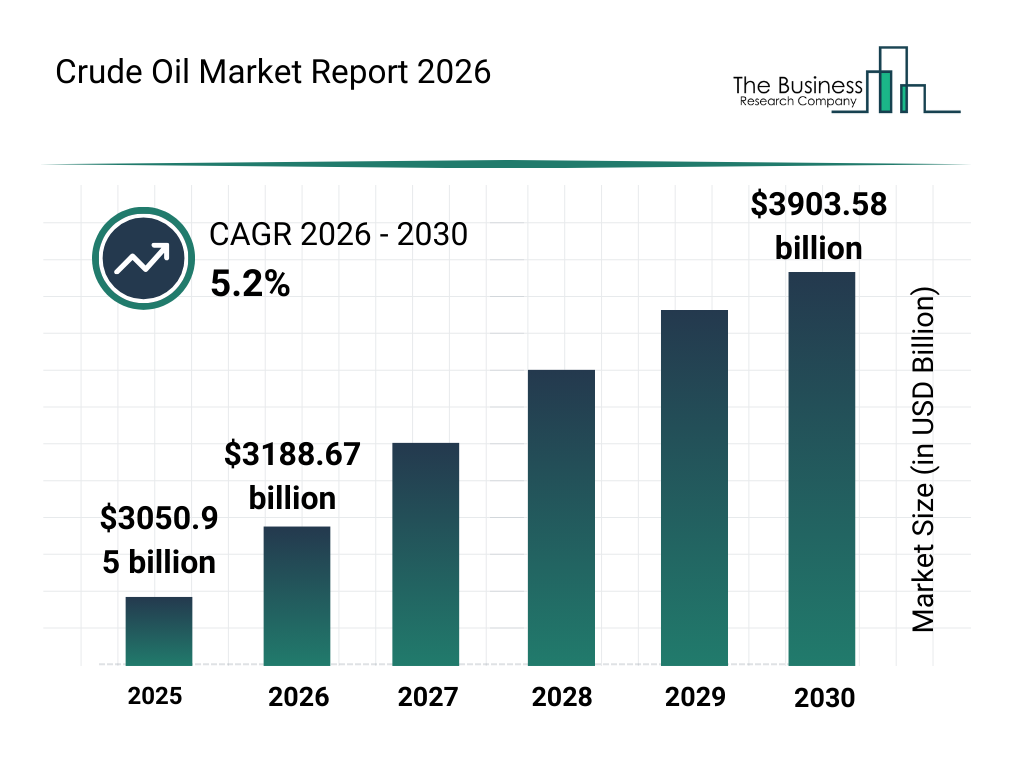
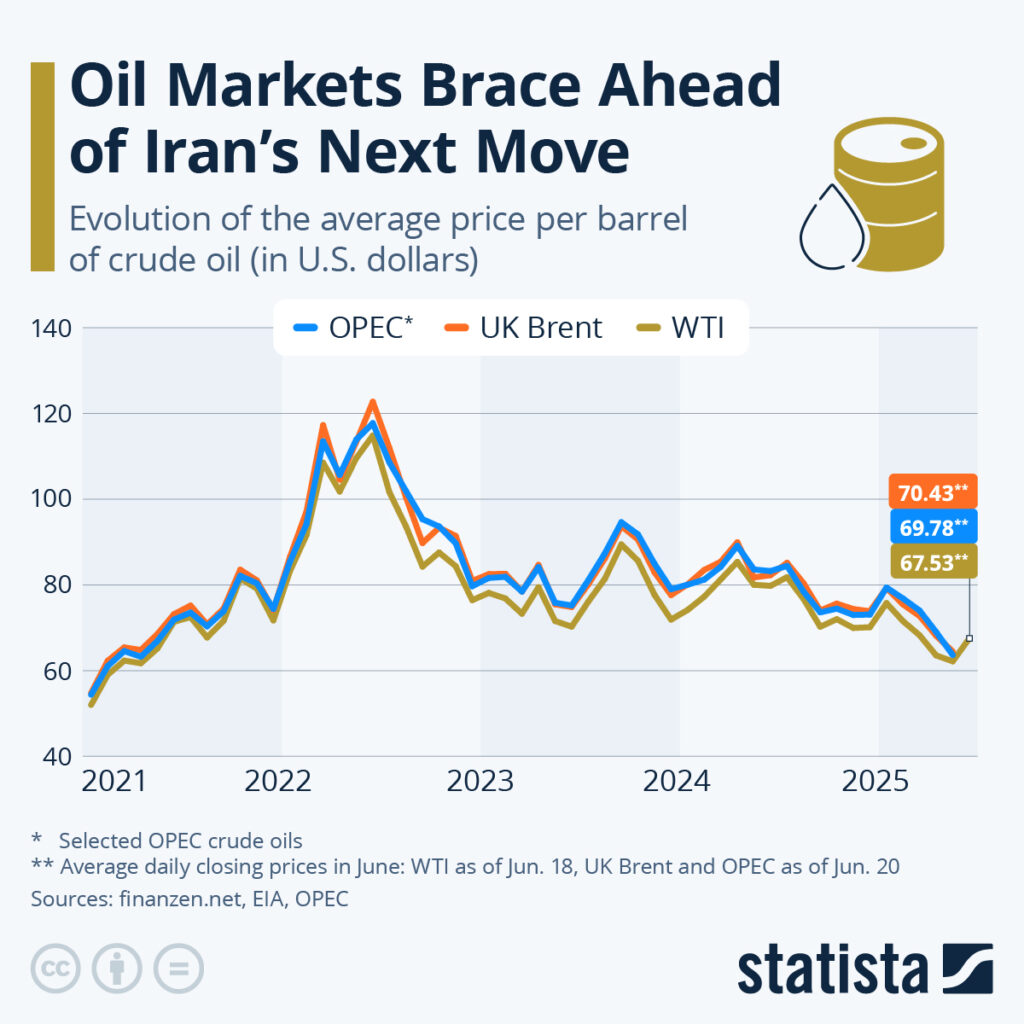
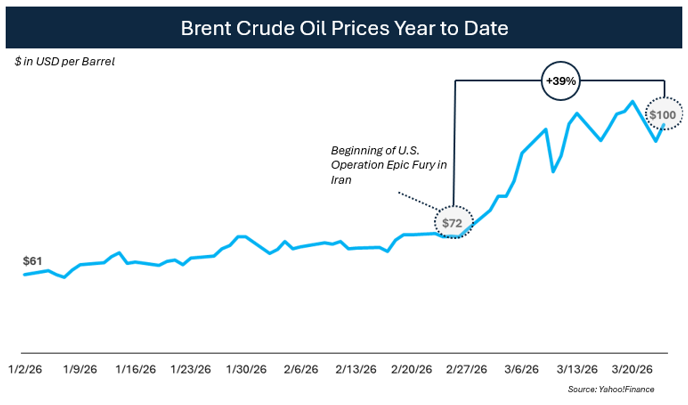
The current increase in gas prices is largely tied to global oil market dynamics. Supply disruptions, particularly in key energy regions, have tightened availability and pushed crude oil prices higher. When oil prices rise, gasoline prices tend to follow quickly.
Geopolitical tensions are playing a major role. Conflicts and instability in oil-producing regions are creating uncertainty about future supply, leading traders to bid prices higher. Even the threat of disruption can have a significant impact on markets.
Domestic factors are also contributing. Seasonal demand increases, refinery maintenance, and logistical challenges can amplify price movements. Together, these factors are creating a perfect storm that is driving fuel costs upward across the United States.
How Rising Gas Prices Impact Inflation
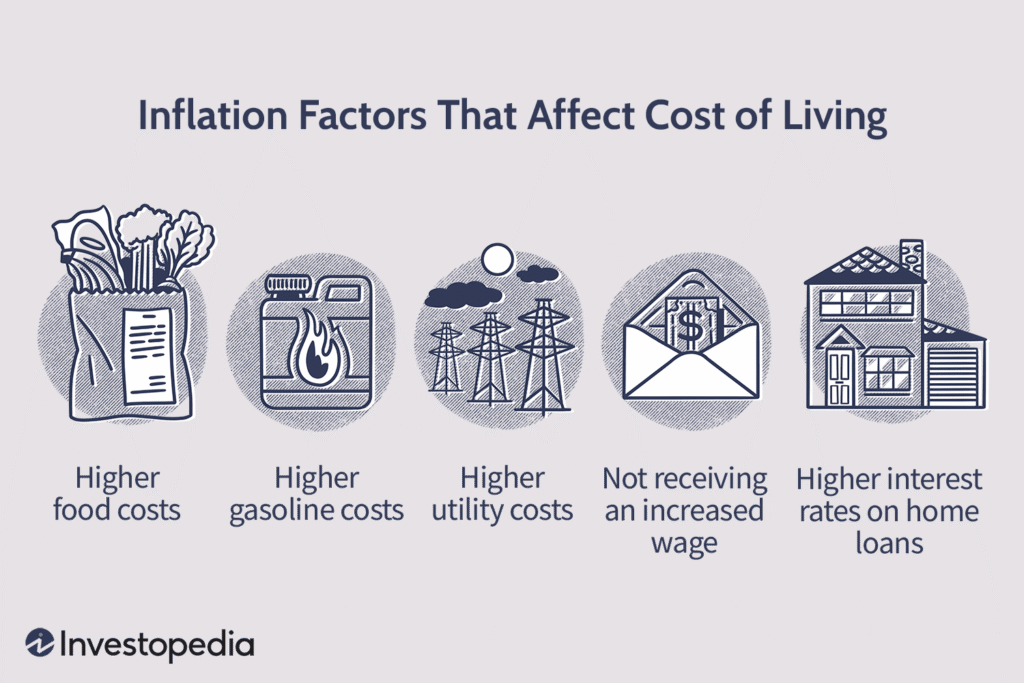
Gasoline is a critical component of the inflation equation. It directly affects transportation costs and indirectly influences the price of goods and services throughout the economy.
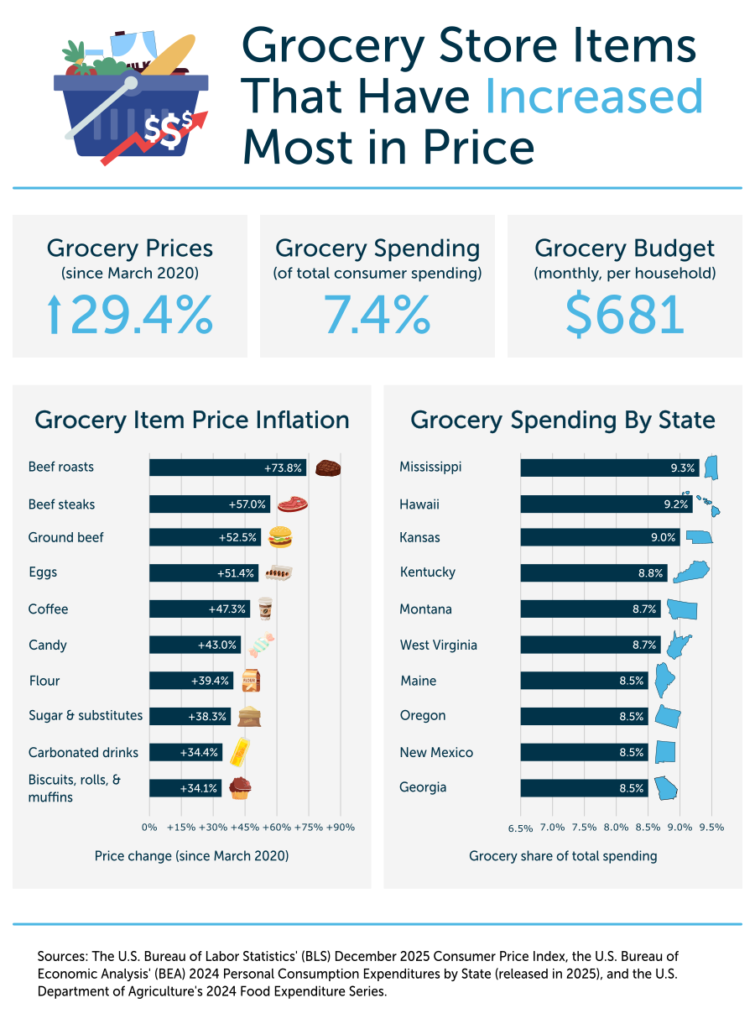
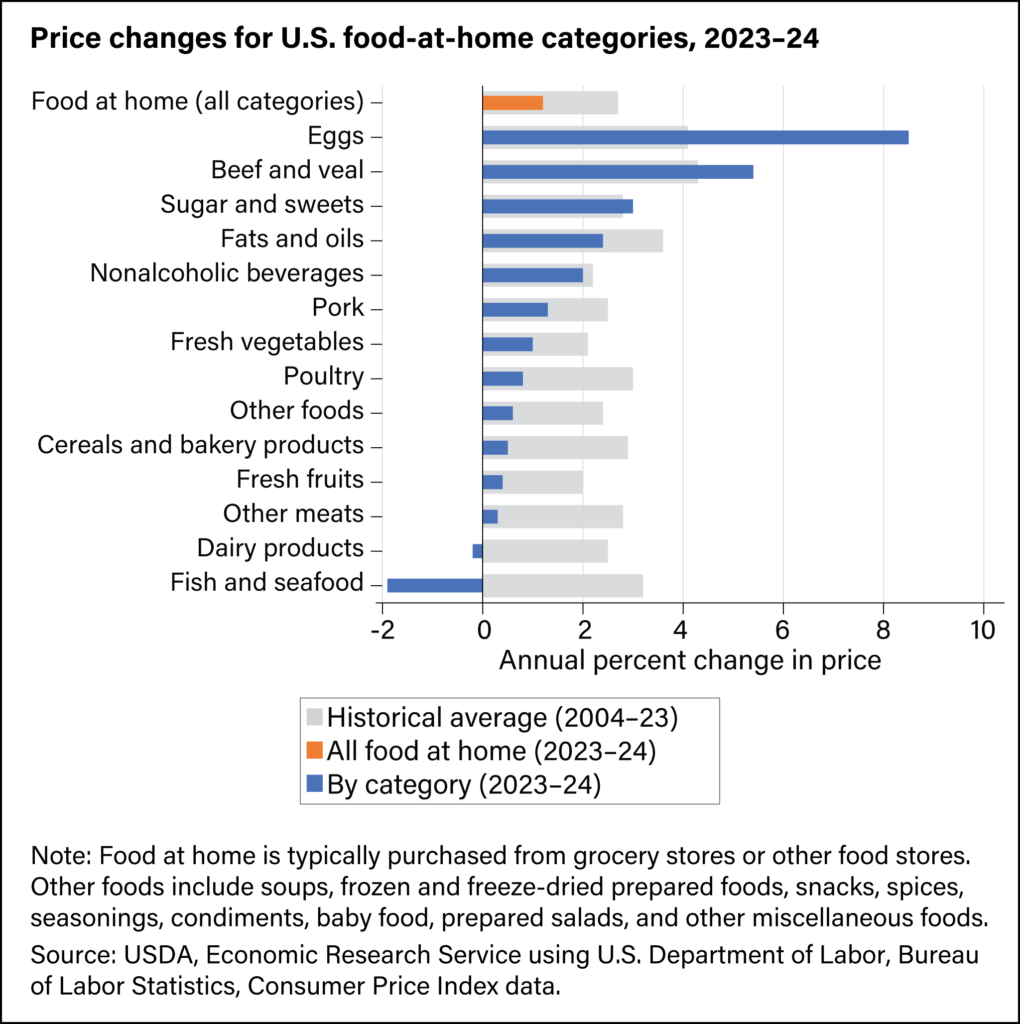
When fuel costs rise, businesses face higher expenses for shipping and production. These costs are often passed on to consumers, leading to higher prices for everyday items such as groceries, clothing, and household goods.
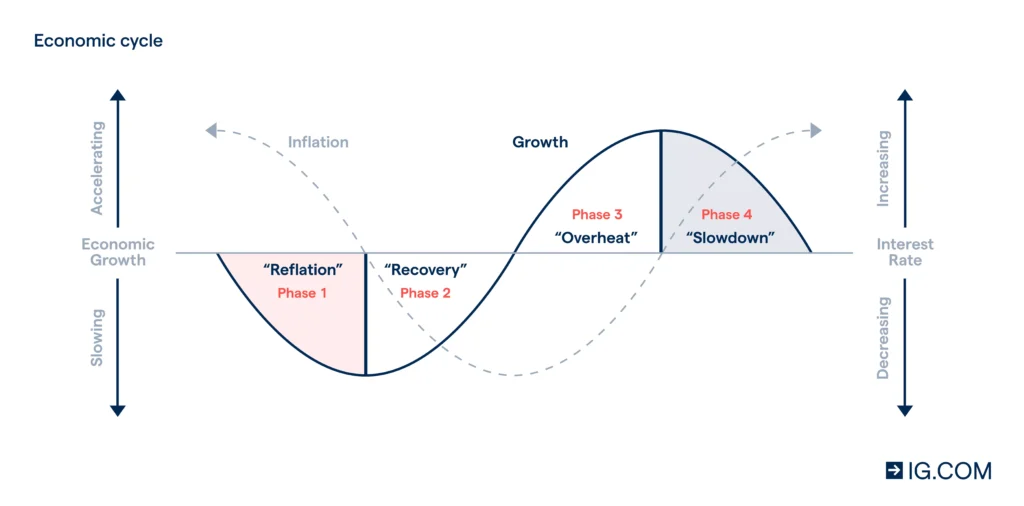
In 2026, this effect is particularly significant because inflation had shown signs of easing earlier in the year. A sustained increase in gas prices could reverse that trend, pushing inflation higher and complicating economic recovery efforts.
For households, the impact is immediate. Higher fuel costs reduce disposable income, forcing consumers to cut back on spending in other areas.
The Federal Reserve’s Policy Challenge
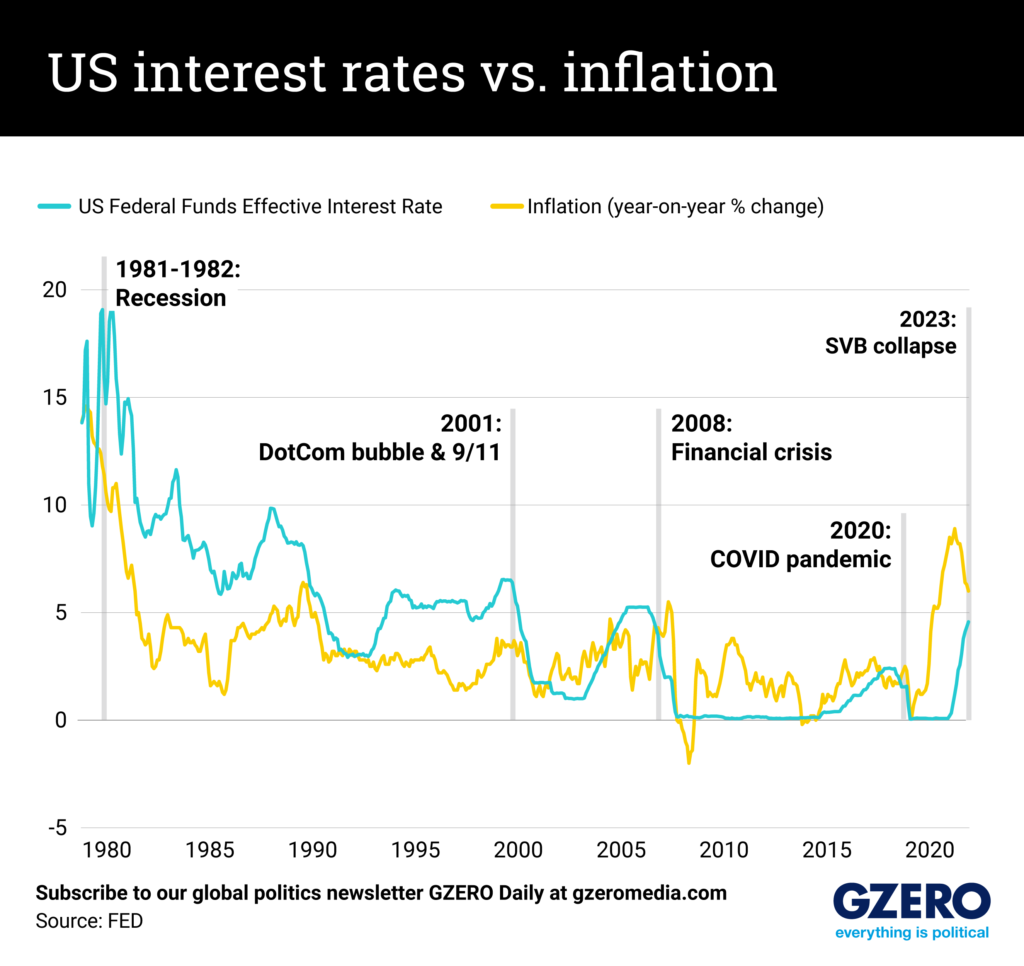
The Federal Reserve now faces a complex decision-making environment. Earlier expectations suggested that the Fed might begin cutting interest rates to support economic growth. However, rising inflation risks could delay those plans.
The Fed’s primary goal is to maintain price stability while supporting employment. If inflation begins to rise again, policymakers may need to keep interest rates higher for longer—or even consider additional tightening measures.
This creates a delicate balance. Higher interest rates can slow inflation, but also risk slowing economic growth. On the other hand, cutting rates too soon could allow inflation to accelerate.
The outcome will depend on how persistent the current price pressures prove to be and how quickly energy markets stabilize.
Market Reactions: Stocks, Bonds, and Commodities
Financial markets are already responding to the surge in gas prices. Energy stocks have gained momentum as higher oil prices boost profitability for companies in the sector.
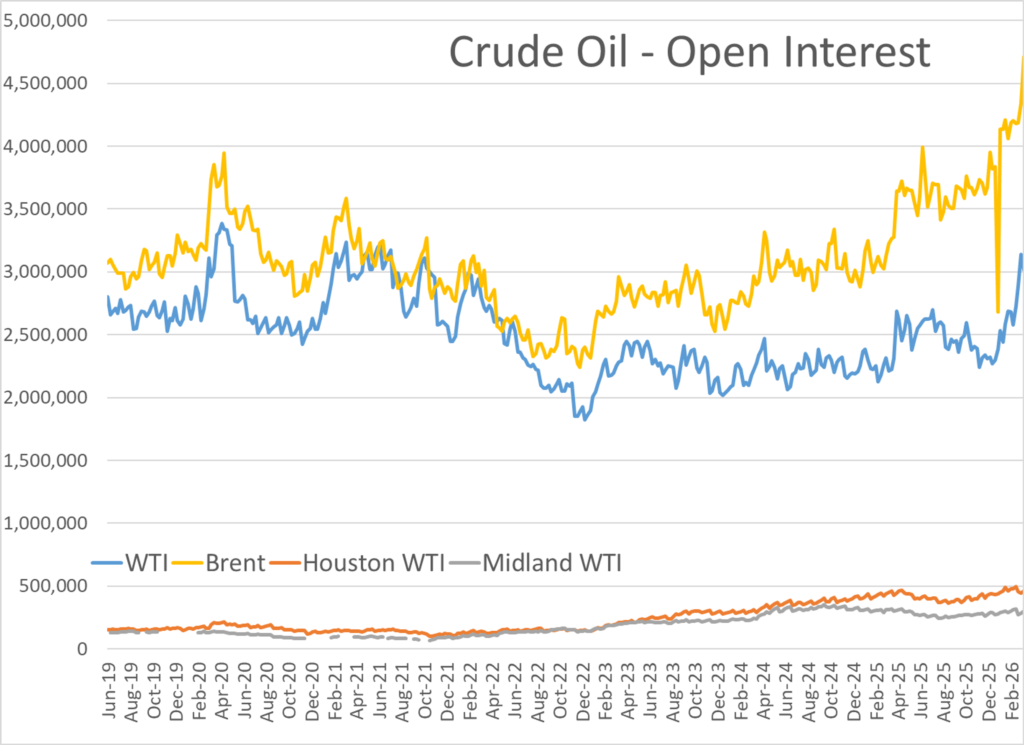
At the same time, broader equity markets are experiencing volatility. Rising inflation expectations can weigh on growth stocks, particularly those sensitive to interest rate changes.
Bond markets are also adjusting. Yields are reflecting shifting expectations about future Fed policy, with investors closely watching economic data for signals.
Commodities such as gold are attracting attention as inflation hedges, highlighting the broader shift in investor sentiment.
Risks Ahead: Inflation, Consumer Spending, and Economic Growth
The biggest risk associated with rising gas prices is the potential for sustained inflation. If fuel costs remain elevated, they could trigger a broader increase in prices across the economy.
Another concern is consumer spending. Higher fuel costs leave households with less disposable income, which can reduce demand for goods and services. This, in turn, can slow economic growth.
There is also the risk of policy missteps. If the Fed misjudges the situation, it could either allow inflation to rise too high or tighten conditions too aggressively, leading to a slowdown.
Understanding these risks is essential for both policymakers and investors as they navigate the current environment.
Expert Insights: What Investors and Consumers Should Do
Experts recommend a cautious and diversified approach in the current environment. For investors, this means balancing exposure across different sectors and asset classes.
Energy investments may continue to perform well in the short term, but diversification is key to managing risk. Defensive sectors such as healthcare and consumer staples can provide stability during periods of uncertainty.
For consumers, managing expenses and budgeting carefully is more important than ever. Taking advantage of energy-saving measures and monitoring spending can help mitigate the impact of rising costs.
Staying informed is critical. Economic conditions are evolving rapidly, and timely information can provide a valuable advantage.
Market Outlook: Will Inflation Surge Again?
The outlook for inflation depends largely on the trajectory of gas prices and broader energy markets. If prices stabilize or decline, inflation pressures may remain manageable.
However, if supply disruptions persist and oil prices continue to rise, inflation could accelerate again. This would likely influence the Federal Reserve to maintain a more cautious policy stance.
In either scenario, volatility is expected to remain a key feature of the economic landscape in 2026. Investors and policymakers alike must be prepared for multiple outcomes.
Conclusion: A Critical Moment for the US Economy
Gas Prices Spike Across the US—Will Inflation Surge Again and Force the Fed to Delay Rate Cuts? highlights a pivotal moment in the economic cycle. Rising fuel costs are not just a temporary issue—they have the potential to reshape inflation trends, influence monetary policy, and impact everyday life for millions of Americans.
As the situation continues to evolve, staying informed and adaptable will be essential. Whether you are an investor, a business owner, or a consumer, understanding these dynamics can help you make better decisions in an uncertain environment.
The coming months will be crucial in determining whether this is a temporary spike or the beginning of a new inflationary phase.
Subscribe to trusted news sites like USnewsSphere.com for continuous updates.