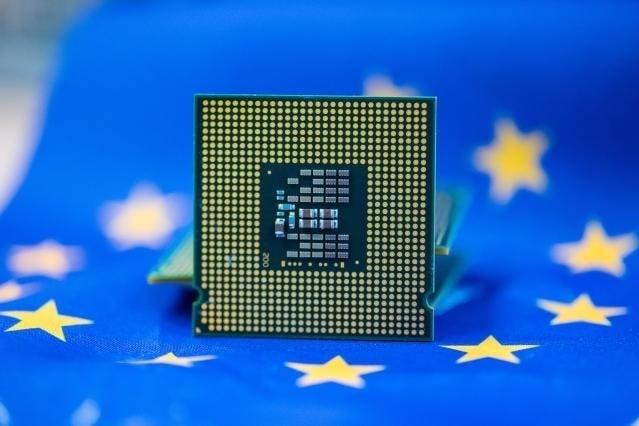
Can Europe Rejoin the International Tech Race? That question is becoming increasingly important as the European Union launches new initiatives to strengthen its position in artificial intelligence, semiconductor manufacturing, cloud computing, and advanced digital infrastructure.
Europe has long been known for world-class research, engineering talent, and scientific innovation. However, over the last decade, the United States and China have established dominant positions in many of the technologies shaping the global economy. Today, European leaders, technology executives, and policymakers are debating whether the continent can close that gap and become a major technology powerhouse again.
The answer may depend on how successfully Europe transforms research into globally competitive businesses while reducing barriers that have historically slowed innovation and investment.

Why Europe Is Falling Behind in the Global Technology Race
Europe continues to produce some of the world’s leading researchers, universities, and technology talent. Yet many startups struggle to scale into global giants. While American companies dominate cloud computing, AI platforms, and digital services, Chinese firms continue expanding their influence across artificial intelligence, manufacturing, and next-generation infrastructure.
One of the biggest challenges facing Europe is market fragmentation. Unlike the United States, where companies can rapidly expand across a single large market, European startups often face different regulations, languages, tax systems, and funding environments across member states. Industry experts argue that this complexity makes it harder for innovative companies to grow into global leaders.
Recent assessments from European technology leaders have acknowledged that Europe largely missed the first wave of dominance in cloud computing and frontier AI models. However, many believe that future technologies such as quantum computing, industrial AI, advanced semiconductors, and green technology still offer Europe opportunities to compete.
Europe’s Massive Push Into AI, Chips, and Digital Infrastructure
The European Union is now responding with one of its most ambitious technology strategies in years.
New proposals focus on expanding European AI infrastructure, boosting domestic semiconductor production, and increasing data-center capacity. Policymakers want to reduce dependence on foreign technology providers while creating stronger conditions for European innovation.
Officials are also discussing measures designed to encourage greater use of European-made digital products in critical sectors such as healthcare, finance, energy, and public services. The broader objective is often described as “tech sovereignty” — ensuring Europe maintains control over critical technologies that support its economy and national security.
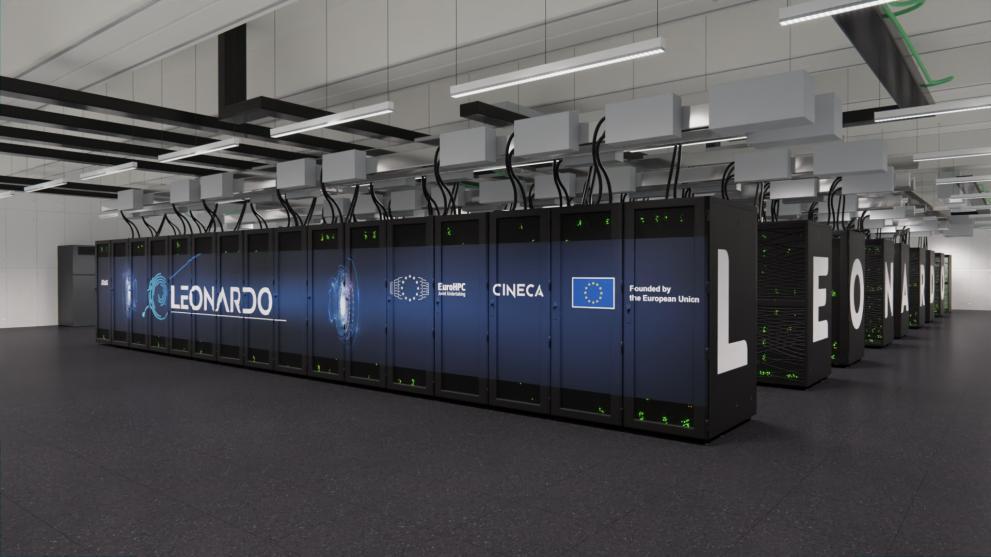
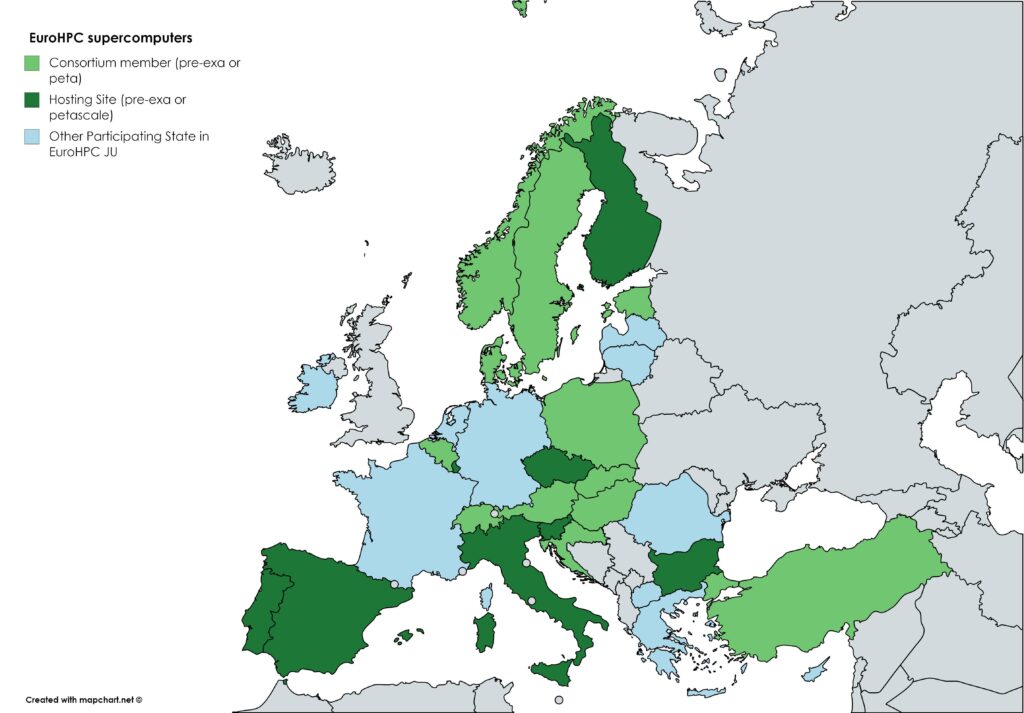
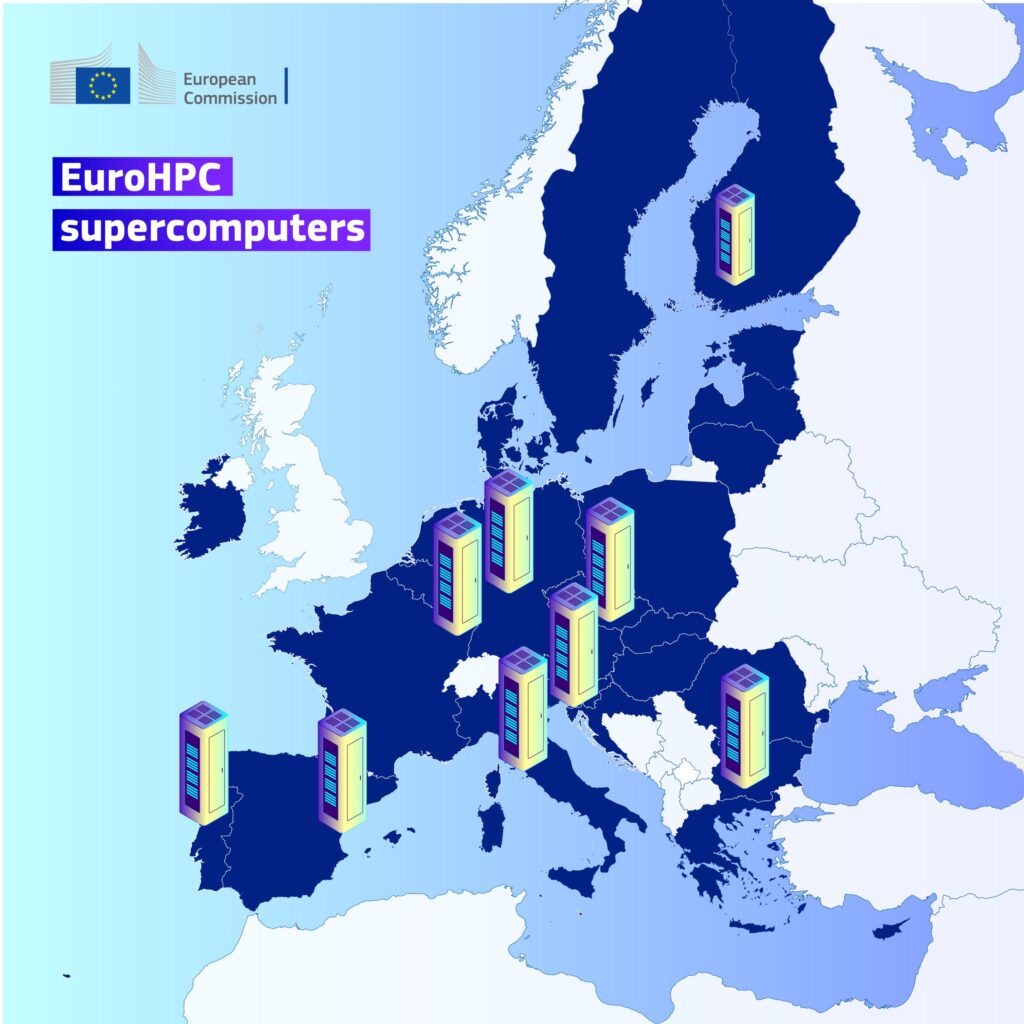
Several initiatives are already underway. Europe has announced AI factories, expanded supercomputing programs, and increased funding for semiconductor manufacturing. New investments in data centers and AI computing facilities are also being planned across multiple countries.
The Growing AI Battle Between Europe, America, and China
Artificial intelligence has become the most visible technology competition of the decade.
The United States currently leads in advanced AI model development, venture capital investment, and AI infrastructure. China remains a major force due to government-backed investment programs, manufacturing strength, and rapidly growing AI adoption.
Europe’s challenge is unique. While it produces highly skilled AI researchers and engineers, many of them eventually move abroad where funding opportunities are larger and commercial ecosystems are more mature. Industry analysts frequently point to the region’s difficulty in retaining talent and scaling successful startups.
Despite these challenges, Europe maintains strengths in industrial automation, advanced manufacturing, healthcare technology, robotics, and scientific research. Many experts believe these sectors could become major advantages as AI adoption expands into the broader economy.
Rather than directly replicating Silicon Valley’s model, Europe may focus on applying AI to industries where it already has strong global leadership positions.
Investment Is Increasing Across Europe’s Tech Ecosystem
One encouraging sign for Europe is the growing amount of investment flowing into advanced technology projects.
Recent announcements include multi-billion-euro investments in AI infrastructure, research campuses, semiconductor development, and cloud services. Major investors and governments are increasingly viewing digital infrastructure as a strategic priority rather than simply a commercial opportunity.
European technology hubs are also showing renewed momentum. London recently regained its position as Europe’s leading technology ecosystem according to startup and investment rankings, driven largely by artificial intelligence and deep-tech innovation.
Meanwhile, European semiconductor companies continue to play critical roles in the global supply chain. Firms specializing in advanced chip technologies and manufacturing equipment remain among the continent’s most valuable technology assets.
Why This Matters Now
The next decade could determine whether Europe remains primarily a consumer of foreign technology or becomes a major creator of it.
Artificial intelligence, quantum computing, cloud infrastructure, semiconductors, and advanced manufacturing are expected to shape economic growth, productivity, national security, and global competitiveness. Countries that lead these industries will likely enjoy significant economic advantages.
European leaders increasingly believe that relying too heavily on foreign technology providers creates strategic risks. As geopolitical tensions rise and digital infrastructure becomes more important, governments want greater control over critical systems and data.
For businesses, investors, and consumers, Europe’s technology strategy could influence everything from AI innovation and cloud services to future job creation and economic growth.
Can Europe Really Make a Comeback?
Europe’s path back into the global technology race will not be easy. The continent still faces challenges related to funding, regulatory complexity, market fragmentation, and competition from larger technology ecosystems.
However, Europe also possesses significant strengths. Its universities, research institutions, industrial base, engineering talent, and growing commitment to technology investment provide a foundation for future growth.
Success will likely depend on whether policymakers can create a more unified market, attract investment, retain top talent, and accelerate the commercialization of innovation. If those pieces come together, Europe may not only participate in the next technology revolution—it could help lead it.
The coming years will reveal whether Europe’s latest technology push becomes a turning point or another missed opportunity in the increasingly competitive global innovation race.
Subscribe to trusted news sites like USnewsSphere.com for continuous updates.