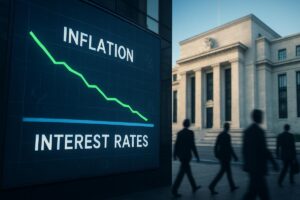
Interest Rates Outlook: Why the Fed May Keep Rates Higher for Longer After Market Turmoil is now one of the most important financial topics for investors in 2026, as recent market volatility, rising oil prices, and persistent inflation risks are forcing the Federal Reserve to rethink its path toward rate cuts.
Over the past week, sharp swings in US stock markets combined with geopolitical tensions and surging energy costs have created a more uncertain economic environment. While many investors previously expected rate cuts in 2026, the latest data suggests the Federal Reserve may hold interest rates higher for longer to prevent inflation from resurging.
This shift has major implications—not only for Wall Street, but also for everyday consumers, businesses, and global financial markets.
Market Turmoil Is Changing the Federal Reserve’s Strategy
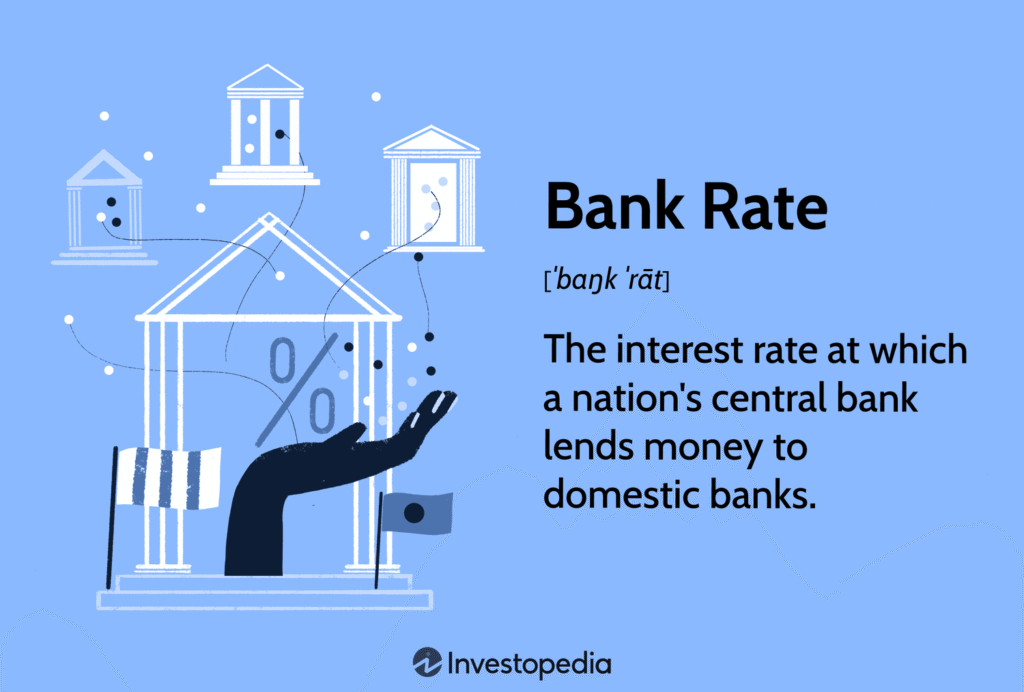
Recent market turbulence has significantly altered expectations around monetary policy. The Dow Jones experienced steep declines, volatility indices surged, and investor sentiment weakened as geopolitical tensions intensified.
When markets become unstable, central banks often face a difficult balancing act. On one side, they must support economic growth; on the other, they must control inflation and maintain financial stability.
The Federal Reserve appears increasingly cautious about easing policy too quickly. Cutting rates prematurely could risk reigniting inflation, especially when external pressures—such as rising oil prices—are already pushing costs higher.
As a result, policymakers are signaling a more patient approach, suggesting that interest rates could remain elevated longer than previously anticipated.
Inflation Pressures Are Still Not Fully Under Control
Despite some progress in reducing inflation, recent data indicate that price pressures remain persistent in key areas of the economy.
Energy prices have become a major concern again. With oil prices rising due to global tensions, transportation and production costs are expected to increase. This creates a ripple effect across multiple sectors, including food, manufacturing, and consumer goods.
Core inflation, which excludes volatile food and energy prices, also remains above the Federal Reserve’s target. This suggests that underlying inflationary pressures are still present, even beyond temporary shocks.
For the Fed, this means there is limited room to cut rates without risking a reversal in inflation trends. Maintaining higher rates helps keep demand in check and prevents the economy from overheating.
Higher Interest Rates Are Impacting Consumers and Businesses
The decision to keep interest rates elevated has direct consequences for consumers and businesses across the United States.
For consumers, higher rates mean:
- More expensive mortgages
- Higher credit card interest
- Increased loan costs
This reduces disposable income and can slow down spending, which is a key driver of economic growth.
For businesses, borrowing costs are also rising. Companies may delay expansion plans, reduce hiring, or cut back on investments due to higher financing expenses.
While these effects may help control inflation, they also increase the risk of slower economic growth. The Federal Reserve must carefully manage this trade-off to avoid pushing the economy into a recession.
Bond Yields and Financial Markets Reflect the “Higher for Longer” Reality
Financial markets are already adjusting to the possibility that interest rates will remain high for an extended period.
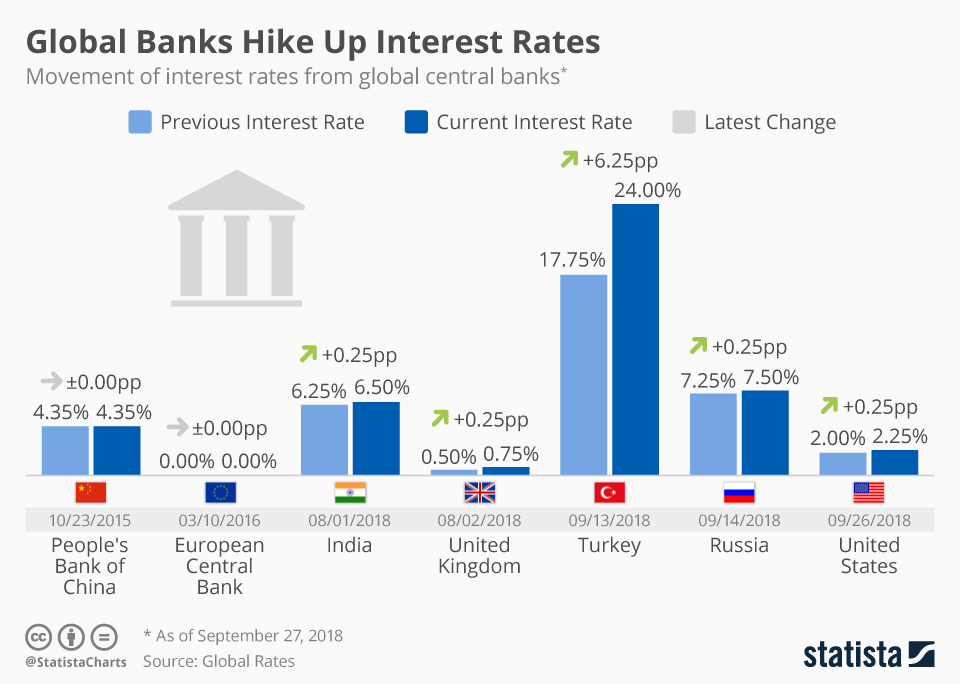
US Treasury yields have risen, reflecting expectations that borrowing costs will stay elevated. Higher yields can attract investors seeking safer returns, but they also compete with equities, leading to pressure on stock markets.
Growth stocks, particularly in the technology sector, are especially sensitive to higher interest rates. As discount rates rise, the present value of future earnings declines, causing stock prices to fall.
At the same time, sectors such as banking and energy may benefit from the current environment, highlighting how market dynamics shift based on monetary policy expectations.
Global Implications: Why This Matters Beyond the US
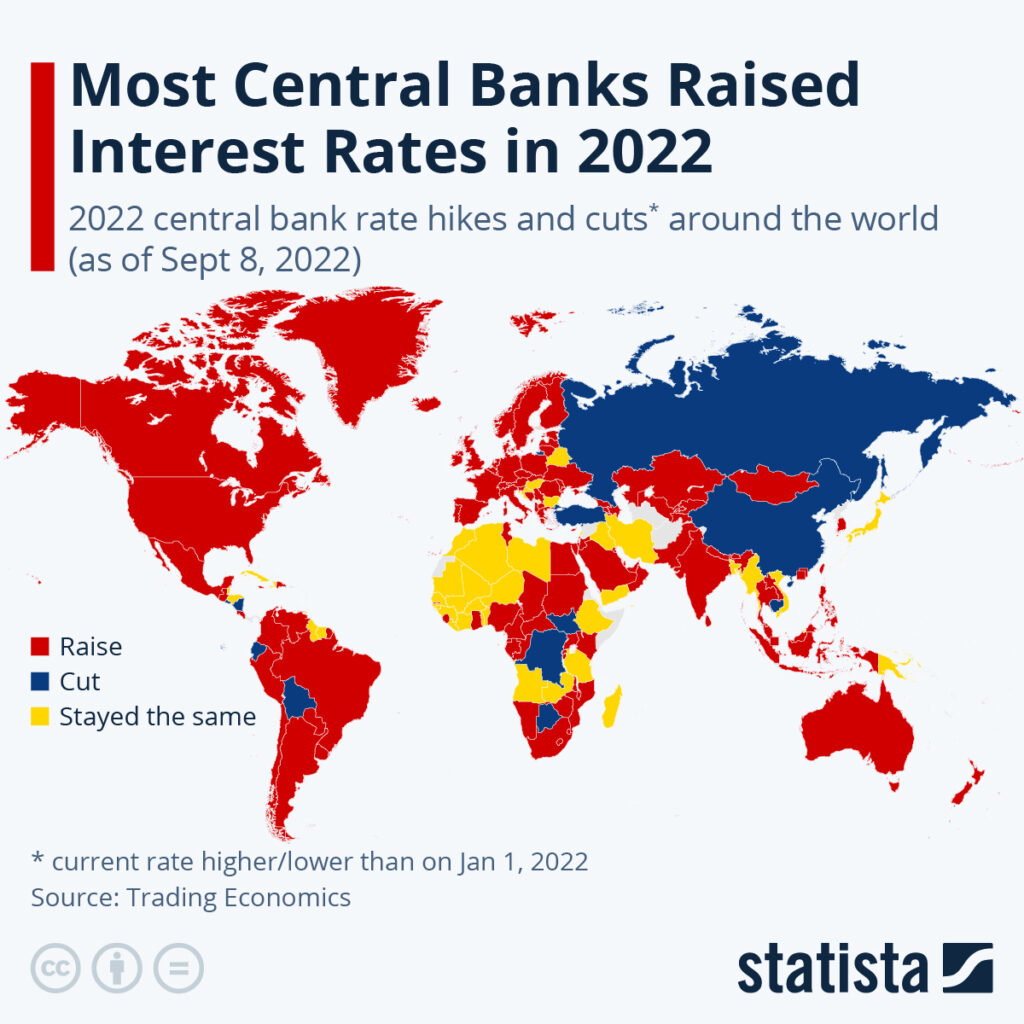
The Federal Reserve’s decisions do not just impact the US economy—they influence global financial markets as well.
When US interest rates remain high:
- The US dollar strengthens
- Emerging markets face capital outflows
- Global borrowing costs increase
For Europe and other developed economies, higher US rates can complicate their own monetary policy decisions. Central banks may be forced to maintain tighter policies to prevent currency depreciation and inflation.
This interconnectedness means that the Fed’s “higher for longer” stance has far-reaching consequences, affecting trade, investment flows, and global economic stability.
Market Outlook: What Happens Next?
Looking ahead, the trajectory of interest rates will depend on several key factors:
- Inflation data in the coming months
- Energy price trends
- Labor market conditions
- Global geopolitical developments
If inflation remains stubbornly high, the Federal Reserve is likely to maintain its current stance, keeping rates elevated well into 2026.
However, if economic growth slows significantly or financial conditions tighten too much, the Fed may reconsider its approach and begin gradual rate cuts.
For investors, this means preparing for continued volatility and adjusting strategies accordingly. Diversification, risk management, and a long-term perspective will be essential in navigating this environment.
Key Risks Investors Should Watch Closely
There are several important risks that could shape the future of interest rates and financial markets:
- A resurgence of inflation driven by energy prices
- Prolonged high interest rates are impacting growth
- Increased market volatility
- Potential slowdown in consumer spending
- Global economic uncertainty
Understanding these risks can help investors make informed decisions and avoid unnecessary losses.
A Critical Phase for Monetary Policy
The current economic environment represents a critical moment for the Federal Reserve and global markets. While progress has been made in controlling inflation, new challenges have emerged that complicate the path forward.
The likelihood of interest rates staying higher for longer reflects the need for caution in an uncertain world. For investors and policymakers alike, adaptability and informed decision-making will be key to navigating the months ahead.
As markets continue to react to evolving conditions, staying updated with accurate, data-driven insights will be essential for success.
Subscribe to trusted news sites like USnewsSphere.com for continuous updates.