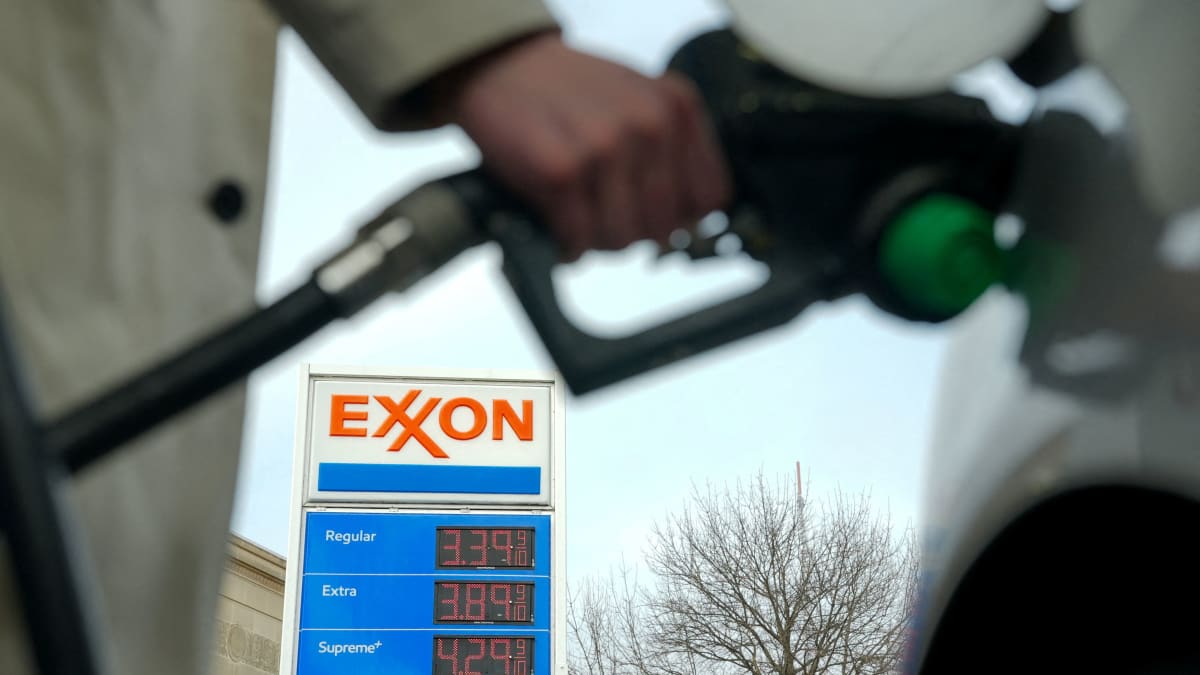
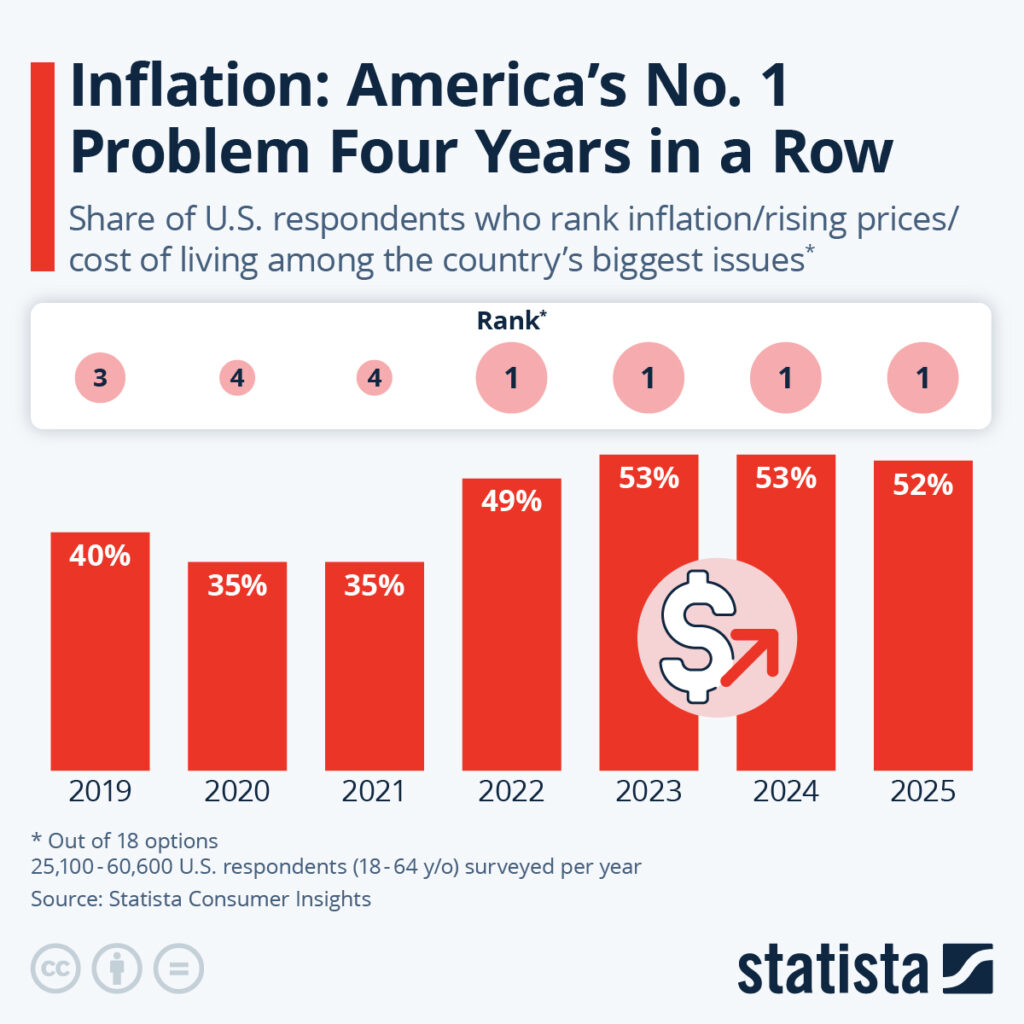
Inflation Fears Return: Oil Shock and War Risks Could Change the Federal Reserve’s 2026 Game Plan is quickly becoming one of the most critical financial narratives shaping markets today. After a period of relative stability, inflation concerns are re-emerging as oil prices surge and geopolitical tensions intensify, forcing policymakers to reconsider their economic strategy.
At the center of this shift is the Federal Reserve, which now faces a complex dilemma: continue easing monetary policy to support growth or tighten conditions again to control inflation. This balancing act is becoming increasingly difficult as global risks add pressure to an already fragile economic environment.
For investors, businesses, and households across the United States, these developments could have far-reaching implications—impacting everything from interest rates to stock market performance and the cost of living.
Oil Shock: The Catalyst Behind Rising Inflation Fears
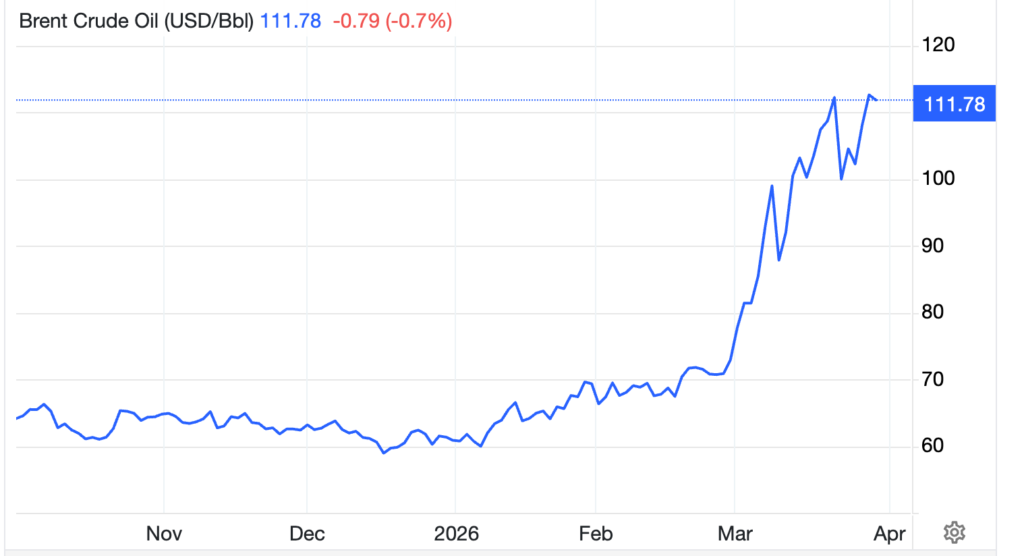
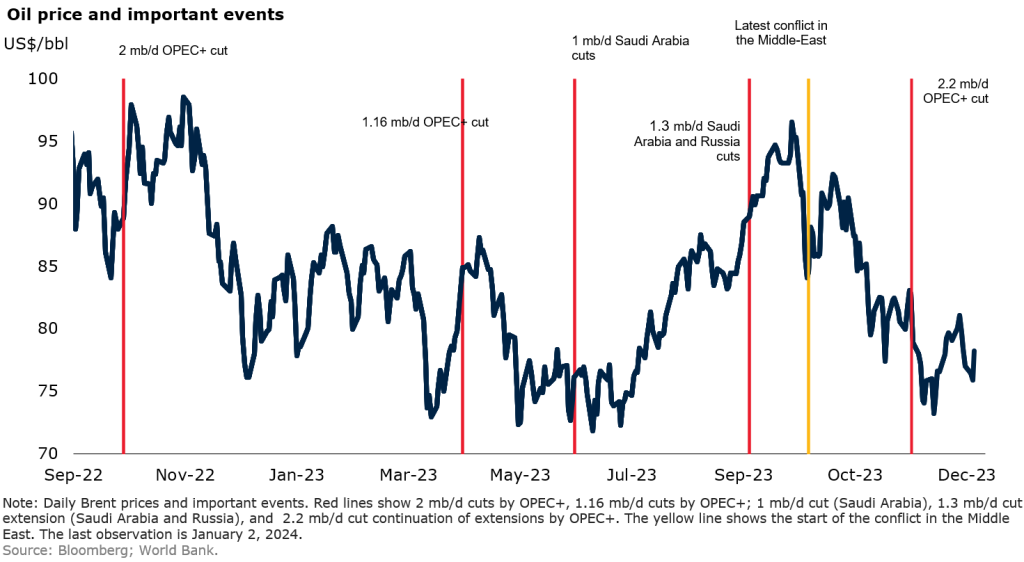
The recent surge in oil prices is one of the primary drivers behind renewed inflation concerns. As geopolitical tensions escalate, supply disruptions are pushing crude prices higher, creating ripple effects throughout the global economy.
Oil is a foundational input for many industries. When prices rise, transportation costs increase, production expenses climb, and ultimately, consumers pay more for goods and services. This chain reaction is a classic example of cost-push inflation.
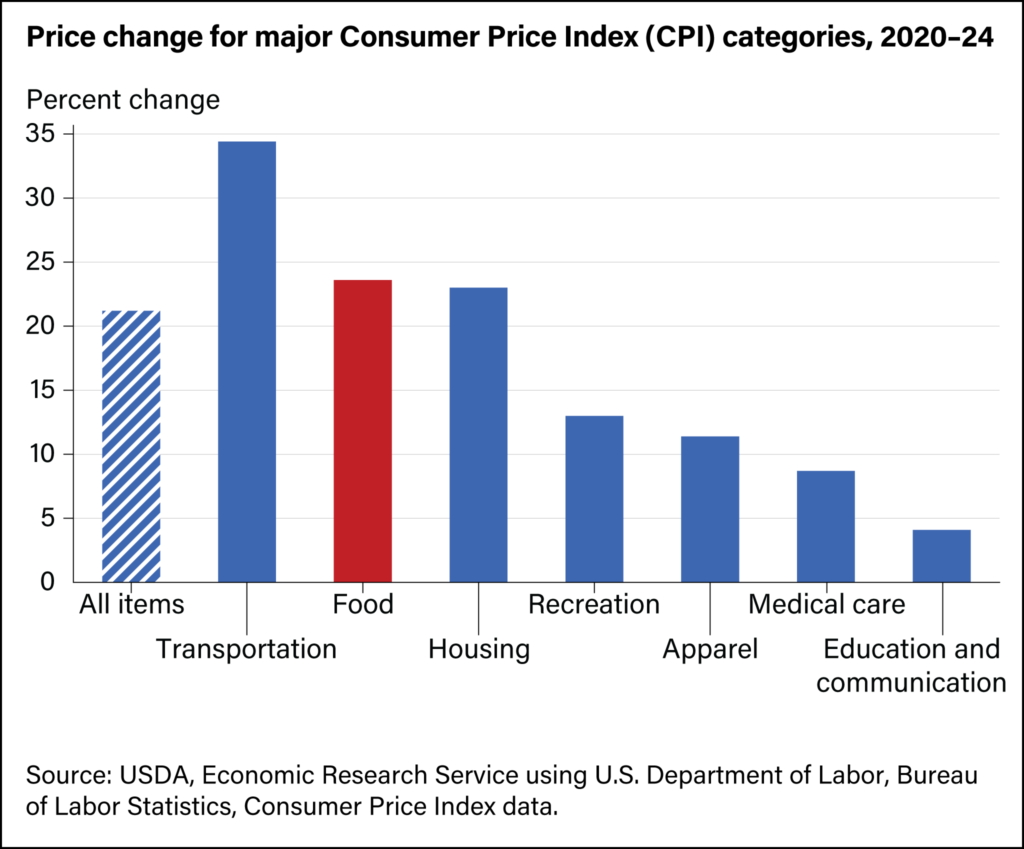
In 2026, the scale of the oil shock is particularly significant. With global supply routes under pressure, markets are pricing in the risk of prolonged disruptions. This has led to sharp movements in energy markets, raising concerns that inflation could accelerate again after a period of decline.
War Risks and Geopolitical Tensions Reshaping Markets
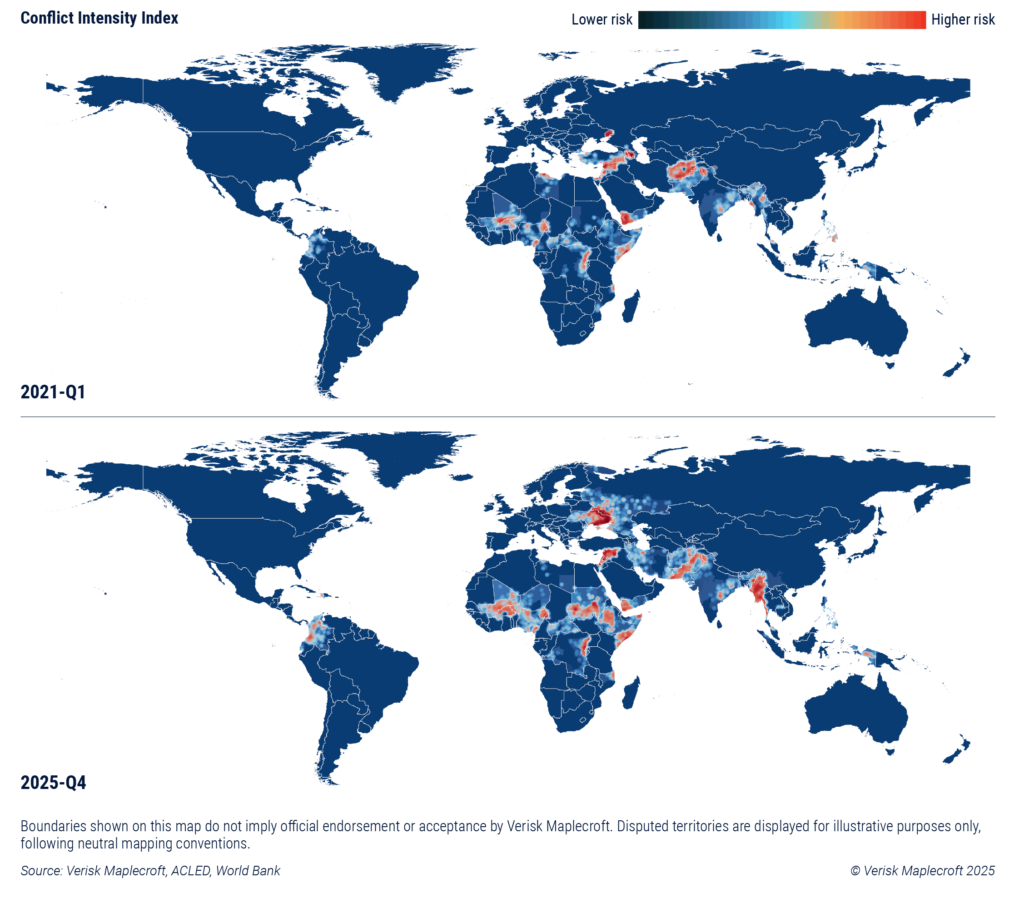
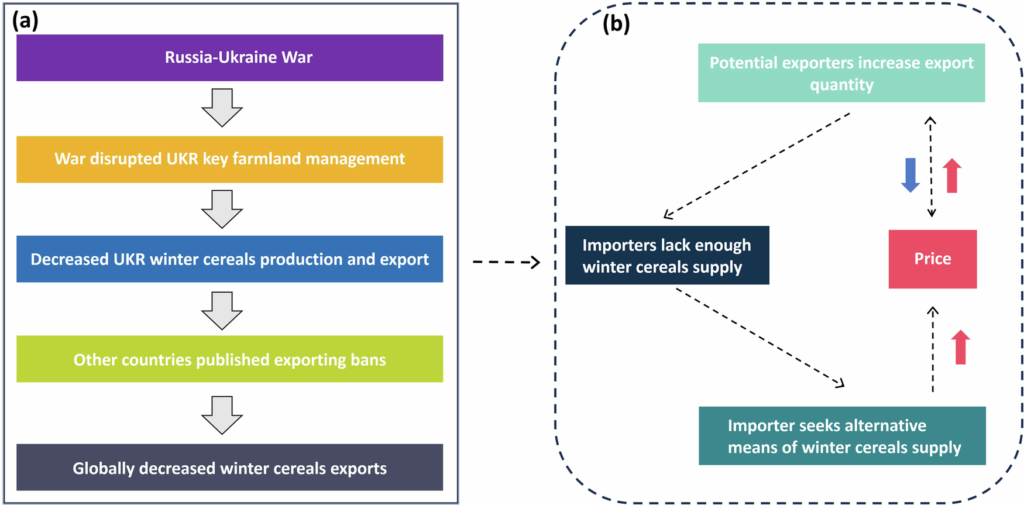
Beyond oil, broader geopolitical risks are amplifying economic uncertainty. Conflicts and tensions in key regions are not only affecting energy supply but also disrupting trade routes and investor confidence.
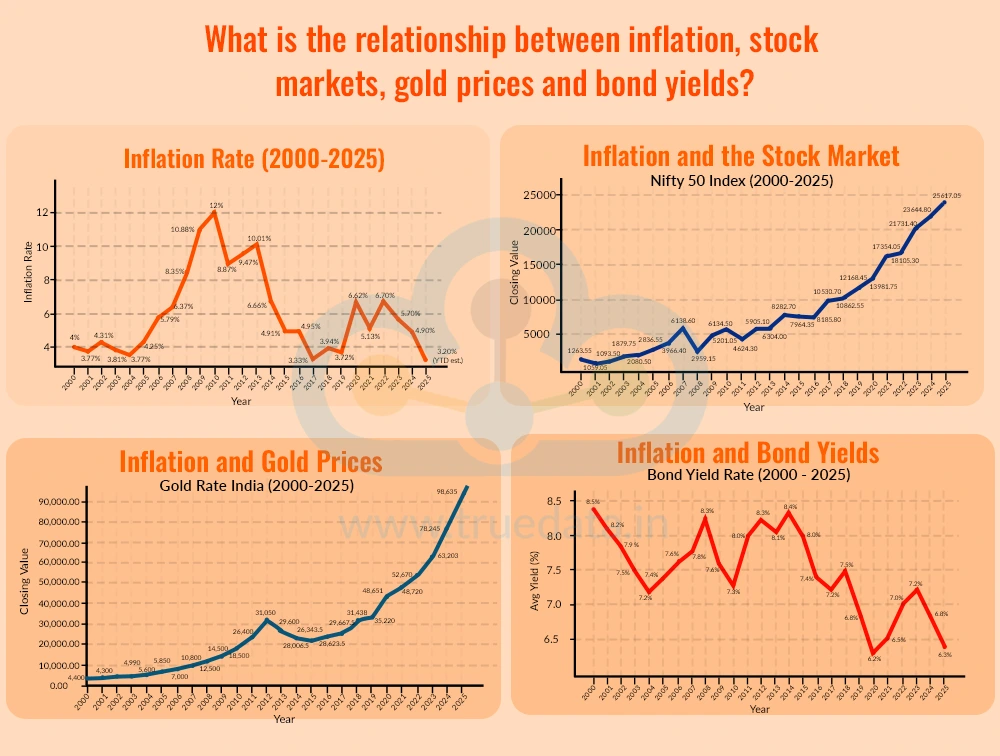
Markets tend to react quickly to geopolitical developments. Increased uncertainty often leads to volatility, as investors adjust their expectations and reposition their portfolios. Safe-haven assets such as gold typically see increased demand, while riskier assets may experience fluctuations.
These conditions create a challenging environment for policymakers. The unpredictability of geopolitical events makes it difficult to forecast economic trends, complicating decision-making at the highest levels.
The Federal Reserve’s Dilemma: Growth vs Inflation
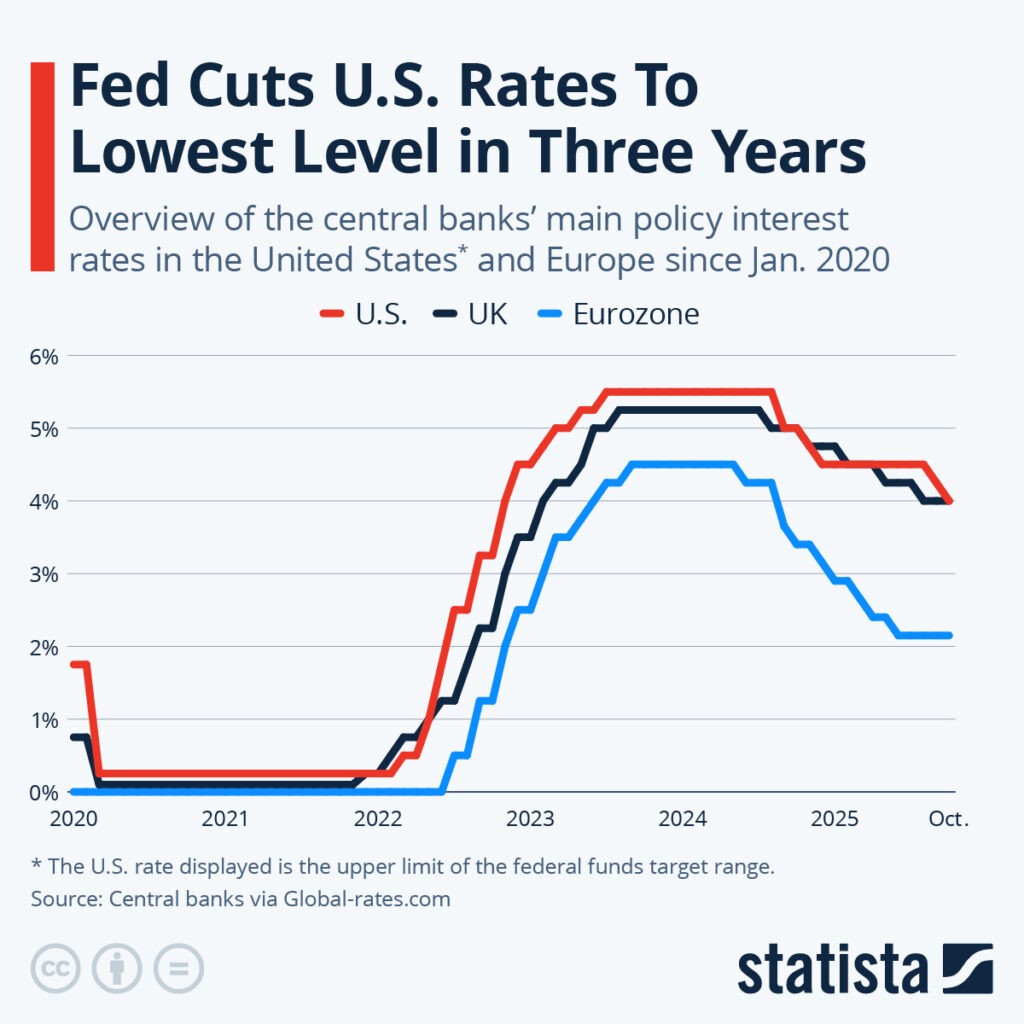
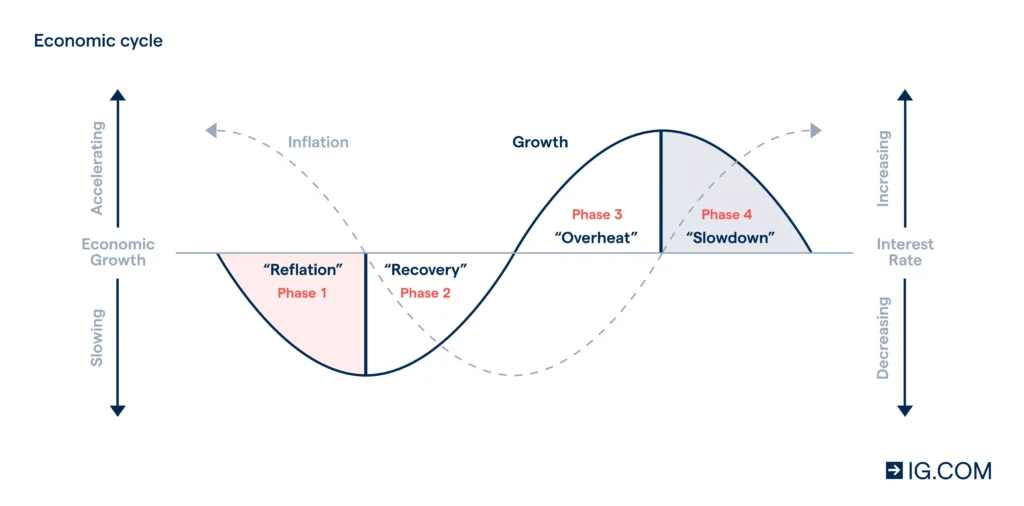
The Federal Reserve is now at a crossroads. On one hand, controlling inflation remains a top priority. On the other hand, aggressive rate hikes could slow economic growth and increase the risk of recession.
In recent years, the Fed has relied on interest rate adjustments to manage inflation. However, the current situation is more complex. External factors such as oil prices and geopolitical tensions are beyond the Fed’s direct control, limiting the effectiveness of traditional policy tools.
This creates a scenario where the Fed must carefully balance its actions. Any misstep could have significant consequences for financial markets and the broader economy.
Market Reactions: Stocks, Bonds, and Commodities
Financial markets are already reacting to these developments. Energy stocks have surged as oil prices rise, while other sectors are experiencing increased volatility.
Bond markets are also reflecting changing expectations. Yields are adjusting based on anticipated policy moves, with investors closely watching signals from the Federal Reserve.
Commodities, including gold and other inflation hedges, are gaining attention as investors seek protection against rising prices. This shift in asset allocation highlights the broader impact of inflation fears on investment strategies.
For investors, this environment presents both risks and opportunities. Understanding market dynamics is essential for making informed decisions.
Risks to Watch: Inflation, Recession, and Policy Mistakes
The return of inflation fears brings several risks that cannot be ignored. Persistent inflation could erode purchasing power and reduce consumer confidence, affecting economic growth.
At the same time, overly aggressive policy measures could trigger a slowdown or even a recession. This creates a delicate balance where policymakers must act decisively without overcorrecting.
Another key risk is market mispricing. Rapid changes in expectations can lead to volatility, creating both opportunities and challenges for investors.
Monitoring these risks and understanding their potential impact is crucial for navigating the current economic landscape.
Expert Insights: How Investors Are Positioning for 2026
Experts suggest that a diversified approach is essential in the current environment. Allocating investments across different sectors and asset classes can help manage risk while capturing opportunities.
Energy and commodity investments are gaining popularity as inflation hedges, while defensive sectors such as healthcare and consumer staples offer stability. At the same time, technology and innovation-driven industries continue to provide long-term growth potential.
Liquidity is also a key consideration. Maintaining access to cash or liquid assets allows investors to respond quickly to market changes and take advantage of emerging opportunities.
Staying informed and adaptable is the foundation of successful investing in 2026.
Market Outlook: What Comes Next?
Looking ahead, the trajectory of inflation will depend on several factors, including oil prices, geopolitical developments, and policy decisions by the Federal Reserve.
If oil prices remain elevated, inflation pressures could persist, forcing the Fed to reconsider its strategy. On the other hand, any easing of geopolitical tensions could stabilize markets and reduce inflation risks.
The outlook remains uncertain, but one thing is clear: the economic environment is entering a new phase where external shocks play a larger role in shaping outcomes.
Conclusion: Navigating a New Era of Economic Uncertainty
Inflation Fears Return: Oil Shock and War Risks Could Change the Federal Reserve’s 2026 Game Plan highlights a critical moment for the global economy. The interplay between energy markets, geopolitical risks, and monetary policy is creating a complex and evolving landscape.
For investors and policymakers alike, the challenge is to navigate this uncertainty with informed strategies and careful decision-making. Opportunities exist, but they require a deep understanding of market dynamics and a willingness to adapt.
As 2026 unfolds, staying ahead of these trends will be essential for protecting wealth and capitalizing on emerging opportunities.
Subscribe to trusted news sites like USnewsSphere.com for continuous updates.