Best Investment Strategy for 2026: Where to Put Your Money During Inflation and Market Volatility is one of the most critical financial questions investors are asking today. With inflation pressures lingering, global tensions impacting oil prices, and stock markets showing sharp swings, 2026 is shaping up to be a year where smart strategy—not luck—will determine financial success.
Across the United States and global markets, investors are shifting away from outdated “buy and hold everything” approaches and moving toward more dynamic, diversified strategies. The goal is clear: protect wealth from inflation while still capturing growth opportunities. Whether you are a beginner or an experienced investor, understanding where money is flowing in 2026 can help you stay ahead of the curve.
This article breaks down the most effective investment strategies based on current data, market trends, and expert insights to help you navigate uncertainty and build long-term wealth.
Understanding the 2026 Economic Landscape
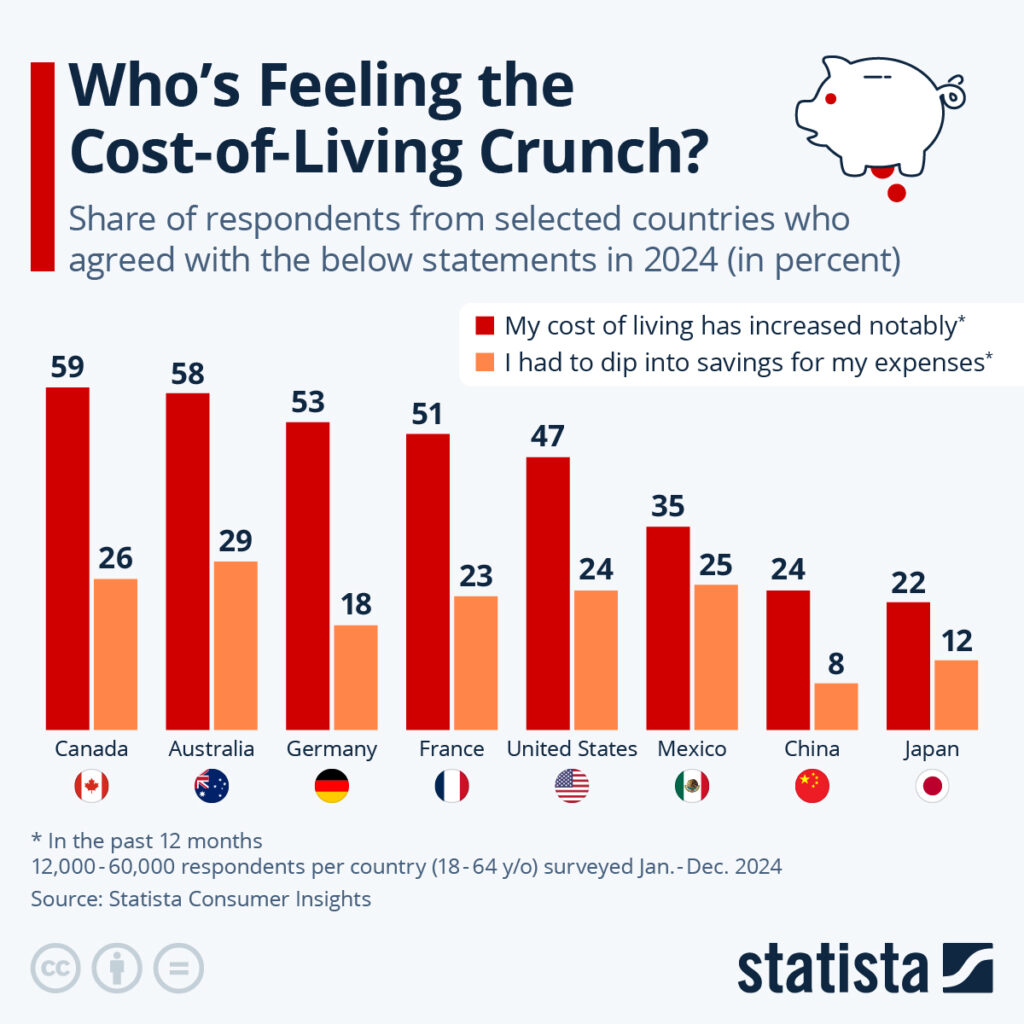
The global economy in 2026 is being shaped by multiple forces acting simultaneously. Inflation remains a key concern, driven by energy prices, supply chain disruptions, and geopolitical conflicts. Oil prices, in particular, have surged due to ongoing tensions, influencing everything from transportation costs to consumer goods pricing.
At the same time, central banks are facing a difficult balancing act. Interest rates are being carefully managed to control inflation without slowing economic growth too much. This creates an environment where markets react quickly to economic data and policy signals.
For investors, this means uncertainty—but also opportunity. Volatility often leads to mispriced assets, creating chances for those who can identify value and act strategically. Understanding this macro environment is the foundation of any successful investment plan in 2026.
Why Traditional Investment Strategies Are No Longer Enough
In previous years, simply investing in broad market indices and holding long-term often delivered strong returns. However, in today’s environment, that approach may not be sufficient on its own. Market conditions are changing faster, and different sectors are reacting differently to economic pressures.
For example, high-growth technology stocks that performed well during low-interest-rate periods are now facing valuation pressure. Meanwhile, sectors like energy and commodities are benefiting from inflation and supply constraints.
This shift requires a more active and diversified strategy. Investors need to balance growth assets with income-generating and inflation-resistant investments. Relying on a single approach increases risk, while diversification across sectors and asset classes provides stability.
The key takeaway is adaptability. Successful investors in 2026 are those who adjust their strategies based on market conditions rather than sticking to outdated models.
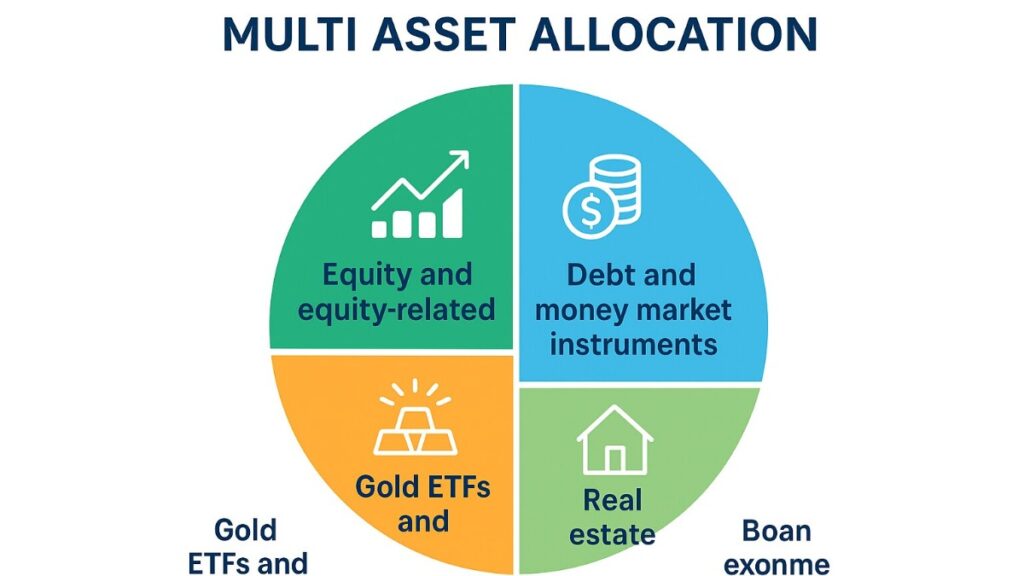
Top Investment Options to Beat Inflation in 2026
One of the primary goals in 2026 is protecting purchasing power. Inflation reduces the value of money over time, so investments must generate returns that outpace inflation.
Energy and Commodity Stocks:
These sectors are among the strongest performers during inflationary periods. Rising oil and gas prices increase revenues for energy companies, making them attractive for both growth and income.
Dividend-Paying Stocks:
Companies that consistently pay dividends provide a steady income stream. This can help offset the impact of inflation while also offering potential capital appreciation.
Real Assets (Real Estate and Infrastructure):
Real estate tends to hold value during inflation, as property prices and rental income often rise alongside inflation. Infrastructure investments also benefit from long-term demand and government spending.
Precious Metals and Alternative Assets:
Gold and other precious metals are traditionally seen as a hedge against inflation. While they may not provide high returns, they offer stability during uncertain times.
Each of these options plays a role in a balanced portfolio designed to withstand economic pressure.
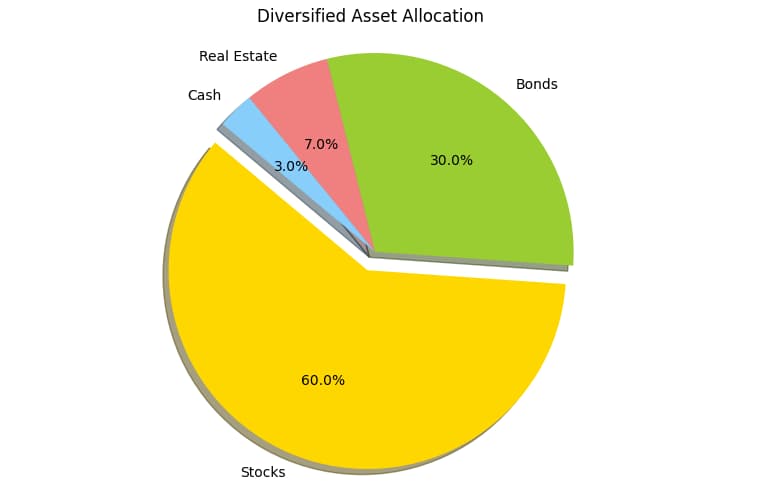
Growth Opportunities: AI, Technology, and Future Industries
While protecting against inflation is important, growth remains essential for wealth creation. In 2026, artificial intelligence and technology-driven industries are leading this growth.
AI is transforming sectors ranging from healthcare to finance, creating new revenue streams and increasing efficiency. Companies involved in AI infrastructure, data processing, and software development are seeing strong demand.
In addition to AI, renewable energy and clean technology are gaining traction. Governments and corporations are investing heavily in sustainable solutions, creating long-term growth opportunities.
Investors are also exploring emerging sectors such as cybersecurity, digital payments, and advanced manufacturing. These industries are expected to play a significant role in the global economy, making them attractive for long-term investment.
Balancing these high-growth sectors with stable investments is key to building a resilient portfolio.
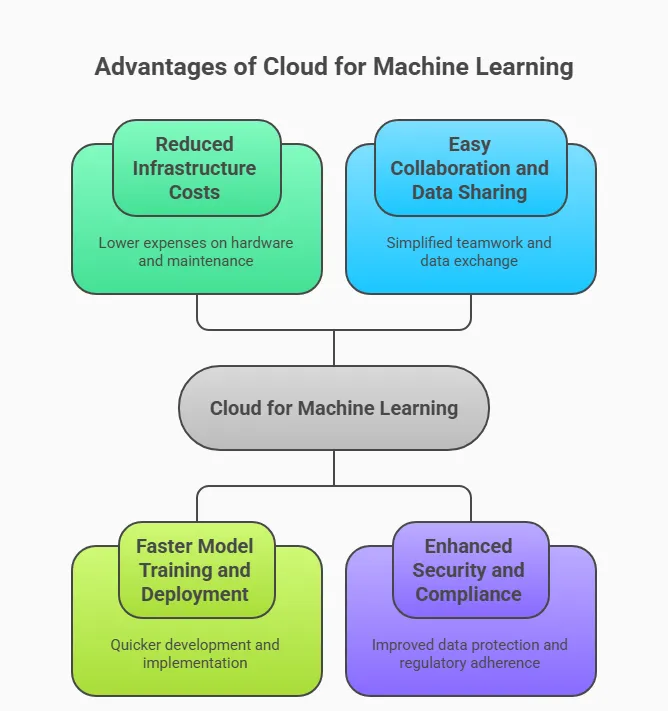
Risk Management: Protecting Your Portfolio in Volatile Markets
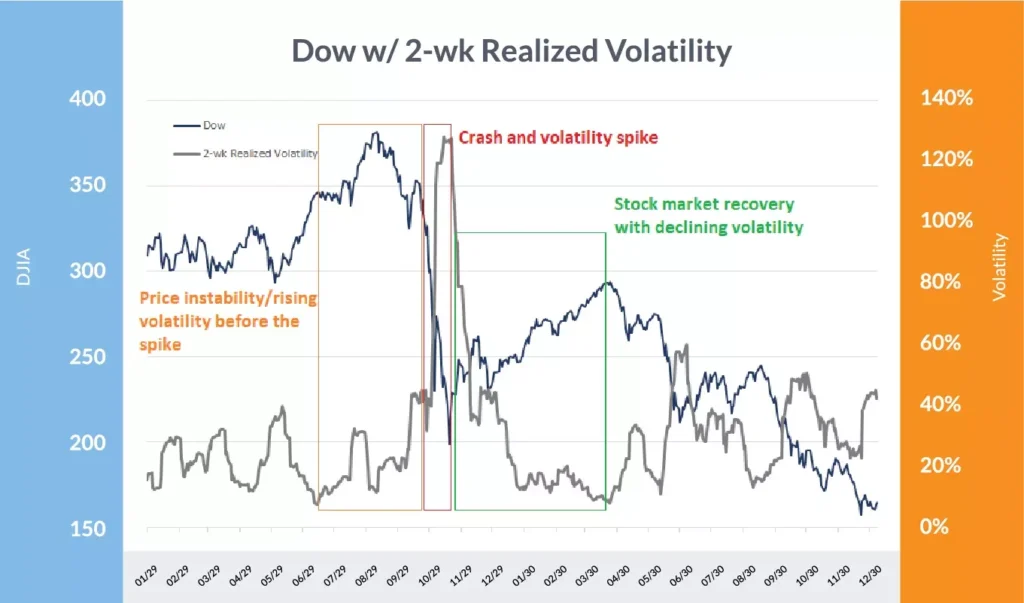
Volatility is a defining feature of the 2026 market, and managing risk is just as important as seeking returns. One of the most effective strategies is diversification—spreading investments across different sectors and asset classes.
Another important approach is maintaining liquidity. Keeping a portion of your portfolio in cash or easily accessible assets allows you to take advantage of market opportunities when they arise.
Investors should also avoid emotional decision-making. Market fluctuations can trigger fear or overconfidence, leading to poor investment choices. Staying focused on long-term goals and maintaining discipline is essential.
Additionally, regularly reviewing and rebalancing your portfolio ensures that it remains aligned with your investment objectives and market conditions.
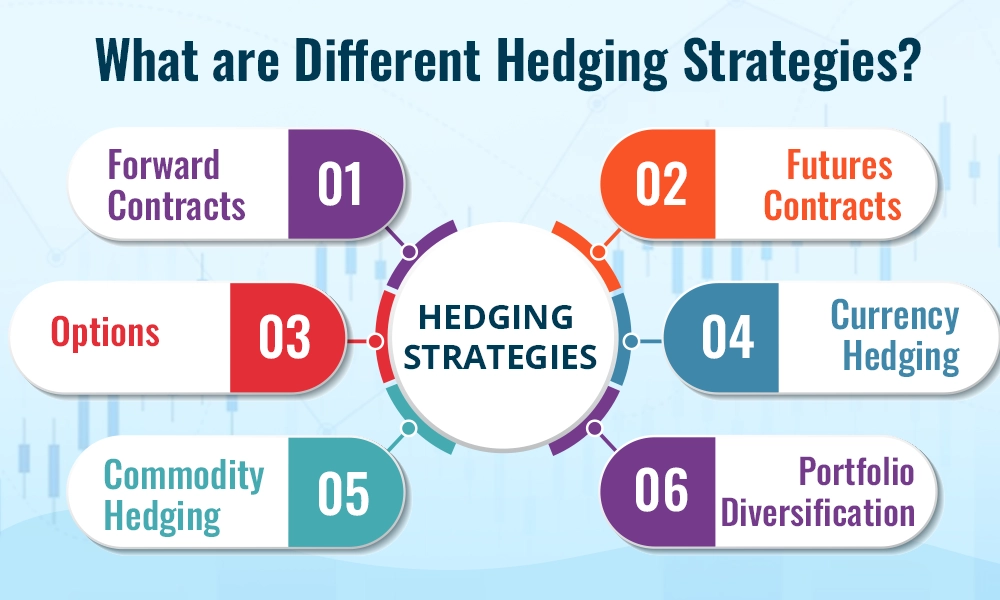
Expert Strategy: Building a Balanced Portfolio for 2026
Financial experts recommend a hybrid investment strategy that combines growth, income, and stability. This approach ensures that your portfolio can perform well under different market conditions.
A typical balanced portfolio in 2026 might include a mix of AI and technology stocks for growth, energy and commodity stocks for inflation protection, and dividend-paying companies for steady income.
Reinvestment is another critical factor. By reinvesting earnings, investors can take advantage of compounding, accelerating long-term growth. This strategy is particularly effective when combined with consistent contributions.
Experts also emphasize the importance of staying informed. Markets are constantly evolving, and keeping up with trends allows investors to make better decisions and adapt their strategies.

Market Outlook: What to Expect in the Coming Months
Looking ahead, the market is expected to remain dynamic. Oil prices and geopolitical developments will continue to influence energy markets, while technological innovation will drive growth in AI and related sectors.
Interest rate decisions will also play a crucial role. Any changes in monetary policy can impact market sentiment and investment flows. Investors should closely monitor economic indicators and adjust their strategies accordingly.
Despite uncertainty, the overall outlook remains positive for those who adopt a strategic approach. Opportunities exist across multiple sectors, and the key is identifying where value lies.
Conclusion: Winning the Investment Game in 2026
Best Investment Strategy for 2026: Where to Put Your Money During Inflation and Market Volatility is not about finding a single winning asset—it is about building a system that works in any market condition. By combining inflation-resistant investments with high-growth opportunities, investors can create a portfolio that is both resilient and profitable.
The financial landscape in 2026 rewards those who are informed, disciplined, and adaptable. Whether you are starting with a small amount or managing a large portfolio, the principles remain the same: diversify, stay consistent, and think long term.
As markets continue to evolve, the ability to adapt will be your greatest advantage. The opportunities are there—it’s up to you to seize them.
Subscribe to trusted news sites like USnewsSphere.com for continuous updates.