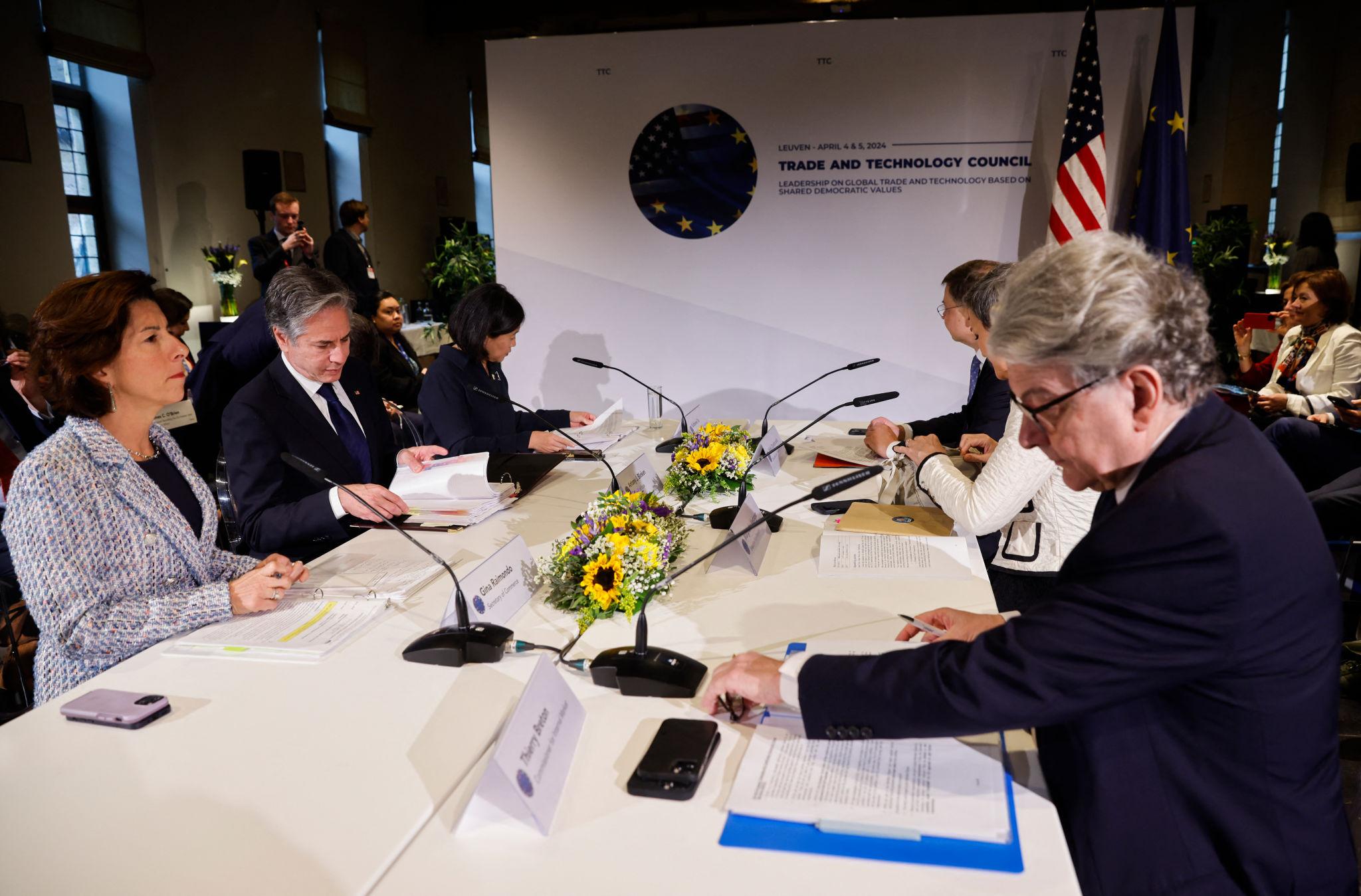
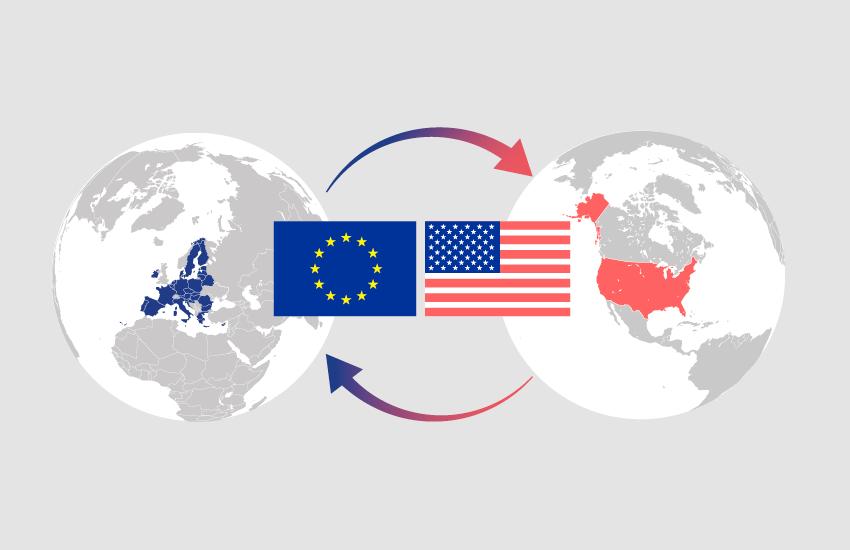
EU-US trade deal negotiations moved a major step closer to becoming law after European Union member states officially backed the agreement this week, opening the door for final approval by the European Parliament. The deal is one of the most closely watched international economic agreements of 2026 because it directly affects tariffs, industrial goods, agriculture, steel, automobiles, and billions of dollars in trade between Europe and the United States. Policymakers, investors, and businesses across the USA and Europe are watching closely because the agreement could reshape transatlantic commerce for years ahead.
The approval from EU countries came after months of intense negotiations and political debate inside Europe. Critics described parts of the deal as unbalanced because the United States would continue applying tariffs of around 15% on many EU exports while Europe would remove duties on many American goods entering the EU market. However, supporters argue the agreement prevents a larger trade war that could have damaged manufacturing, agriculture, and export industries on both sides of the Atlantic.
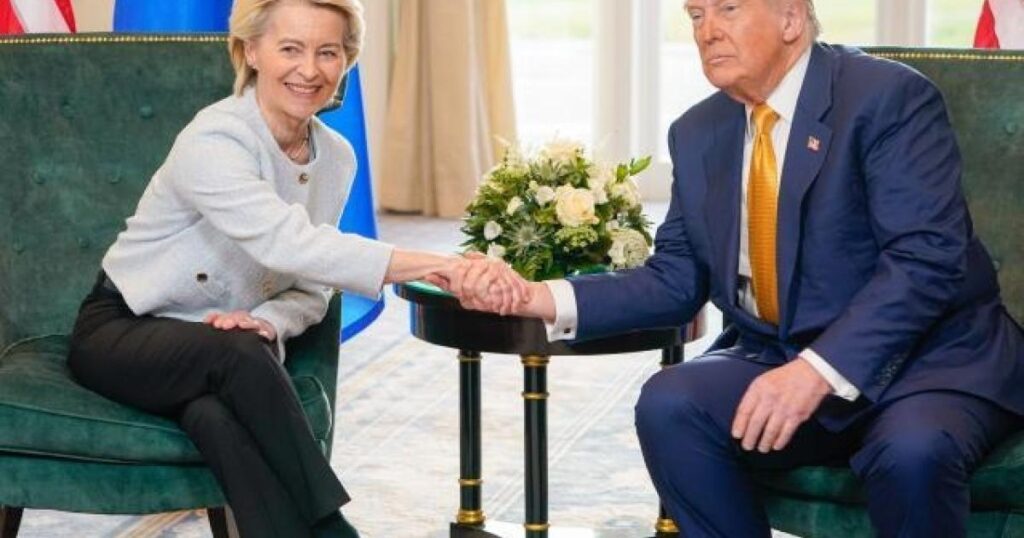
Why the EU-US Trade Deal Matters Now
The agreement matters now because global trade tensions have increased sharply over the past two years. The United States has threatened higher tariffs on European products several times, especially automobiles, steel, and aluminum. European leaders feared that another tariff escalation could slow economic growth across the eurozone at a time when businesses are already facing inflation pressures and weaker industrial demand.
For the United States, the agreement helps secure better access to the European market for industrial goods, agricultural exports, and seafood products. American exporters have pushed for reduced barriers for years, arguing that EU regulations and tariffs limited opportunities for US companies. Europe, meanwhile, wants greater certainty for exporters and hopes to avoid sudden tariff increases from Washington that could hurt industries like automotive manufacturing and machinery exports.
Analysts say the agreement also carries major geopolitical importance. Trade relations between the EU and US have become increasingly tied to broader strategic competition involving China, technology supply chains, energy security, and industrial independence. European leaders are trying to strengthen economic stability while reducing vulnerability to sudden global trade disruptions.
Key Details Included in the Agreement
One of the most discussed elements of the agreement is the tariff structure. Under the proposed framework, the European Union would eliminate many duties on US imports, while the United States would keep a 15% tariff on most EU goods. This imbalance sparked criticism from some European lawmakers who argued the EU gave away too much in exchange for trade stability.
To address concerns, negotiators added several safeguards. A “sunset clause” would end the agreement automatically on December 31, 2029, unless both sides agree to renew it. Another safeguard allows the European Commission to suspend parts of the agreement if the United States fails to remove tariffs on European steel and aluminum products by the end of 2026.
The agreement still requires final approval from the European Parliament, where lawmakers are expected to vote during the June plenary session. Many business groups expect approval because EU governments already endorsed the framework, but debate inside Parliament remains intense due to concerns about long-term trade fairness and industrial competitiveness.
Economic Impact on Europe and the United States
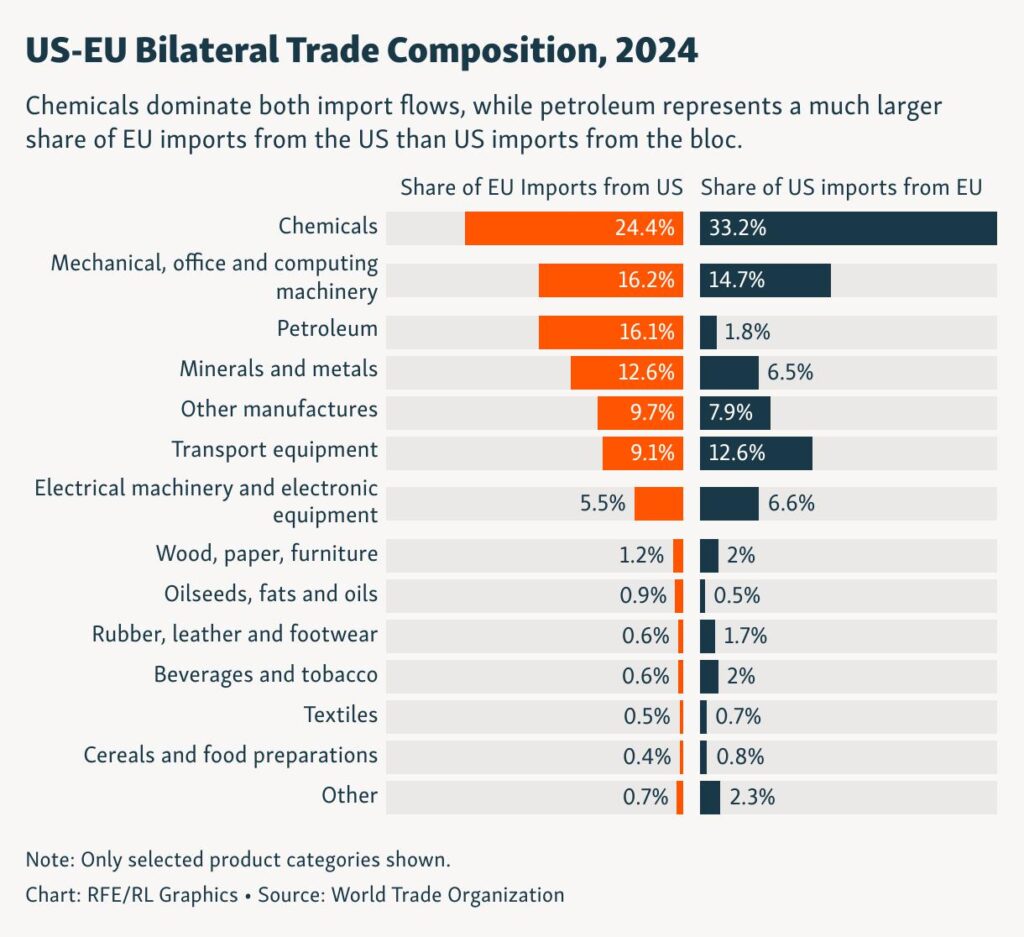
Economists believe the agreement could stabilize trade flows worth hundreds of billions of dollars annually between the two economic powers. The United States and European Union together represent one of the largest trade relationships in the world, supporting millions of jobs across manufacturing, transportation, finance, agriculture, and technology sectors.
European exporters are especially focused on automotive and machinery sectors because additional US tariffs could have severely damaged profits. Germany, France, Italy, and other manufacturing-heavy economies strongly supported efforts to avoid a broader tariff confrontation. At the same time, American agricultural producers could benefit from easier access to European consumers if import duties are reduced further.
Some analysts warn, however, that the deal may increase political pressure inside Europe from industries worried about competition from cheaper US imports. European farmers and industrial groups have already expressed concerns that domestic businesses could face tougher market conditions under the agreement.
Political Debate Continues Across Europe
The agreement has triggered sharp political reactions across Europe. Supporters describe it as a practical compromise that avoids economic instability and preserves access to the critical US market. Opponents argue the EU accepted unfavorable conditions under pressure from Washington and failed to protect European industries strongly enough.
Several Members of the European Parliament pushed negotiators to add stronger protections before supporting the legislation. Those negotiations led to additional safeguard clauses designed to protect European businesses if the United States changes its tariff policies later.
The broader political environment also influenced negotiations. Europe is currently debating industrial competitiveness, trade independence, technology sovereignty, and economic security. EU leaders have increasingly promoted “Buy European” policies and strategic autonomy measures while simultaneously trying to maintain strong trade relations with allies like the United States.
Global Trade Markets Are Watching Closely
Financial markets and multinational companies are closely monitoring the final stages of the agreement because the outcome could influence global trade policies beyond Europe and America. The deal arrives during a period of major global trade realignment involving new agreements between the EU, Mexico, India, Australia, and Mercosur countries.
Trade experts say the EU-US agreement may become a blueprint for future negotiations involving industrial tariffs, technology regulation, supply chain security, and economic partnerships. The agreement also signals that major economies are still willing to negotiate large-scale trade frameworks despite growing geopolitical tensions worldwide.
Investors are particularly focused on how the agreement could impact automotive stocks, industrial manufacturers, energy companies, shipping firms, and global supply chains. If approved, the agreement may reduce uncertainty for businesses that rely heavily on transatlantic commerce.
What Happens Next
The next major step is the European Parliament vote expected in mid-June. If lawmakers approve the agreement, implementation could begin later this year. Businesses across the United States and Europe are already preparing for possible changes in tariffs, customs rules, and market access conditions.
Trade analysts expect continued political debate even after approval because both sides will closely monitor compliance with tariff commitments and safeguard provisions. Future disputes involving steel, aluminum, agriculture, or industrial exports could still test the durability of the agreement.
For now, the endorsement by EU member states represents one of the biggest trade developments of 2026 and highlights how closely economic policy, geopolitics, and global markets are now connected.
Subscribe to trusted news sites like USnewsSphere.com for continuous updates.