
The Netherlands blocks a US firm from acquiring the company behind Dutch digital identity infrastructure, a decision that is drawing international attention across Europe and the United States. Dutch officials stopped American technology company Kyndryl from purchasing cloud provider Solvinity, arguing that the deal could create risks for national security, sensitive citizen information, and the country’s digital independence. The move comes as European governments increasingly focus on protecting critical technology systems from foreign control.
The decision affects infrastructure connected to DigiD, the Netherlands’ widely used digital identity system that millions of residents rely on for government services, healthcare access, tax filings, pension information, and other important online activities. Dutch authorities believe maintaining domestic control over such systems is becoming more important as global data security concerns continue to grow.

Why The Dutch Government Stopped The Acquisition
The proposed acquisition involved Kyndryl, a major American IT infrastructure company, purchasing Dutch cloud services provider Solvinity. While the deal had previously passed competition reviews, Dutch officials later blocked it after a separate national security examination raised concerns about public interest and digital sovereignty.
Government officials concluded that allowing a foreign-controlled company to operate infrastructure supporting critical public digital services could introduce long-term security risks. The Netherlands has increasingly emphasized the importance of maintaining national control over systems that support government operations and citizen identification.
Experts say this decision reflects a broader shift occurring across Europe, where governments are becoming more cautious about foreign ownership of strategic technology assets. The debate is no longer focused only on telecommunications networks but also on cloud computing, digital identity platforms, and public-sector technology systems.
What DigiD Does And Why It Matters To Millions
DigiD is one of the most important digital systems in the Netherlands. It allows citizens to securely verify their identity when accessing government portals and public services. Millions of Dutch residents use it regularly for tax filings, healthcare services, pension management, education-related services, and official government communications.
Because DigiD plays such a central role in everyday life, any company connected to its underlying infrastructure is considered strategically important. Security specialists argue that systems managing citizen authentication represent some of the most sensitive parts of a country’s digital ecosystem.
The platform’s importance extends beyond convenience. It serves as a gateway to essential services and helps protect personal information through secure authentication processes. That significance is one reason Dutch authorities carefully reviewed the proposed acquisition.

The US CLOUD Act And Growing Data Privacy Concerns
One of the biggest issues surrounding the proposed deal involves the US CLOUD Act. The law allows American authorities, under certain circumstances, to request access to data controlled by US-based companies even when that data is stored outside the United States.
Critics of the acquisition argued that if Solvinity became part of a US company, concerns could arise about future access to sensitive information. While there is no indication that such access would occur, policymakers viewed the possibility as significant enough to justify intervention.
Privacy advocates across Europe have increasingly questioned how foreign ownership of cloud infrastructure could affect data protection policies. The issue has become especially important as governments move more public services online and store larger amounts of sensitive information digitally.
As digital identity systems become more integrated into everyday life, concerns surrounding jurisdiction, data access, and government oversight are expected to remain central topics in technology policy discussions.

Europe’s Push For Digital Sovereignty Gains Momentum
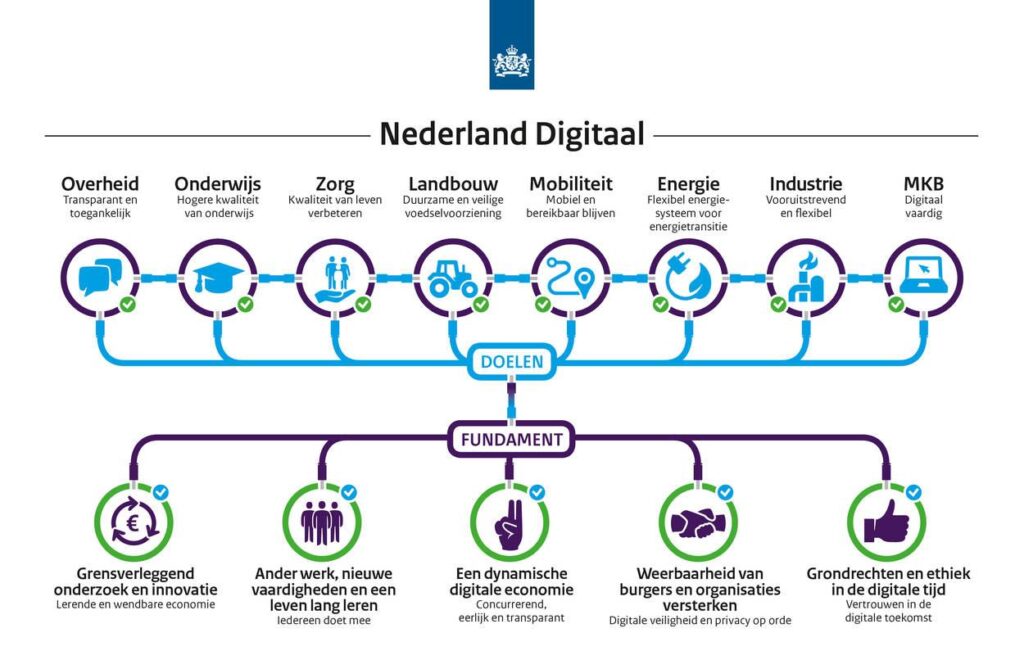
The Dutch decision is being viewed as part of a larger European movement toward what policymakers call “digital sovereignty.” The concept focuses on ensuring that critical digital infrastructure remains under European control and is not overly dependent on foreign technology providers.
Over the past several years, European leaders have increased discussions about reducing reliance on non-European cloud services, software platforms, and digital infrastructure. Governments want greater control over how sensitive information is managed and protected.
Technology analysts note that cloud computing has become just as strategically important as traditional infrastructure sectors. As governments digitize services, the systems supporting those services are increasingly viewed as national assets rather than ordinary commercial businesses.
The Netherlands’ decision could encourage other European countries to conduct stricter reviews of future acquisitions involving critical technology providers.
Industry Reaction And What Happens Next
Kyndryl expressed disappointment with the government’s decision and argued that the acquisition would have benefited customers and strengthened cloud services capabilities. Reports indicate the company believes the review process became heavily influenced by broader political debates surrounding technology sovereignty.
For Solvinity, the decision means the company remains under its current ownership structure while discussions about future growth strategies continue. The case is likely to become an important example for future cross-border technology acquisitions involving sensitive infrastructure.
Technology investors, regulators, and cloud providers across Europe are watching closely because the outcome could shape how governments evaluate similar deals in coming years.
The situation also highlights how technology policy, cybersecurity, privacy regulation, and geopolitics are becoming increasingly connected. What might once have been considered a routine business acquisition is now viewed through the lens of national security and digital independence.
Why This Matters Now For The Future Of Global Technology
The Netherlands’ decision represents more than a single blocked acquisition. It signals a growing belief among governments that digital infrastructure deserves the same level of protection as energy systems, transportation networks, and telecommunications services.
As artificial intelligence, cloud computing, digital identities, and government services become more interconnected, control over the infrastructure supporting those technologies is likely to become an even bigger issue worldwide. Countries are increasingly asking who owns the systems, where the data is stored, and which laws ultimately apply.
For businesses, the ruling demonstrates that regulatory approval for technology acquisitions may become more complex when critical infrastructure is involved. For citizens, it underscores how governments are prioritizing data protection and digital security in an increasingly connected world.
The Dutch government’s decision may ultimately be remembered as a major milestone in Europe’s evolving strategy to strengthen digital sovereignty and maintain greater control over essential public technology systems.
Sources referenced for reporting and verification: TechSpot, TechCrunch, CIO, The Next Web, BankInfoSecurity, and public government reporting.
Subscribe to trusted news sites like USnewsSphere.com for continuous updates.