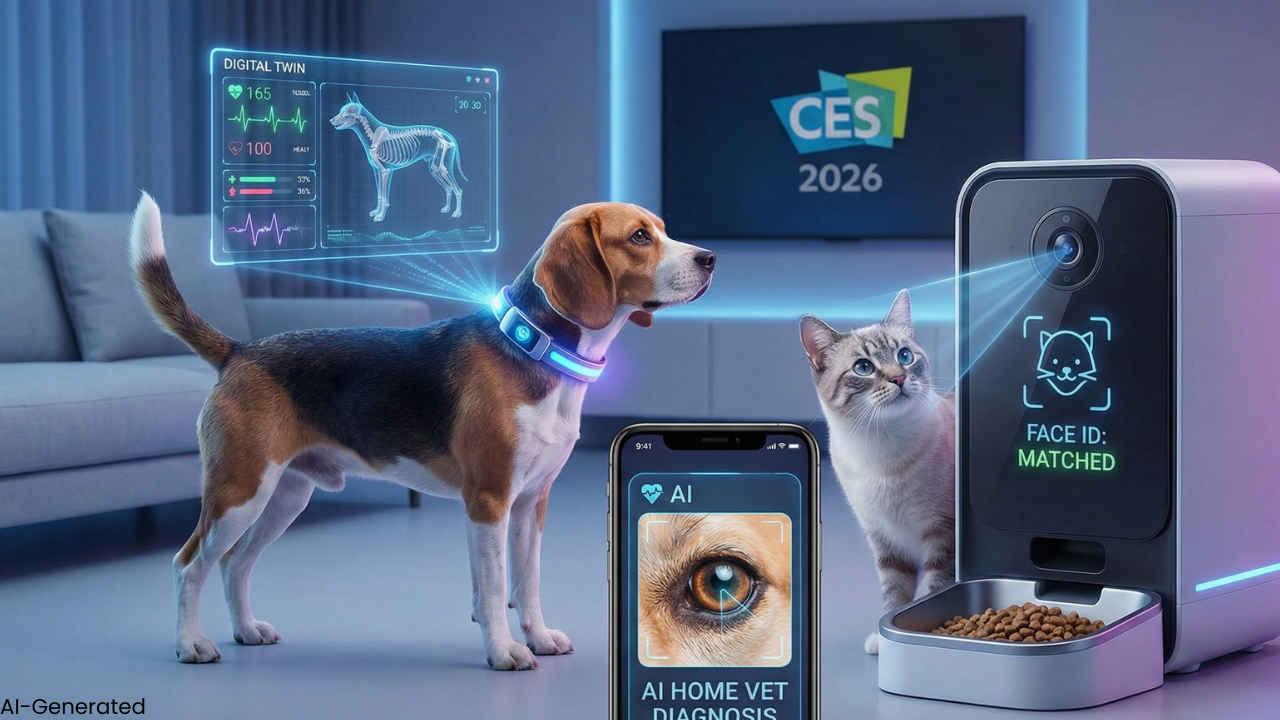
AI pet translator technology is becoming one of the most talked-about breakthroughs in artificial intelligence after reports revealed that researchers and tech companies are developing systems designed to interpret dog barks, cat meows, and other animal sounds into human-understandable meanings. The technology is gaining attention because it combines AI, sound recognition, behavior tracking, and emotional analysis to help pet owners better understand what their animals may be trying to communicate. Experts say this could improve pet care, emotional bonding, and even animal health monitoring in the future. Why this matters now is simple: AI is moving beyond human communication and entering the world of animal interaction, opening a completely new area for technology innovation and pet care industries worldwide.
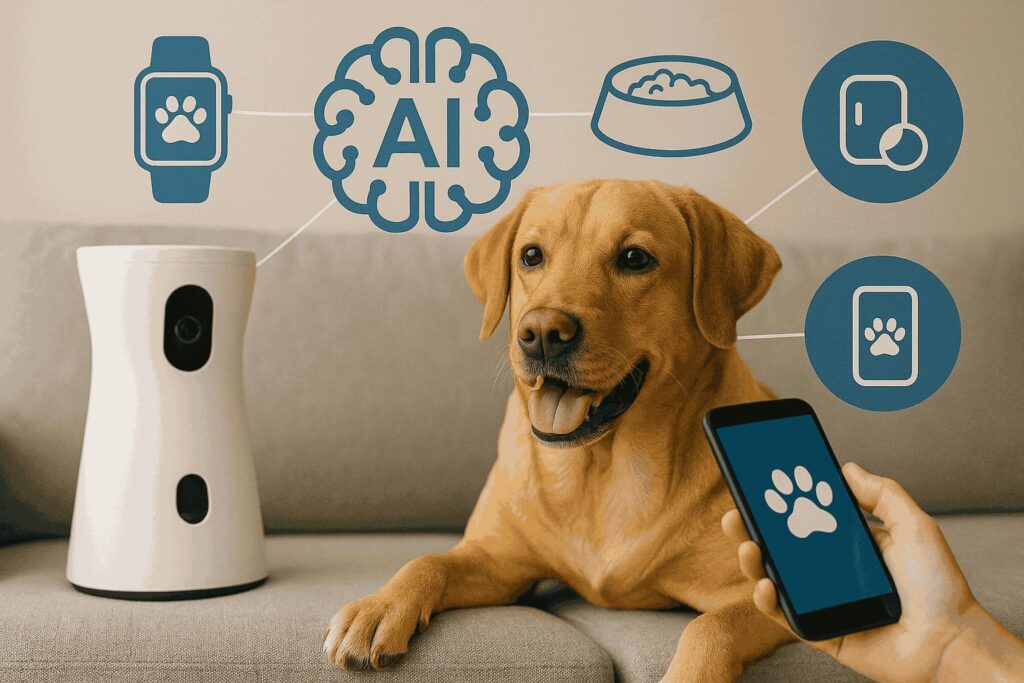
AI Pet Translation Technology Is Moving Beyond Simple Bark Detection
The latest discussions around AI-powered pet translators began after reports revealed that Chinese technology company Baidu filed a patent for a system designed to translate animal sounds and behaviors into human language. According to reports, the system would not rely only on barking or meowing sounds. Instead, it would collect multiple types of data, including body language, movement patterns, vocal sounds, emotional signals, and behavioral changes.
This approach is important because experts believe animal communication is much more complex than simple sounds. Dogs, cats, and other animals communicate through posture, tail movement, ear position, energy level, facial expression, and vocal tone. Modern AI systems can now process massive amounts of data quickly, making it possible to recognize patterns humans may never notice. Researchers believe this could eventually help pet owners identify stress, fear, hunger, happiness, anxiety, or health issues earlier than before.

Why Tech Companies See Huge Potential in AI Pet Communication
The global pet industry is already worth hundreds of billions of dollars, and technology companies are racing to enter the market with AI-driven tools. Pet owners increasingly spend money on smart collars, GPS trackers, automatic feeders, pet cameras, and health monitoring devices. AI translators could become the next major product category in the fast-growing pet technology industry.
Several companies and developers are already experimenting with apps that analyze barking and meowing sounds. Platforms such as pet behavior apps and AI-powered animal sound analyzers claim to estimate emotional states like excitement, stress, loneliness, or playfulness. While many current products are still experimental or entertainment-focused, the growing investment shows strong market demand.
Industry analysts believe the long-term commercial potential is enormous because pet owners are emotionally attached to their animals and constantly search for ways to improve communication and care. If AI systems become more accurate, they could eventually connect with veterinary services, pet insurance providers, smart home systems, and animal health monitoring platforms.

Scientists Say Understanding Animal Emotion Is Extremely Difficult
Despite growing excitement, many scientists caution that accurately translating animal communication remains highly challenging. Human language is based on grammar, vocabulary, and context, while animal communication often depends heavily on instinct, emotion, environment, and physical behavior.
Researchers explain that one bark from a dog could mean different things depending on the situation. A bark near a stranger at the door may signal alertness, while a similar sound during playtime may simply express excitement. Cats also communicate differently through vocal tone, body posture, blinking patterns, and tail movement. This complexity makes true translation extremely difficult.
Previous projects attempting similar ideas have struggled. Earlier experimental devices and apps promised to translate pet sounds but failed to achieve reliable scientific accuracy. Some projects were eventually discontinued because of technical limitations and development costs.
Still, AI technology today is far more advanced than it was a decade ago. Modern machine learning systems can process video, audio, movement, and emotional patterns simultaneously. That improvement is why experts believe current research may achieve better results than older attempts.
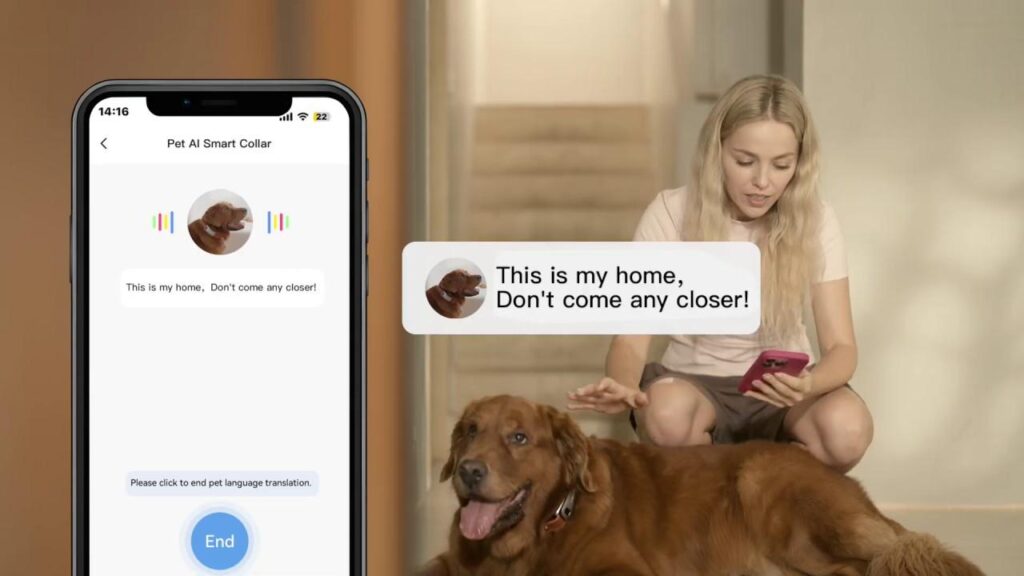
AI Could Eventually Help Detect Health Problems in Pets Earlier
One of the most important future uses for AI pet translators may not actually be “conversation.” Instead, experts believe the real breakthrough could come from health monitoring and emotional analysis.
For example, sudden changes in barking frequency, sleep movement, activity level, or vocal tone could indicate pain, illness, anxiety, or stress. AI systems trained on millions of animal behavior samples may eventually identify warning signs before humans notice obvious symptoms.
Veterinarians and animal behavior specialists could also benefit from AI-powered data collection. Instead of relying only on owner descriptions, professionals might receive detailed behavioral reports generated through smart devices and AI analysis tools.
Some developers are already promoting features that monitor pet emotional patterns, stress levels, and unusual behavior changes over time.
This could become especially valuable for older pets, rescue animals, or pets suffering from anxiety and medical conditions. Early detection tools may improve treatment outcomes while reducing emergency veterinary costs for owners.
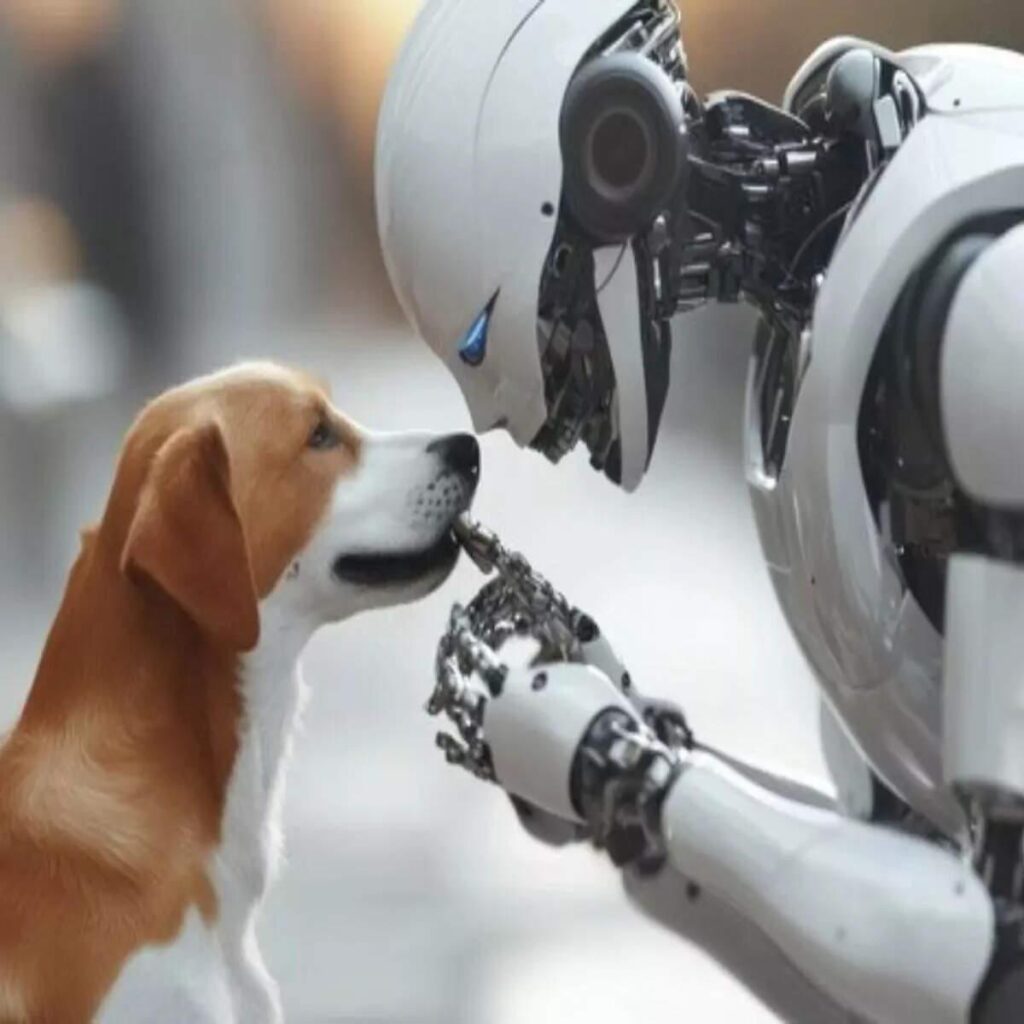
Why This AI Trend Is Going Viral Across Social Media
The idea of understanding what pets are “saying” naturally attracts massive online attention because millions of people consider pets part of their families. Videos about AI dog translators, bark interpretation tools, and emotional pet analysis are spreading rapidly across platforms like YouTube, Instagram, and Facebook.
Part of the viral appeal comes from curiosity and emotional connection. Pet owners constantly wonder what their dogs or cats are thinking. AI gives people hope that technology may finally bridge the communication gap between humans and animals.
Another reason the story is trending is the broader AI boom happening globally. After major advances in generative AI, voice technology, and machine learning, people are now exploring how artificial intelligence can transform daily life beyond business and productivity tools.
Social media engagement around pet AI is also strong because the content is highly visual, emotional, and easy to share. Videos showing “translated” barks or meows often generate millions of views and spark debate about whether the technology is truly scientific or mainly entertainment.
The Future of AI Pet Translators May Still Be Years Away
Although the excitement is growing rapidly, experts say consumers should remain realistic about what current AI systems can actually do. Most available tools today cannot literally translate full conversations between humans and pets. Instead, they attempt to estimate emotional states and behavioral meaning using probability models.
Still, the research itself represents a major step forward in cross-species communication technology. If AI systems continue improving, future devices may become much better at understanding animal emotions, routines, stress signals, and behavioral needs.
Technology companies are expected to continue investing heavily in this space because pet ownership remains extremely high across the United States, Europe, and many other global markets. Consumers increasingly want smarter tools that improve pet health, emotional bonding, and long-term care.
The biggest impact may ultimately come from combining AI translation systems with wearable devices, veterinary databases, smart cameras, and emotional analysis software. That combination could create an entirely new generation of intelligent pet-care technology over the next decade.
For now, the AI pet translator breakthrough remains one of the most fascinating examples of how artificial intelligence is expanding into unexpected areas of everyday life while capturing the imagination of millions of animal lovers worldwide.
Subscribe to trusted news sites like USnewsSphere.com for continuous updates.