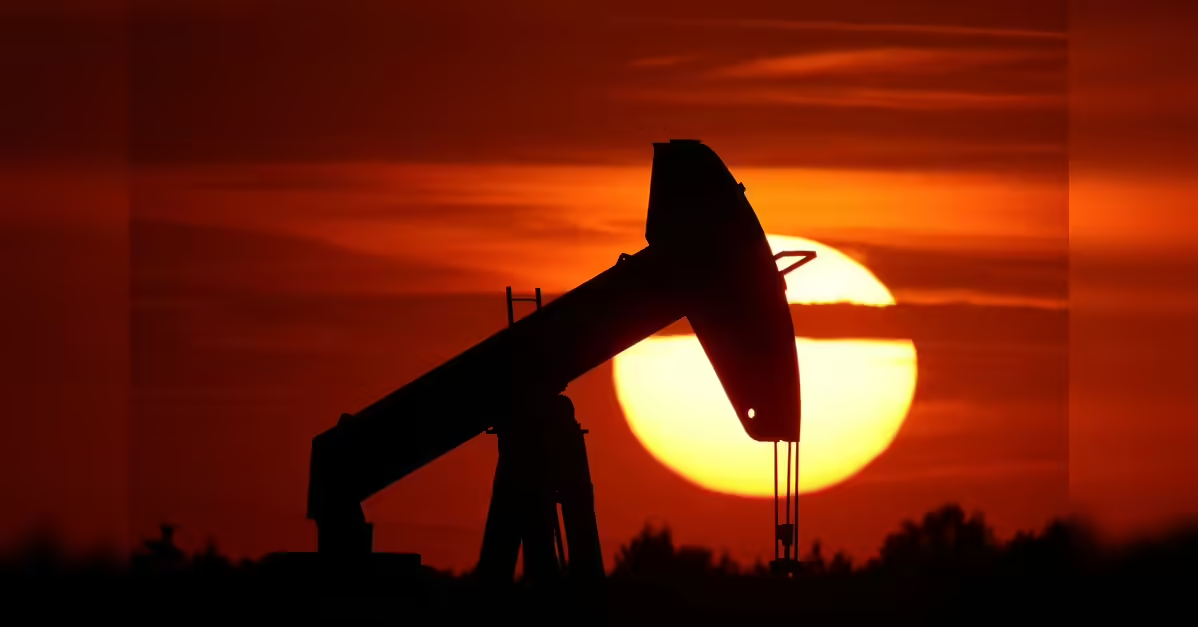
Inflation Alert: How Rising Oil Prices Could Push US Inflation Higher Again in 2026 is becoming one of the most closely watched economic concerns as global oil markets tighten and energy costs begin climbing again, raising fears of renewed inflationary pressure across the United States.
The connection between oil prices and inflation has always been strong, but in 2026, that relationship is once again under the spotlight. With geopolitical tensions, supply constraints, and rising demand reshaping the global energy market, economists and policymakers are warning that inflation may not cool as quickly as expected.
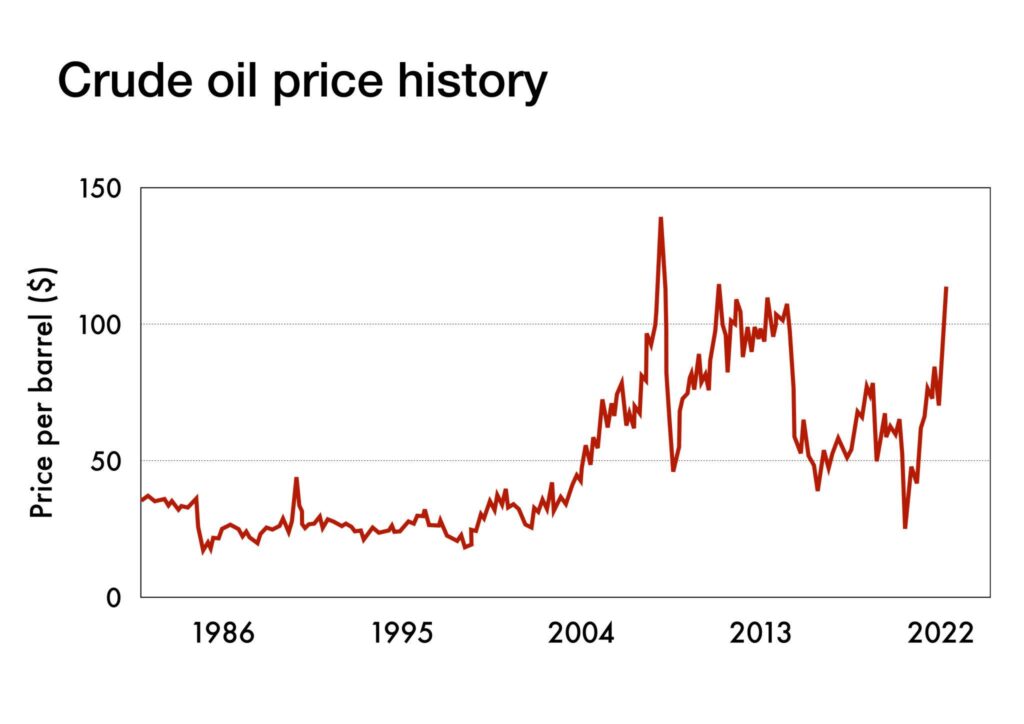
Recent data shows that crude oil prices have been trending upward after a relatively stable period in 2024–2025. Benchmark crude has moved closer to the $90–$100 per barrel range in early 2026, compared to averages near $75–$80 just a year earlier. This sharp increase is already feeding into transportation, manufacturing, and consumer goods prices—key components of inflation.
Why Oil Prices Are Rising Again in 2026
One of the primary drivers behind rising oil prices is the imbalance between global supply and demand. Major oil-producing nations have continued to maintain controlled output levels, limiting supply in order to stabilize and elevate prices.
At the same time, global demand has surged due to economic recovery in key regions like the United States, Europe, and parts of Asia. Increased travel, industrial production, and energy consumption are pushing demand beyond expectations. This combination has created a tight market where even minor disruptions can lead to significant price spikes.
Geopolitical instability is another critical factor. Ongoing tensions in key oil-producing regions have introduced uncertainty into the market. Any disruption—whether due to conflict, sanctions, or trade restrictions—can quickly reduce supply, causing prices to jump almost instantly.
How Rising Oil Prices Directly Impact Inflation
Oil prices affect inflation through multiple channels, making their impact widespread and difficult to contain. The most immediate effect is seen in fuel costs. When crude oil prices rise, gasoline and diesel prices follow, increasing transportation costs across the economy.
These higher transportation costs are then passed on to consumers through increased prices for goods and services. From groceries to online deliveries, nearly every sector feels the impact. This creates a ripple effect that pushes overall inflation higher.
Additionally, oil is a key input in manufacturing and production. Plastics, chemicals, and many industrial materials are derived from petroleum. As oil becomes more expensive, production costs rise, forcing companies to increase prices to maintain margins.

Latest US Inflation Data and Energy Trends
Recent inflation data suggests that energy prices are already contributing to upward pressure. The US Consumer Price Index (CPI) has shown signs of stabilizing in core categories, but energy-related components are beginning to rise again.
Energy inflation, which had slowed in late 2025, is now showing renewed momentum. Gasoline prices have increased by several percentage points in recent months, while heating and electricity costs are also trending upward.
According to recent economic reports, energy could contribute significantly to headline inflation in 2026, potentially pushing it above the Federal Reserve’s 2% target. If oil prices remain elevated, inflation could stabilize closer to 3%–4%, rather than continuing its downward trend.
This is a critical concern for policymakers, as it complicates efforts to manage inflation without slowing economic growth.
Federal Reserve Response and Interest Rate Outlook
The Federal Reserve plays a crucial role in managing inflation, and rising oil prices present a difficult challenge. If inflation begins to climb again due to energy costs, the Fed may need to reconsider its monetary policy strategy.
In 2025, the Fed had begun signaling potential rate cuts as inflation showed signs of cooling. However, the resurgence of oil-driven inflation could delay these plans. Higher inflation may force the Fed to keep interest rates elevated for longer than expected.
This scenario could have significant implications for the broader economy. Higher interest rates increase borrowing costs for consumers and businesses, potentially slowing economic growth. At the same time, failing to control inflation could erode purchasing power and reduce consumer confidence.
Balancing these risks will be one of the biggest challenges for policymakers in 2026.
Market Impact: Stocks, Commodities, and Consumer Spending
Rising oil prices do not just affect inflation—they also influence financial markets and consumer behavior. Historically, higher energy costs have had mixed effects on stock markets.
Energy companies often benefit from rising oil prices, leading to gains in the energy sector. However, other sectors such as transportation, retail, and manufacturing may face pressure due to higher operating costs.
Consumer spending is another key area of concern. As fuel and energy costs rise, households have less disposable income to spend on non-essential goods and services. This can slow economic growth and impact sectors reliant on consumer demand.
Commodity markets are also affected. Higher oil prices can drive increases in other commodities, including metals and agricultural products, further contributing to inflationary pressures.
Expert Analysis and Economic Outlook for 2026
Economic experts are divided on how severe the impact of rising oil prices will be in 2026. Some believe that the effect will be moderate, with inflation remaining under control due to improvements in supply chains and technological advancements.
Others warn that persistent high oil prices could trigger a second wave of inflation, especially if combined with strong consumer demand and wage growth. This scenario could lead to prolonged economic uncertainty and tighter financial conditions.
Many analysts emphasize the importance of monitoring key indicators such as crude oil inventories, global production levels, and geopolitical developments. These factors will play a critical role in determining whether oil prices continue to rise or stabilize.
There is also growing interest in alternative energy and energy efficiency as long-term solutions. Increased investment in renewable energy could help reduce dependence on oil and mitigate future inflation risks.
Risks That Could Push Inflation Even Higher
Several risks could amplify the impact of rising oil prices on inflation. One major risk is supply disruption. Any unexpected event that limits oil production could cause prices to spike sharply, leading to sudden increases in inflation.
Another risk is sustained high demand. If global economic growth remains strong, demand for oil could continue to rise, keeping prices elevated for an extended period.
Currency fluctuations also play a role. A weaker US dollar can make oil more expensive, further contributing to inflation. Additionally, policy decisions, such as tariffs or trade restrictions, could influence energy costs and inflation dynamics.
Understanding these risks is essential for businesses, investors, and policymakers as they navigate the evolving economic landscape.
Long-Term Implications for the US Economy
The long-term impact of rising oil prices extends beyond short-term inflation. Persistent high energy costs can influence investment decisions, economic growth, and overall stability.
Businesses may adjust their strategies by investing in energy-efficient technologies or shifting supply chains to reduce costs. Consumers may change spending habits, prioritizing essential expenses over discretionary purchases.
Over time, these changes could reshape the economy, leading to new opportunities and challenges. The transition to cleaner energy sources may accelerate, driven by both economic and environmental considerations.
While rising oil prices present immediate challenges, they also highlight the importance of building a more resilient and diversified energy system.
What This Means for 2026 and Beyond
The outlook for inflation in 2026 is increasingly tied to the trajectory of oil prices. As energy costs rise, the risk of renewed inflation becomes more pronounced, affecting everything from consumer spending to monetary policy.
While the situation remains uncertain, one thing is clear: oil prices will play a central role in shaping the economic landscape. Businesses, investors, and policymakers must stay vigilant and adapt to changing conditions.
Understanding the connection between oil prices and inflation is essential for making informed decisions in this environment. As 2026 unfolds, keeping a close eye on energy markets will be key to anticipating future trends and managing risks effectively.
Subscribe to trusted news sites like USnewsSphere.com for continuous updates.